

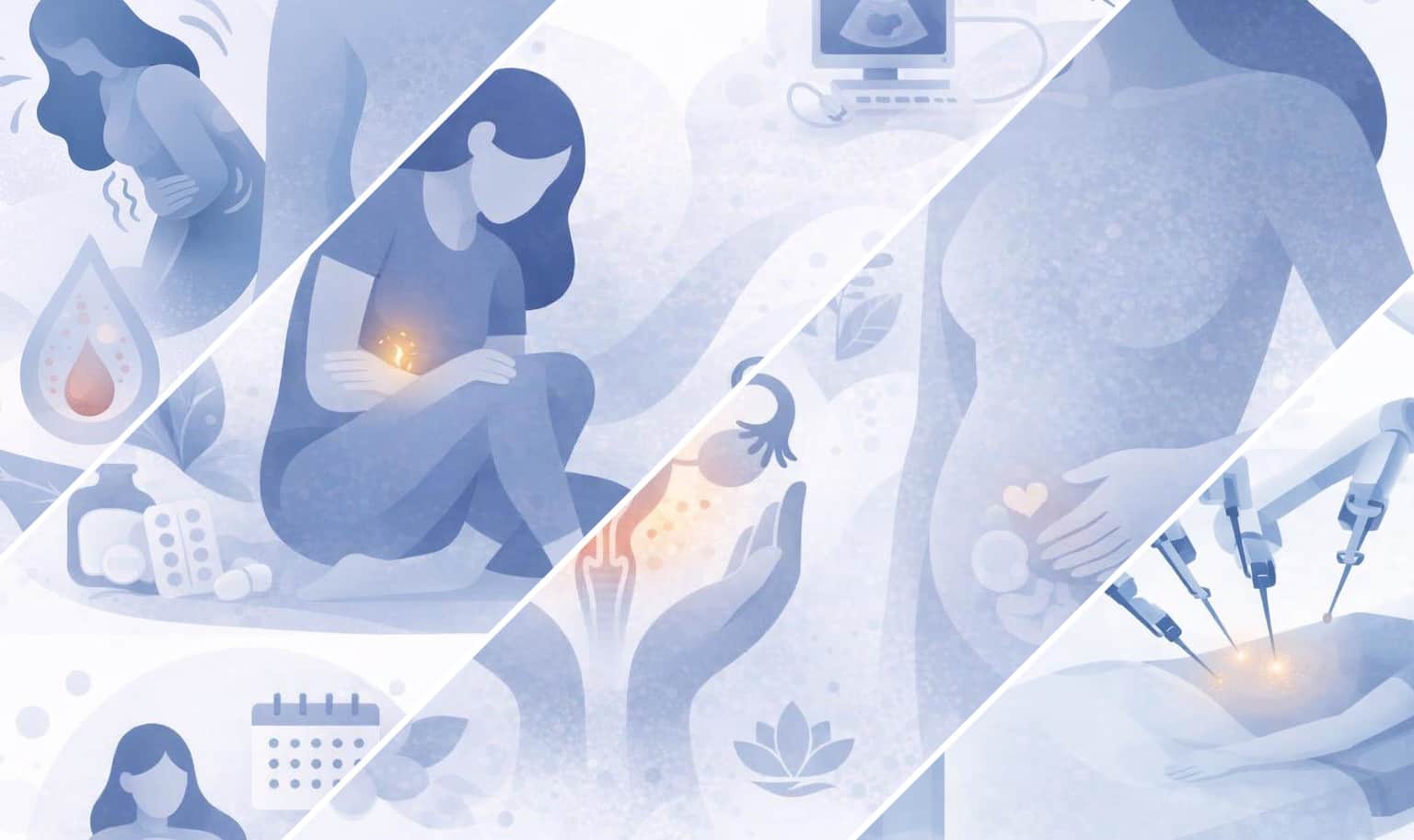
Why Do I Still Hurt? - Understanding Pain After Endometriosis Surgery
Explore why pain can persist after endometriosis surgery. Learn about adhesions, nerve pain, muscle issues, and what steps to take next.

Endometriosis excision can be a vital step—and pain can still linger. Persistent symptoms don’t automatically mean surgery “failed” or disease was missed; pain is influenced by healing timelines, pelvic muscle guarding, sensitized nerves, and how the immune and hormonal systems stay activated after years of inflammation.
You’ll learn the most common reasons pelvic pain, pressure, urinary urgency, bowel distress, or painful sex can continue even after “successful” surgery, including contributions from nearby organs and an overprotective nervous system. You’ll also get a practical, step-by-step way to track symptom patterns and bring clearer targets to your follow-up care, so treatment can be matched to the drivers that are actually keeping pain going.
Posts in This Series (6)
When Surgery Helps but Pain Still Persists
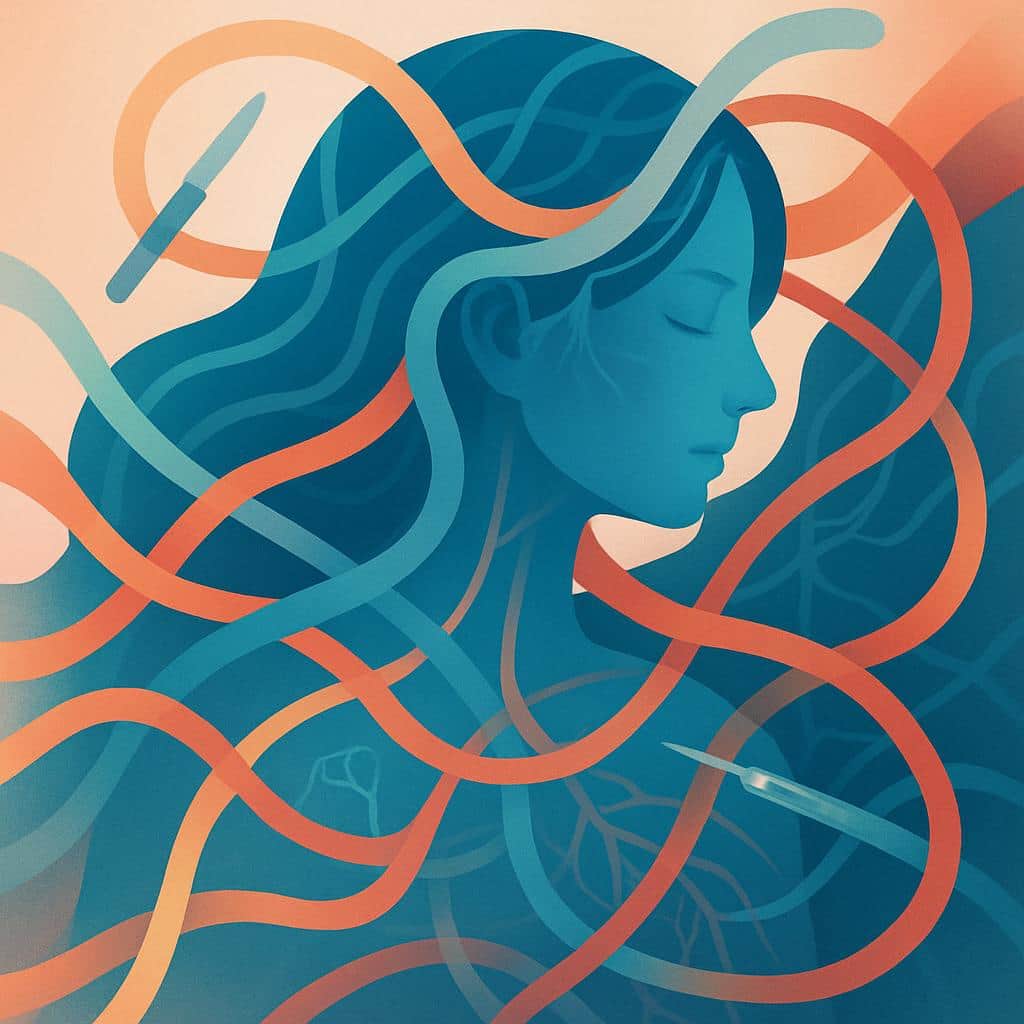
“Successful” excision can mean disease was removed safely and anatomy was protected—not that pain will fully resolve. Pain isn’t a direct readout of what’s visible in the pelvis; inflammation can irritate nerves and drive sensitization, where the nervous system stays on high alert even after lesions are removed.
Common reasons pain continues after surgery include:
- Persistent or recurrent endometriosis, especially deep disease in bowel, bladder, or ureters that can be difficult to excise completely
- Adhesions, fibrosis, or scar tissue that restricts organ movement and pulls on nerves
- Amplified pain processing (peripheral/central sensitization) and overlapping pain conditions that keep the overall pain burden high
When the Pain Alarm Stays On

Pain can persist after endometriosis excision when the nervous system becomes overprotective after months or years of repeated pain signaling. This is often described as central sensitization—heightened pain processing in the brain and spinal cord—where pain intensity doesn’t reliably match visible tissue injury. That is real, body-based pain, not “all in your head.”
Common patterns include:
- Pain spreading beyond the pelvis (low back, hips, generalized achiness)
- Flares from light touch or mild activity; feeling like “everything sets it off”
- Fatigue, poor sleep, brain fog, or sensitivity to light/sound
Outcomes after surgery vary: many improve, but a substantial group has little change or worsening. Higher pre-op Central Sensitization Inventory (CSI) scores are linked with more persistent pain, supporting a broader, multi-factor approach to recovery.
When Tight Pelvic Muscles Keep Pain Going

Pelvic pain can persist after “successful” endometriosis excision when the pelvic floor and surrounding fascia stay in a guarded, overactive pattern. The pelvic floor should contract and relax on command; chronic pain can train it to clench, shorten, and brace long-term, creating pelvic floor dysfunction. Myofascial pain comes from muscles and connective tissue, often through trigger points—tender bands that cause local pain and referred pain (deep vaginal pain, rectal pressure, hip pain, urinary urgency).
Muscle-based pain doesn’t automatically resolve with lesion removal. Common drivers include:
- Ongoing protective guarding learned over months or years
- Trigger points that reproduce “typical” pelvic pain on exam
- A sensitized pain system that keeps muscles reactive
Pelvic floor physical therapy is often a key next step when these patterns are present.
When Pain Comes From Nearby Organs
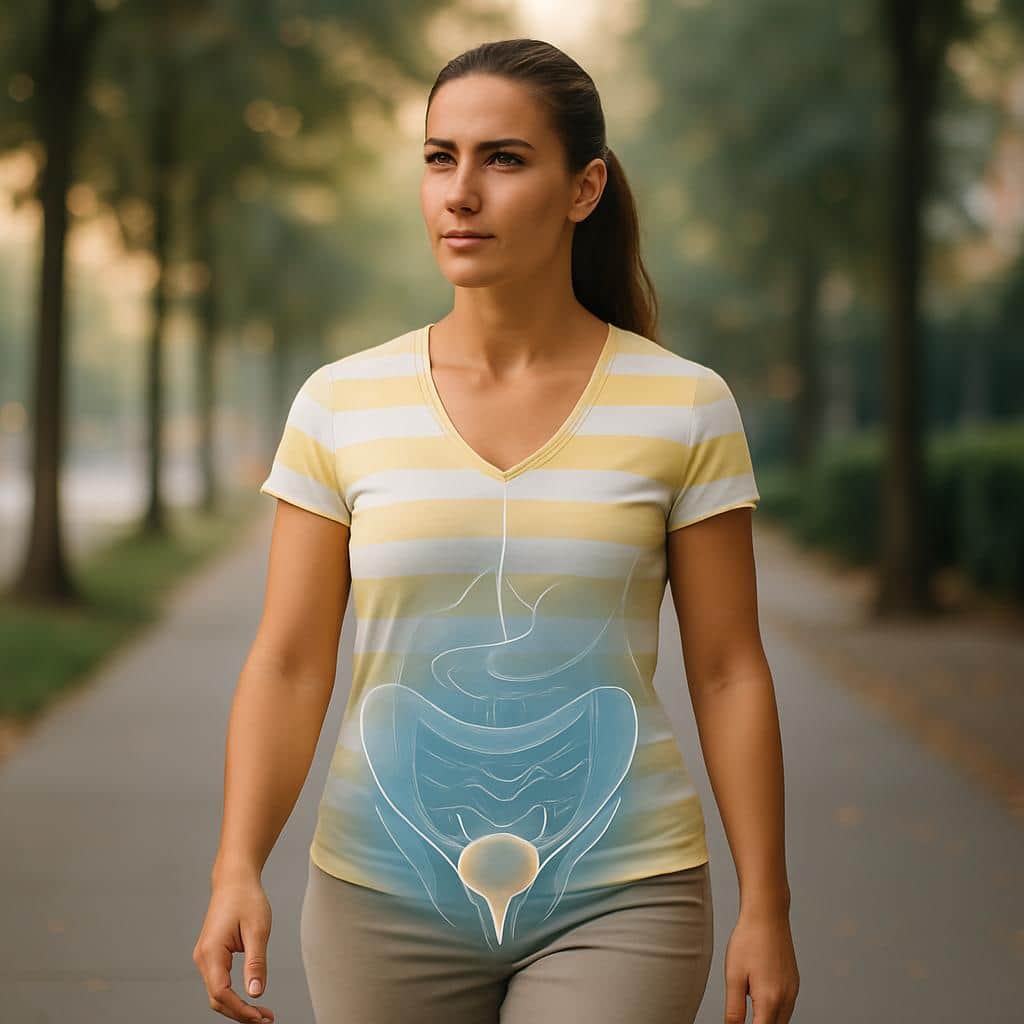
Endometriosis can be fully excised and still leave you with pelvic pain, pressure, urinary urgency, or bowel distress when other common “neighbors” are also driving symptoms. Pelvic organs share tight anatomy and overlapping nerve pathways, so inflammation, muscle guarding, and a sensitized pain system can make uterine, bladder, and bowel symptoms feel indistinguishable.
Common overlapping sources of persistent pain include:
- Adenomyosis (uterus): deep aching, heavy pressure, cramping, pain with sex
- Bladder pain syndrome/IC: urgency, frequency, urethral burning, pain that worsens as the bladder fills
- Bowel sensitivity/IBS-like patterns: bloating, cramping, constipation/diarrhea swings
Endometriosis and IBS also co-occur more than expected, and symptom severity can look similar—so evaluation needs more than symptoms alone.
When Pain Is Driven by the Nervous and Immune Systems
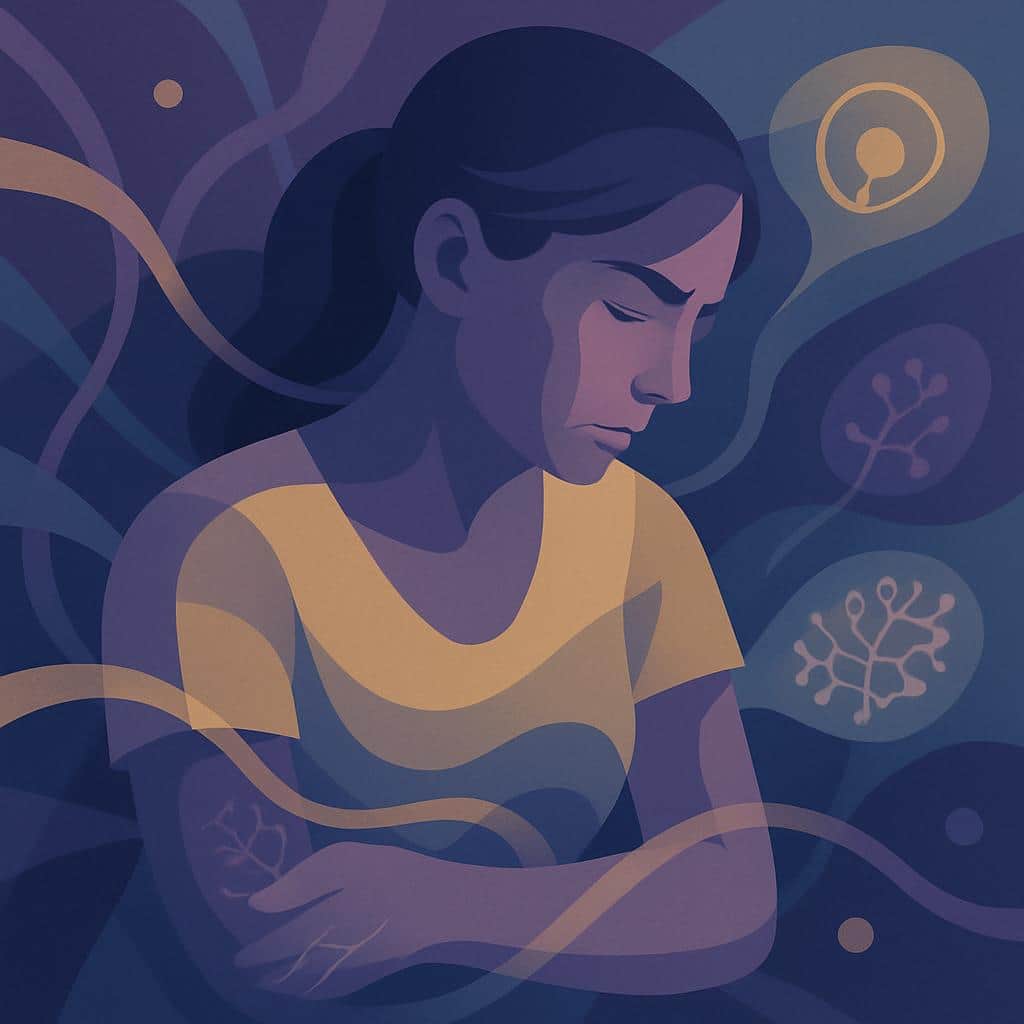
Pain can persist after excision even when visible endometriosis is removed because hormones, immune cells, and nerves can keep each other “turned on.” Inflammatory mediators (such as IL‑1β, IL‑6, TNF‑α, prostaglandins, and NGF/BDNF) can maintain peripheral and central sensitization, so pain may feel widespread, burning, or disproportionate to pelvic findings.
Systemic and overlapping conditions commonly contribute and deserve targeted evaluation:
- Mast cell activation patterns: histamine and other mediators can amplify nerve firing and flare-like symptoms
- Vulvodynia/vestibulodynia: burning at the vaginal opening and pain with penetration
- Dysautonomia: fatigue, “high alert” sensations, lightheadedness, temperature intolerance, and rapid heart rate
- Other chronic pain syndromes: migraine, IBS, bladder pain syndrome, fibromyalgia-like pain
A Step-By-Step Plan for Persistent Pain After Surgery

Stop treating pain as a single 0–10 number. Track a pattern for 2–4 weeks so your team can match symptoms to likely drivers and tailor treatment. Capture:
- Timing: constant vs cyclical; triggered by bowel movements, bladder filling, sex, exercise, sitting, ovulation, or bleeding
- Location: deep pelvis, one-sided ovary area, rectal/vaginal, bladder/urethral, low back/hip
- Quality: cramping/pressure, sharp/stabbing, burning/electric
- Function impact: sleep, work/school, sitting/walking/driving, intercourse
- Medication response: what helps, what doesn’t, and how long it takes
Then choose a working “lane”: early recovery (6–12 weeks), persistent pain (>~3 months), or overlap. Persistent pain often includes sensitized nerves, pelvic floor dysfunction, bladder/bowel sensitization, and mood/pain-thought patterns—not just visible lesions.
Pain after endometriosis surgery is real—and it’s not proof that anything was “missed” or that you’ve failed. Pain is a whole-body output shaped by tissue healing, pelvic mechanics, neighboring organs, hormones, immune signals, and a nervous system that may still be on high alert.
The goal is not to debate whether your pain is valid, but to identify what’s sustaining it now. With the right map and the right team, persistent pain becomes something you can understand, measure, and treat—step by step.
Get Answers for Pain After Surgery
If you’re still hurting after “successful” endometriosis excision, you’re not alone—and it doesn’t mean it’s all in your head. Our specialists can help identify what’s driving your symptoms (nervous system sensitization, pelvic floor tension, nearby organ involvement, and immune/hormonal triggers) и
Schedule A Visit