

Integrative Medicine & Lifestyle Care
Holistic Healing After Surgery & Beyond

How Lifestyle Shapes Your Biology
Lifestyle as Medicine: The Science of What Works
There's no cure for endometriosis yet — but that doesn't mean you're powerless. Research in molecular genetics is revealing something powerful: what you eat, how you move, what you expose your body to, and even targeted botanicals can interact with the genetic switches that drive the disease at a cellular level. The list items below aren't just "wellness tips". The evidence is growing that these strategies may help slow disease activity and even lower cancer risk, which is elevated in women with endo.
Exercise
Regular Exercise
Regular, intensive exercise can play an important role in managing endometriosis by helping lower body fat and, in turn, reducing estrogen production in fat cells and lowering the stored toxins which can act like xenoestrogens. With less estrogen circulating in the body—while still staying within healthy limits—there is less fuel for endometriosis growth. It also reduces inflammation and releases endorphins which ameliorate pain. One of the most effective forms of exercise for this is high-intensity interval training (HIIT), sometimes called “burst training.” This involves going all out for about 30 seconds, then resting for 90 seconds, and repeating the cycle. HIIT not only supports fat loss but also builds muscle, boosts calorie burn, and increases human growth hormone (HGH). For safety and best results, it’s ideal to learn the technique with a personal trainer or experienced coach.
Nutrition
Whole Food Plant-Based Diet
Centering your diet around whole, plant-based foods—especially a wide variety of vegetables—can help with weight management, support hormone balance, and reduce excess estrogen by limiting fat production. A diet rich in fiber also helps bind and eliminate estrogen from the body, lowering the chance of estrogen overload and supporting more regular cycles. While plants form the foundation, high-quality animal protein such as wild-caught salmon can also be a healthy addition.
Alcohol
Limit Alcohol Intake
Unfortunately, alcohol can trigger spikes in estrogen, which may fuel the growth of endometriosis. Regular or heavy drinking can also disrupt hormone balance, strain the liver’s ability to metabolize estrogen, and contribute to inflammation. For these reasons, limiting alcohol is an important step in managing endometriosis symptoms. Beyond endometriosis, reducing alcohol intake is also linked to a lower long-term risk of certain cancers, making it a powerful prevention strategy for overall health.
Caffeine
Limit Caffeine Intake
Similar to alcohol, high caffeine intake—generally more than one caffeinated drink per day—can raise estrogen levels and contribute to hormonal imbalance. Keeping caffeine in moderation is an important part of reducing estrogen overload. Choosing alternatives such as green tea, herbal teas, or other lower-caffeine options can still provide energy and comfort without the same hormonal impact.
Xenoestrogens
Avoid Xenoestrogens
Xenoestrogens are hormone-like chemicals that act as endocrine disruptors and can accumulate in fat cells, interfering with normal hormone balance. We are exposed to tens of thousands of environmental toxins each year, and some of the most concerning are those that mimic estrogen in the body. Common sources include commercially raised meat and dairy products (especially processed meats), produce with pesticide or insecticide residue, unfiltered tap water, certain food additives, and everyday personal care products such as lotions, shampoos, soaps, conditioners, and even some toothpastes. Being mindful of these exposures and choosing cleaner alternatives where possible can help reduce your overall hormone disruption risk. For practical tips and product safety ratings, resources like EWG.org are an excellent place to start.
Soy Products
Soy Consumption
Soy remains a controversial topic in endometriosis care. On one hand, soy contains plant estrogens (phytoestrogens) that could theoretically stimulate endometriosis growth, though this would generally require very high consumption. Limiting soy may therefore help reduce overall estrogen exposure in the body. On the other hand, some research suggests that these plant estrogens can bind to certain estrogen receptors in a way that may actually block the stronger effects of regular estrogen on both normal and abnormal cells. Because of this, the impact of soy may be mixed, and the evidence is not yet conclusive.
Seaweed
Can seaweed help?
Certain seaweeds, such as bladderwrack, may help gently lower estrogen levels when consumed in moderation. A typical supplemental dose of around 500–700 mg per day is considered sufficient—more is not better due to the high iodine content. Interestingly, Japanese women following a traditional diet rich in seaweed have some of the lowest rates of breast, endometrial, and ovarian cancers, along with longer menstrual cycles and lower circulating estrogen levels.
Natural Allies for Symptom Relief
Herbal & Botanical Support
Certain herbs, botanicals, and supplements have shown real promise in supporting endometriosis management — not as replacements for medical treatment, but as evidence-informed tools that work alongside it. Many can be incorporated through whole foods and dietary choices, while others are more practical in supplement form for consistent dosing. Quality matters and individual needs vary, so what works best should be guided by your clinical picture.
Omega-3 Fatty Acids
Omega-3 fatty acids — found in wild-caught fish, flaxseed, and high-quality supplements — are among the most well-studied natural anti-inflammatories. Research suggests they may help reduce endometriosis-related inflammation and pain by lowering prostaglandin production. For women who don't regularly consume fatty fish, a quality fish oil or algae-based supplement is a practical alternative.
Turmeric
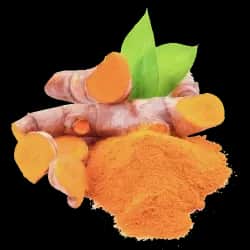
Turmeric contains curcumin, one of the most well-researched natural anti-inflammatory compounds. It works by modulating several inflammatory pathways relevant to endometriosis. Absorption is significantly improved when combined with black pepper (piperine). It can be consumed as a root, spice, or in supplement form for more consistent dosing.
Ginger
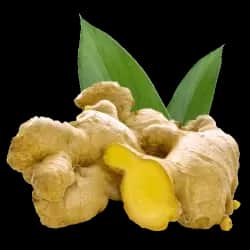
Ginger is a natural anti-inflammatory that can also help with the nausea that often accompanies endometriosis pain. It's easy to incorporate through fresh ginger tea, adding it to meals, or simply chewing on a small piece as needed. Its active compounds, including gingerols, work along similar pathways to some over-the-counter anti-inflammatory medications.
Chamomile

Chamomile has mild anti-inflammatory and muscle-relaxing properties, making it a gentle option for easing pelvic discomfort. It's available as a tea or in supplement capsule form. It can also support sleep quality, which is often disrupted by chronic pain. Note that chamomile is a mild diuretic, so increased frequency of urination is normal.
Bromelain
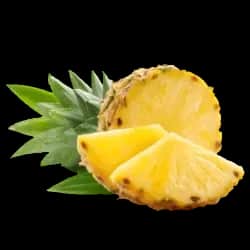
Bromelain is a protein-digesting enzyme with anti-inflammatory and anti-swelling properties. It has been used to support postoperative healing, including reducing scarring and tissue inflammation. Fresh pineapple is a natural source, though capsule form allows for more targeted dosing.
Magnesium
Magnesium plays a role in muscle relaxation, nerve function, and sleep — all of which are commonly disrupted by endometriosis. Many women with chronic pelvic pain are deficient without realizing it. Supplementing with magnesium glycinate or magnesium citrate may help ease cramping, improve sleep quality, and support overall nervous system regulation.
Vitamin D
Vitamin D deficiency is common in women with endometriosis, and low levels have been associated with increased inflammation and immune dysregulation. Adequate vitamin D supports immune balance and may help modulate the inflammatory environment that drives disease activity. Levels should be tested and supplementation tailored accordingly.
Probiotics
Emerging research points to a connection between gut health and endometriosis, sometimes called the gut-endo axis. Disruptions in the microbiome can amplify systemic inflammation and estrogen recirculation. Targeted probiotic strains — particularly Lactobacillus species — may help restore balance, support immune function, and reduce inflammatory signaling.
NAC — N-Acetyl Cysteine
NAC is a potent antioxidant and precursor to glutathione, the body's primary detoxification molecule. Some preliminary research has shown it may help reduce endometrioma size and associated pain. While the evidence is still developing, NAC's anti-inflammatory and antioxidant properties make it a promising area of study for endometriosis support.
Guided, Not Guesswork
Integrative care that's part of your treatment plan
These strategies work best when they're coordinated with your medical care — not pieced together from internet searches. At Lotus, we integrate lifestyle, nutrition, and supplement guidance directly into your treatment plan, so everything works together toward the same goal.
Calming the Nerves
Mind-Body Practices & Stress Reduction
Chronic pain changes the nervous system. Over time, the body can get stuck in a heightened state of alert — amplifying pain signals, disrupting sleep, and draining energy. Mind-body practices help interrupt this cycle by calming the nervous system, reducing stress hormones, and restoring the body's ability to regulate pain. These aren't passive relaxation techniques — they're active strategies with measurable physiological effects.
Meditation & Mindfulness
Mindfulness meditation trains the brain to observe pain and stress without amplifying them. Regular practice has been shown to reduce cortisol levels, lower inflammatory markers, and change how the brain processes pain signals. Even short daily sessions can build meaningful resilience over time.
Yoga
Yoga combines gentle movement, breathwork, and body awareness in a way that is particularly well-suited for chronic pelvic pain. It can help release tension in the hips, pelvis, and pelvic floor while calming the nervous system. Restorative and yin styles are often the best starting point for women with endometriosis.
Breathwork
Controlled breathing techniques directly activate the parasympathetic nervous system — the body's "rest and recover" mode. Diaphragmatic breathing and paced breathing exercises can lower heart rate, reduce muscle tension, and dampen pain signaling. These techniques are simple, portable, and can be used during flares.
Biofeedback
Biofeedback uses sensors to give real-time feedback on physiological processes like muscle tension, heart rate, and breathing patterns. This allows patients to learn how to consciously influence functions that are normally automatic — making it a powerful tool for pelvic floor dysfunction, stress-driven pain, and nervous system dysregulation.
Cognitive Behavioral Therapy
Chronic pain can reshape thought patterns in ways that worsen the experience of pain itself — catastrophizing, hypervigilance, and avoidance all feed the cycle. Cognitive behavioral techniques help break it. This can look like working with a pain-focused therapist, using structured journaling to identify pain triggers and thought patterns, or practicing graded exposure — gradually reintroducing activities you've been avoiding due to fear of pain. The goal is to reduce the emotional weight pain carries and rebuild confidence in your body.
Manage Pain Beyond Medication
Complementary Therapies
Beyond lifestyle and supplements, there are hands-on and device-based therapies that can meaningfully reduce endometriosis pain. These work through different mechanisms — nerve modulation, blood flow, muscle relaxation — and are most effective when used as part of a broader treatment strategy rather than in isolation.
Accupuncture
Acupuncture targets specific points along the body's nerve pathways to modulate pain signaling, improve blood flow, and reduce muscle tension. Research in endometriosis patients suggests it may lower pain intensity and improve relaxation, particularly when used consistently alongside medical treatment. Many patients find it especially helpful for managing flares and cyclical pain.
TENS (Transcutaneous Electrical Nerve Stimulation):
TENS devices deliver mild electrical impulses through the skin to interrupt pain signals before they reach the brain. They're portable, non-invasive, and can be used at home during flares or daily discomfort. Studies suggest TENS can be particularly effective for menstrual and pelvic pain when placed on the lower abdomen or back.
CBD & Cannabinoids
Some patients report meaningful pain relief from CBD and cannabinoid-based products, and early research suggests they may interact with the body's endocannabinoid system to reduce inflammation and modulate pain. However, the evidence is still limited, product quality varies widely, and regulation is inconsistent. If exploring this route, pharmaceutical-grade products and clinical guidance are important.
Heat Therapy
Heat is one of the simplest and most underrated tools for pelvic pain. It increases blood flow, relaxes smooth muscle, and reduces cramping. Heating pads, warm baths, and wearable heat wraps can provide meaningful relief during flares — and unlike many interventions, there's essentially no downside. It's also easy to combine with other strategies like breathwork or TENS for layered relief.
Common Questions
Can endometriosis cause arthritis-like joint pain?
Yes—endometriosis can be associated with arthritis-like joint pain in some people, even though joint pain isn’t considered a classic “core” symptom. Endometriosis can drive chronic inflammation and immune dysregulation, and that whole-body inflammatory state may show up as aching, stiffness, or flares that feel similar to inflammatory arthritis. Some patients also notice joint symptoms that cycle with their period or worsen during broader endometriosis flares.
At the same time, endometriosis doesn’t “equal” autoimmune arthritis, and an association doesn’t prove that one causes the other. Research suggests higher rates of certain autoimmune conditions in people with endometriosis—including inflammatory diseases that can affect joints—so persistent joint pain deserves a full-picture evaluation rather than being automatically attributed to pelvic disease alone. If you’re dealing with pelvic pain plus joint symptoms, our team can help you sort out what fits endometriosis, what may be a related immune condition, and how that affects your treatment plan, including whether excision surgery and coordinated integrative support make sense for you.
Why do endometriosis patients try alternative medicine?
Many people with endometriosis try “alternative” medicine because they’ve spent years in pain without clear answers or durable relief. When hormones cause side effects, symptoms persist after prior treatments, or surgery feels out of reach, it’s completely understandable to look for something—anything—that offers a sense of control and day-to-day functioning. Social media and anecdotal stories can also make certain approaches sound like hidden “cures,” especially when the medical system has been dismissive or slow to diagnose.
We also see another, more practical reason: endometriosis pain is multifaceted—driven by inflammation, pelvic floor and musculoskeletal factors, nerve irritation, and sometimes central sensitization—so patients often need more than one tool. The key distinction is that integrative care is meant to work alongside mainstream medical and surgical treatment, not replace it. Our approach is to help you separate what’s promising and measurable from what’s expensive, vague, or marketed as a miracle, and build a coordinated plan that targets both the disease and the pain mechanisms that keep symptoms going. If you’re feeling pulled toward alternative options, we invite you to reach out—so we can help you make a plan that protects your time, your body, and your long-term goals.
Is an “endometriosis diet” evidence-based?
Yes and no. The evidence does support the idea that nutrition can influence pathways that matter in endometriosis—like inflammation, oxidative stress, hormone metabolism, and the microbiome—so diet can be a meaningful part of symptom support. What the research does not support (at least not yet) is a single, universally proven “endometriosis diet” that reliably treats the disease or works the same way for everyone.
Most of the strongest signals come from observational research, where higher overall diet quality and Mediterranean-style, anti-inflammatory patterns are associated with better reproductive health and lower likelihood of having endometriosis. That’s encouraging, but it isn’t the same as proof that changing your diet will prevent endometriosis, shrink lesions, or predictably improve pain or fertility for an individual. In our experience, nutrition tends to be most helpful when it’s tailored to your symptom pattern—especially if you have significant bloating, bowel symptoms, or IBS overlap.
If you’re trying to decide what’s worth your time, we recommend focusing on evidence-aligned, sustainable changes rather than long “forbidden food” lists or internet protocols that promise a cure. Our team integrates nutrition and lifestyle strategies into an overall endometriosis plan—so you’re not left experimenting endlessly, and you can evaluate what’s actually helping you.
Can foods worsen endometriosis symptoms?
Yes—certain foods can make endometriosis symptoms feel worse for some people, even though there isn’t one universal “endometriosis diet.” Endometriosis is a chronic inflammatory condition, and eating patterns that push inflammation higher (or trigger gut symptoms) can amplify pain, bloating, and fatigue. We also see that food sensitivities and GI overlap (like IBS-type symptoms) can make endometriosis flares feel more intense, even if the underlying lesions are unchanged.
Rather than assuming you need to cut out a long list of foods, we usually recommend looking for your patterns. Keeping a simple symptom-and-food log for a few weeks can help identify whether certain meals correlate with pelvic pain, bowel symptoms, or a flare around your cycle. Many patients do best focusing on overall diet quality—think anti-inflammatory, Mediterranean-style eating—while avoiding extremes and internet “forbidden foods” lists. If you’d like a structured, evidence-informed approach, our team can help you integrate nutrition and lifestyle strategies into a plan that also addresses the disease itself, not just symptom management.
Can endometriosis cause inflammation-related weight gain?
Yes—there can be a connection, but it’s usually not as simple as “inflammation makes you gain fat.” Endometriosis is an inflammatory condition, and that inflammation can drive fluid shifts, pelvic and abdominal swelling, bowel slowing/constipation, and the classic waxing-and-waning “endo belly,” all of which can look and feel like weight gain even when body fat hasn’t changed. Pain, fatigue, and stress can also reduce activity or change appetite patterns, which can indirectly affect body composition over time.
What’s also emerging in research is a possible link between endometriosis and certain metabolic risk patterns in some people (like central waist changes and lipid markers). That doesn’t prove endometriosis directly causes metabolic changes—or that metabolic changes cause endometriosis—but it does support why some patients feel their body is harder to “regulate” while the disease is active. If weight changes, bloating, or a new shift in your waistline is part of your story, our team can help you sort out what’s most likely inflammation and GI distension versus longer-term metabolic or hormonal contributors, and build a plan that aligns with your symptoms and goals. If you’d like, you can reach out to schedule a consultation so we can evaluate the full picture and discuss treatment options, including excision and coordinated whole-person care.
Can endometriosis cause dysautonomia?
Yes—endometriosis (and adenomyosis) can be associated with dysautonomia-like symptoms for some patients, especially in the setting of long-term pelvic pain. When the nervous system is repeatedly exposed to pain, inflammation, poor sleep, and stress physiology, it can start to behave as if it’s stuck in “alarm mode,” with less flexible switching between fight-or-flight and rest-and-digest.
The link isn’t always a simple one-to-one cause, and the research is still evolving, but there’s strong biologic plausibility. Endometriosis can involve inflammation and nerve changes around lesions, and over time those ongoing signals can contribute to broader nervous-system sensitivity (often described as central sensitization). That whole-body sensitized state can overlap with symptoms many people label as dysautonomia—things like palpitations, dizziness, temperature intolerance, fatigue, and feeling “wired but tired,” even when imaging doesn’t look dramatic.
In our practice, we take these symptoms seriously and look at the full picture: pelvic disease drivers, pain processing, and the pattern of autonomic-type symptoms together. If this resonates with you, exploring our resources on nervous system involvement in endometriosis can help you make sense of what you’re feeling—and you can reach out to schedule a consultation so our team can map out a plan tailored to your symptoms and goals.