

Insights, News, & Expert Guidance (BLOG)
Illuminating the Journey: Insights into Endometriosis Care
Your trusted space for meaningful insights — from foundational knowledge to new developments in endometriosis care. Explore research, personal stories, clinical commentary, and resources that inform, support, and empower your journey.
Category
Surgery

Surgery and IVF: When Are They Right for Endometriosis?
Explore when surgery or IVF is best for endometriosis. Understand the decision-making process and what to consider for fertility and health.

Calming Pre-Surgery Nerves for Endometriosis & Adenomyosis
Feeling anxious about endometriosis surgery? Explore calming techniques and insights on managing pre-surgery nerves specific to endometriosis and adenomyosis.
Category
Integrative & Holistic Medicine
Calming Pre-Surgery Nerves for Endometriosis & Adenomyosis
Feeling anxious about endometriosis surgery? Explore calming techniques and insights on managing pre-surgery nerves specific to endometriosis and adenomyosis.
Preventing Endometriosis Recurrence After Surgery: What Helps?
Discover effective strategies to prevent endometriosis recurrence post-surgery. Learn about management options and warning signs. Get informed today!
Guidance Along Your Endometriosis Journey
Explore Our Latest Posts
Discover articles written to inform, empower, and inspire—combining medical insight, research updates, and compassionate guidance to help you make confident, evidence-based decisions about your care.
Ovarian Remnant Syndrome: Symptoms, Diagnosis, and Treatment
Discover ovarian remnant syndrome: its symptoms, risk factors, and treatment options after oophorectomy. Learn how to manage pelvic pain effectively.

Retroverted (Tilted) Uterus: Symptoms, Myths, and When It Matters
Explore the link between a retroverted uterus and endometriosis/adenomyosis. Learn about symptoms, myths, and when it matters for your health.

Making a Fertility Plan: Working with Your Endometriosis Care Team
Learn how to create a patient-centered fertility plan with your endometriosis care team, addressing symptoms, treatment, and desired timelines.

Adenomyosis, Endometriosis, and Pregnancy: What Patients Need to Know
Explore how adenomyosis affects pregnancy and fertility with endometriosis. Get trusted research insights and advice for your care team.
Surgery and IVF: When Are They Right for Endometriosis?
Explore when surgery or IVF is best for endometriosis. Understand the decision-making process and what to consider for fertility and health.

How Does Endometriosis Affect Fertility? Understanding the Science
Discover how endometriosis impacts fertility and what recent research reveals. Understand the factors influencing conception. Read now!
Calming Pre-Surgery Nerves for Endometriosis & Adenomyosis
Feeling anxious about endometriosis surgery? Explore calming techniques and insights on managing pre-surgery nerves specific to endometriosis and adenomyosis.
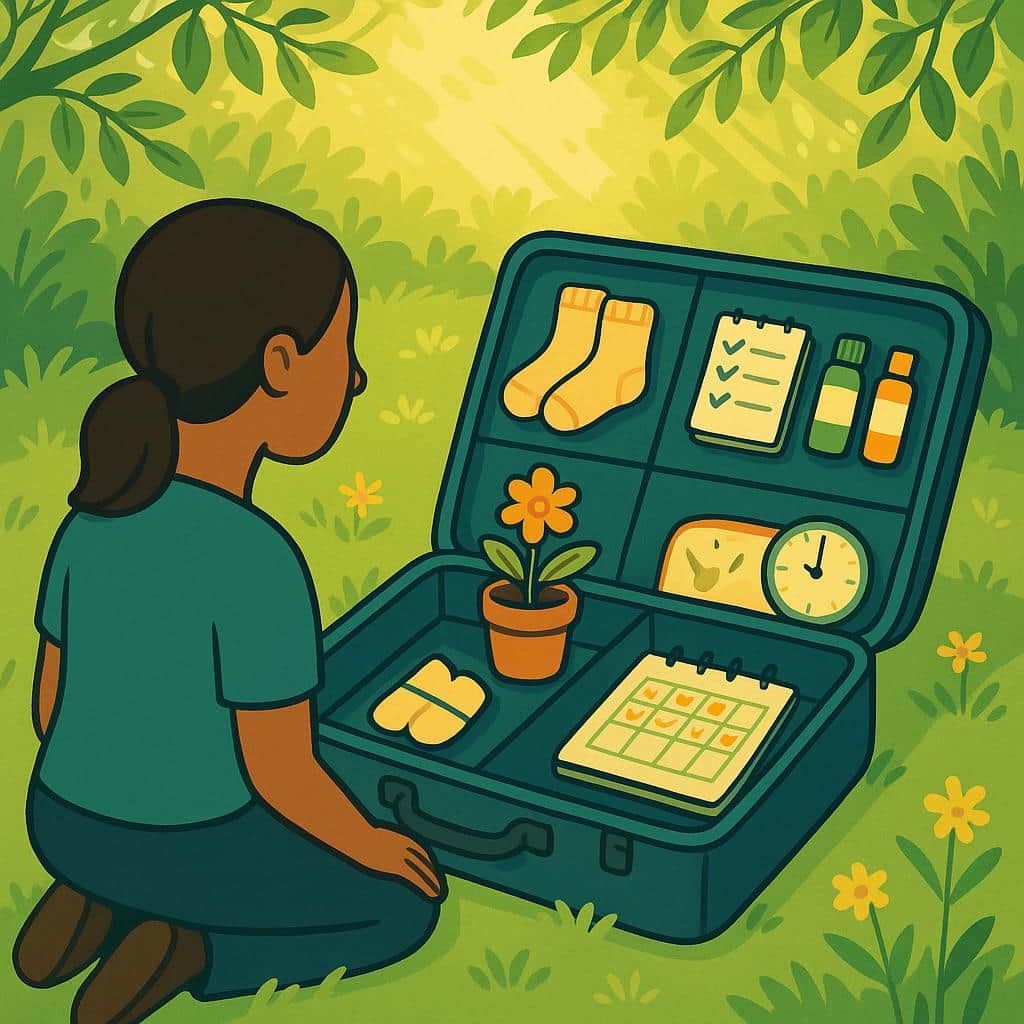
Getting Ready for Endometriosis Surgery: A Week‑by‑Week Guide
Get ready for your endometriosis surgery with our week-by-week guide. Learn what to schedule, pack, and prepare for a smooth recovery.

Feeling Overwhelmed: Endometriosis and Fertility Fears Explained
Explore the emotional impact of endometriosis on fertility fears. Understand your worries with recent research and practical steps for your journey.
Why Multidisciplinary Care is Essential for Complex Endometriosis
Discover why multidisciplinary care is vital for managing complex endometriosis and enhancing quality of life. Learn more in our latest research overview.
Beyond the Abdomen: Endometriosis in the Diaphragm and Nerves
Discover rare symptoms of endometriosis involving the diaphragm and nerves. Understand the importance of accurate diagnosis and emerging research.

Bladder, Ureter, and Urinary Symptoms You Didn’t Expect
Discover how urinary tract endometriosis affects symptoms like painful urination, and learn about evaluation and treatment. Explore expert insights!
Common Questions
Is an “endometriosis diet” evidence-based?
Yes and no. The evidence does support the idea that nutrition can influence pathways that matter in endometriosis—like inflammation, oxidative stress, hormone metabolism, and the microbiome—so diet can be a meaningful part of symptom support. What the research does not support (at least not yet) is a single, universally proven “endometriosis diet” that reliably treats the disease or works the same way for everyone.
Most of the strongest signals come from observational research, where higher overall diet quality and Mediterranean-style, anti-inflammatory patterns are associated with better reproductive health and lower likelihood of having endometriosis. That’s encouraging, but it isn’t the same as proof that changing your diet will prevent endometriosis, shrink lesions, or predictably improve pain or fertility for an individual. In our experience, nutrition tends to be most helpful when it’s tailored to your symptom pattern—especially if you have significant bloating, bowel symptoms, or IBS overlap.
If you’re trying to decide what’s worth your time, we recommend focusing on evidence-aligned, sustainable changes rather than long “forbidden food” lists or internet protocols that promise a cure. Our team integrates nutrition and lifestyle strategies into an overall endometriosis plan—so you’re not left experimenting endlessly, and you can evaluate what’s actually helping you.
Can foods worsen endometriosis symptoms?
Yes—certain foods can make endometriosis symptoms feel worse for some people, even though there isn’t one universal “endometriosis diet.” Endometriosis is a chronic inflammatory condition, and eating patterns that push inflammation higher (or trigger gut symptoms) can amplify pain, bloating, and fatigue. We also see that food sensitivities and GI overlap (like IBS-type symptoms) can make endometriosis flares feel more intense, even if the underlying lesions are unchanged.
Rather than assuming you need to cut out a long list of foods, we usually recommend looking for your patterns. Keeping a simple symptom-and-food log for a few weeks can help identify whether certain meals correlate with pelvic pain, bowel symptoms, or a flare around your cycle. Many patients do best focusing on overall diet quality—think anti-inflammatory, Mediterranean-style eating—while avoiding extremes and internet “forbidden foods” lists. If you’d like a structured, evidence-informed approach, our team can help you integrate nutrition and lifestyle strategies into a plan that also addresses the disease itself, not just symptom management.
How do I access endometriosis trials and judge research hype?
A safe way to start is by using reputable trial registries (such as ClinicalTrials.gov) to confirm a study is real and to review the basics: the trial phase, what treatment is being tested, the primary outcomes, and the eligibility criteria. We also encourage you to look closely at what participation actually involves—extra visits, imaging, biopsies, medication changes, or washout periods—so you can weigh the time and symptom impact alongside potential benefit. Many trials do cover study-related costs, but coverage varies, so it’s important to clarify what is paid for, what might be billed to insurance, and any travel or time-off burdens.
To judge the “hype,” focus on the quality of the evidence rather than headlines or social media summaries. Peer-reviewed publication helps, but we also look for whether the study design and sample size are strong enough to support the claims and whether the outcomes are truly meaningful for patients (pain, daily function, and quality of life—not just lab markers). If you’d like, our team can help you interpret a trial listing or a published paper in the context of your symptoms and goals and discuss whether a study is a reasonable fit for you.