


Leg Pain / Sciatica
Leg pain that radiates from the pelvis or low back—sometimes mimicking sciatica—can be a real (and often overlooked) symptom of endometriosis and adenomyosis. When pelvic disease irritates nerves, muscles, or nearby structures, pain can travel into the hips, thighs, and down the legs.
Overview
Leg pain in people with suspected or diagnosed endometriosis or adenomyosis is often misunderstood. It may present as aching, burning, heaviness, cramping, or sharp, shooting sensations that originate deep in the pelvis or buttock and radiate into one or both legs—sometimes closely resembling sciatica. For some, symptoms flare during menstruation; for others, they follow a cyclical pattern around ovulation or persist as a daily, chronic source of pain.
In endometriosis, endometrial-like tissue can grow outside the uterus and trigger inflammation, scarring, and irritation in areas that “talk to” pelvic nerves. Even if endometriosis is not directly on a major nerve, deep disease, adhesions, and pelvic floor muscle guarding can create referred pain patterns—meaning the source is in the pelvis, but the pain is felt in the leg.
In adenomyosis, tissue grows into the muscular wall of the uterus. While adenomyosis is a uterine condition, it can still contribute to leg pain through intense uterine cramping, prostaglandin-driven inflammation, and secondary pelvic floor tension. When the pelvis is in a constant protective spasm (often without you realizing it), pain can radiate into the hips, thighs, and down the leg.
Leg pain from pelvic conditions can overlap with other causes like lumbar disc problems, true sciatic nerve compression, hip joint disorders, vascular issues, or peripheral neuropathy. A key clue—though not always present—is a cyclical pattern (worse with periods) and/or accompanying pelvic symptoms like Pelvic Pain, Painful Periods, bladder/bowel pain, or pain with sex.
When leg pain affects walking, sleep, exercise, work, or daily routines, it deserves a deeper look—not dismissal. A specialist evaluation can help connect the dots between pelvic disease and nerve-like pain patterns through careful history, exam, and targeted imaging when appropriate (learn more about our approach on Evaluation & Diagnosis).
What It Feels Like
People often describe endometriosis- or adenomyosis-related leg pain as radiating, deep, and hard to pinpoint. It may feel like a dull ache in the hips and thighs, a tight “pulling” sensation in the groin, or a sharp, electric, shooting pain that travels from the buttock down the back of the leg (sciatica-like). Others describe heaviness, weakness, or a sensation that the leg is “going to give out,” especially during flares.
Leg pain can be one-sided or both-sided. It may come with low back or tailbone pain, pelvic cramping, or deep pelvic pressure. Some people notice tingling or burning that suggests a neuropathic component—particularly when symptoms flare with prolonged sitting, standing, bowel movements, or during menstruation.
Patterns vary. For some, leg pain is strongly cyclical—peaking in the days before and during bleeding, then easing afterward. For others, especially with long-standing disease and nervous system sensitization, it may become more constant and flare with stress, poor sleep, or overexertion. Tracking timing alongside your cycle and other symptoms (pelvic, bladder, bowel) can provide valuable clues for your care team.
How Common Is It?
Leg pain is a recognized but under-discussed symptom in endometriosis and adenomyosis. Because it can look like orthopedic or spine-related sciatica, it’s not always captured in gynecologic symptom lists—contributing to delayed diagnosis (endometriosis commonly takes years to identify).
Research and clinical experience suggest leg and sciatic-type pain is more likely when endometriosis involves deeper pelvic structures (deep infiltrating disease) or when there is significant pelvic floor dysfunction and nerve sensitization. However, symptom intensity does not reliably match “stage,” and some people with smaller-appearing disease can have severe radiating pain.
Adenomyosis may also contribute—especially in people with heavy, painful periods and enlarged or tender uterus—often alongside endometriosis. Because these conditions frequently co-occur, evaluating both is important when leg pain is paired with menstrual and pelvic symptoms.
Causes & Contributing Factors
Leg pain in endometriosis is most often driven by a combination of inflammation, mechanical tension, and nerve pathway irritation. Endometriosis lesions can trigger inflammatory chemicals that sensitize nerves, and adhesions (scar-like bands) can restrict normal movement of pelvic organs—creating traction and referred pain into the hips and legs.
In some cases, endometriosis may involve or irritate nerves more directly (for example, near the pelvic sidewall, sacral nerve roots, or along pathways related to the sciatic nerve). Even without direct nerve invasion, chronic inflammation can amplify pain signaling, making normal sensations feel painful (a process sometimes called central sensitization).
Adenomyosis can contribute through powerful uterine contractions, increased prostaglandins, and pelvic congestion-like pressure. Over time, the body may respond by tightening pelvic floor and hip muscles as a protective reflex. Those muscles share nerve networks with the low back and legs, so persistent muscle guarding can send pain down the thigh or behind the leg.
Common factors that can worsen radiating leg pain include prolonged sitting, high-impact exercise during flares, constipation/straining, stress, poor sleep, and untreated pelvic floor dysfunction. Factors that may reduce symptoms include targeted anti-inflammatory strategies, cycle suppression for some patients, pelvic floor physical therapy, and addressing the underlying disease when present.
Treatment Options
Treatment depends on the driver of the leg pain (active disease, nerve sensitization, pelvic floor dysfunction, or a mix). Many patients do best with a layered plan that addresses both symptom control and root causes. If you’re exploring options, start with a specialist-led roadmap through our services and an expert workup via Evaluation & Diagnosis.
Medical options may include anti-inflammatory medications, neuropathic pain agents when nerve pain is prominent, and hormone-based therapies that reduce cycling and bleeding. Hormonal suppression can lessen flares for some people with endometriosis/adenomyosis (learn more about Hormonal Therapy). For day-to-day coping and flare planning, evidence-based strategies are outlined in Pain Management.
Surgical care can be important when symptoms suggest deep endometriosis, significant adhesions, or disease affecting structures near nerve pathways. For endometriosis, excision surgery (removing disease at the root) is widely considered the gold standard approach and may offer more durable relief than burning/surface treatments in appropriately selected patients (see Surgery & Advanced Excision). At Lotus, complex cases are led by Dr. Steven Vasilev, with a focus on meticulous minimally invasive excision and whole-person recovery support.
Pelvic floor physical therapy can be a game-changer when leg pain is fueled by muscle guarding, trigger points, or altered biomechanics. A pelvic PT can work on down-training (relaxation), nerve glides, hip stabilization, breathing mechanics, and strategies to reduce flare amplification—especially when combined with integrative approaches (see Integrative Medicine & Lifestyle Care).
Self-care and lifestyle supports can help reduce day-to-day intensity: heat therapy, gentle stretching, pacing activity, anti-inflammatory nutrition patterns, sleep support, and mind–body tools that calm a sensitized nervous system. Many patients find benefit in tracking symptoms and triggers to better time exercise, travel, and demanding workdays around their cycle.
What to expect: leg pain that is largely inflammatory/cyclical may respond more quickly to cycle suppression and anti-inflammatory strategies, while nerve sensitization and pelvic floor dysfunction often improve gradually with consistent therapy. If endometriosis is a major driver, lasting improvement often requires treating the underlying disease—not just masking pain.
When to Seek Help
Seek urgent care immediately if leg pain comes with new weakness, foot drop, loss of bowel or bladder control, numbness in the groin/saddle area, severe swelling/redness of a leg, chest pain/shortness of breath, or sudden inability to bear weight. These can signal neurologic, vascular, or other emergencies that are not safe to watch at home.
Schedule a specialist appointment if your leg pain is cyclical, repeatedly flares around your period/ovulation, co-occurs with pelvic symptoms (painful periods, painful sex, bowel/bladder pain), or persists despite typical treatments for “sciatica.” Early evaluation matters because endometriosis and adenomyosis are commonly under-recognized, and targeted treatment can prevent years of uncontrolled pain and escalating nervous system sensitization.
When you meet with a clinician, describe: where the pain starts, the exact pathway it travels, whether it’s one- or two-sided, what it feels like (burning/shooting vs aching), cycle timing, and associated symptoms like Lower Back Pain or Pelvic Pain. If you’re ready for a comprehensive assessment, you can schedule a consultation with Lotus.
Frequently Asked Questions
Why do I get low back and leg pain during my period?
Low back and leg pain that predictably flares with your period can happen when pelvic inflammation irritates pain pathways that “refer” into the back, hips, buttocks, and down the leg. In some patients, endometriosis can be part of that story—either indirectly (pelvic inflammation and scarring increasing pressure and sensitivity around nearby nerves) or more directly if disease is affecting areas close to major nerves.
When period-related leg pain resembles sciatica—deep buttock pain, tingling, burning, or pain radiating down the back of the thigh—it raises the possibility of endometriosis-related sciatic irritation or pelvic floor involvement (often described as piriformis-type pressure on the nerve). These symptoms may start before bleeding, peak during the period, and linger afterward, and in more significant cases can be associated with weakness or changes in walking.
Because back and leg pain can also come from the spine, hips, or muscles, the key is the pattern and the full symptom “constellation,” including pelvic pain, bowel/bladder symptoms, or pain with sex. Our team can help you sort out whether your pain fits an endometriosis/adenomyosis pattern and, if needed, plan next-step evaluation such as targeted imaging and a strategy focused on lasting relief rather than temporary suppression.
Can endometriosis cause arthritis-like joint pain?
Yes—endometriosis can be associated with arthritis-like joint pain in some people, even though joint pain isn’t considered a classic “core” symptom. Endometriosis can drive chronic inflammation and immune dysregulation, and that whole-body inflammatory state may show up as aching, stiffness, or flares that feel similar to inflammatory arthritis. Some patients also notice joint symptoms that cycle with their period or worsen during broader endometriosis flares.
At the same time, endometriosis doesn’t “equal” autoimmune arthritis, and an association doesn’t prove that one causes the other. Research suggests higher rates of certain autoimmune conditions in people with endometriosis—including inflammatory diseases that can affect joints—so persistent joint pain deserves a full-picture evaluation rather than being automatically attributed to pelvic disease alone. If you’re dealing with pelvic pain plus joint symptoms, our team can help you sort out what fits endometriosis, what may be a related immune condition, and how that affects your treatment plan, including whether excision surgery and coordinated integrative support make sense for you.
Can endometriosis spread to the brain?
Yes—endometriosis can occur outside the pelvis, and it has been reported in distant parts of the body. That said, brain involvement is extremely rare compared with pelvic disease or even other extra‑pelvic locations like the diaphragm and chest.
When people worry about “endo in the brain,” it’s often because they’re experiencing neurologic symptoms (headaches, nerve-type pain, numbness/weakness) that seem to flare with their cycle. Sometimes those symptoms are related to endometriosis affecting nerves or areas higher in the abdomen/chest rather than the brain itself, and the cyclical timing can be an important clue. If you have unusual symptoms that track with menstruation, our team can help you think through the full-body picture, determine what’s most likely, and map out next steps for accurate diagnosis and treatment—including minimally invasive excision when appropriate.
Is endometriosis linked to hypermobility (EDS/hEDS)?
Yes—there does appear to be meaningful overlap between endometriosis and joint hypermobility syndromes like hEDS/EDS, but the research is still evolving and it’s not accurate to say one definitively “causes” the other. What we see clinically is that patients with hypermobility often have more complex pelvic pain presentations, sometimes with heightened nerve sensitivity, pelvic floor muscle overactivity, and multi-system symptoms that can make endometriosis harder to recognize and harder to calm down.
One reason this overlap is getting attention is the way connective tissue differences and immune inflammation can intersect with pain processing. Hypermobility is also frequently discussed alongside related patterns like dysautonomia/POTS and mast-cell–type inflammation, which may help explain flares that seem disproportionate, widespread, or triggered by stress, hormones, foods, or environmental exposures.
If you’re hypermobile (or suspect you are) and also dealing with symptoms that fit endometriosis, we take that “whole picture” seriously. Our team can help you sort out what’s coming from endometriosis versus overlapping drivers, and build a plan that may include precise diagnosis, minimally invasive excision when appropriate, and coordinated integrative support so your recovery and long-term symptom control are set up for success.
What are alternatives to ibuprofen for endometriosis pain?
If ibuprofen isn’t working for you—or you can’t take it—there are still several evidence-based ways we can approach endometriosis pain, depending on what’s driving it. Some pain is more inflammatory and cramp-like, while other pain behaves more like nerve pain (burning, electric, radiating) or becomes amplified over time through central sensitization. That’s why the “best” alternative isn’t one universal medication, but a plan matched to your pain pattern and goals (including fertility).
On the medication side, alternatives may include other NSAIDs, acetaminophen, and—when symptoms fit—neuropathic pain modulators (commonly medications used for nerve pain) that help calm overactive pain signaling. Some patients also ask about low-dose naltrexone; it’s a promising option for certain centralized pain conditions, but it isn’t proven as an endometriosis-specific treatment, so we treat it as an adjunct with careful expectations. Non-medication options can be genuinely useful too, especially when layered together—things like home electrical stimulation (TENS) for flares, and pain-focused psychological strategies that reduce the pain–stress amplification loop.
Most importantly, alternatives to ibuprofen are about managing symptoms while we keep sight of the underlying disease: symptom control alone can feel like a band-aid if active lesions are still driving inflammation, scarring, and organ irritation. Our team can help you sort out what type(s) of pain you’re experiencing and build a multimodal plan that fits your body and your timeline—whether you’re pursuing definitive diagnosis, considering excision surgery, or trying to stabilize day-to-day function in the meantime. If you’d like, reach out to schedule a consultation so we can personalize options rather than relying on trial-and-error.
Why does endometriosis cause tailbone pain?
Tailbone (coccyx) pain can happen with endometriosis even though the coccyx isn’t a reproductive organ. One common reason is pelvic floor dysfunction: ongoing pelvic inflammation and pain can “train” the pelvic floor muscles to stay clenched and overactive, and those muscles attach near the tailbone and can refer pain into the coccyx, low back, hips, and rectum. Over time, nerve sensitization can also develop, meaning the nervous system becomes better at producing pain signals—so tailbone discomfort can persist or flare even when the original trigger seems small.
In other cases, tailbone pain is part of a broader endometriosis pain pattern that overlaps with bowel symptoms, deep pelvic pressure, or pain with sitting, and it may reflect how your muscles, fascia, and nerves are interacting—not just where endometriosis lesions are visible. That’s why effective care often looks beyond the lesions alone and includes a careful evaluation of pelvic floor tone, myofascial trigger points, posture/movement patterns, and coexisting conditions like adenomyosis.
If tailbone pain is one of your dominant symptoms, our team can help you map out likely pain drivers and build a plan that may include expert excision surgery when indicated and pelvic floor therapy to address muscle guarding and sensitization. If you’d like, reach out to schedule a consultation so we can review your symptoms in detail and discuss the next best steps.
Sciatica vs endometriosis nerve pain: what’s the difference?
Sciatica is a symptom pattern—typically buttock pain that can shoot down the back of the leg—most often caused by irritation or compression of nerve roots in the lower spine. Endometriosis-related “sciatic” pain can look similar, but the driver is different: endometriosis may involve or compress the sciatic nerve in the deep pelvis (often near the sciatic notch), or it may create pelvic inflammation and scarring that irritates nearby nerves and pelvic floor muscles and refers pain down the leg.
A useful clue is timing and context. Endometriosis nerve pain may be cyclical (worse before or during a period and lingering after), and it often travels with other pelvic symptoms like painful periods, pain with sex, bowel or bladder pain, or deep pelvic floor tenderness—though it can also be non-cyclical in advanced disease. Sciatic endometriosis can also come with neurologic-type symptoms such as tingling, weakness, gait changes, or even foot drop, which we take seriously because prolonged nerve irritation can lead to lasting damage.
When we evaluate leg/sciatic pain with a possible endometriosis connection, we look at the full pattern of symptoms, exam findings, and whether imaging like MRI can clarify if there’s a lesion or compression in the pelvic sidewall (recognizing that imaging doesn’t always “rule out” endometriosis). If your sciatica has a menstrual pattern or hasn’t been explained by spine findings, our team can help you sort out whether endometriosis, pelvic floor involvement, or another condition is contributing—and what next steps make the most sense.
Why does cyclical leg pain switch sides?
Leg pain that predictably flares with your cycle can happen when hormonally driven pelvic inflammation irritates nerves that refer pain into the buttock, hip, and leg—most commonly along the sciatic distribution. The “side” can change because irritation isn’t always from a single fixed spot; swelling, muscle guarding in the pelvic floor (including the piriformis), and shifting tension patterns can alternately load the right or left nerve pathways at different times in the month. Some people also have endometriosis or scarring in deeper pelvic spaces where major nerves run, and symptoms can mimic orthopedic sciatica even when the spine is normal.
A side-switching pattern doesn’t rule endometriosis in or out, but it’s a meaningful clue—especially if leg pain clusters before bleeding, during a period, or in a repeatable monthly rhythm. In our evaluation process, we map your flare timing, neurologic features (tingling, numbness, weakness, gait changes), and associated pelvic symptoms, then decide whether targeted imaging (often MRI interpreted with endometriosis in mind) or a broader whole-body workup is most appropriate. If your leg pain is cyclical or escalating, reach out to schedule a consultation so we can help identify whether this is nerve-related endometriosis, pelvic floor involvement, or another condition that’s been missed.
Related Articles

Relugolix for Endometriosis Pain: What a 2025 Meta-Analysis Says About Relief, Quality of Life, and Side Effects
2025 meta-analysis of relugolix for endometriosis: pain relief, QoL gains, side effects and add-back therapy, plus comparison with leuprorelin.

Dienogest vs. Combined Oral Contraceptives for Endometriosis Pain: What a 2025 Meta-Analysis Found
A 2025 meta-analysis of dienogest vs OCPs for endometriosis pain: dienogest helps generalized pain; OCPs help pelvic pain/dyspareunia. Similar side effects.
Different Types of Endometriosis Pain Explained
Explore types of endometriosis pain, evaluation, and evidence-based treatments, including triggers, pelvic floor therapy, CNS sensitization, and adenomyosis.

Endometriosis Ovulation Pain: Impact and Relief Tips
Learn what ovulation pain feels like with endometriosis, how long it lasts, common symptoms like nausea and mittelschmerz, and evidence-based coping strategies.
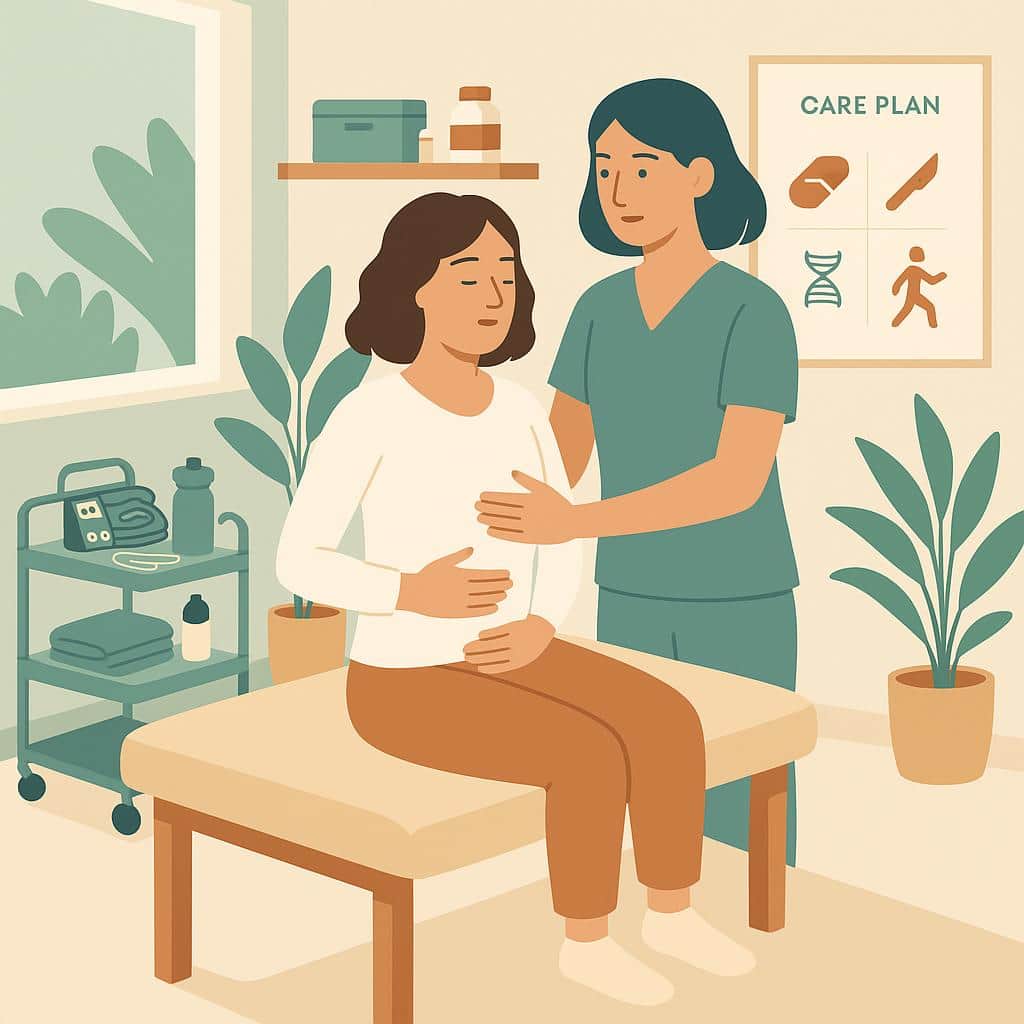
Supportive Therapies That Help Ease Endometriosis Pain
Endometriosis pain relief with supportive, integrative therapies: diagnosis, medical and hormonal care, surgery's role, nutrigenomic and epigenetic insights.
Experiencing Leg Pain / Sciatica?
If you're dealing with this symptom, our specialists can help determine if endometriosis may be the cause and discuss your treatment options.
Schedule a Consultation