

Deep Disease
What does bladder endometriosis surgery involve and how is recovery?
The short answer
Bladder endometriosis surgery may involve shaving a lesion off the bladder surface or removing a small segment of bladder wall and repairing it. Recovery typically includes a temporary urinary catheter for several days, and early urinary symptoms usually improve as healing progresses.
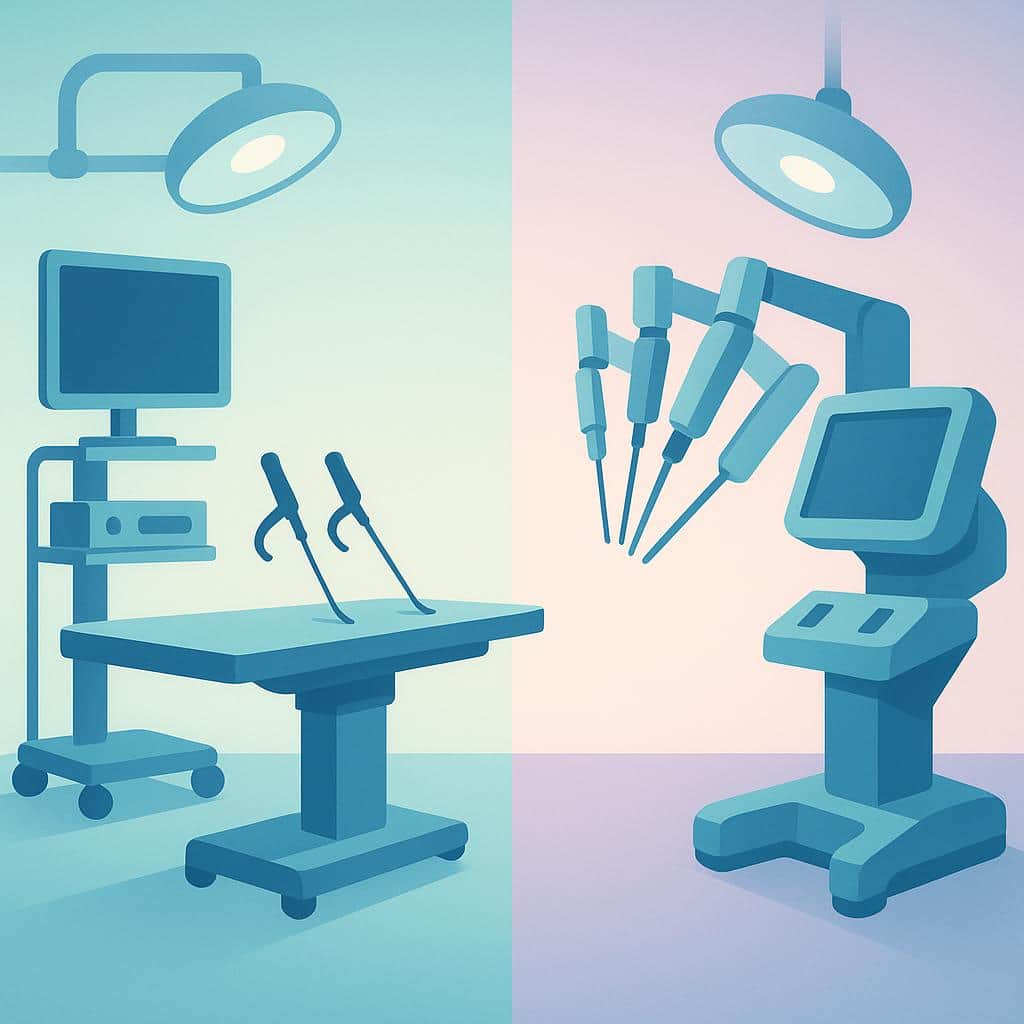
Most bladder endometriosis procedures are done laparoscopically or with robotic assistance, with the goal of completely excising the endometriosis while protecting bladder function. Depending on how deep the disease goes, surgery may involve shaving the lesion off the bladder surface or removing a small segment of bladder wall (partial cystectomy) and repairing it. Our team often coordinates care with a urologist when the bladder or ureters are involved.
Recovery typically includes a temporary urinary catheter for several days so the bladder repair can heal without strain. We’ll give you clear guidance on activity, pain control, and when you can return to work and exercise. It’s common to have urinary urgency, frequency, or mild burning early on as tissues recover, but these symptoms usually improve as healing progresses. Complete excision generally offers better long-term symptom control than incomplete treatment, and we’ll help you understand what to expect based on your imaging, symptoms, and surgical findings. Reach out to schedule a consultation if you’d like a personalized plan.
Where to go from here
Understand it, compare it with what you're feeling, then talk it through with us.
Compare
Symptoms it can relate to
Speak with Us
Ready for Bladder Endometriosis Surgery?
Our specialists use advanced techniques to safely remove endometriosis while preserving bladder function. We coordinate closely with urologists to ensure the best care and support your recovery journey.
Questions people ask next
All deep disease questionsWill I need a catheter after bladder endometriosis surgery?
Often, yes, at least briefly, but it depends on what is needed to fully remove the bladder lesion. If surgery involves a full-thickness excision and bladder repair, a catheter is more commonly used to keep the bladder empty and protect healing.
Can endometriosis surgery injure the ureter or bladder?
Yes, ureter or bladder injury is a known but uncommon risk of endometriosis surgery, especially when disease is deep, scarred in, or involves the urinary tract. Careful planning and surgical technique help identify and protect these structures during surgery.
What treatments help bladder pain from endometriosis?
Many patients get relief from bladder pain related to endometriosis with hormonal suppression and a focused pain-management plan. Pelvic floor physical therapy can help, and excision surgery may be recommended when bladder or deep anterior endometriosis is suspected.
How do I get endometriosis surgery?
Getting endometriosis surgery usually starts with choosing a surgeon who can do complete excision. At our institute, a record-based informational consultation helps us determine whether surgery may be appropriate and what information is needed to plan safely.
Further reading
Bladder Endometriosis: Symptoms, Diagnosis, and Treatment Options
Learn about bladder endometriosis, its symptoms, diagnosis, and treatment options. Understand the complexities to find effective pain management solutions.
Life Beyond Endometriosis Surgery: Recovery & Well-Being
Your guide to endometriosis surgery recovery: healing tips, nutrition, mental health support, recurrence prevention, and planning for long-term wellness.
Conventional Laparoscopy vs Robotic Surgery for Endometriosis and Adenomyosis: What Patients Need to Know
Comparing safety, effectiveness, and recovery: a patient-friendly overview of different surgery approaches and what they can mean for your treatment.