


Endometriosis Surgery Guide: From First Decisions to Lasting Results
From deciding if surgery is right to recovery and recurrence prevention, this series helps you navigate every step of your endometriosis surgical journey.

Endometriosis and adenomyosis surgery can be life-changing—but only when the right operation is done for the right reasons by the right team. You’ll learn how to decide whether excision surgery fits your symptoms, goals, and prior treatment history, and what “excision” versus “ablation” actually means for pain relief, fertility, and long-term outcomes.
You’ll also understand how to choose a surgeon based on skill and approach—not marketing—what a realistic pre-op to recovery timeline looks like when disease may involve ovaries, bowel, bladder, or pelvic nerves, and how to reduce the chances of symptoms returning. Getting clear on these fundamentals helps you ask better questions, avoid preventable repeat procedures, and move forward with a plan you can trust.
Posts in This Series (6)
Deciding If Excision Surgery Is Right for You

Surgery may or may not be needed with suspected endometriosis or adenomyosis. The decision depends on symptoms, goals (including fertility), what you’ve already tried, and how confident the presumptive diagnosis is. Imaging and blood tests cannot definitively rule endometriosis in or out; for endometriosis, laparoscopy with excision remains the diagnostic and treatment gold standard. Adenomyosis is even harder to confirm without pathology, often only available after hysterectomy. But there are still options depending on imaging findings.
Excision is more urgently indicated when disease is deep, fibrotic, or distorting anatomy—especially involving bowel, bladder, or ureters—because hormones may reduce inflammation but can’t reliably eliminate lesions or correct mechanical problems.
- Bowel narrowing or severe tethering
- Hydronephrosis or ureteral obstruction risk
- Obstructed fallopian tubes or organ dysfunction
Excision vs. Ablation: What Those Words Mean for You

Excision surgery removes endometriosis by cutting lesions out and typically sending tissue to pathology; it can treat deeper disease more completely when performed by an experienced specialist. Ablation destroys the surface of a lesion using energy (heat/laser), but can leave deeper tissue behind—especially when disease extends below the surface.
The safest surgical plan depends on disease type and location, symptom severity, and fertility goals—while protecting ovarian reserve and avoiding unnecessary procedures.
- Ask whether disease is suspected to be superficial vs. deep based on exam and/or imaging
- Ask how completeness of treatment will be assessed
- Ask how your ovaries and fertility will be protected
Choosing a Surgeon You Can Trust
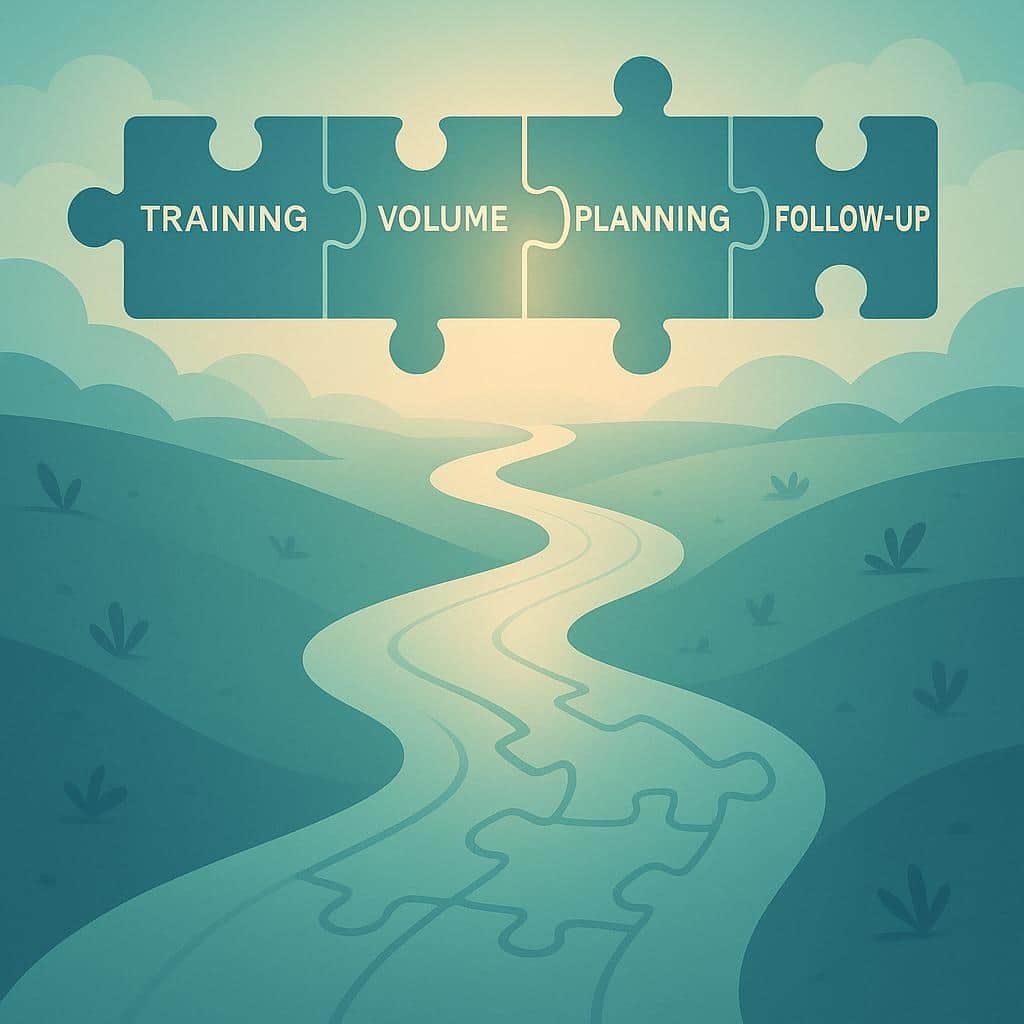
Search rankings and popularity or fame don’t measure surgical skill. For endometriosis and adenomyosis, outcomes depend on how well the surgeon's skill matches your specific disease pattern, symptoms, and goals—not on who is most visible online. Even MIGS training does not predict endometriosis expertise, because the fellowships differ in scope and depth. Advanced training is important and current experience is critical.
Prioritize factors that reliably shape results:
- Current focus and experience over training background: advanced, ongoing experience with excision of complex disease (bowel, bladder, ureters, diaphragm) and adenomyosis strategy when relevant; not just high volume simple cases
- Case volume and complexity: frequent management of difficult cases, not occasional endometriosis surgery
- Planning and team support: clear pre-op mapping, appropriate imaging, and access to multidisciplinary surgeons when needed
- Follow-up and coordination: structured recovery plan, pain management, pathology review, and long-term prevention strategy
The Step-By-Step Surgical Timeline

Endometriosis surgery (often alongside adenomyosis) isn’t one standard procedure—your plan depends on where disease is suspected (ovaries, bowel/rectovaginal space, bladder), how extensive it is, and whether your goals are pain relief, fertility, or both. Imaging guides planning more than diagnosis, and it’s common for surgery to reveal more disease than scans suggested. So, your surgeon should expect the unexpected.
Before surgery, expect mapping with transvaginal ultrasound and/or MRI. For rectosigmoid (bowel) deep infiltrating endometriosis, both can be highly accurate in experienced hands, while MRI is often more sensitive for harder-to-see areas like uterosacral ligaments and anterior/bladder disease. Staging terms (rASRM, AAGL2021, #Enzian) mainly help predict complexity—higher stages often mean longer operative times and a greater need for a coordinated surgical team.
Keeping Symptoms From Returning After Surgery

Endometriosis can recur months to years after surgery, even when excision is technically excellent. “Recurrence” can mean pain or bleeding returning, disease reappearing on ultrasound/MRI, a lesion at a prior surgical site, or an ovarian endometrioma coming back—each has different implications. Risk varies with disease severity, lesion location, possible coexisting adenomyosis, and what you do after recovery.
Plan in years, not weeks:
- Build structured follow-up (and periodic imaging when endometriomas are a concern)
- Use ongoing medical suppression when appropriate to reduce stimulation of residual cells; there is a range of options
- Track early warning signs (cycle-linked pelvic pain, heavy bleeding, bowel/bladder pain) and reassess before symptoms escalate
When Pain Persists After Surgery

Surgery can "fail" in more than one way—and the cause determines what to do next. A surgical complication (like a bowel or ureteral injury) is different from persistent pain caused by incomplete removal, which is different from symptoms driven by a co-existing condition like adenomyosis or central sensitization that endometriosis surgery alone was never going to fix. Understanding which type of failure you're dealing with changes everything about your next step.
Research consistently shows that surgeon experience is one of the strongest predictors of whether surgery succeeds or fails. In a population study of over 83,000 patients, high-volume endometriosis surgeons had significantly lower complication rates and nearly half the reoperation rate compared to low-volume surgeons—yet 80% of patients had surgery with a low-volume surgeon. When surgery hasn't worked, a structured second opinion, operative report review, and honest reassessment of what's actually causing symptoms can open a path forward.
- Distinguish surgical complications from incomplete excision, misattributed pain, and true recurrence—each has different causes and different solutions
- Understand how surgeon volume, technique matching, and disease visibility limitations contribute to failure, backed by large-scale outcome data
- Know when to seek a specialist second opinion, when redo surgery makes sense, and when non-surgical evaluation (pelvic floor, central sensitization, imaging reassessment) is the better next move
Endometriosis and adenomyosis surgery can be life-changing—but only when it’s approached with precision, planning, and a team that takes your symptoms seriously. Your decisions should be based on clear options, honest expectations, and a strategy built around your body and your goals—not rushed decisions or one-size-fits-all care.
Think long-term: the right operation is the one that is thorough, appropriately tailored, and supported by a recovery and follow-up plan that protects your quality of life. Ask for specifics. Get clarity. Advocate for the outcome you want.
Get Excision Surgery Right the First Time
If you’re weighing excision vs. ablation, wondering whether surgery is the next step, or trying to choose a surgeon you can trust, you don’t have to decide alone. Our endometriosis and adenomyosis specialists can review your symptoms and goals (including fertility), and craft a personalized plan.
Schedule A Consultation