
Pain During Intercourse
Deep pain during or after sex (dyspareunia) is a common, real symptom in people with endometriosis and can also occur with adenomyosis. It often reflects irritation or pulling of sensitive pelvic tissues—and it deserves evaluation and treatment, not dismissal.
Overview
Pain during intercourse can look different from person to person, but “deep” dyspareunia typically means pain felt inside the pelvis with deeper penetration and/or a lingering ache, cramping, or stabbing pain afterward. For many, it’s cyclical (worse around ovulation or the days leading up to a period), but it can also be present anytime. This symptom is especially common in pelvic pain conditions like endometriosis, and it may also occur in adenomyosis, particularly when uterine tenderness and pelvic floor guarding are involved.
With endometriosis, deep sex pain often relates to disease on or near structures that move or stretch with arousal and penetration—such as the uterosacral ligaments (behind the uterus), the pouch of Douglas (space behind the uterus), the rectovaginal septum, ovaries, pelvic sidewall, and sometimes the bladder or bowel. Endometriosis lesions can cause inflammation, fibrosis (scar-like tissue), and adhesions that tether organs together; when these tissues are moved, pulled, or pressed, pain can be triggered.
With adenomyosis, pain during or after sex is often driven by a tender, inflamed uterus and increased uterine muscle irritability—sometimes described as “uterine cramping” after intercourse. Adenomyosis also commonly co-occurs with endometriosis, so dyspareunia may reflect one condition, the other, or both. Learning about each condition—and how they overlap—can help you advocate for a more complete workup: see endometriosis and adenomyosis.
It’s also important to know that deep dyspareunia can overlap with other issues (like pelvic floor muscle spasm, vaginismus, vulvodynia, infections, vaginal dryness/low estrogen, fibroids, or bladder pain syndrome). What makes endometriosis/adenomyosis-related pain more likely is a pattern of other pelvic symptoms (painful periods, bowel/bladder symptoms, infertility, chronic pelvic pain) and a history of symptoms that persist despite “normal” routine testing. A specialist-led approach through Evaluation & Diagnosis can help clarify the true drivers.
Beyond the physical pain, dyspareunia can affect relationships, self-esteem, body trust, and mental health. Many people start avoiding intimacy or feel anxious anticipating pain, which can tighten pelvic floor muscles and worsen symptoms—creating a frustrating loop. You are not “overreacting”; sex should not routinely hurt, and effective treatment is possible.
What It Feels Like
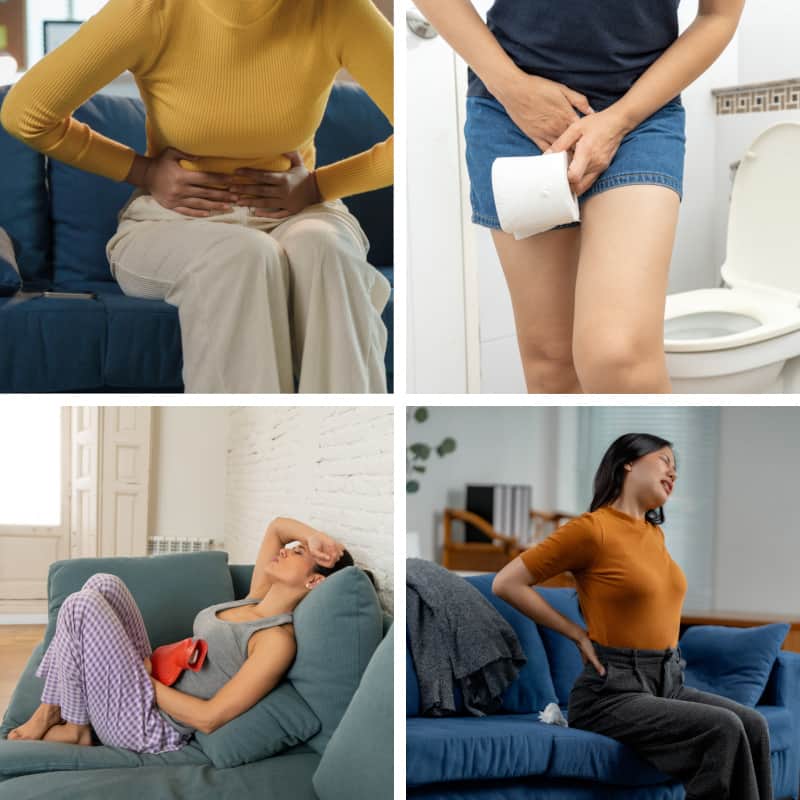
People often describe deep dyspareunia as a sharp, stabbing, or “hitting a sore spot” pain during penetration, or a deep ache/pressure low in the pelvis. Some feel it on one side (for example, near an ovary/endometrioma), while others feel it centrally “behind the uterus.” A common pattern is pain that builds during sex and then turns into cramping, burning, or throbbing afterward—sometimes lasting hours or even into the next day.
The experience can vary widely. Some people have pain only in certain positions, with deeper penetration, or around specific cycle times; others feel pain regardless of position. Orgasms can also trigger pelvic contractions that provoke pain, especially when pelvic tissues are inflamed or the pelvic floor is guarding. If pelvic floor dysfunction is involved, pain may also be felt as tightness, spasm, or a “locked” sensation, sometimes with urinary urgency or rectal pressure.
For many with endometriosis, symptoms intensify around ovulation and the premenstrual week, when inflammation and pelvic sensitivity may rise. With adenomyosis, pain may feel more uterine and cramp-like, especially after sex, and may occur alongside heavy bleeding or pelvic “fullness.” Over time, repeated painful experiences can lead to central sensitization (an over-protective nervous system), meaning pain may occur more easily and last longer even after the original trigger stops.
How Common Is It?
Pain during sex is common in endometriosis, especially in people with deep infiltrating endometriosis involving the tissues behind the uterus or near the bowel. Studies vary, but many report dyspareunia in a substantial portion of patients—often around half or more in specialty populations. Because diagnosis can take 7–10 years, many people live with this symptom for a long time before getting clear answers.
In adenomyosis, pain with intercourse is also reported, but research suggests it is most likely when adenomyosis is moderate-to-severe, when the uterus is especially tender, or when adenomyosis coexists with endometriosis (which is common). In real life, symptoms don’t always neatly separate—so a thorough evaluation for both conditions is often needed.
Importantly, dyspareunia does not reliably match “stage” of endometriosis. Someone can have severe sex pain with minimal visible disease, and others with extensive disease may have little or none. Location (especially disease behind the uterus, near nerves, or involving adhesions) and pain processing in the nervous system often matter more than stage alone.
Causes & Contributing Factors
In endometriosis, deep dyspareunia is typically driven by a combination of inflammation, scarring, and traction. Endometrial-like tissue outside the uterus can trigger ongoing immune activation and inflammatory chemicals that sensitize nerves. Over time, adhesions may tether the uterus, ovaries, bowel, or pelvic sidewall—so movement during intercourse can tug on irritated tissues and create sharp or pulling pain.
Nerve involvement can also play a role. Endometriosis can irritate nearby nerves or contribute to a “wound-up” pain system (peripheral and central sensitization). This can make normal pressure feel painful and can explain why symptoms sometimes persist even when imaging looks normal.
In adenomyosis, endometrial tissue within the uterine muscle can cause the uterus to become boggy, enlarged, and tender, with heightened uterine cramping. Intercourse may stimulate uterine contractions or compress a tender uterus, leading to deep pelvic pain or post-sex cramping.
A major amplifier for both conditions is pelvic floor dysfunction. When pain is anticipated or repeated, pelvic floor muscles may tighten protectively, reducing blood flow and increasing sensitivity. This can create additional pain with penetration and can also trigger bladder/bowel symptoms. Addressing pelvic floor contributors alongside disease treatment often improves outcomes.
Treatment Options
Treatment depends on the cause(s)—and many people need a layered plan that addresses both the underlying disease and the pain system. A good first step is a specialist evaluation to assess for endometriosis, adenomyosis, pelvic floor dysfunction, and overlapping conditions; learn more about the process at Evaluation & Diagnosis and the range of Related Conditions.
Medical options may include hormonal suppression to reduce bleeding and inflammatory cycling (combined pills, progestins, IUD options, GnRH-based therapies in select cases). These can lessen symptoms for some people, though they don’t remove endometriosis lesions and may not be a fit if you’re trying to conceive. For pain relief, evidence-based strategies may involve anti-inflammatories, neuropathic pain medications when nerve sensitization is prominent, and flare planning—see Pain Management and Hormonal Therapy.
Surgical treatment is an important consideration when deep dyspareunia is persistent, severe, or linked to suspected deep disease, endometriomas, adhesions, or organ involvement. For endometriosis, excision surgery (removing lesions at the root, rather than burning the surface) is considered the gold standard in experienced hands. Learn more about advanced approaches at Surgery & Advanced Excision and about the surgeon’s expertise at Dr. Steven Vasilev. For adenomyosis, treatment may range from medication to uterus-sparing approaches in select cases, and for those done with childbearing, hysterectomy can be definitive—see adenomyosis.
Pelvic floor physical therapy is often a game-changer for sex pain—especially when tight, overactive muscles and trigger points are present. Therapy can focus on relaxation, down-training, breathing mechanics, manual techniques, and graded exposure to reduce fear/pain cycles. You can explore related education in our Pelvic Floor PT and Pelvic Floor Dysfunction resources.
Lifestyle and supportive care can help lower overall sensitivity and improve comfort: using lubrication, trying positions that limit depth, scheduling intimacy away from peak-symptom cycle days, heat, gentle movement, and mind-body approaches to calm the nervous system. Many patients also benefit from integrative strategies (nutrition, sleep support, stress regulation, acupuncture) alongside medical/surgical care—see Integrative Medicine & Lifestyle Care. If you’d like a personalized plan, you can learn about our services.
When to Seek Help
Seek urgent care immediately if pain during or after sex is accompanied by fever, fainting, severe one-sided pain, shoulder pain with dizziness, heavy bleeding soaking pads, or sudden vomiting—or if you think you may be pregnant and have sharp pelvic pain (to rule out emergencies like ectopic pregnancy). Also seek prompt evaluation for symptoms of infection (new foul-smelling discharge, burning, fever) or if you’ve experienced sexual trauma and need immediate support.
Schedule a specialist appointment if deep dyspareunia is recurring, worsening, associated with painful periods, pelvic pain, bowel/bladder pain, infertility, or if it is affecting your relationship or mental wellbeing. Because endometriosis often takes years to diagnose, earlier evaluation can prevent prolonged suffering and help protect fertility and quality of life. Our team can guide next steps through comprehensive assessment—start with Evaluation & Diagnosis.
To make the visit more productive, tell your clinician: where the pain is felt (deep vs entry), when it happens (during, after, cycle timing), which positions trigger it, and what other symptoms occur (bowel/bladder changes, bleeding, fatigue). If you’re ready for expert help in Los Angeles area or beyond (including telehealth when appropriate), you can schedule a consultation with Lotus Endometriosis Institute.
Frequently Asked Questions
Which adenomyosis symptoms most affect daily life?
Adenomyosis symptoms that most disrupt quality of life usually come from two main issues: how the uterus bleeds and how it hurts. Many patients describe heavy or prolonged periods that interfere with work, school, travel, and sleep—sometimes with flooding, frequent pad/tampon changes, and fatigue that can follow significant blood loss. Severe period pain (often more than “normal cramps”) is also common, and it can feel deep, aching, or pressure-like, sometimes accompanied by an enlarged, tender uterus and a sense of pelvic heaviness or bloating.
Outside of the period itself, adenomyosis can contribute to chronic pelvic pain, pain with sex for some people, and bowel or bladder discomfort—especially when symptoms flare around the menstrual cycle. It can also overlap with endometriosis, and when both are present symptoms may intensify or become harder to tease apart. If your day-to-day life is being shaped by bleeding, pain, pressure, or fertility stress, our team can help you sort out whether adenomyosis, endometriosis, fibroids, or more than one condition may be driving the pattern—and what next-step options make sense for your goals.
Can endometriosis cause infertility and pelvic pain in your 20s?
Yes. Endometriosis can absolutely show up in your late 20s and it can be a driver of both chronic pelvic pain and fertility challenges. Pain can include severe or worsening period cramps, pain with sex, bowel or bladder pain, and “flare” patterns that track with your cycle—although symptom severity doesn’t always match how much disease is present.
Endometriosis can affect fertility in several ways, including adhesions that distort tubo‑ovarian anatomy, inflammation and immune signaling that interferes with fertilization or embryo development, and ovarian factors—especially when endometriomas are involved. For some patients, the uterine environment also matters, particularly when adenomyosis is present alongside endometriosis. In our practice, we focus on listening to your full symptom and fertility story and then building an evaluation that looks for endometriosis while also checking for common look‑alikes or coexisting issues, so we can tailor a plan to your goals—whether that’s pain relief, preserving fertility, or both.
What is deep infiltrating endometriosis (DIE) and how is it treated?
Deep infiltrating endometriosis (DIE) is endometriosis that grows deeper into tissue—often described as more than ~5 mm below the surface—and it commonly involves structures like the uterosacral ligaments, rectovaginal space, bowel, bladder, or ureters. Because it can inflame, scar, tether, or even narrow/obstruct nearby organs, DIE may show up as “non-gynecologic” symptoms such as bowel or urinary pain, painful sex, nerve-type pelvic pain, or symptoms that don’t match a routine pelvic exam.
Treatment depends on where the disease is and what it’s affecting, but DIE is the subtype most likely to require specialized surgical planning. When surgery is appropriate, meticulous excision (removing disease at its roots rather than burning the surface) is the gold-standard approach for durable symptom relief and for addressing organ involvement; in complex cases this can include careful work around the bowel, bladder, and ureters. Our team focuses on advanced, precision excision (often using robotic technology) with a tailored plan that prioritizes safety, completeness, and your goals—whether that’s pain relief, fertility, or protecting organ function.
Because DIE can be missed on basic exams and even “normal” imaging, evaluation often requires a higher index of suspicion and the right strategy for mapping disease before any procedure. If DIE sounds like it could explain your symptoms, explore our detailed resources on deep disease and excision, or reach out to schedule a consultation so we can review your history, imaging, and next steps together.
Why does sex hurt more around my period?
Pain with sex that flares around your period often points to a hormonally driven pelvic pain source—meaning tissue and nerves in the pelvis become more inflamed and reactive in the days leading up to bleeding and during menstruation. Endometriosis is a common reason: lesions can irritate nearby nerves and organs, and the inflammatory chemicals they produce can amplify pain signals. Adenomyosis (endometrial-like tissue within the uterine muscle) can also make the uterus unusually tender and crampy, so penetration, orgasm-related uterine contractions, or even pelvic pressure can feel painful around that time.
The “where” and “when” of the pain matters. Deep pain with penetration can be related to endometriosis near the uterosacral ligaments, cervix/vaginal fornix, rectovaginal space, bowel, or bladder—especially if scarring or adhesions have altered how those structures move. Pain after sex or after orgasm can happen when pelvic floor muscles spasm or when uterine contractions tug on sensitized areas. If this pattern is recurring, our team can help map your symptom timing and triggers and evaluate for endometriosis, adenomyosis, pelvic floor dysfunction, and overlapping bladder/bowel involvement so treatment targets the real driver of your pain rather than just masking it.
Why is my period pain so severe it disrupts my daily life?
Severe, life-disrupting period pain isn’t “normal cramps,” and it often points to an underlying driver that deserves a real explanation—not just symptom masking. One common cause is endometriosis, where tissue similar to the uterine lining grows outside the uterus and can irritate pelvic structures, trigger inflammatory chemicals, and sometimes involve organs like the bowel or bladder. Another key point is that pain severity doesn’t reliably match “stage,” so someone can have intense pain even if imaging looks normal or disease appears limited.
When period pain is severe, worsening over time, starts years after your first period, or comes with heavy bleeding, painful sex, bowel pain with periods, urinary pain, or fatigue, we think in patterns—because endometriosis and related conditions can overlap with pelvic floor dysfunction, nerve pain/central sensitization, GI dysbiosis, vascular issues, or adenomyosis. Our approach is to take your full timeline and flare pattern seriously and then tailor evaluation with careful exam and expertly interpreted imaging when helpful. If your pain is disrupting school, work, relationships, or daily functioning, reach out to schedule a consultation—our team can help you identify what’s driving it and map out a plan aimed at lasting relief.
How rare is endosalpingiosis?
Endosalpingiosis is generally considered uncommon, but “how rare” it is depends heavily on who’s being studied and how it’s found. Many cases are discovered incidentally on pathology—meaning tissue is identified under the microscope after surgery done for other reasons—so it’s likely underrecognized in the general population. In other settings (like surgical cohorts), it may appear more often simply because more tissue is being sampled and examined carefully.
What matters most for patients is that endosalpingiosis can be confused with endometriosis on imaging or even at surgery, yet it doesn’t always behave the same way clinically. If you’ve been told you have endosalpingiosis and you also have pelvic pain, bowel/bladder symptoms, or fertility concerns, our team can help interpret what that finding means in the context of your symptoms and operative/pathology reports. You’re welcome to explore our educational content on related endometriosis and uterine conditions, and reach out to schedule a consultation if you want a personalized plan.
What is pelvic dissection in endometriosis surgery?
Pelvic dissection in endometriosis surgery means carefully separating and opening tissue planes in the pelvis so we can clearly see normal anatomy and remove disease safely. Endometriosis can cause inflammation and scarring that “glues” organs together (sometimes called a frozen pelvis), so dissection is often the step where we free adhesions and restore normal relationships between the uterus, ovaries, bowel, bladder, and pelvic sidewalls.
In practical terms, pelvic dissection may include identifying and protecting critical structures like the ureters, bladder, bowel, blood vessels, and pelvic nerves before excising endometriosis at its roots. This is where surgical precision matters: the goal is to fully address disease while minimizing injury to healthy tissue, especially in complex or re-operative cases. If you’re seeing this term on an op note or surgical plan, it usually reflects the complexity of the anatomy and the deliberate work needed to make excision both complete and safe—our team can walk you through exactly what was dissected and why in your specific case.
What does a frozen pelvis mean with endometriosis?
A “frozen pelvis” isn’t a separate diagnosis—it’s a descriptive term surgeons use when the uterus is essentially stuck in place because endometriosis-related inflammation has caused dense scarring (adhesions). Instead of the uterus moving freely, it may be tethered to nearby structures like the bowel, bladder, ovaries, or pelvic sidewall, sometimes pulling the uterus into an abnormal position and making pelvic anatomy hard to distinguish. Thus some have also called it a "frozen uterus".
This finding often suggests more advanced disease, such as deep infiltrating endometriosis and/or significant adhesions from prior inflammation or surgery, and it can help explain symptoms like deep pelvic pain, painful sex, bowel or bladder symptoms, or pain that doesn’t match what a routine exam shows. In these cases, surgery is less about “burning spots” and more about carefully restoring normal anatomy—freeing organs, protecting ureters and bowel, and removing endometriosis at its roots. If you’ve been told your uterus is “frozen,” our team can help you understand what that implies for imaging, surgical planning, and which adjacent organs may need to be evaluated as part of a complete excision strategy.
Related Articles
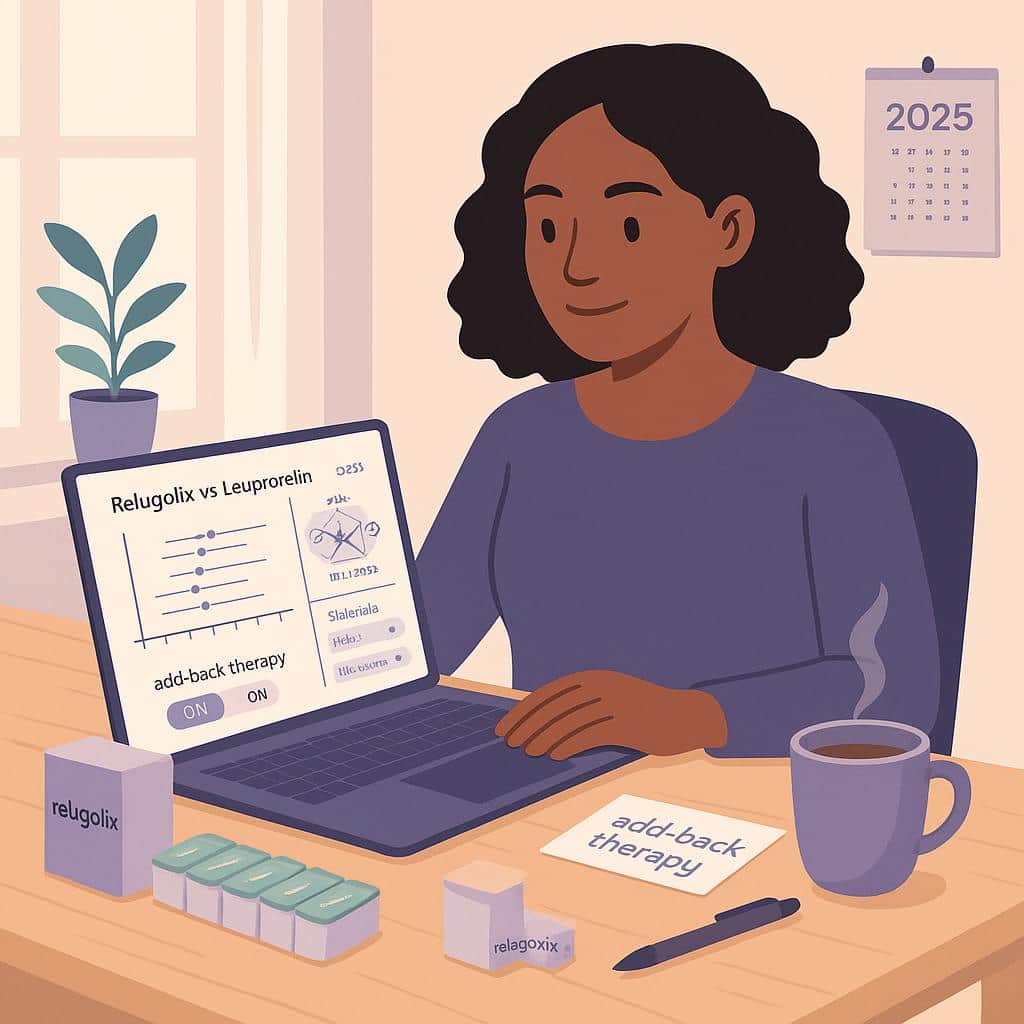
Relugolix for Endometriosis Pain: What a 2025 Meta-Analysis Says About Relief, Quality of Life, and Side Effects
2025 meta-analysis of relugolix for endometriosis: pain relief, QoL gains, side effects and add-back therapy, plus comparison with leuprorelin.
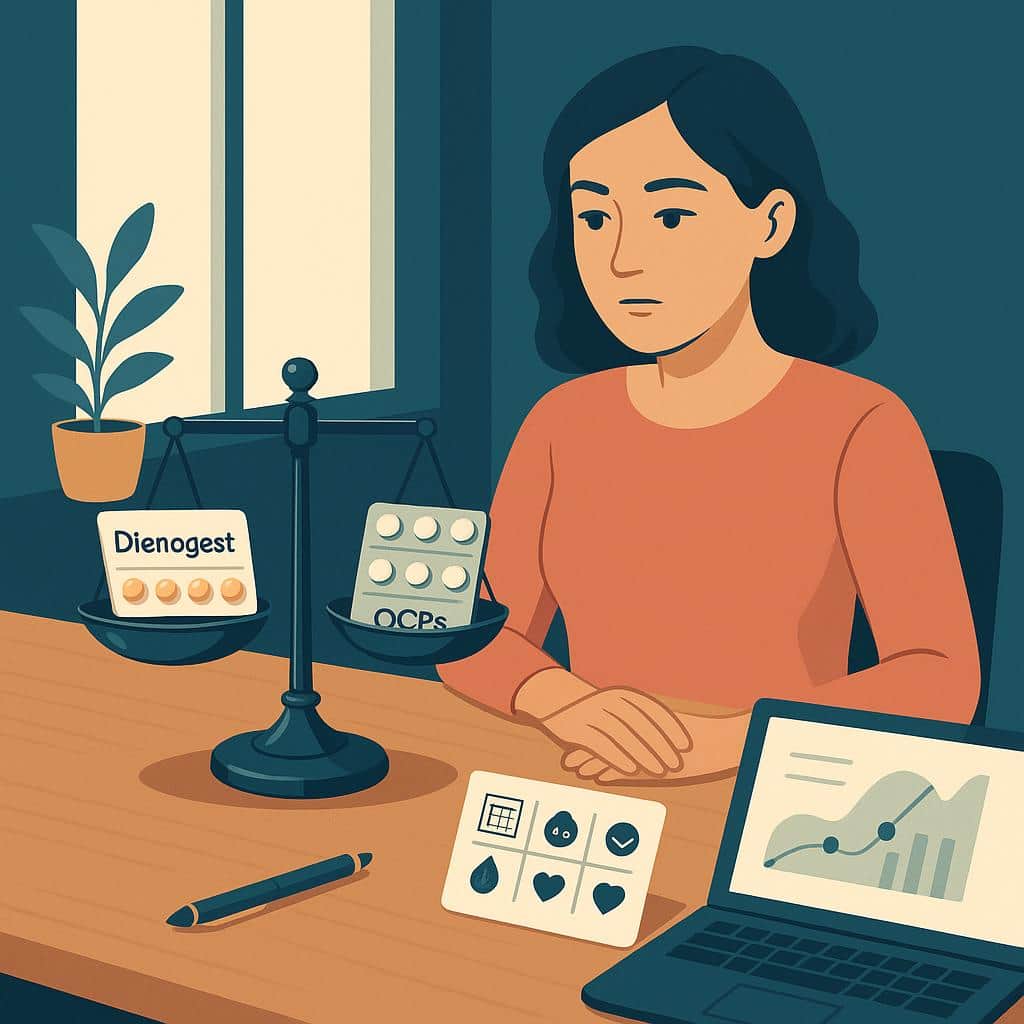
Dienogest vs. Combined Oral Contraceptives for Endometriosis Pain: What a 2025 Meta-Analysis Found
A 2025 meta-analysis of dienogest vs OCPs for endometriosis pain: dienogest helps generalized pain; OCPs help pelvic pain/dyspareunia. Similar side effects.
Different Types of Endometriosis Pain Explained
Explore types of endometriosis pain, evaluation, and evidence-based treatments, including triggers, pelvic floor therapy, CNS sensitization, and adenomyosis.

Endometriosis Ovulation Pain: Impact and Relief Tips
Learn what ovulation pain feels like with endometriosis, how long it lasts, common symptoms like nausea and mittelschmerz, and evidence-based coping strategies.
Supportive Therapies That Help Ease Endometriosis Pain
Endometriosis pain relief with supportive, integrative therapies: diagnosis, medical and hormonal care, surgery's role, nutrigenomic and epigenetic insights.
Experiencing Pain During Intercourse?
If you're dealing with this symptom, our specialists can help determine if endometriosis may be the cause and discuss your treatment options.
Schedule a Consultation