


Shoulder Pain
Shoulder pain—especially when it flares around your period—can be a sign of endometriosis affecting the diaphragm or tissues near the lungs. Because it can mimic musculoskeletal or heart/lung problems, persistent or cyclical shoulder pain deserves a thoughtful evaluation.
Overview
Shoulder pain isn’t usually the first symptom people associate with pelvic conditions, but in some patients it can be linked to endometriosis outside the pelvis, particularly on the diaphragm. This is often described as pain in the right shoulder (though it can be left-sided or both), and it may occur with chest discomfort, pain with deep breathing, or symptoms that follow a cyclical pattern. If you’re living with suspected or confirmed endometriosis, shoulder pain can be an important clue that disease may involve the upper abdomen.
In endometriosis, endometrial-like tissue can implant on or near the diaphragm. During the menstrual cycle, these implants may swell, bleed, and trigger inflammation—irritating the diaphragm and nearby nerves. The diaphragm shares nerve pathways with the shoulder (particularly via the phrenic nerve), so the brain can “interpret” diaphragmatic irritation as shoulder pain. This is called referred pain, and it can feel surprisingly intense even when the shoulder joint itself is normal.
Adenomyosis (tissue growing into the uterine muscle) doesn’t typically cause shoulder pain directly. However, adenomyosis often co-occurs with endometriosis, and people with adenomyosis may experience higher overall inflammatory burden, heavier bleeding, and more frequent pain flares. In real life, that overlap can make it hard to separate what’s driving symptoms without a specialized evaluation.
Because shoulder pain is common in the general population, it’s easy for cyclical, endometriosis-related shoulder pain to be mistaken for a rotator cuff injury, pinched nerve, gallbladder issues, reflux, anxiety, or even “sleeping wrong.” The key differentiator many patients notice is timing (worse before/during periods or ovulation), recurrence, and association with other symptoms like pelvic pain, bloating, fatigue, or chest pain. If you suspect diaphragmatic involvement, exploring resources in our Diaphragmatic Endometriosis category can help you recognize patterns and prepare for next steps.
What It Feels Like
People often describe endometriosis-related shoulder pain as a deep ache, pressure, or stabbing sensation near the top of the shoulder, under the collarbone, or along the shoulder blade. Some feel it as a sharp pain when taking a deep breath, stretching tall, coughing, or laughing. Others notice a constant soreness that doesn’t behave like a typical muscle strain and doesn’t improve much with massage or rest.
A common theme is cyclicity: it may start a day or two before bleeding, peak during the first days of the period, and then ease—only to return the next cycle. Some patients also experience shoulder pain around ovulation, especially if they have broader inflammatory flares. If disease involves the diaphragm or nearby lining tissue, the pain can be paired with Chest Pain or even Shortness of Breath, which can be frightening.
Experiences vary widely. Some people have occasional mild twinges; others have disabling pain that interrupts sleep, work, exercise, or driving. Over time, symptoms can become more frequent or less clearly cyclical—especially when inflammation and nerves become sensitized—so keeping a symptom diary can be helpful when you go in for evaluation.
How Common Is It?
Shoulder pain is not among the most common endometriosis symptoms overall, but it is a recognized hallmark symptom when endometriosis affects the diaphragm or upper abdomen. Diaphragmatic endometriosis is considered less common than pelvic disease, and it’s also underdiagnosed because symptoms can mimic orthopedic or gastrointestinal issues and imaging may miss superficial lesions.
Research estimates vary widely depending on the population studied and how thoroughly the diaphragm is evaluated during surgery. Importantly, symptom presence doesn’t always match what’s seen on imaging—and the absence of findings on scans does not reliably rule it out. When shoulder pain is cyclical and paired with pelvic symptoms, the likelihood of endometriosis involvement increases, even if overall “stage” of endometriosis is not severe.
Adenomyosis alone isn’t strongly associated with shoulder pain, but because adenomyosis frequently coexists with endometriosis, patients diagnosed with adenomyosis who also have cyclical shoulder/chest pain may warrant assessment for extra-pelvic endometriosis as well.
Causes & Contributing Factors
In endometriosis, the most endometriosis-specific cause of shoulder pain is diaphragmatic irritation with referred pain. Endometrial-like implants can trigger local inflammation and scarring on the diaphragm. The diaphragm is innervated by the phrenic nerve (C3–C5), and irritation there can be felt as pain in the shoulder—often on the right side.
Inflammation also matters. Endometriosis is associated with inflammatory signaling molecules that can sensitize nerves and amplify pain. Over time, this may contribute to heightened pain responses (sometimes called “central sensitization”), where pain becomes easier to trigger and slower to settle.
In adenomyosis, the uterus becomes inflamed and can generate significant pelvic pain, heavy bleeding, and cramping. While adenomyosis doesn’t typically refer pain to the shoulder, living with persistent pelvic pain can increase overall muscle tension (neck/upper back guarding) and make seemingly “separate” pain problems worse. That’s why comprehensive evaluation often looks at both gynecologic causes and musculoskeletal/nerve contributors.
Other factors can influence symptoms: posture changes during pain flares, reduced diaphragmatic movement from guarding, constipation/bloating pushing upward, and stress-related muscle tightening can all magnify shoulder discomfort. This is also why a multidisciplinary plan—rather than a single treatment—often helps most.
Treatment Options
Treatment depends on whether the shoulder pain is coming from diaphragmatic endometriosis, pelvic disease with referred/nerve pain, coexisting adenomyosis, or a non-gynecologic shoulder/chest condition. A first step is a thorough history (especially cycle timing) and targeted evaluation through a specialist experienced in complex endometriosis. Learn what that process can look like on our Evaluation & Diagnosis page.
Medical therapy may reduce cyclic flares by suppressing ovulation and menstruation. Options can include continuous combined hormonal contraceptives, progestin therapy, or other hormonal approaches discussed in our Hormonal Therapy resource. For symptom control, individualized plans from Pain Management can include anti-inflammatories, neuropathic pain medications when appropriate, and strategies to calm sensitized nerves.
When diaphragmatic endometriosis is suspected and symptoms are significant—or when quality of life is being impacted—surgical treatment may be considered. In expert hands, minimally invasive excision surgery is widely considered the gold standard approach for removing endometriosis lesions, especially deep or complex disease. Lotus Endometriosis Institute specializes in advanced, minimally invasive techniques—see Surgery & Advanced Excision and learn more about Dr. Steven Vasilev. Diaphragm disease may require careful mapping and a surgeon experienced with upper-abdominal endometriosis.
For adenomyosis-driven symptoms (heavy bleeding and uterine pain), treatments may include hormonal suppression, non-hormonal medications for bleeding/pain, and—depending on fertility goals—uterus-sparing or definitive options. You can explore the range on our adenomyosis page.
Supportive care can matter too: gentle breathing exercises, heat, pacing, and anti-inflammatory lifestyle support may reduce flare intensity. Pelvic floor physical therapy can be helpful when the nervous system is “on high alert,” and integrative approaches such as acupuncture, nutrition support, and mind-body techniques can complement medical/surgical care—see Integrative Medicine & Lifestyle Care and our Pain Relief resources. The goal isn’t to make you “cope” with severe pain—it’s to reduce suffering while treating root causes.
When to Seek Help
Seek urgent medical care right away if shoulder pain occurs with red-flag symptoms such as severe chest pressure, fainting, sudden shortness of breath, coughing blood, new one-sided weakness/numbness, fever with worsening pain, or pain after an injury. These can signal heart, lung, or vascular problems that must be ruled out promptly.
Schedule a specialist evaluation if your shoulder pain is recurrent, cyclical (worse around periods/ovulation), paired with pelvic symptoms, or not improving with standard musculoskeletal care. It can help to bring a symptom timeline: when it starts in your cycle, what makes it worse (deep breaths, lying down), and whether it comes with Chest Pain or Shortness of Breath. If you feel dismissed, it’s appropriate to advocate for yourself—upper-abdominal endometriosis is real and can be missed.
If you suspect diaphragmatic endometriosis or complex endometriosis/adenomyosis, we’re here to help you get clarity and a plan. You can schedule a consultation to discuss symptoms, diagnostic options, and whether advanced excision may be appropriate.
Frequently Asked Questions
Can endometriosis spread to the brain?
Yes—endometriosis can occur outside the pelvis, and it has been reported in distant parts of the body. That said, brain involvement is extremely rare compared with pelvic disease or even other extra‑pelvic locations like the diaphragm and chest.
When people worry about “endo in the brain,” it’s often because they’re experiencing neurologic symptoms (headaches, nerve-type pain, numbness/weakness) that seem to flare with their cycle. Sometimes those symptoms are related to endometriosis affecting nerves or areas higher in the abdomen/chest rather than the brain itself, and the cyclical timing can be an important clue. If you have unusual symptoms that track with menstruation, our team can help you think through the full-body picture, determine what’s most likely, and map out next steps for accurate diagnosis and treatment—including minimally invasive excision when appropriate.
Can a ruptured ovarian cyst cause severe pelvic pain?
Yes. A ruptured ovarian cyst can cause sudden, severe pelvic pain—often sharp and one-sided—and it may be intense enough to feel alarming, especially if there’s internal bleeding or irritation of the lining of the pelvis. Some people also notice nausea, shoulder-tip pain, dizziness, or pain that worsens with movement, while others have a milder ache that fades over hours to days.
Because pelvic pain has many look-alikes and coexisting causes (including endometriosis, adenomyosis, ovarian/paraovarian cysts, torsion, bladder pain, or pelvic floor spasm), what matters is the pattern of your symptoms, your exam, and correctly interpreted imaging like ultrasound or MRI when appropriate. Our team focuses on sorting out whether a cyst rupture is the whole story—or one piece of a bigger picture—so you’re not stuck treating the wrong problem. If you’re having severe pain, recurrent “cyst” episodes, or pain that tracks with your cycle, reach out to schedule an evaluation so we can pinpoint the driver and map out next steps.
Why is diaphragmatic endometriosis often found only during surgery?
Diaphragmatic endometriosis is frequently missed before surgery because it sits outside the “typical” pelvic areas most exams and standard imaging focus on. Even high-quality ultrasound or MRI isn’t a simple yes/no detector—some lesions are small, superficial, or positioned in a way that makes them hard to visualize, and some people have little to no diaphragm-specific symptoms. When symptoms do happen, they’re often mistaken for non-gynecologic issues unless the timing is clearly cyclical (for example, right upper abdominal, chest, or shoulder-tip pain that flares around periods).
Surgery is often when it’s finally identified because minimally invasive laparoscopy/robotic surgery allows direct inspection of the diaphragm, which can reveal implants that scans and routine pelvic evaluation don’t “map.” This is also why surgical planning matters: diaphragm excision requires specific skill and careful decision-making, since the diaphragm is thin and disease can, in rarer cases, extend toward the chest. If your diaphragm endometriosis wasn’t recognized until surgery, it doesn’t mean it wasn’t real earlier—it usually reflects the limits of pre-op testing and how easily this location can be overlooked. If you’re still having cyclical chest/shoulder/rib pain or breathing-related flares, our team can help review your history, imaging, and operative findings and plan next steps with the right expertise in place.
Can endometriosis cause breathing problems?
Yes—endometriosis can cause breathing-related symptoms in a small subset of patients when disease involves the diaphragm, the lining around the lungs, or (more rarely) the lungs themselves. This is often discussed under the umbrella of thoracic endometriosis syndrome, and it can show up as shortness of breath, chest tightness or pain, shoulder pain, or even a recurrent collapsed lung. A major clue is timing: symptoms that reliably flare just before or during your period are more suspicious for endometriosis-related chest involvement than symptoms that are random.
Because imaging doesn’t always clearly “show” thoracic or diaphragmatic endometriosis, diagnosis often depends on your symptom pattern plus a careful whole-body evaluation and, in some cases, minimally invasive surgery to confirm and treat disease. If you’re noticing cyclical chest or breathing symptoms—especially if you also have pelvic pain, heavy bleeding, bowel/bladder symptoms, or infertility—our team can help connect the dots, coordinate appropriate workup, and discuss treatment options that may include targeted hormonal suppression and/or planned excision with the right surgical team (including thoracic expertise when needed).
How common is extra-pelvic endometriosis?
Extra-pelvic endometriosis is uncommon overall. In the vast majority of people, endometriosis is confined to the pelvis (ovaries, pelvic peritoneum, bladder/ureters, rectum), and when it extends beyond that, it more often shows up higher in the abdomen—such as on the bowel or diaphragm—rather than far outside the abdomen.
Truly distant “extra-pelvic” disease (for example, inside the chest cavity or lungs—often grouped under thoracic endometriosis syndrome) is considered rare, even though it’s the most common of the rare extra-pelvic presentations. Because these cases can be overlooked, the pattern matters: symptoms that reliably flare with your cycle—like right-sided upper abdominal/shoulder/chest pain, shortness of breath, or recurrent lung collapse around menstruation—can be a clue that endometriosis may not be limited to the pelvis. If this sounds familiar, our team can help you think through your symptom pattern and plan the right evaluation and surgical strategy, including inspecting areas like the diaphragm when it’s appropriate.
Why do I get shoulder pain during my period?
Shoulder pain that predictably shows up around your period can be a “referred pain” pattern—meaning irritation somewhere else is felt in the shoulder. One important (and often overlooked) explanation is endometriosis on or near the diaphragm, the muscle that separates your abdomen from your chest. When endometriosis involves the diaphragm, symptoms can include right-sided shoulder or arm pain, upper abdominal or chest discomfort, and pain that may worsen with deep breathing or coughing, often clustering around menstruation.
Because diaphragm and thoracic (chest) involvement are less common, they’re frequently missed—especially if pelvic symptoms get all the attention or if imaging doesn’t clearly show the cause. In rare situations, endometriosis can extend into the chest and be associated with cyclical chest pain, shortness of breath, or even recurrent lung collapse around periods. If your shoulder pain is cyclical—especially if it’s right-sided or comes with chest/upper-abdominal symptoms—our team can help you connect the pattern, evaluate for diaphragmatic or thoracic involvement, and discuss options such as targeted imaging and, when appropriate, minimally invasive surgical evaluation and excision by an experienced team.
Can endometriosis affect organs outside the pelvis?
Yes. While endometriosis most often involves pelvic structures, it can also affect organs above the pelvis in the abdomen—such as the intestines—and in rarer cases it can appear much farther away in the body, including the diaphragm and even the lungs.
When endometriosis is outside the pelvis, symptoms often look “unrelated” at first but may follow a menstrual pattern. Examples include upper abdominal or rib pain, shoulder-tip or chest pain that flares with periods, shortness of breath around bleeding, or bowel symptoms that worsen cyclically. If your symptom story doesn’t fit the typical pelvic endometriosis picture, our team can help connect the dots, evaluate for broader disease patterns, and discuss whether advanced imaging and/or minimally invasive excision surgery is the right next step for you.
How is diaphragmatic endometriosis diagnosed?
Diaphragmatic endometriosis can be difficult to confirm because symptoms may be subtle (or absent) and imaging doesn’t always “see” superficial implants. We start with your full symptom story and patterning—especially cyclical right upper abdominal, rib, chest, shoulder, or arm pain that flares around your period or with deep breaths/coughing—then pair that with a targeted exam and a careful review of prior workups so we don’t miss look-alike or coexisting conditions.
Imaging such as MRI (and sometimes CT, depending on the situation) can help raise suspicion, map anatomy, and guide surgical planning, but a normal scan does not rule it out. The most reliable way to diagnose diaphragmatic endometriosis is minimally invasive surgery (laparoscopy or robotic surgery) with deliberate inspection of the diaphragm and confirmation by removing suspicious lesions for pathology when appropriate.
If symptoms suggest disease may extend into the chest (thoracic endometriosis), diagnosis may require coordination with a thoracic surgeon and, in select cases, a chest procedure such as VATS in addition to laparoscopy. Our team plans this proactively when your history or imaging points in that direction, so you’re not left with an incomplete evaluation or a surgery that isn’t equipped to address the full extent of disease.
Related Symptoms
Related Articles

Relugolix for Endometriosis Pain: What a 2025 Meta-Analysis Says About Relief, Quality of Life, and Side Effects
2025 meta-analysis of relugolix for endometriosis: pain relief, QoL gains, side effects and add-back therapy, plus comparison with leuprorelin.

Dienogest vs. Combined Oral Contraceptives for Endometriosis Pain: What a 2025 Meta-Analysis Found
A 2025 meta-analysis of dienogest vs OCPs for endometriosis pain: dienogest helps generalized pain; OCPs help pelvic pain/dyspareunia. Similar side effects.
Different Types of Endometriosis Pain Explained
Explore types of endometriosis pain, evaluation, and evidence-based treatments, including triggers, pelvic floor therapy, CNS sensitization, and adenomyosis.

Endometriosis Ovulation Pain: Impact and Relief Tips
Learn what ovulation pain feels like with endometriosis, how long it lasts, common symptoms like nausea and mittelschmerz, and evidence-based coping strategies.
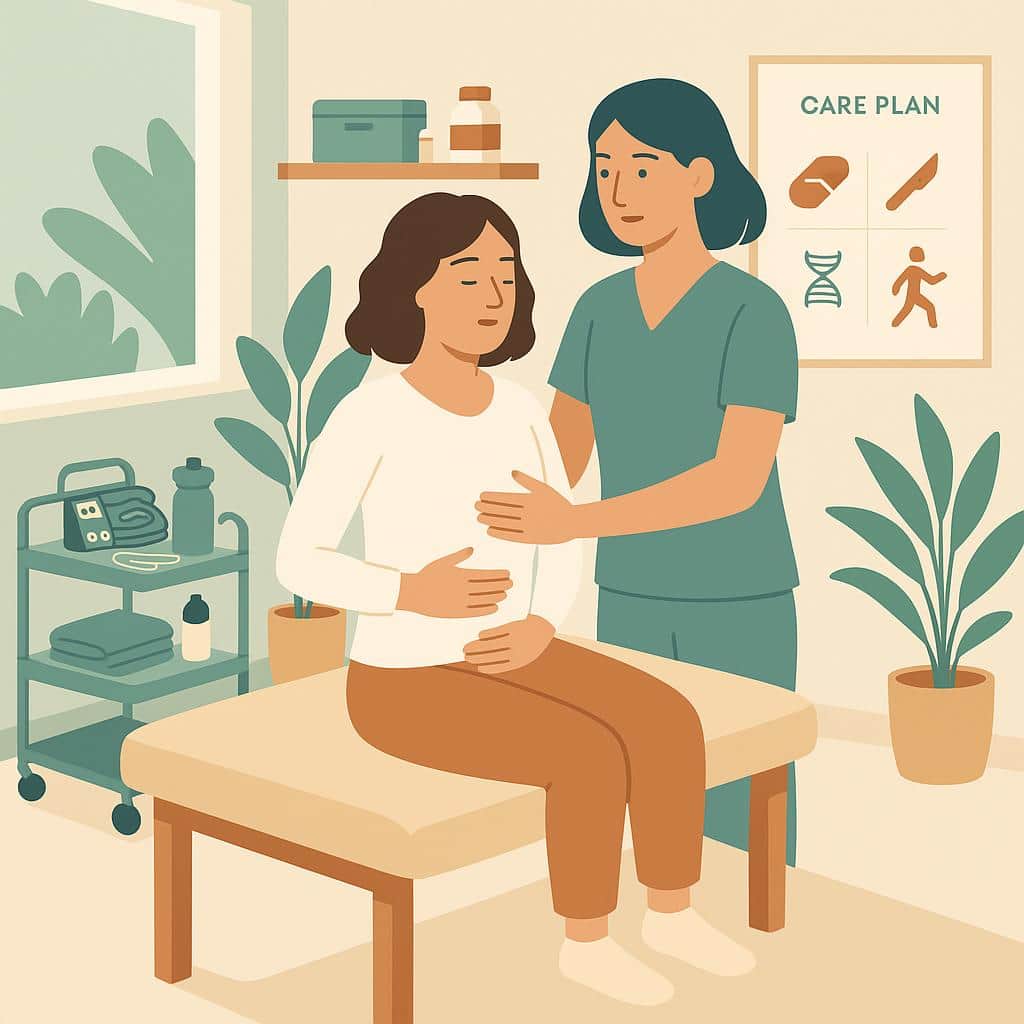
Supportive Therapies That Help Ease Endometriosis Pain
Endometriosis pain relief with supportive, integrative therapies: diagnosis, medical and hormonal care, surgery's role, nutrigenomic and epigenetic insights.
Experiencing Shoulder Pain?
If you're dealing with this symptom, our specialists can help determine if endometriosis may be the cause and discuss your treatment options.
Schedule a Consultation