General
Can probiotics or prebiotics help endometriosis pain or flares?
The short answer
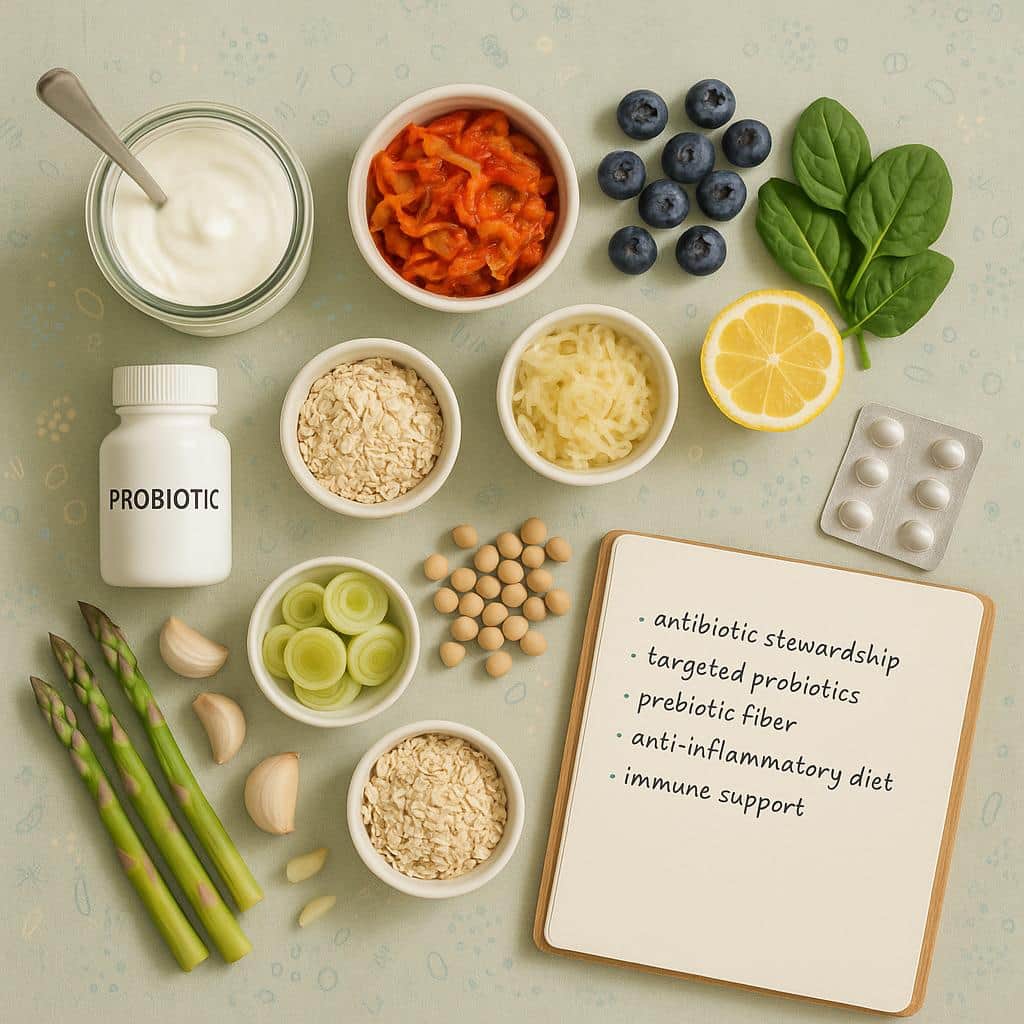
Some patients find that probiotics or prebiotic fibers reduce gut-related discomfort that can amplify pelvic pain during flares. Evidence specific to endometriosis is still limited, and effects can vary by strain and dose, with no benefit or worse bloating for some.
Some patients find that certain probiotics (often Lactobacillus strains) or prebiotic fibers can support bowel regularity and reduce GI-driven discomfort that can amplify pelvic pain during flares. Still, endometriosis-specific evidence is limited, and results can be very strain- and dose-dependent: what helps one person may do nothing or worsen bloating for another.
If you want to try them, we generally recommend choosing products with clear strain labeling, starting at a low dose, and making one change at a time to gauge tolerance. If your symptoms reliably track with digestion (bloating, constipation, diarrhea, or painful bowel movements), our team can help you sort out whether a gut-focused approach is likely to help and how it fits into a broader endometriosis plan. If you’re dealing with frequent flares or escalating pain, reach out to schedule a consultation so we can review your history and tailor next steps.
Where to go from here
Understand it, compare it with what you're feeling, then talk it through with us.
Speak with Us
Struggling with Endo Pain?
Our specialists understand how digestion can impact your symptoms and can guide you on managing pain and flares. Let us help develop a plan tailored to your needs, including gut health strategies.
Questions people ask next
All general questionsDiet and self-care tips for bowel endometriosis flares?
A consistent anti-inflammatory eating pattern can help calm bowel endometriosis flares, but fiber needs vary. Track food and symptom patterns, change one thing at a time, and use gentle heat, rest breaks, and paced activity during flares.
Are low-FODMAP or low-histamine diets helpful for endometriosis?
Low-FODMAP and low-histamine diets can be useful for a subset of patients, especially with IBS-type symptoms or a strong pattern suggesting histamine sensitivity. They don’t treat endometriosis lesions and are generally viewed as short-term trials with stepwise food reintroduction.
Can diet changes or probiotics treat endometriosis based on microbiome research?
There is not yet strong clinical trial evidence that diet changes or probiotics reliably reduce endometriosis lesions or stop disease progression. They may help symptoms for some people, but are supportive tools, not a substitute for a tailored treatment plan.
What safely helps constipation or diarrhea during flares?
For constipation flares, hydration and gentle stool softening are the safest starting points; for diarrhea, a short course of loperamide may reduce urgency, and oral rehydration can help. Sudden severe symptoms, blood in stool, black/tarry stools, fever, or ongoing weight loss need prompt evaluation.
Further reading
Optimizing the Microbiome to Support Endometriosis Care
Learn how antibiotics, probiotics, prebiotics, diet and immunomodulation affect the endometriosis–gut axis, with practical, research-backed microbiome tips.
Endometriosis Diet: What Research Really Supports (and What It Doesn’t)
Learn what truly supports endometriosis symptom relief and improving your reproductive health, backed by reliable research and new evidence.
The Microbiome’s Role in Endometriosis
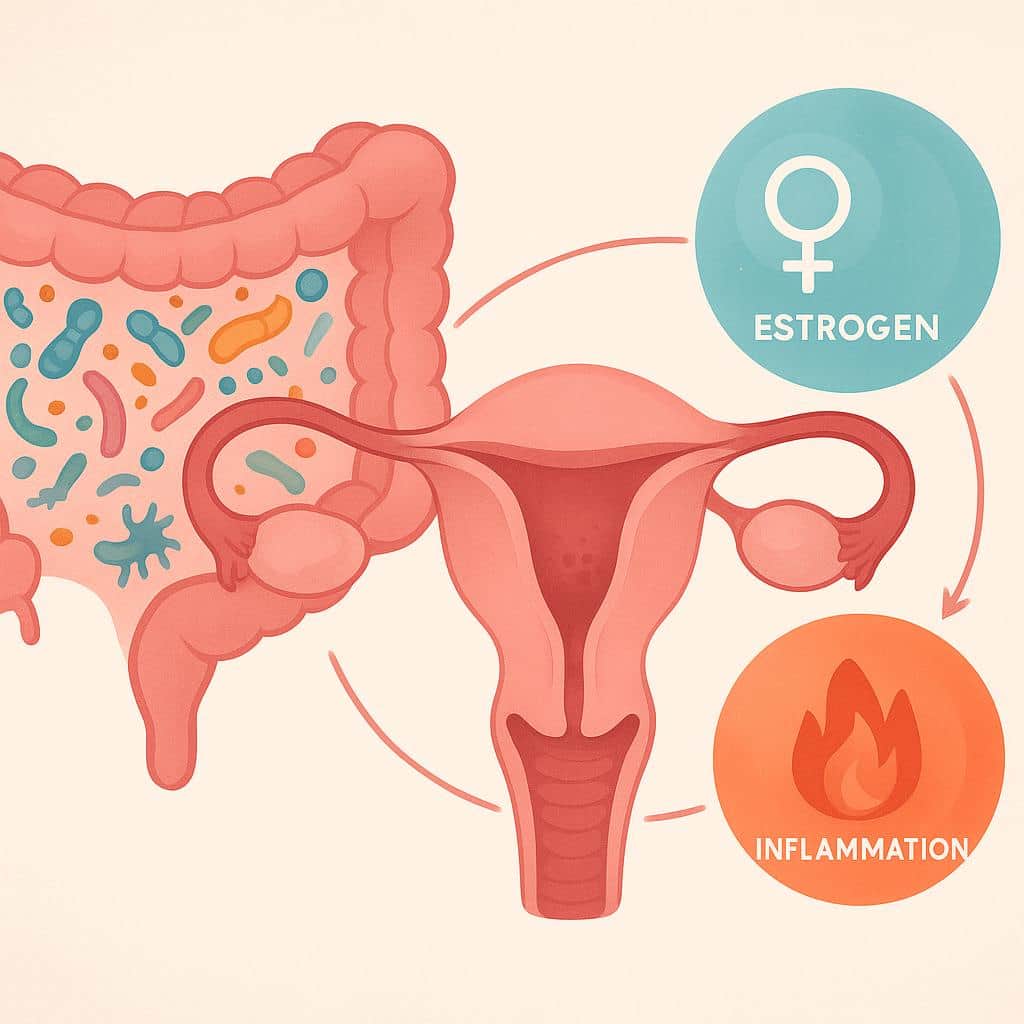
Explore how the microbiome may shape inflammation and estrogen metabolism in endometriosis, and what emerging research means for diagnosis and new therapies.