


Adenomyosis, Endometriosis, and Pregnancy: What Patients Need to Know
Explore how adenomyosis affects pregnancy and fertility with endometriosis. Get trusted research insights and advice for your care team.
10 minute read
Read moreDiscover how Lotus can guide you toward lasting relief.
Explore why patients choose Lotus
Search expert-written answers, browse by topic, or find information based on where you are in your journey.
Explore All KnowledgeReach out and start your healing journey.
Schedule an AppointmentHow adenomyosis affects fertility and pregnancy, with evidence-based guidance on diagnosis, treatment strategies, IVF outcomes, and fertility preservation to help you plan timing and next steps with your care team.
Adenomyosis can make conception and pregnancy more challenging by disrupting the uterine muscle and the junctional zone, which coordinate implantation and early placentation. Many people also have endometriosis, but the focus here is how adenomyosis—especially a thickened junctional zone and abnormal uterine contractions—can reduce implantation rates and raise miscarriage and preterm birth risks. Learn how disease pattern and extent influence planning, and when to consider expedited referral to a fertility specialist.
Expect practical guidance on using high‑quality MRI and ultrasound to stage disease and tailor care, including differences between focal adenomyoma and diffuse involvement. Explore evidence‑based strategies such as short courses of preconception suppression before frozen embryo transfer, when surgery may help focal disease, and when IVF is preferred over IUI or expectant management. Links to related topics clarify next steps, including imaging details in Imaging & Diagnosis (MRI, Ultrasound), pattern‑specific care in Focal Adenomyosis and Diffuse Adenomyosis, and uterus‑sparing procedures in Surgical Options. For coexisting endometriosis or ART protocol questions, see IVF & ART for broader fertility planning perspectives.
Choosing an adenomyosis specialist starts with matching the team’s focus to your goal: controlling heavy bleeding and anemia, reducing pain/pressure, preserving fertility, or pursuing definitive treatment. Because adenomyosis often can’t be confirmed with absolute certainty unless the uterus is examined by a pathologist after hysterectomy, the right clinician is someone who is comfortable working with an “imaging + symptoms” diagnosis and can clearly explain how that uncertainty affects your options. You should feel that your plan is individualized—not a one-size-fits-all default to hormones, or a reflex straight to hysterectomy.
When surgery is on the table, look for a surgeon who routinely performs minimally invasive complex pelvic surgery and can describe what they do when adenomyosis overlaps with endometriosis, adhesions, fibroids, or bladder/bowel/ureter involvement. Ask how they decide between uterus-preserving strategies versus hysterectomy, how they plan to protect organs and manage bleeding risk, and what they do to reduce repeat procedures. Our team takes a coordinated approach—careful pre-op planning, meticulous minimally invasive technique when appropriate, and clear goal-based decision-making—and you can explore our approach on the site or reach out to schedule a consultation to review your symptoms, imaging, and priorities.
Many clinicians focus on fertility because endometriosis can affect it through several pathways—not just “blocked tubes.” Disease can distort pelvic anatomy with adhesions, create an inflammatory environment that interferes with fertilization and implantation, and sometimes impact ovarian reserve (especially when endometriomas are involved). Fertility is also time-sensitive, so teams often raise it early to avoid surprises and to help patients make decisions that still keep future options open.
That said, fertility should never be the only lens. Endometriosis is a whole-body, quality-of-life disease—pain, bowel and bladder symptoms, fatigue, painful sex, and missed work or school are valid reasons to pursue evaluation and treatment whether or not pregnancy is a goal. In our practice, we center the plan on what matters to you—symptom relief, long-term function, and, if relevant, a thoughtful fertility strategy that fits your timeline. If you’re feeling dismissed or “reduced to your uterus,” reach out to schedule a consultation so we can map out an individualized plan that treats you as a whole person.
Yes. Your symptoms and quality of life matter—full stop—and your goals don’t have to include pregnancy for you to deserve thorough evaluation and effective treatment. In our practice, we don’t use fertility as a “gatekeeper” for care; we focus on what your disease may be doing (pain, bleeding, bowel/bladder symptoms, fatigue, missed work, intimacy pain) and what outcomes you want from treatment.
Not wanting children can actually make some options clearer, especially when adenomyosis or severe uterine disease is part of the picture, because fertility-preserving constraints may not apply. That said, we still individualize planning—endometriosis can involve multiple organs, and the right surgical approach is about complete, precise excision and a plan you understand, not a one-size-fits-all recommendation.
If you’ve felt dismissed before, you’re not alone. Our intake and consult process is designed to be record-based and purposeful so we can take your history seriously, set expectations early, and be direct about whether we think we can help. If you’re ready, reach out to schedule a consultation and tell us your goals clearly—including if your priority is pain relief and long-term function rather than fertility.
Not always—but laparoscopy (surgery) is often the step that brings clarity when endometriosis is a suspected driver of infertility. Endometriosis can reduce fertility through inflammation, endometriomas, scarring/adhesions that distort the ovaries and tubes, and changes that interfere with egg pickup, embryo transport, or implantation. Imaging and clinical evaluation can strongly suggest disease in some patients, but endometriosis still can’t be definitively diagnosed without surgically removing tissue for confirmation.
When infertility is the main concern, the real question is usually whether surgery is likely to improve your specific barriers to conception—such as a suspected endometrioma, tubal damage, or deep disease affecting pelvic anatomy. In those cases, our team typically focuses on complete excision (rather than burning lesions), because leaving disease behind can mean persistent inflammation and ongoing fertility challenges. If you’re trying to decide whether surgery belongs in your fertility plan, we can walk through your full history, imaging, and goals and map out a strategy that fits—whether that means moving toward excision, coordinating with fertility treatment, or first ruling out other common contributors that can look like (or coexist with) endometriosis.
If you have endometriosis, “better” usually depends on what decision you can make right now: do you have (or want to use) a specific sperm source, and are you trying to preserve fertility as a solo option or as a plan with a partner. Embryo freezing often gives the clearest picture of what you’ve preserved because eggs have already been fertilized and developed, while egg freezing preserves reproductive flexibility if your plans, relationship status, or sperm choice could change.
Endometriosis can affect fertility through more than one pathway—ovarian factors (including endometriomas and ovarian reserve), pelvic anatomy/adhesions, and implantation biology—so freezing is often part of a bigger strategy rather than the whole answer. If your main concern is protecting future options before possible surgery or as time passes, egg freezing may fit that goal; if your priority is maximizing a known plan with known sperm, embryo freezing may be the more direct path.
We help patients map these choices to their actual situation—your age and ovarian reserve markers, whether endometriomas are present, prior surgeries, pain/inflammation patterns, and whether there may be additional fertility factors beyond endometriosis. If you’d like, reach out to our team for a coordinated plan that fits both symptom management and fertility preservation, so the timing of treatment and the next steps make sense together.
Fertility can return surprisingly soon after birth—even if you have endometriosis—because ovulation often happens before your first postpartum period. The biggest drivers of when you become fertile again are breastfeeding patterns, how quickly your cycles restart, and whether you’re using hormonal suppression postpartum (which can also be used to help keep endometriosis symptoms quieter).
With exclusive, frequent breastfeeding, many people have a longer stretch without ovulation, but this isn’t reliable contraception and fertility can still return earlier than expected. If your periods come back, that’s a strong sign your ovaries are active again—though you can ovulate before the first bleed. If you’re trying to conceive again or, just as importantly, trying to avoid an unplanned pregnancy while managing endometriosis symptoms, our team can help you map a postpartum plan that fits your goals and minimizes flares.
Yes—IVF can be done while you’re still breastfeeding in some situations, but it usually isn’t as simple as “go ahead and start.” Breastfeeding shifts hormones (especially prolactin) and can suppress ovulation, which may affect baseline testing, medication response, and cycle scheduling. Many fertility clinics prefer you to be fully weaned before ovarian stimulation and egg retrieval, both for medication-safety reasons and to make your cycle more predictable.
Endometriosis adds an extra layer: IVF protocols can temporarily raise estrogen, and some patients worry that stimulation will “feed” endometriosis or flare pain. For many people, IVF does not appear to cause dramatic short-term progression, but if you have significant symptoms or deep disease, stimulation planning matters—and symptom control during fertility treatment becomes part of the strategy, not an afterthought. If you’re trying to balance breastfeeding, fertility goals, and endometriosis pain, reach out to our team; we can review your history and help you think through timing, whether surgery has a role, and how to coordinate with your fertility clinic in a way that protects both your quality of life and your pregnancy goals.
Endometriosis can affect both egg quality and implantation—fertility impacts aren’t limited to just one step. In the ovaries, endometriosis (especially ovarian endometriomas and the inflammation they create) may interfere with ovulation and the environment where eggs mature, which can contribute to lower oocyte competence for some patients.
At the same time, endometriosis can also change the uterine lining in ways that may reduce implantation receptivity, even when tubes look open and imaging seems “normal.” It may also disrupt pelvic anatomy and fallopian tube function through inflammation, adhesions, and altered contractions—affecting pickup and transport of the egg or embryo. If you’re trying to make sense of your own situation, our team can help map your symptoms, imaging, and fertility history to the most likely mechanisms and discuss options like excision surgery and coordinated fertility planning.
Explore how adenomyosis affects pregnancy and fertility with endometriosis. Get trusted research insights and advice for your care team.

Explore how adenomyosis affects fertility. Learn about symptoms, research, and treatment options for better reproductive health.
Explore adenomyosis treatment methods including IUDs and surgeries. Learn which approach is best for pain, bleeding, and fertility.

Discover which treatment option, UAE or hysterectomy, may provide better relief for adenomyosis symptoms. Understand your choices today!

Learn how endometriosis and adenomyosis may affect preeclampsia risk during pregnancy. Get informed for a healthier journey.
Explore fertility-sparing options for adenomyosis. Find hope in your journey to pregnancy without a hysterectomy. Understand your choices today!
Discover the link between ovarian scarring and endometriosis. Learn how it may affect your fertility and ovarian health. Get informed today!

Discover how ethanol sclerotherapy could be a fertility-sparing solution for endometriomas. Learn about its benefits, success rates, and more!
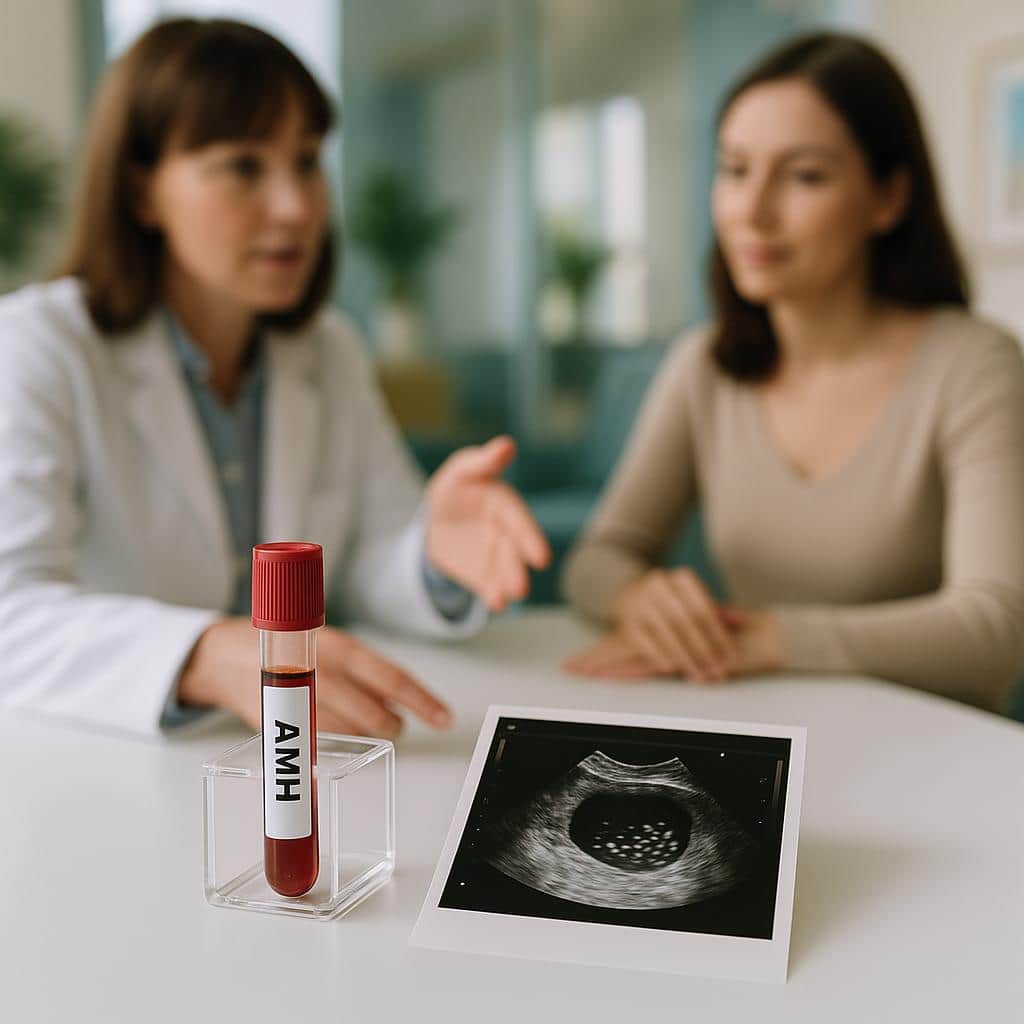
How AMH and antral follicle count behave with unilateral or bilateral endometriomas, the impact of cyst size, and practical guidance for your next appointment.
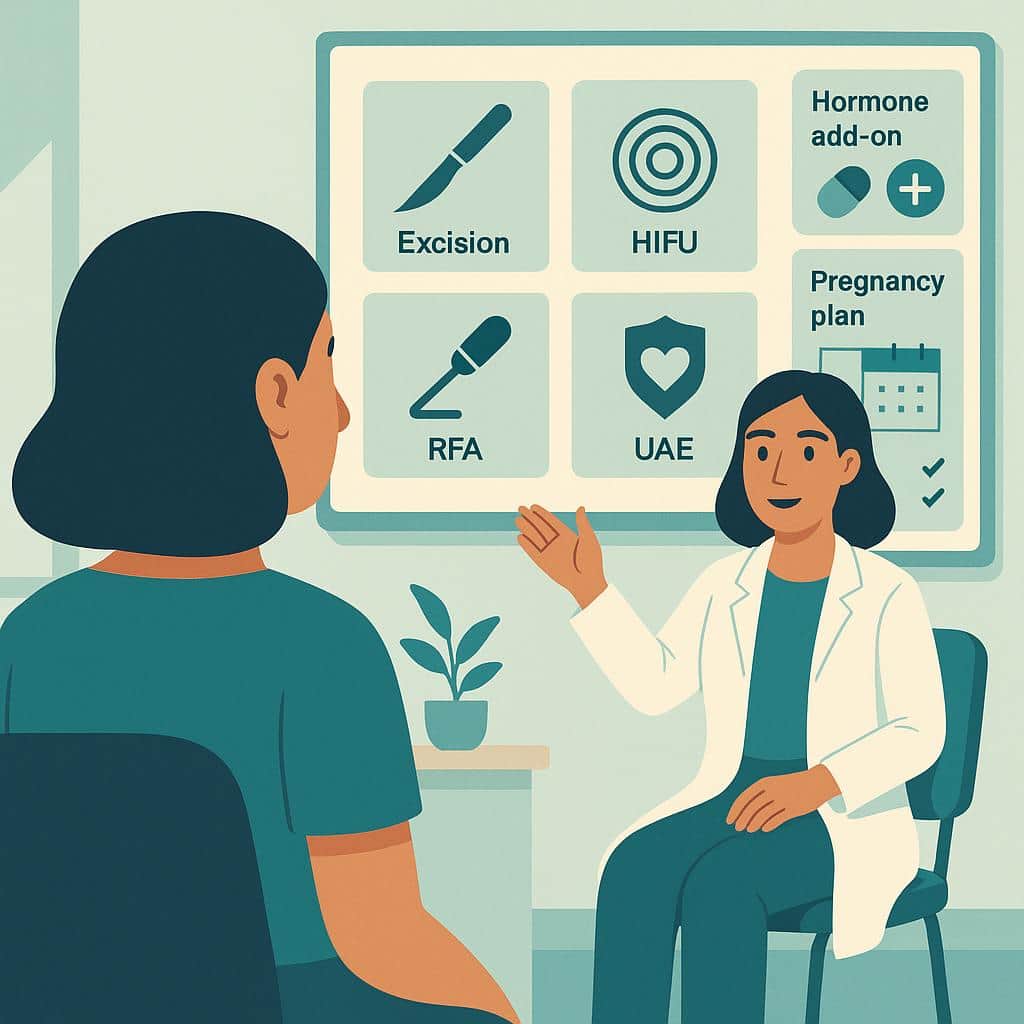
Weigh pregnancy chances, symptom relief, and risks after fertility-sparing adenomyosis treatment. Compare adenomyomectomy vs HIFU, RFA, UAE—when to add hormones
Lotus Endometriosis Institute provides California-based surgical evaluation and advanced excision care for patients with suspected endometriosis, adenomyosis, complex pelvic pain, and related conditions.
Many patients contact us from outside California to learn whether traveling for in-person evaluation and possible surgery may be appropriate.
2121 Santa Monica Blvd, Santa Monica, CA 90404
8am - 5pm
Monday - Friday
154 Traffic Way, Arroyo Grande, CA 93420