


Is Ethanol Sclerotherapy the Fertility-Friendly Answer for Endometriomas?
Discover how ethanol sclerotherapy could be a fertility-sparing solution for endometriomas. Learn about its benefits, success rates, and more!
6 minute read
Read moreDiscover how Lotus can guide you toward lasting relief.
Explore why patients choose Lotus
Search expert-written answers, browse by topic, or find information based on where you are in your journey.
Explore All KnowledgeReach out and start your healing journey.
Schedule an AppointmentEvidence-based guidance on ovarian endometriomas (chocolate cysts): recognition, imaging, treatment options, fertility considerations, pain management, and recovery to help you navigate care decisions.
Endometriomas (“chocolate cysts”) are ovarian cysts caused by endometriosis. They can drive period and pelvic pain, dyspareunia, and fertility challenges, or be found incidentally. Diagnosis is usually made with transvaginal ultrasound based on a classic “ground‑glass” appearance; MRI is helpful when features are atypical or to plan surgery. Because they arise from endometriosis rather than the uterine muscle, they differ from adenomyosis and are managed with ovarian and fertility preservation in mind. Learn how imaging results, symptoms, and goals shape next steps, with links to Ultrasound and MRI for deeper context.
Care focuses on easing pain, protecting ovarian reserve, and aligning with pregnancy plans. Options include watchful waiting with hormonal suppression, pain strategies, and surgery when cysts are large, symptomatic, suspicious, or complicate egg retrieval. Cystectomy generally lowers recurrence more than drainage/ablation but may impact ovarian reserve, so decisions weigh age, AMH/AFc, cyst size, prior surgery, and fertility timelines. Explore operative considerations in Excision Surgery and Surgery, fertility pathways in Fertility & Reproductive Health and IVF & ART, and symptom tools in Pain Relief.
Ovarian cyst pain can feel “recurrent” for a few different reasons. Some cysts are functional (they form with ovulation and then resolve), so the pain returns in a similar spot month after month even though it’s not the exact same cyst. In other cases, the cyst itself can come back or persist—especially if it’s an endometrioma (an ovarian cyst caused by endometriosis), which can behave differently than a simple cyst and may be associated with deeper pelvic disease.
Another common reason is that the cyst isn’t the whole story: endometriosis on the pelvic sidewall, uterosacral ligaments, bowel, bladder, or around the ovary can irritate the same nerves and tissues and make it feel like “my cyst is back” when the driver is actually inflammatory disease nearby. Adhesions (scar-like bands) can also tether the ovary and cause recurring pulling or sharp pain, even when imaging doesn’t show a large cyst. If your pain cycles, escalates, returns quickly after a “normal” ultrasound, or keeps recurring despite prior treatment, our team can help you map the pattern, interpret imaging with an endometriosis lens, and decide whether targeted evaluation and—when appropriate—excision surgery is the next best step.
Yes—sometimes. People with endometriosis can develop ovarian endometriomas (“chocolate cysts”), and those cysts can leak or rupture and cause sudden, intense pelvic pain and inflammation. Endometriosis can also distort pelvic anatomy and irritate the ovary, which may make cyst-related pain feel more frequent, more severe, or harder to distinguish from an endometriosis flare.
That said, a ruptured ovarian cyst isn’t automatically endometriosis—functional cysts can happen in anyone, and imaging doesn’t always clearly tell what type of cyst ruptured. If you’ve had recurrent “ruptured cyst” episodes, complex cysts, or ongoing pain between events, it’s worth exploring whether an endometrioma or other endometriosis subtype is part of the bigger picture.
Our team can help you sort out what’s most likely based on your symptom pattern, ultrasound/MRI findings, and fertility goals—and when appropriate, discuss options like strategic minimally invasive excision and other ovary-sparing approaches for endometriomas. If you’re looking for clarity after a rupture (or repeat scares), reach out to schedule a consultation so we can map out a plan tailored to you.
A ruptured ovarian cyst often causes a sudden, sharp pain on one side of the lower abdomen or pelvis, sometimes after exercise, sex, or around ovulation. The pain may then shift into a deeper, persistent ache over the next hours, and you can also notice bloating, nausea, or pain that worsens with movement. Some people have light vaginal spotting, but others have no bleeding at all—so the pattern and intensity of the pain matter more than spotting.
Because pelvic pain can have more than one driver (including endometriosis, an endometrioma, torsion, fibroids, or even bladder or bowel conditions), the only way to know for sure is an evaluation that matches your symptoms with imaging and a focused exam. If you’re having severe or escalating pain, dizziness/fainting, shoulder-tip pain, fever, or heavy bleeding, that can signal significant internal bleeding or another urgent problem—and we want you assessed right away. If you’re dealing with recurrent “cyst rupture” episodes or ongoing one-sided pelvic pain, reach out to schedule a consultation with our team so we can look at the whole picture and build a plan that fits your goals.
Yes—many people can fly with an endometrioma, even a large one, but “safe” depends on your individual risk profile and symptoms. The main in-flight concern with a larger ovarian cyst is an acute complication like torsion (the ovary twisting) or, less commonly, rupture—events that can happen on any day, but feel especially stressful when you’re far from care. Cabin pressure changes aren’t known to make endometriomas expand, but dehydration, constipation, prolonged sitting, and limited access to pain control can make a pelvic pain flare much harder to manage mid-flight.
If you’re having escalating one-sided pelvic pain, significant nausea/vomiting, fevers, dizziness/faintness, or pain that suddenly becomes severe, we generally want you evaluated before you travel—those can be warning signs that change the plan. If you do fly, think through logistics that reduce strain: choose an aisle seat if possible, plan for gentle movement and hydration, and have a clear pain plan for the travel day so you’re not improvising at 30,000 feet. If the endometrioma is growing, very symptomatic, or affecting fertility planning, our team can help you map next steps—whether that’s careful monitoring, symptom control while you travel, or discussing targeted treatment options designed to treat the disease rather than just chasing flares.
Yes—an ovarian endometrioma (often called a “chocolate cyst”) can rupture, although it’s not the most common course. When it ruptures, the thick, inflammatory cyst contents can spill into the pelvic cavity and trigger sudden, severe pain and significant irritation. People may describe it as a sharp one-sided pelvic pain that comes on abruptly, sometimes with bloating, nausea, or a feeling that “something is very wrong.” Because other urgent problems can feel similar (like ovarian torsion, a ruptured non-endo cyst, or appendicitis), the situation needs prompt evaluation.
If you suspect a rupture or you develop a sudden escalation in pain—especially with fever, faintness, vomiting, shoulder pain, or worsening abdominal swelling—don’t try to “wait it out.” Our team can help you determine what’s happening, use the right imaging and exam to clarify the cause, and decide whether monitoring, targeted medical support, or surgery is the safest next step. If you’re living with an endometrioma and worry about rupture risk, recurrence, or fertility impact, we can also discuss longer-term options such as excision-based surgical management or less invasive approaches in carefully selected cases.
Yes—endometriosis can rarely undergo malignant transformation, but for the vast majority of people it does not “turn into cancer.” Endometriosis itself is not cancer, even though it can behave in cancer-like ways (invading tissues, scarring, and spreading beyond the pelvis). The best-supported association in research is with certain ovarian cancer subtypes, especially clear cell and endometrioid ovarian cancers, and the risk appears highest when the ovaries are involved (such as with endometriomas).
What matters most is context: your age, family history/genetics, imaging findings, and whether a cyst or mass is changing over time. If you’re worried about an endometrioma, deep disease, or persistent symptoms that don’t fit your usual pattern, our team can evaluate your full picture and help you understand what’s reassuring versus what deserves closer workup. If surgery is appropriate, strategic minimally invasive excision can both treat disease and allow tissue diagnosis when needed—so you’re not left guessing. Reach out to schedule a consultation if you’d like a personalized risk discussion and a clear plan.
If you have endometriosis, “better” usually depends on what decision you can make right now: do you have (or want to use) a specific sperm source, and are you trying to preserve fertility as a solo option or as a plan with a partner. Embryo freezing often gives the clearest picture of what you’ve preserved because eggs have already been fertilized and developed, while egg freezing preserves reproductive flexibility if your plans, relationship status, or sperm choice could change.
Endometriosis can affect fertility through more than one pathway—ovarian factors (including endometriomas and ovarian reserve), pelvic anatomy/adhesions, and implantation biology—so freezing is often part of a bigger strategy rather than the whole answer. If your main concern is protecting future options before possible surgery or as time passes, egg freezing may fit that goal; if your priority is maximizing a known plan with known sperm, embryo freezing may be the more direct path.
We help patients map these choices to their actual situation—your age and ovarian reserve markers, whether endometriomas are present, prior surgeries, pain/inflammation patterns, and whether there may be additional fertility factors beyond endometriosis. If you’d like, reach out to our team for a coordinated plan that fits both symptom management and fertility preservation, so the timing of treatment and the next steps make sense together.
Endometriosis can affect both egg quality and implantation—fertility impacts aren’t limited to just one step. In the ovaries, endometriosis (especially ovarian endometriomas and the inflammation they create) may interfere with ovulation and the environment where eggs mature, which can contribute to lower oocyte competence for some patients.
At the same time, endometriosis can also change the uterine lining in ways that may reduce implantation receptivity, even when tubes look open and imaging seems “normal.” It may also disrupt pelvic anatomy and fallopian tube function through inflammation, adhesions, and altered contractions—affecting pickup and transport of the egg or embryo. If you’re trying to make sense of your own situation, our team can help map your symptoms, imaging, and fertility history to the most likely mechanisms and discuss options like excision surgery and coordinated fertility planning.
Discover how ethanol sclerotherapy could be a fertility-sparing solution for endometriomas. Learn about its benefits, success rates, and more!
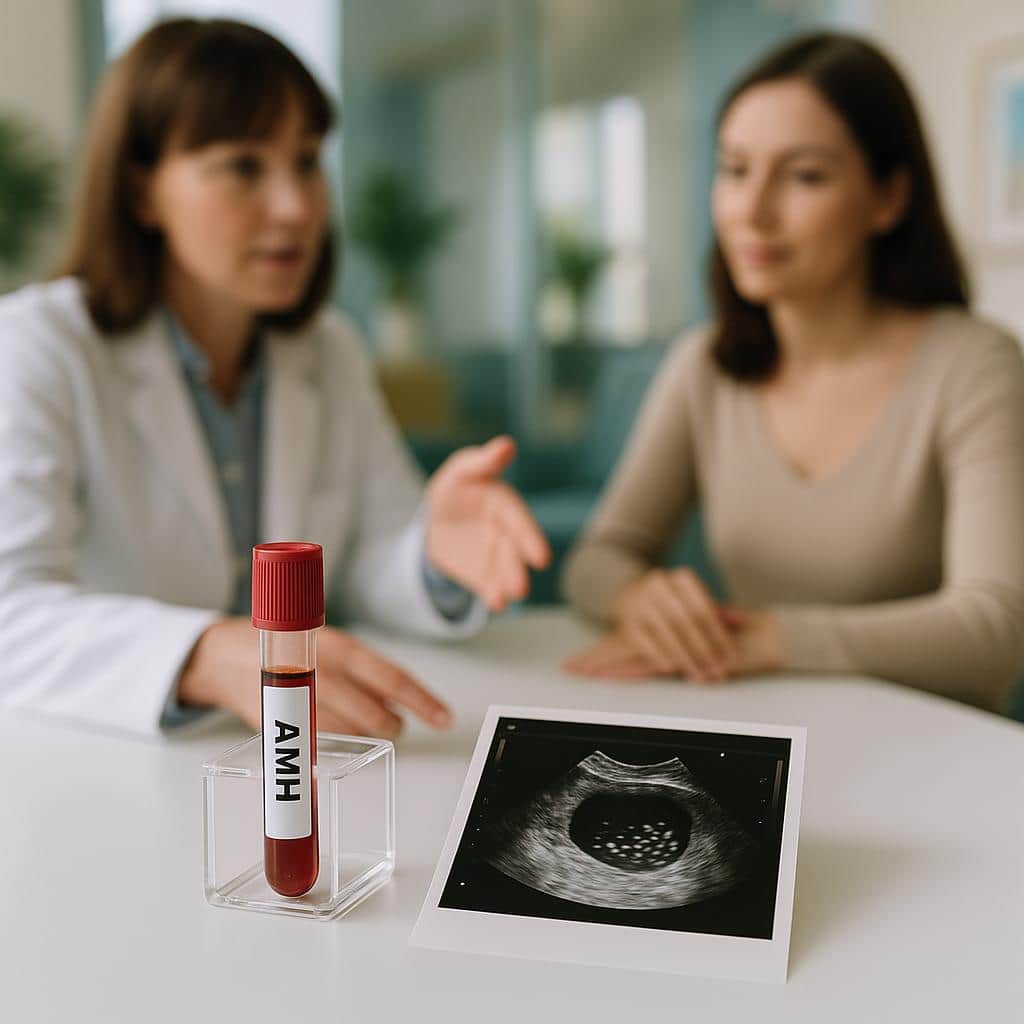
How AMH and antral follicle count behave with unilateral or bilateral endometriomas, the impact of cyst size, and practical guidance for your next appointment.
Lotus Endometriosis Institute provides California-based surgical evaluation and advanced excision care for patients with suspected endometriosis, adenomyosis, complex pelvic pain, and related conditions.
Many patients contact us from outside California to learn whether traveling for in-person evaluation and possible surgery may be appropriate.
2121 Santa Monica Blvd, Santa Monica, CA 90404
8am - 5pm
Monday - Friday
154 Traffic Way, Arroyo Grande, CA 93420