

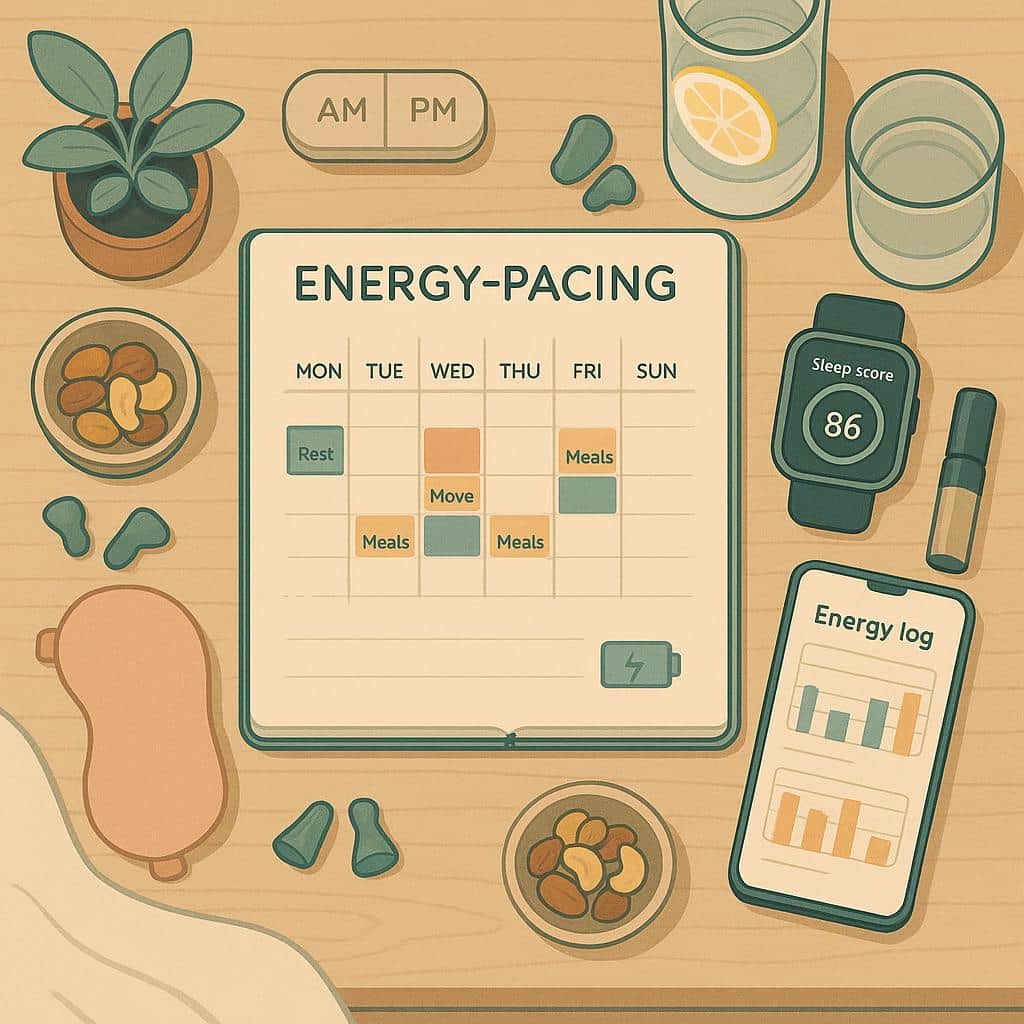
Endometriosis Fatigue : A Practical Guide to Relief
Understand why endometriosis drains energy—chronic pain, hormones, poor sleep, anemia, inflammation—and get practical tips for fatigue, pain, stress, and daily function.
7 minute read
Read moreDiscover how Lotus can guide you toward lasting relief.
Explore why patients choose Lotus
Search expert-written answers, browse by topic, or find information based on where you are in your journey.
Explore All KnowledgeReach out and start your healing journey.
Schedule an AppointmentEvidence‑informed integrative self‑care at home to ease endometriosis pain—practical guidance on TENS, nutrition, heat, supplements, CBD, and mind‑body techniques, with safety tips and when to combine with medical or surgical care.
Integrative, evidence‑informed self‑care can dial down pain signals, calm muscle spasm, and reduce inflammation in endometriosis and adenomyosis. Focus is on tools you can use at home—heat therapy, TENS, pacing and flare planning, gentle movement and breathwork, foundational nutrition, and thoughtful use of supplements or CBD—to improve daily function while larger treatment decisions are underway. These strategies don’t treat the disease itself, but they can meaningfully ease period, pelvic, bowel, and back pain and help you sleep, work, and move with fewer interruptions.
Learn when and how to apply heat or cold safely, place TENS pads effectively, build a personalized flare kit, and create routines that support recovery between flares. Understand which over‑the‑counter options have supportive evidence, what to avoid if trying to conceive, and when home care should give way to evaluation for complications or advanced therapies. For deeper dives or complementary care, see Supplements, Anti-Inflammatory Diet and Gut Health for nutrition detail, Mind-Body Practices for guided techniques, Pelvic Floor PT for muscle‑based pain, and Medical Management when medications or procedures are needed.
Many people with endometriosis try “alternative” medicine because they’ve spent years in pain without clear answers or durable relief. When hormones cause side effects, symptoms persist after prior treatments, or surgery feels out of reach, it’s completely understandable to look for something—anything—that offers a sense of control and day-to-day functioning. Social media and anecdotal stories can also make certain approaches sound like hidden “cures,” especially when the medical system has been dismissive or slow to diagnose.
We also see another, more practical reason: endometriosis pain is multifaceted—driven by inflammation, pelvic floor and musculoskeletal factors, nerve irritation, and sometimes central sensitization—so patients often need more than one tool. The key distinction is that integrative care is meant to work alongside mainstream medical and surgical treatment, not replace it. Our approach is to help you separate what’s promising and measurable from what’s expensive, vague, or marketed as a miracle, and build a coordinated plan that targets both the disease and the pain mechanisms that keep symptoms going. If you’re feeling pulled toward alternative options, we invite you to reach out—so we can help you make a plan that protects your time, your body, and your long-term goals.
During a flare, many people feel best with gentle, easy-to-digest meals that don’t add extra stress to the gut. Warm soups, well-cooked vegetables, and simple lean proteins are often easier to tolerate than heavy, greasy, or highly processed foods.
Prioritizing hydration can also make a meaningful difference—small, frequent sips and hydrating foods can be easier than trying to “catch up” all at once. If you notice certain irritants consistently worsen bloating, nausea, or pelvic discomfort, a short-term, flare-focused approach can help you get through the toughest days. If flares regularly derail eating or trigger significant GI symptoms, our team can help you look for the underlying drivers and build a plan that supports both symptom control and nourishment.
Yes—at-home strategies can be genuinely helpful for many people with endometriosis-related pain, especially for reducing the intensity of day-to-day flares. Tools like heat and a TENS unit can calm pelvic pain signals, while gentle stretching and pacing your activity can help prevent a flare from snowballing.
Food choices that emphasize anti-inflammatory, low-trigger meals may also support symptom control over time, though results vary from person to person. If you’re needing at-home measures constantly just to get through the week, that’s often a sign the underlying drivers of pain need a deeper evaluation—our team can help you sort out what’s most likely contributing and what options could provide longer-term relief.
Heat therapy, a TENS unit, and planned rest with pacing can help take the edge off pain on flare days, especially when combined with gentle movement instead of complete immobilization. Many patients also find pelvic floor relaxation techniques reduce the “clenched” pelvic response that can amplify cramping and pressure.
If your flares tend to coincide with heavy bleeding, low iron can worsen fatigue and slow recovery—addressing that contributor can make flare days feel more manageable overall. When flares are frequent or disruptive, our team can help you build a targeted plan that may include pelvic floor physical therapy and nutrition strategies tailored to your symptoms, and we’re happy to discuss next steps in a consultation.
A practical way to gauge acupuncture is to plan a short, structured trial rather than going indefinitely. For many patients, that looks like 6–8 weekly sessions, with early signs of meaningful change often showing up by the third or fourth visit.
If you’re noticing clear improvement, sessions can often be spaced out (for example, every 2–4 weeks) to help maintain the gains. If there’s no noticeable shift by about eight sessions, it may be a sign to adjust the plan or focus your time and energy on other options—our team can help you think through what makes the most sense for your symptoms and goals.
Some of the better-studied supplements for pelvic pain and flare reduction include omega-3 fatty acids (EPA+DHA), curcumin (a standardized turmeric extract), N-acetylcysteine (NAC), and melatonin. The evidence is still limited—mostly small studies—but these are the options we most often see discussed for lowering inflammation-driven pain and cramping, and some patients do report meaningful relief.
If you decide to try supplements, we typically suggest introducing only one at a time and tracking symptoms so you can tell what’s actually helping. It’s also worth reassessing after several weeks; if there’s no clear benefit, it may not be worth continuing. If pain flares are persistent or escalating, our team can help you sort out whether supplements are a reasonable adjunct for you—or whether a deeper evaluation and a more definitive treatment plan is likely to provide better relief.
During a flare or heavy bleeding, the safest approach is usually gentle, supportive mind-body work that downshifts your nervous system rather than pushing your body. We often suggest slow nasal breathing with a longer exhale, a simple body-scan meditation, and restorative poses that are fully supported with props so you can relax without strain.
It’s typically best to avoid strong core work, deep twists, and intense stretching during this time, since those can increase pressure and aggravate cramping or pelvic discomfort. Keep sessions short and easy, and repeat them more often if they help. As symptoms settle, you can gradually return to more active movement—if flares are frequent or bleeding is heavy, our team can help you sort out what’s driving it and what options may actually reduce it.
During a flare with pelvic pain, nausea, or diarrhea, we generally recommend keeping meals small, simple, and easy to digest. Soft, cooked foods like broth-based soups, oatmeal, rice, scrambled eggs, poached fish or tofu, and stewed fruit are often better tolerated than heavy or complex meals. Sipping fluids regularly—especially options with electrolytes—can help you stay hydrated when your appetite is low or your stools are loose.
For many patients, symptoms worsen with raw roughage, high-fat meals, and very spicy foods, so it can help to temporarily scale those back until things settle. Once the flare eases, you can gradually reintroduce a wider range of foods and watch for patterns that reliably trigger symptoms. If bowel symptoms are frequent or escalating, our team can help evaluate whether endometriosis, adenomyosis, or overlapping gastrointestinal conditions could be contributing, and discuss a plan that fits your day-to-day life.
Understand why endometriosis drains energy—chronic pain, hormones, poor sleep, anemia, inflammation—and get practical tips for fatigue, pain, stress, and daily function.
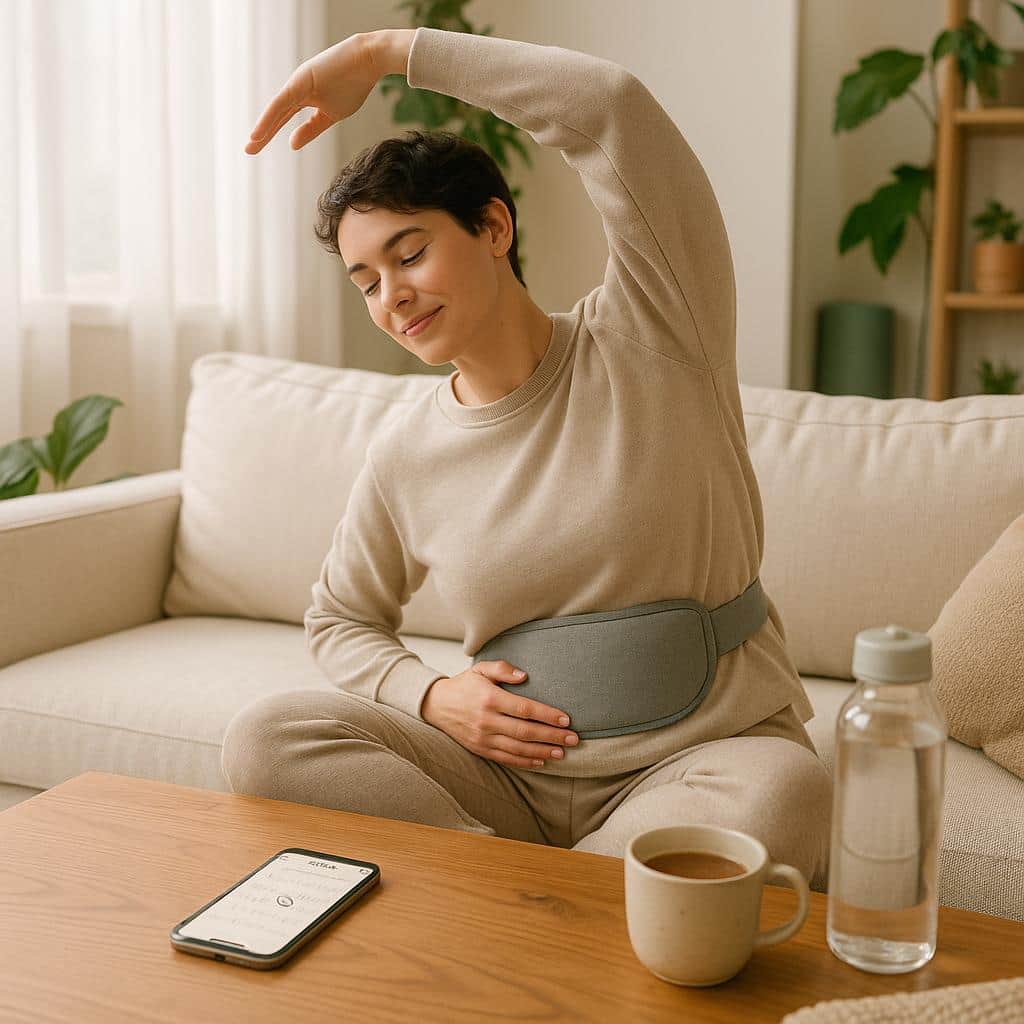
Learn what ovulation pain feels like with endometriosis, how long it lasts, common symptoms like nausea and mittelschmerz, and evidence-based coping strategies.
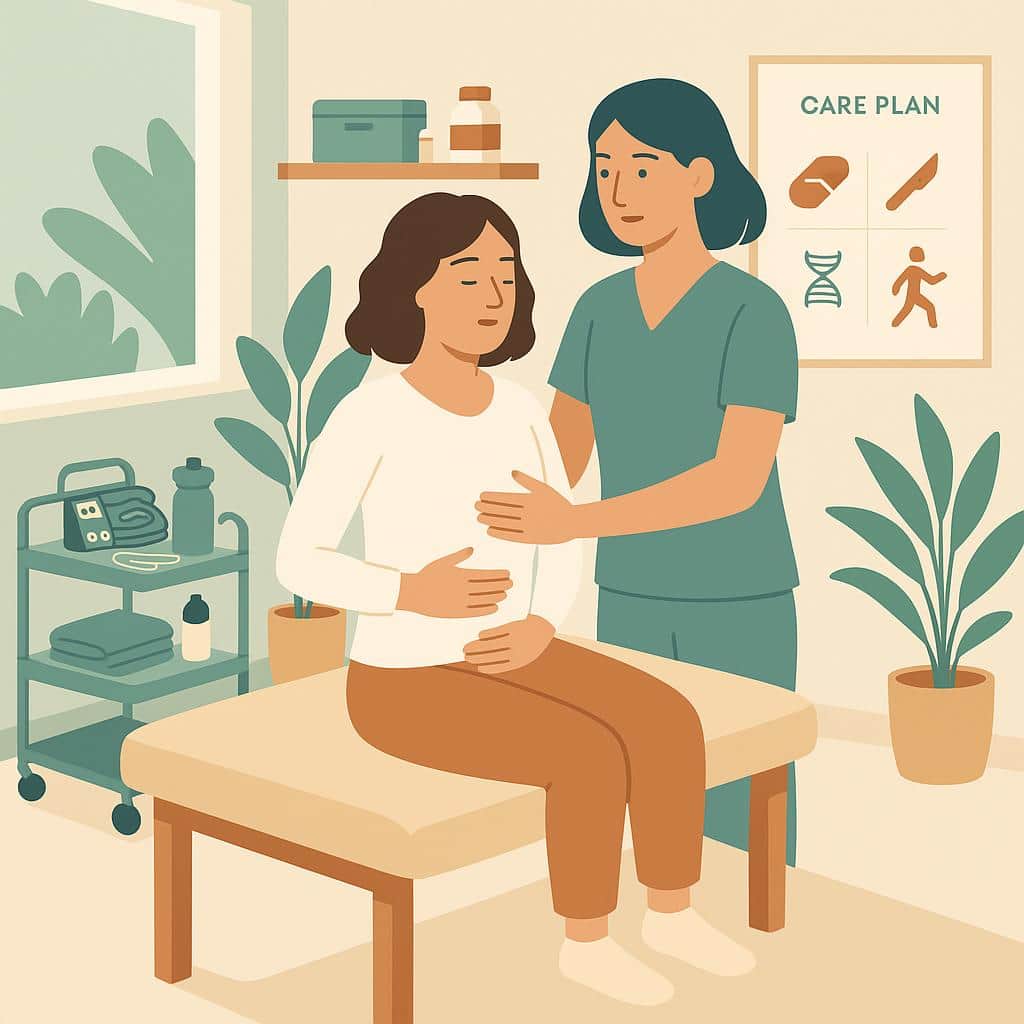
Endometriosis pain relief with supportive, integrative therapies: diagnosis, medical and hormonal care, surgery's role, nutrigenomic and epigenetic insights.
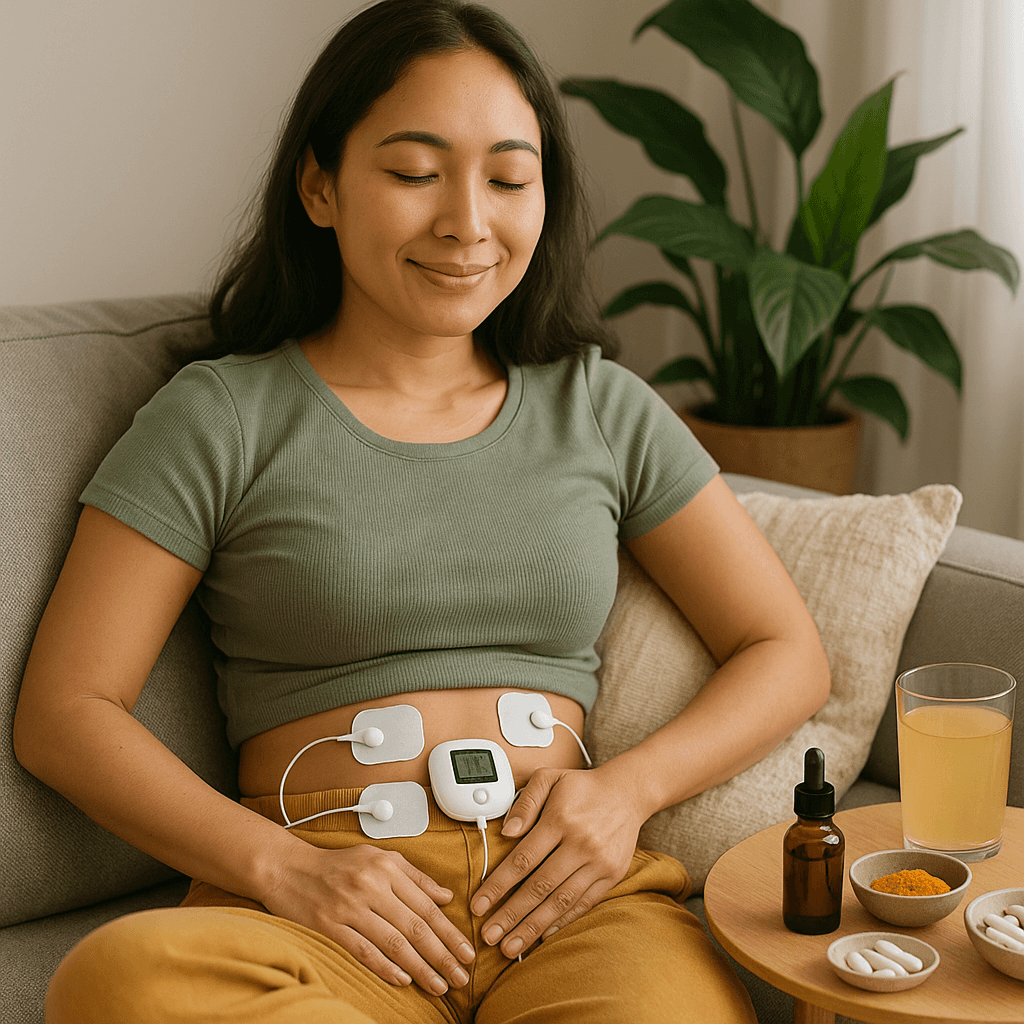
Learn how TENS, diet changes, CBD, turmeric, meditation, yoga, and acupuncture can complement care and help relieve pelvic pain from endometriosis.
Lotus Endometriosis Institute provides California-based surgical evaluation and advanced excision care for patients with suspected endometriosis, adenomyosis, complex pelvic pain, and related conditions.
Many patients contact us from outside California to learn whether traveling for in-person evaluation and possible surgery may be appropriate.
2121 Santa Monica Blvd, Santa Monica, CA 90404
8am - 5pm
Monday - Friday
154 Traffic Way, Arroyo Grande, CA 93420