

Deep Disease
Can hormonal suppression relieve urinary pain from endometriosis?
The short answer
Yes, hormonal suppression can help urinary pain for some people with endometriosis, especially when symptoms flare around bleeding. It may reduce bladder irritation, urgency or burning, but pain from deeper disease, scarring or nerve sensitization can persist.
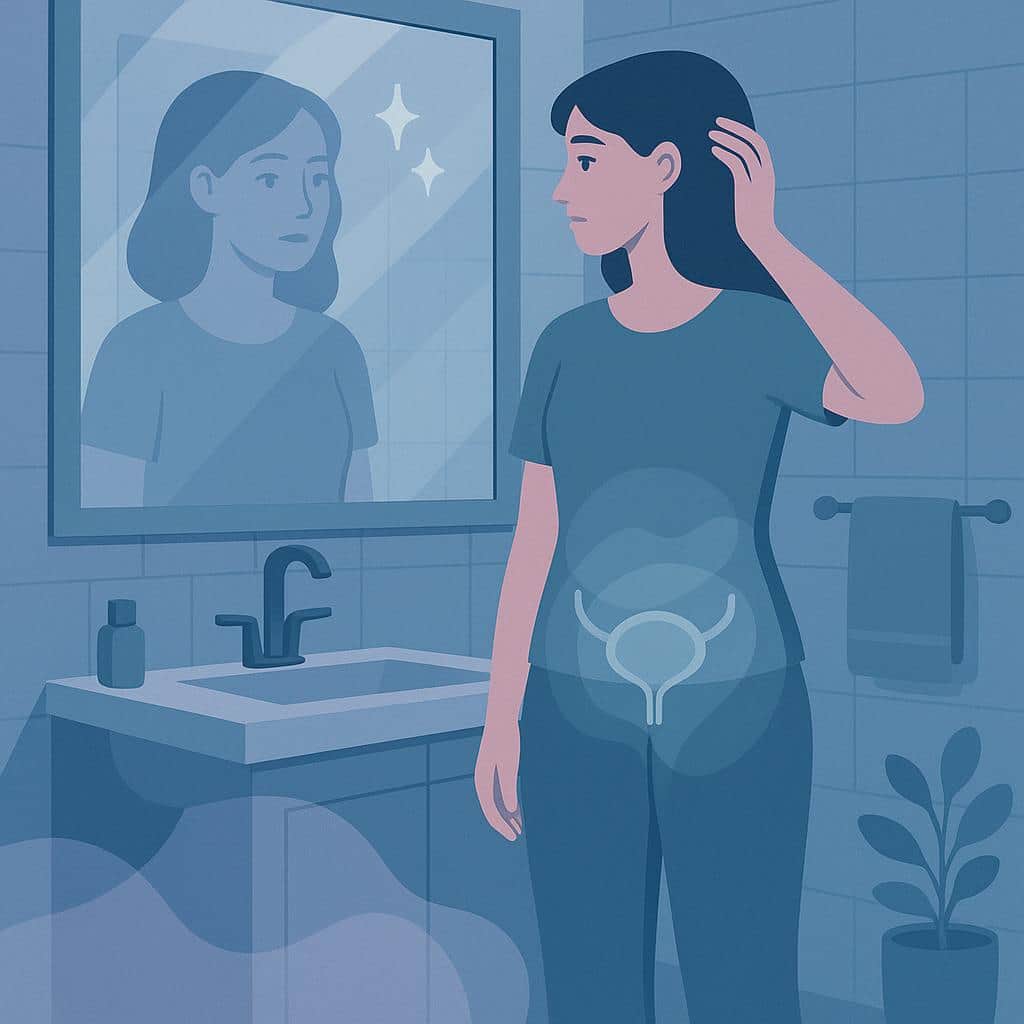
Yes, hormonal birth control or other hormonal suppression can help relieve urinary pain for some people with endometriosis, especially when symptoms flare in a cyclical pattern around bleeding. By quieting hormone-driven inflammation, suppression may reduce bladder irritation, urgency, or burning that tracks with the menstrual cycle.
That said, hormones don’t always resolve urinary pain. If symptoms stem from deeper disease affecting the bladder or surrounding tissues, scarring, or ongoing nerve sensitization, pain can persist even with good suppression. In those cases, our team focuses on identifying the underlying cause of your urinary symptoms and building a plan that may include medical suppression, targeted symptom control, and (when appropriate) excision surgery.
Where to go from here
Understand it, compare it with what you're feeling, then talk it through with us.
Compare
Symptoms it can relate to
Speak with Us
Find Relief from Urinary Pain
Hormonal suppression can ease bladder pain linked to endometriosis cycles. Our specialists are here to tailor treatments for persistent or deep disease symptoms.
Questions people ask next
All deep disease questionsWhat treatments help bladder pain from endometriosis?
Many patients get relief from bladder pain related to endometriosis with hormonal suppression and a focused pain-management plan. Pelvic floor physical therapy can help, and excision surgery may be recommended when bladder or deep anterior endometriosis is suspected.
Can medication cure bladder endometriosis lesions, or is surgery needed?
Medication can often ease bladder endometriosis symptoms, but generally does not remove deep bladder wall lesions. Surgery becomes more important if symptoms persist despite medication, imaging suggests deeper muscle invasion, or there is bleeding or urinary blockage.
Why don’t hormones help my endometriosis pain?
Hormones may not help your endometriosis pain because they mainly reduce cycle-driven inflammation and bleeding, not every source of pain. Scarring, nerve growth, a sensitized nervous system or pelvic floor problems may keep pain going even when periods are suppressed.
Will hormonal therapy help urinary urgency?
Hormonal therapy can reduce urinary urgency for some patients, especially when symptoms flare cyclically and appear tied to endometriosis or adenomyosis. It may calm inflammation and pelvic pain, but urgency isn’t always hormone-driven, and response varies.
Further reading
Bladder Endometriosis: Symptoms, Diagnosis, and Treatment Options
Learn about bladder endometriosis, its symptoms, diagnosis, and treatment options. Understand the complexities to find effective pain management solutions.
Endometriosis and Bladder Pain - Why Your Pelvic Pain Persists
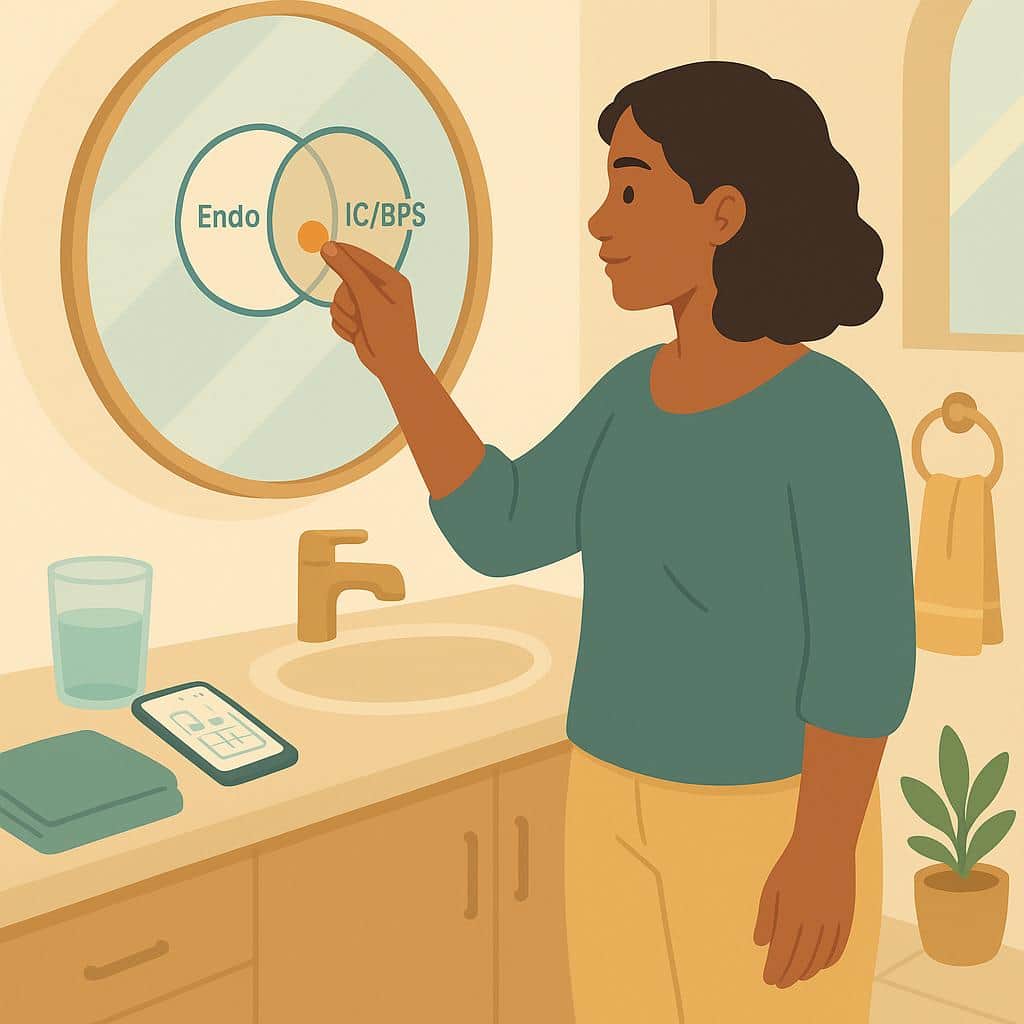
Pelvic pain despite endometriosis treatment? Learn the bladder pain syndrome (IC/BPS) overlap, signs your bladder is involved, and next steps for relief.
Should You Try Hormone Therapy Before Endometriosis Surgery?
Explore the benefits of hormone therapy before endometriosis surgery. Learn about GnRH agonists and their impact on pain and recovery.