General
How can I lower the risk of endometriosis symptoms returning after surgery?
The short answer
If pregnancy isn’t your goal right away, hormonal suppression after surgery can help reduce the chance of endometriosis symptoms returning. Pelvic floor physical therapy, gradual strength rebuilding, sleep, stress regulation, and anti-inflammatory eating can support recovery.
If you’re not planning pregnancy right away, postoperative hormonal suppression can help reduce the chance of symptoms returning by limiting stimulation of any microscopic disease that may remain. Options may include continuous progestin or combined hormonal methods. The best choice depends on your symptoms, side effects, and medical history. Our team can review the pros and cons with you and tailor a plan that fits your goals.
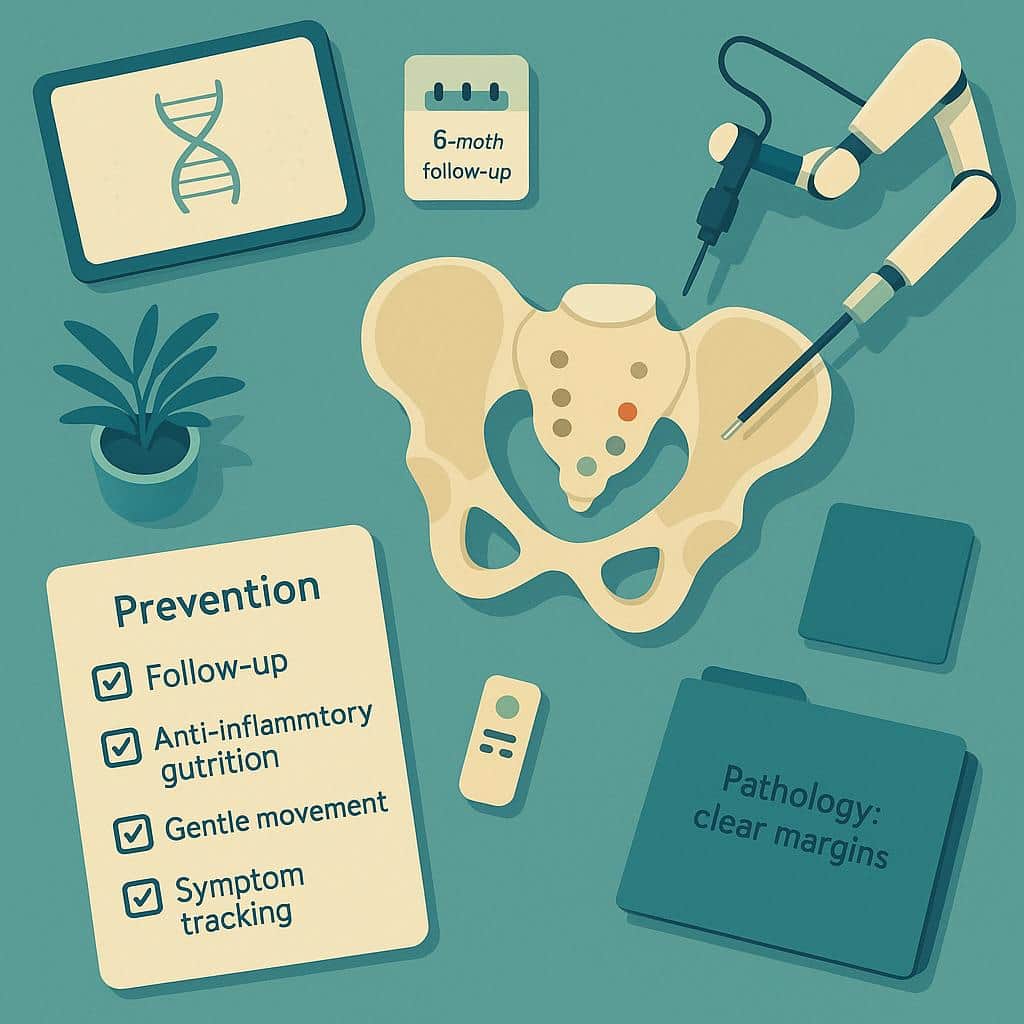
Recovery habits matter too, especially protecting the pelvic floor and gradually rebuilding strength. Pelvic floor physical therapy can be very helpful after surgery to address muscle guarding, painful sex, bladder or bowel symptoms, and persistent pelvic pain patterns that can mimic recurrence. We also encourage prioritizing sleep, stress regulation, and an anti-inflammatory way of eating to support healing and reduce flares. If you’d like, reach out to schedule a consultation so we can personalize a recurrence-prevention plan.
Where to go from here
Understand it, compare it with what you're feeling, then talk it through with us.
Understand
Understand the condition
Compare
Symptoms it can relate to
Speak with Us
Keep Symptoms From Returning
Our specialists can help tailor a hormone plan and recovery routine to reduce your risk of endometriosis symptoms coming back after surgery. We'll support you with personalized care and pelvic floor therapy guidance.
Questions people ask next
All general questionsDo I need birth control after endometriosis excision to prevent recurrence?
Not everyone needs birth control after endometriosis excision to prevent recurrence. Hormonal suppression may lower recurrence risk for some patients, but whether it makes sense depends on your goals, surgical findings and how you tolerate hormones.
Can endometriosis come back after excision surgery?
Yes, endometriosis can come back after excision surgery, even when it is performed well. Recurrence can mean symptoms returning, new lesions forming, or an endometrioma (ovarian cyst) coming back. Disease left behind is the biggest driver of recurrence risk.
What are signs endometriosis has returned after surgery?
Signs can include pelvic or period pain, pain with intercourse, or bowel or bladder symptoms that improve after surgery and then return months or years later. Recurrent pain doesn’t always mean recurrent disease; pelvic floor dysfunction or adhesions can also cause pain.
What if my pain returns after endometriosis surgery?
Pain returning after endometriosis surgery doesn’t automatically mean surgery failed. Endometriosis left behind, new lesions or another condition can cause pain, and re-evaluation may guide medical management, pelvic floor treatment or a surgical second-look when appropriate.
Further reading
Preventing Endometriosis Recurrence After Surgery: What Helps?
Discover effective strategies to prevent endometriosis recurrence post-surgery. Learn about management options and warning signs. Get informed today!
Reducing Your Risk of Endometriosis Recurrence
Learn why endometriosis recurs (incomplete excision, hormonal, immune, toxin and molecular factors) and how precise robotic surgery and 3D optics can reduce risk.
Life Beyond Endometriosis Surgery: Recovery & Well-Being
Your guide to endometriosis surgery recovery: healing tips, nutrition, mental health support, recurrence prevention, and planning for long-term wellness.