Symptoms
Why doesn’t one medication fix all my pelvic pain?
The short answer
Pelvic pain can come from menstrual cramps, inflammation, pelvic floor muscle guarding and nerves, so one medication often can’t cover every type of discomfort. Pain relief often works best when treatments are matched to the main sources of your pain.
Pain in conditions like endometriosis or adenomyosis doesn’t all come from one source, so a single medication often can’t cover every type of discomfort. Cramping driven by the menstrual cycle, inflammatory pain from irritated tissue, muscular pain from pelvic floor guarding, and nerve-related pain can feel similar, but they don’t behave the same way in the body.
That’s why pain relief often works best with a targeted plan rather than a one-size-fits-all prescription. In our practice, we focus on identifying the main drivers of your pain based on your symptoms and exam findings, then matching treatment options to those drivers. If your pain relief feels incomplete despite trying medications, reach out to schedule a consultation so our team can help clarify what’s contributing and map out next steps.
Where to go from here
Understand it, compare it with what you're feeling, then talk it through with us.
Compare
Symptoms it can relate to
Speak with Us
Get Pain Relief That Fits You
Your pelvic pain is unique and deserves a targeted treatment plan. Our specialists pinpoint your pain sources to create a tailored approach just for you.
Questions people ask next
All symptoms questionsWhat if deep pelvic pain isn’t controlled by medication?
If medication doesn’t control deep pelvic pain, the next step is usually a tailored plan that reassesses all pain drivers. This can include pelvic floor therapy and, if evaluation suggests persistent endometriosis is a primary driver, excision surgery.
What medications help endometriosis and adenomyosis?
For endometriosis and adenomyosis, NSAIDs like ibuprofen can help pain, and hormonal medications can sometimes lessen bleeding and pain. NSAIDs don’t treat the underlying disease, and hormonal relief varies and typically lasts only while you’re on medication.
Can pelvic floor therapy reduce endometriosis pain?
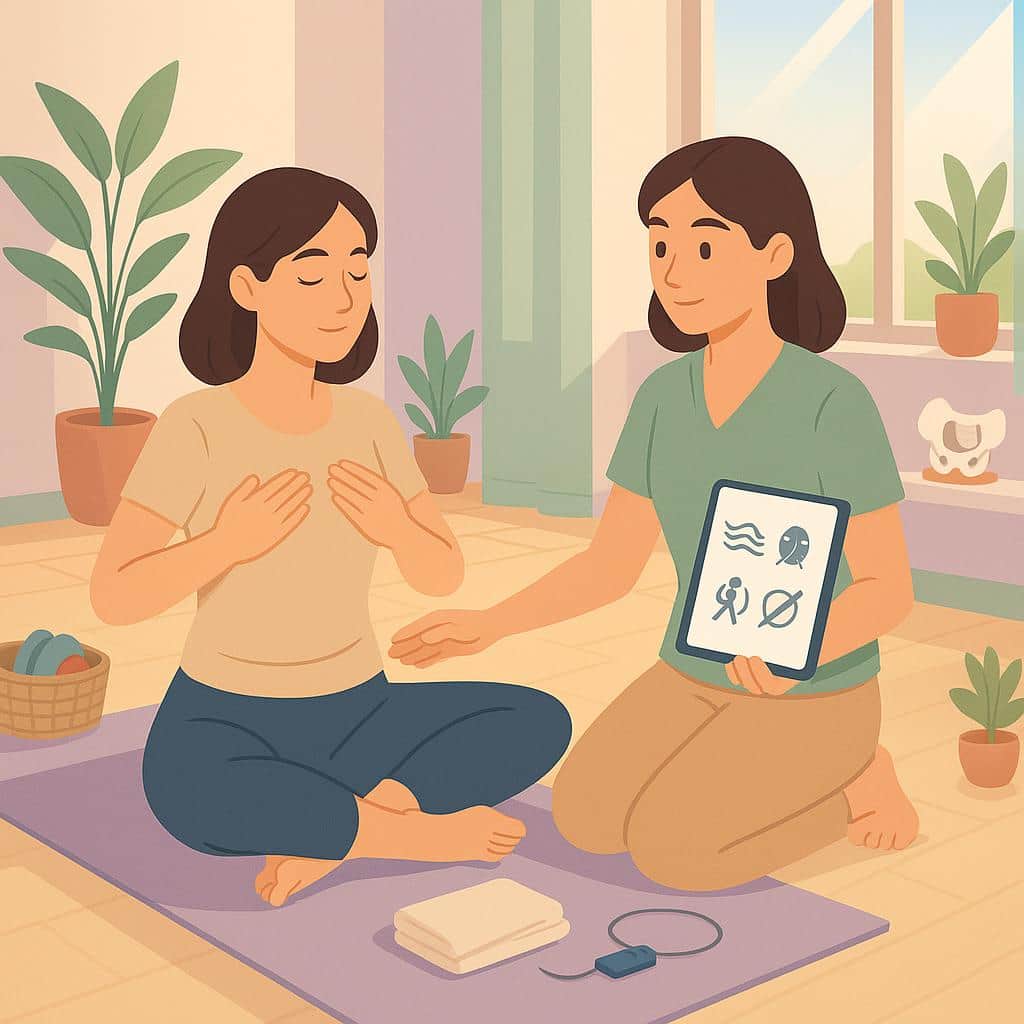
Yes, pelvic floor therapy can help reduce endometriosis pain, especially when tight pelvic muscles and sensitized nerves contribute to it. It can help muscles relax and improve coordination, as a complement to surgery or medical treatment, not a replacement.
What treatments help nerve-related pain in endometriosis or adenomyosis?
Treatments for nerve-related pain in endometriosis or adenomyosis may include nerve-pain medicines, topical lidocaine in select situations, TENS and pelvic floor rehabilitation. For some patients, nerve blocks can help identify pain pathways and provide relief.
Further reading
Different Types of Endometriosis Pain and What Helps
Learn how endometriosis pain can feel, what may drive each pattern, and which assessment and treatment options to discuss with your doctor.
Non-hormonal Options for Endometriosis Pain: What’s Actually Worth Trying?
Discover evidence-based nonhormonal treatments for endometriosis pain. Find options you can try now for effective symptom management.
Can Physical Rehab Reduce Endo and Adeno Pain?
How pelvic rehab and pelvic floor PT can help endometriosis and adenomyosis pain. What it treats best, who benefits, timelines, red flags, and questions to ask.