


Making a Fertility Plan: Working with Your Endometriosis Care Team
Learn how to create a patient-centered fertility plan with your endometriosis care team, addressing symptoms, treatment, and desired timelines.
10 minute read
Read moreDiscover how Lotus can guide you toward lasting relief.
Explore why patients choose Lotus
Search expert-written answers, browse by topic, or find information based on where you are in your journey.
Explore All KnowledgeReach out and start your healing journey.
Schedule an AppointmentInsights into how endometriosis impairs conception and what can help. Explore mechanisms, diagnostics, prognosis, and treatments—from expectant care and surgery to ART—to plan next steps and improve your chances.
Infertility is a common and often overwhelming challenge for those with endometriosis, and understanding why it happens is a crucial first step toward making informed decisions. This category explains the biological mechanisms that interfere with conception—such as disrupted pelvic anatomy, chronic inflammation, altered ovarian reserve, impaired egg quality, and changes in hormonal or immune signaling. You’ll also find guidance on what a thorough infertility evaluation should include, how to interpret key test results, and which factors meaningfully influence your chances of conceiving naturally.
We focus on evidence-based insights to help you understand timelines, prognosis, and when to seek specialist support. You’ll learn what symptoms or test findings warrant early intervention, how pain severity relates to fertility, and what role surgical treatment may play in improving natural conception rates. While IVF and other assisted options are addressed in their own dedicated category, this section gives you the clarity and foundation needed to navigate the early stages of your fertility journey with endometriosis.
Yes. Endometriosis can absolutely show up in your late 20s and it can be a driver of both chronic pelvic pain and fertility challenges. Pain can include severe or worsening period cramps, pain with sex, bowel or bladder pain, and “flare” patterns that track with your cycle—although symptom severity doesn’t always match how much disease is present.
Endometriosis can affect fertility in several ways, including adhesions that distort tubo‑ovarian anatomy, inflammation and immune signaling that interferes with fertilization or embryo development, and ovarian factors—especially when endometriomas are involved. For some patients, the uterine environment also matters, particularly when adenomyosis is present alongside endometriosis. In our practice, we focus on listening to your full symptom and fertility story and then building an evaluation that looks for endometriosis while also checking for common look‑alikes or coexisting issues, so we can tailor a plan to your goals—whether that’s pain relief, preserving fertility, or both.
Many clinicians focus on fertility because endometriosis can affect it through several pathways—not just “blocked tubes.” Disease can distort pelvic anatomy with adhesions, create an inflammatory environment that interferes with fertilization and implantation, and sometimes impact ovarian reserve (especially when endometriomas are involved). Fertility is also time-sensitive, so teams often raise it early to avoid surprises and to help patients make decisions that still keep future options open.
That said, fertility should never be the only lens. Endometriosis is a whole-body, quality-of-life disease—pain, bowel and bladder symptoms, fatigue, painful sex, and missed work or school are valid reasons to pursue evaluation and treatment whether or not pregnancy is a goal. In our practice, we center the plan on what matters to you—symptom relief, long-term function, and, if relevant, a thoughtful fertility strategy that fits your timeline. If you’re feeling dismissed or “reduced to your uterus,” reach out to schedule a consultation so we can map out an individualized plan that treats you as a whole person.
Yes—endometriosis can be suspected during an IVF workup, but it’s often not definitively “found” unless there’s a clear clue. Antral follicle count ultrasound may reveal an ovarian endometrioma, and your history (painful periods, pain with sex, bowel/bladder symptoms, prior cysts) can raise suspicion even when routine imaging looks normal.
What IVF testing typically can’t do is reliably rule endometriosis out. Superficial disease and many forms of deep endometriosis may be missed on standard pelvic ultrasound, and even high-quality imaging needs expert interpretation to identify subtler patterns or related conditions like adenomyosis.
If endometriosis is a concern during fertility planning, our team focuses on a thorough, story-driven evaluation plus targeted exam and expertly interpreted ultrasound/MRI when appropriate—so you’re not left guessing between “unexplained infertility” and a potentially treatable root cause. If you’re in the middle of IVF decisions, reach out to schedule a consultation so we can help you clarify what may be present and how it could impact next steps.
An HSG (hysterosalpingogram) is designed to evaluate the uterine cavity and whether the fallopian tubes are open, so it does not reliably “detect” endometriosis. Most endometriosis lesions live on the outside surfaces of pelvic organs or deeper within tissues—areas an HSG can’t visualize.
That said, an HSG can sometimes hint at problems that can coexist with endometriosis or be related to it, like tubal blockage, scarring, or distorted tubal anatomy—findings that matter, especially when fertility is part of the concern. In our evaluation process, we look at your full symptom pattern and history and then use targeted tools like expertly interpreted ultrasound or MRI when appropriate, with surgery and tissue confirmation reserved for situations where it will truly change management.
If you’ve had an HSG and still feel you don’t have clear answers, we can help you connect the dots—endometriosis is often missed when testing is limited to what’s easiest to measure. Reach out to schedule a consultation so our team can review your symptoms and prior imaging and map out the most direct path to an accurate diagnosis and durable relief.
When infertility and suspected endometriosis overlap, we usually evaluate two things in parallel: whether there’s an underlying fertility factor (ovulation, sperm, tubal/uterine issues) and whether endometriosis or adenomyosis is likely contributing through inflammation, adhesions, or anatomic distortion. The workup often starts with a detailed history of cycle patterns, pain and bowel/bladder symptoms, prior pregnancies or losses, and any past surgeries—because the symptom pattern can help us target the right testing instead of repeating “normal” basics.
Testing commonly includes pelvic imaging—typically a high-quality transvaginal ultrasound and, when indicated, expertly interpreted MRI—to look for endometriomas, deep disease features, adenomyosis, and other pelvic conditions that can impact implantation or egg pickup. A fertility evaluation may also include ovarian reserve and hormone labs, confirmation of ovulation timing, and assessment of the uterine cavity and fallopian tubes (for example with contrast-based imaging) plus a semen analysis for your partner. In selected patients, we also look for coexisting issues that can complicate fertility or mimic endo symptoms—such as thyroid dysfunction, PCOS patterns, autoimmune overlap, or other whole-body drivers that can amplify inflammation.
It’s important to know that imaging and labs can strongly raise or lower suspicion, but endometriosis is ultimately confirmed by tissue diagnosis when surgery is performed, and biopsy results depend on sampling and surgical expertise. If you share what testing you’ve already had and your main symptoms, our team can review your records, identify what’s missing (if anything), and map out the most efficient next steps—whether that’s further evaluation, fertility planning, or considering excision surgery as part of a fertility-focused strategy.
Not always—but laparoscopy (surgery) is often the step that brings clarity when endometriosis is a suspected driver of infertility. Endometriosis can reduce fertility through inflammation, endometriomas, scarring/adhesions that distort the ovaries and tubes, and changes that interfere with egg pickup, embryo transport, or implantation. Imaging and clinical evaluation can strongly suggest disease in some patients, but endometriosis still can’t be definitively diagnosed without surgically removing tissue for confirmation.
When infertility is the main concern, the real question is usually whether surgery is likely to improve your specific barriers to conception—such as a suspected endometrioma, tubal damage, or deep disease affecting pelvic anatomy. In those cases, our team typically focuses on complete excision (rather than burning lesions), because leaving disease behind can mean persistent inflammation and ongoing fertility challenges. If you’re trying to decide whether surgery belongs in your fertility plan, we can walk through your full history, imaging, and goals and map out a strategy that fits—whether that means moving toward excision, coordinating with fertility treatment, or first ruling out other common contributors that can look like (or coexist with) endometriosis.
If you have endometriosis, “better” usually depends on what decision you can make right now: do you have (or want to use) a specific sperm source, and are you trying to preserve fertility as a solo option or as a plan with a partner. Embryo freezing often gives the clearest picture of what you’ve preserved because eggs have already been fertilized and developed, while egg freezing preserves reproductive flexibility if your plans, relationship status, or sperm choice could change.
Endometriosis can affect fertility through more than one pathway—ovarian factors (including endometriomas and ovarian reserve), pelvic anatomy/adhesions, and implantation biology—so freezing is often part of a bigger strategy rather than the whole answer. If your main concern is protecting future options before possible surgery or as time passes, egg freezing may fit that goal; if your priority is maximizing a known plan with known sperm, embryo freezing may be the more direct path.
We help patients map these choices to their actual situation—your age and ovarian reserve markers, whether endometriomas are present, prior surgeries, pain/inflammation patterns, and whether there may be additional fertility factors beyond endometriosis. If you’d like, reach out to our team for a coordinated plan that fits both symptom management and fertility preservation, so the timing of treatment and the next steps make sense together.
Yes—alcohol and caffeine may matter for some people, but they’re unlikely to be the main driver of endometriosis‑related infertility on their own. Endometriosis can impair fertility through inflammation and immune signaling, effects on egg quality and ovulation (especially with endometriomas), changes in fallopian tube function and pelvic anatomy, and altered uterine receptivity—so the picture is usually multifactorial.
In the research, alcohol and caffeine show up more as potential contributors to hormone metabolism, inflammation, oxidative stress, and sleep/stress physiology than as clear, stand‑alone causes of infertility. That means some patients notice improvement when they reduce or eliminate them, while others see no meaningful change—especially if active disease (like deep endometriosis, tubal involvement, or endometriomas) is the dominant issue. If you’re trying to conceive and wondering what role these exposures might be playing in your case, our team can help you map your symptoms, imaging, ovarian reserve considerations, and prior fertility history to a plan that targets the factors most likely to move the needle.
Learn how to create a patient-centered fertility plan with your endometriosis care team, addressing symptoms, treatment, and desired timelines.

Explore how adenomyosis affects pregnancy and fertility with endometriosis. Get trusted research insights and advice for your care team.

Explore when surgery or IVF is best for endometriosis. Understand the decision-making process and what to consider for fertility and health.

Discover how endometriosis impacts fertility and what recent research reveals. Understand the factors influencing conception. Read now!

Explore the emotional impact of endometriosis on fertility fears. Understand your worries with recent research and practical steps for your journey.

Explore how adenomyosis affects fertility. Learn about symptoms, research, and treatment options for better reproductive health.

Discover what adenomyosis is, why it's often overlooked, and treatment options. Understand its symptoms and relation to endometriosis.
Explore how PCOS and endometriosis impact fertility and health. Discover key research findings and treatment options for women facing these challenges.
Discover how to navigate pregnancy with endometriosis while managing symptoms. Explore safe options and recent research on fertility and treatment.
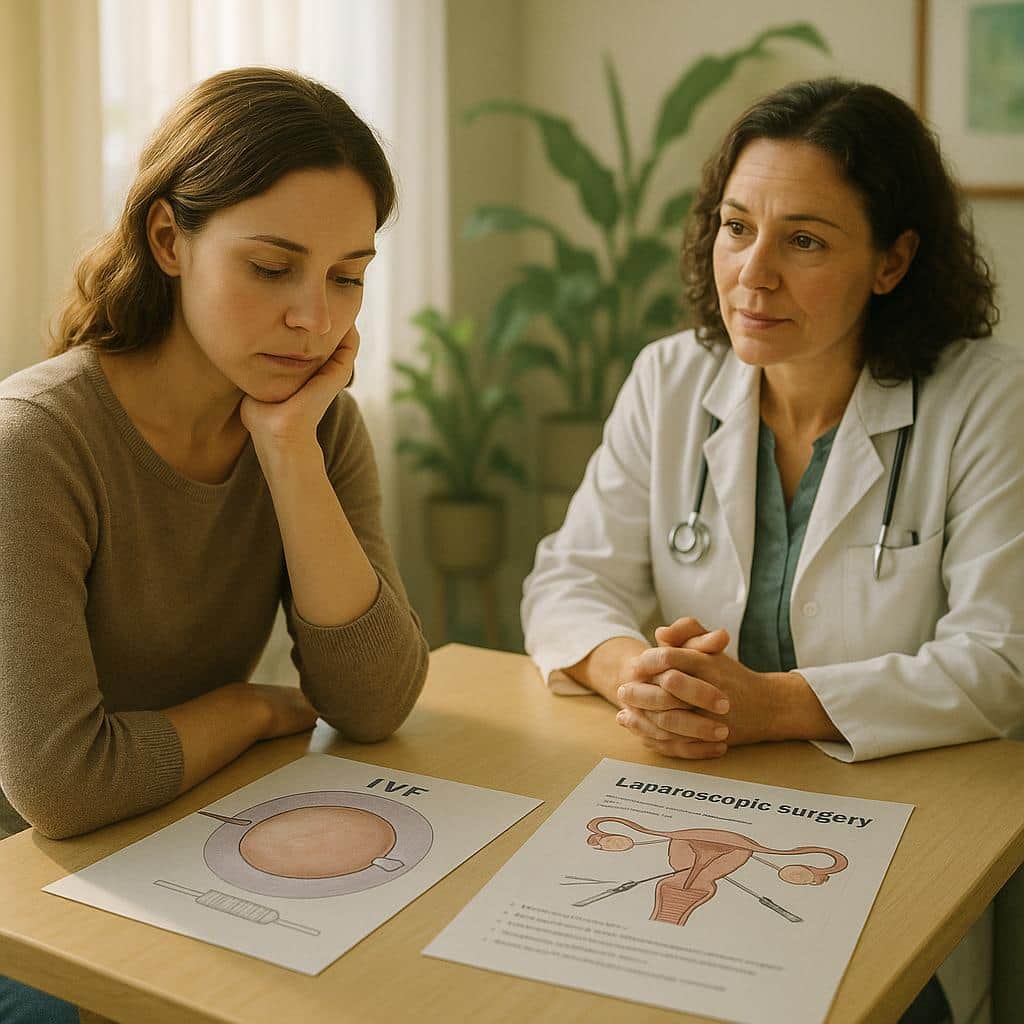
Explore options for bowel endometriosis and infertility. Understand whether surgery or IVF should be your first step. Get reliable insights now.
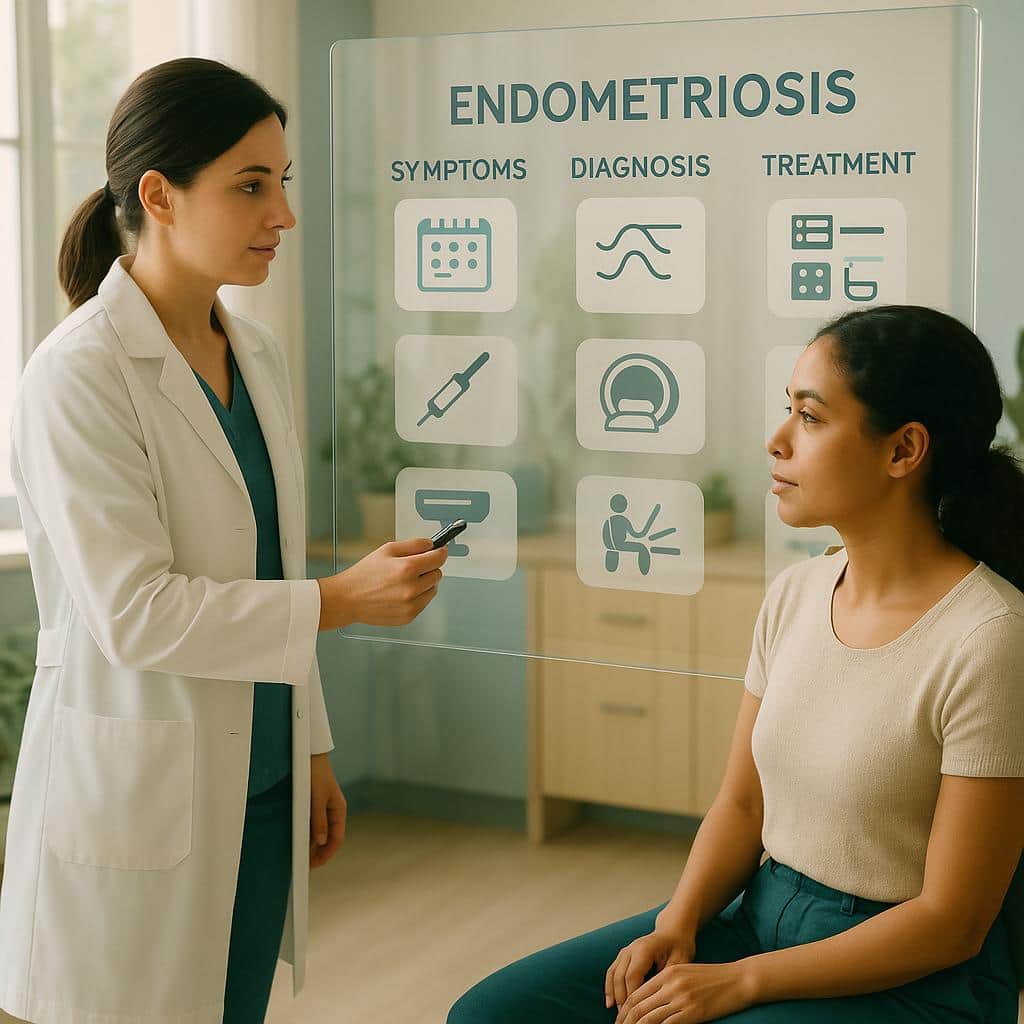
Recognize endometriosis: painful periods, GI and urinary symptoms, dyspareunia, infertility. Understand causes, complications, diagnosis, and medical/surgical treatment options.
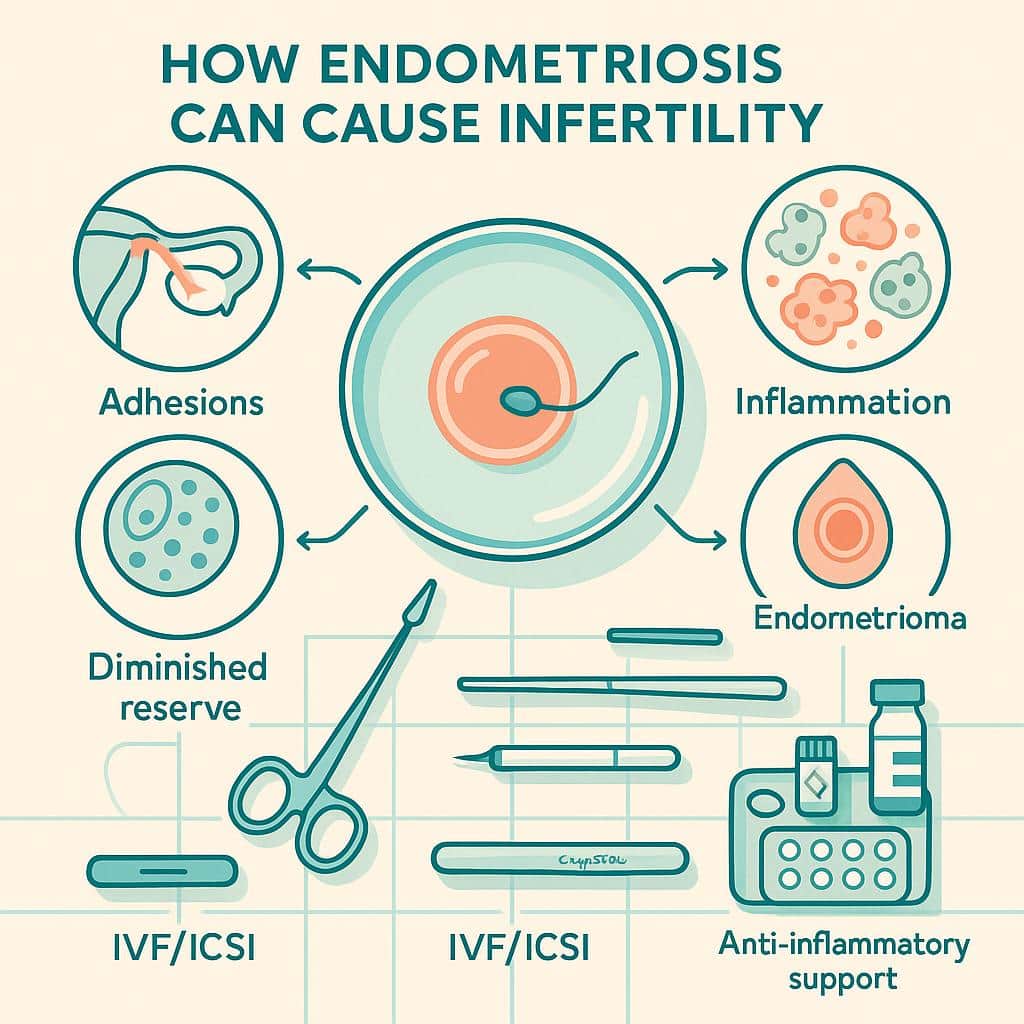
How endometriosis leads to infertility: pathogenesis; effects on gametes, tubes, and endometrium; and treatments—expectant care, surgery, and ART.
Lotus Endometriosis Institute provides California-based surgical evaluation and advanced excision care for patients with suspected endometriosis, adenomyosis, complex pelvic pain, and related conditions.
Many patients contact us from outside California to learn whether traveling for in-person evaluation and possible surgery may be appropriate.
2121 Santa Monica Blvd, Santa Monica, CA 90404
8am - 5pm
Monday - Friday
154 Traffic Way, Arroyo Grande, CA 93420