
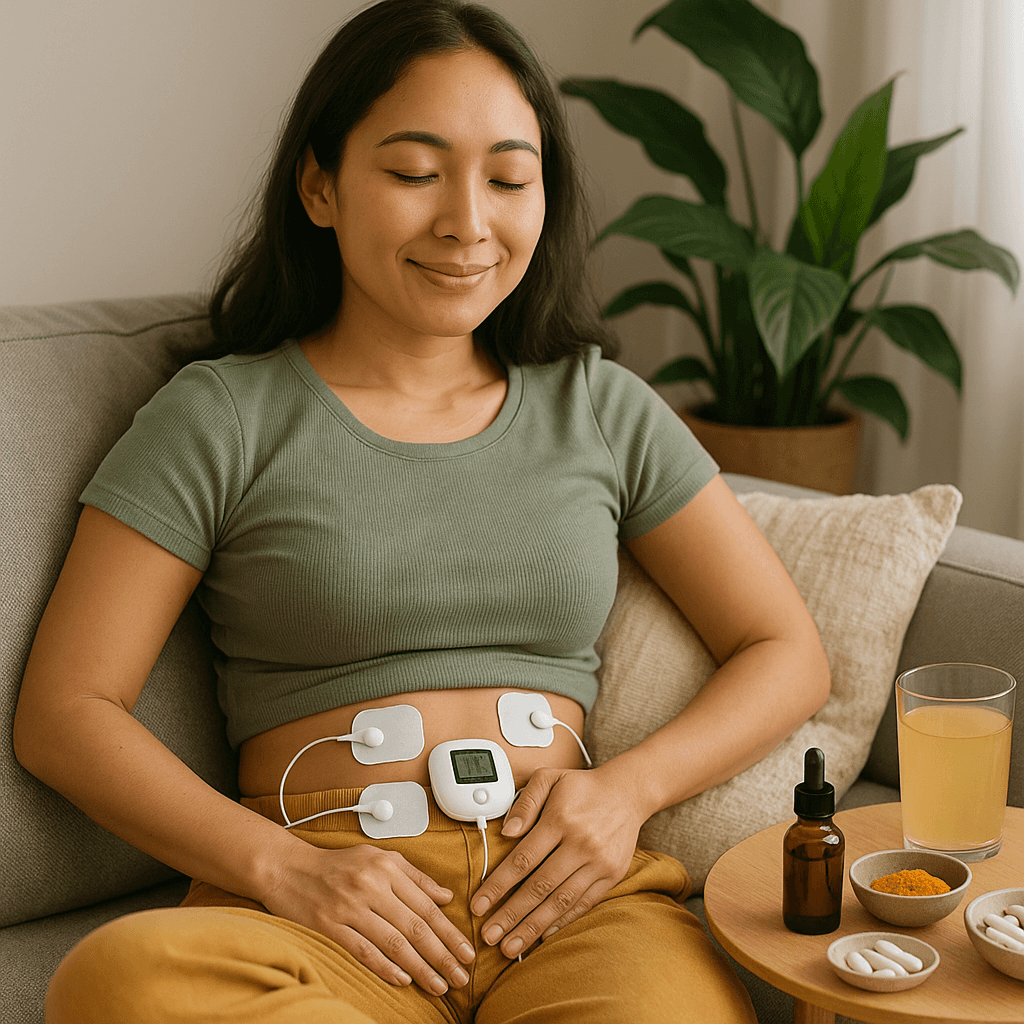
Natural Approaches to Managing Endometriosis Pain
Learn how TENS, diet changes, CBD, turmeric, meditation, yoga, and acupuncture can complement care and help relieve pelvic pain from endometriosis.
5 minute read
Read moreDiscover how Lotus can guide you toward lasting relief.
Explore why patients choose Lotus
Search expert-written answers, browse by topic, or find information based on where you are in your journey.
Explore All KnowledgeReach out and start your healing journey.
Schedule an AppointmentEvidence-informed insights on acupuncture for endometriosis: how it may ease pelvic pain, proposed mechanisms, safety considerations, and practical tips for integrating sessions with medications, pelvic PT, and other holistic therapies.
Acupuncture is a neuromodulating therapy that uses fine needles to influence pain pathways, immune signaling, and autonomic balance. In endometriosis and adenomyosis, small randomized trials and meta‑analyses suggest modest reductions in period pain and chronic pelvic pain, with some people also reporting better sleep and lower stress. Proposed mechanisms include endorphin release, decreased central sensitization, anti‑inflammatory effects, and improved pelvic blood flow—features that can help cramping, pressure, and some nerve‑related symptoms without replacing disease‑directed care.
Care is individualized. Many start with 6–8 weekly sessions, sometimes including electroacupuncture or ear points, then taper to maintenance if benefits persist. Safety is favorable with licensed clinicians using sterile, single‑use needles; common effects are brief soreness or fatigue. Guidance focuses on who may benefit, how to set realistic goals, and how to coordinate with Medical Management for pain control, surgical planning when appropriate, and supportive therapies like Pelvic Floor PT and Mind-Body Practices. Practical tips include timing sessions around menses for cramps, adapting for neuropathic features, and understanding considerations during fertility care or pregnancy.
Evidence for complementary therapies in endometriosis is mixed, but some patients do find them helpful for symptom control—especially pain—when used alongside medical treatment. In our experience, the most common options patients ask about are nutrition-focused changes, acupuncture, and pelvic floor physical therapy.
These approaches don’t remove endometriosis or adenomyosis, but they may help reduce inflammation-driven discomfort, calm muscle guarding, and improve day-to-day function for some people. If you’re considering complementary therapies, our team can help you think through what fits your symptoms and overall treatment plan, and how it may integrate with options like excision surgery when appropriate.
Acupuncture can be a helpful tool for some people with chronic pelvic pain, particularly for reducing pain intensity and easing muscle tension. Many patients also notice improved relaxation and sleep, which can make pain feel more manageable day to day.
That said, responses vary, and acupuncture tends to work best as part of a broader plan rather than a standalone solution. If your pelvic pain is persistent or tied to symptoms like painful periods, pain with sex, bowel or bladder pain, or infertility, our team can help evaluate potential underlying causes and discuss how integrative options like acupuncture may fit alongside medical or surgical treatment.
Acupuncture is generally considered safe when it’s performed by a properly licensed clinician using sterile, single-use needles. The most common side effects are temporary soreness, lightheadedness, or small bruises at needle sites, and these are usually mild.
If you’re taking hormones or NSAIDs, acupuncture typically doesn’t pose a specific safety conflict, but it’s still important that your acupuncturist knows your full medication list and bleeding history. With blood thinners, bruising or prolonged bleeding can be more likely, so gentler techniques and careful point selection may be appropriate. In pregnancy, many clinicians avoid certain points and approaches, so sessions should be planned with pregnancy in mind. During IVF, acupuncture may be used for comfort and stress support, but it hasn’t consistently been shown to improve live-birth rates—if you’re considering it, our team can help you think through safety and timing alongside your fertility plan.
Choose a licensed acupuncturist who routinely treats pelvic pain and is trained in clean-needle technique. We also encourage looking for a trauma-informed approach, clear communication about consent and positioning, and a willingness to coordinate care with our team when pelvic symptoms are complex or tied to suspected endometriosis or adenomyosis.
A typical visit often includes a brief intake, then fine needles placed for a set period; most people feel minimal insertion discomfort. Many patients notice a deep sense of relaxation afterward, and it’s also common to feel mildly tired the rest of the day. If you’re unsure whether acupuncture is a good fit alongside surgical evaluation or other treatment planning, reach out to schedule a consultation with our team so we can help you build a coordinated plan.
A practical way to gauge acupuncture is to plan a short, structured trial rather than going indefinitely. For many patients, that looks like 6–8 weekly sessions, with early signs of meaningful change often showing up by the third or fourth visit.
If you’re noticing clear improvement, sessions can often be spaced out (for example, every 2–4 weeks) to help maintain the gains. If there’s no noticeable shift by about eight sessions, it may be a sign to adjust the plan or focus your time and energy on other options—our team can help you think through what makes the most sense for your symptoms and goals.
Yes—acupuncture can reduce pain for some people with endometriosis or adenomyosis, with studies suggesting small to moderate improvements in period pain and chronic pelvic pain. In our experience, it may be most helpful as part of a broader plan rather than a stand-alone solution.
It’s important to know acupuncture doesn’t treat the underlying disease or remove endometriosis lesions, so it shouldn’t be viewed as a cure. Instead, it may help by calming pain signaling and inflammation and by lowering stress-related pain amplification, which can translate into less cramping, pelvic heaviness, and fewer flare-ups. If you’re considering acupuncture but still having significant symptoms, our team can help evaluate what’s driving your pain and discuss options that address both symptom control and root causes.
Learn how TENS, diet changes, CBD, turmeric, meditation, yoga, and acupuncture can complement care and help relieve pelvic pain from endometriosis.
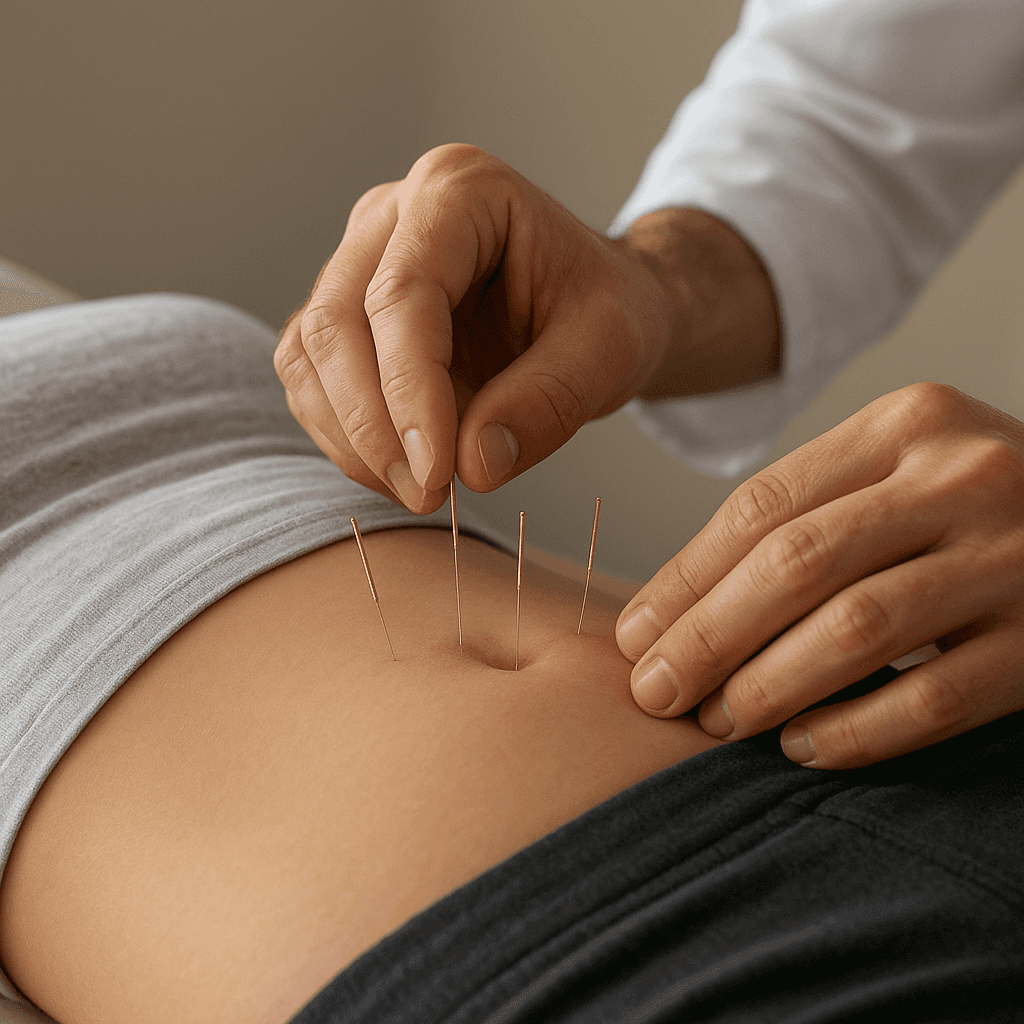
Acupuncture for endometriosis pain: how it may modulate nerves, hormones, and blood flow; evidence of benefit, risks, and ways to combine with standard care.
Lotus Endometriosis Institute provides California-based surgical evaluation and advanced excision care for patients with suspected endometriosis, adenomyosis, complex pelvic pain, and related conditions.
Many patients contact us from outside California to learn whether traveling for in-person evaluation and possible surgery may be appropriate.
2121 Santa Monica Blvd, Santa Monica, CA 90404
8am - 5pm
Monday - Friday
154 Traffic Way, Arroyo Grande, CA 93420