

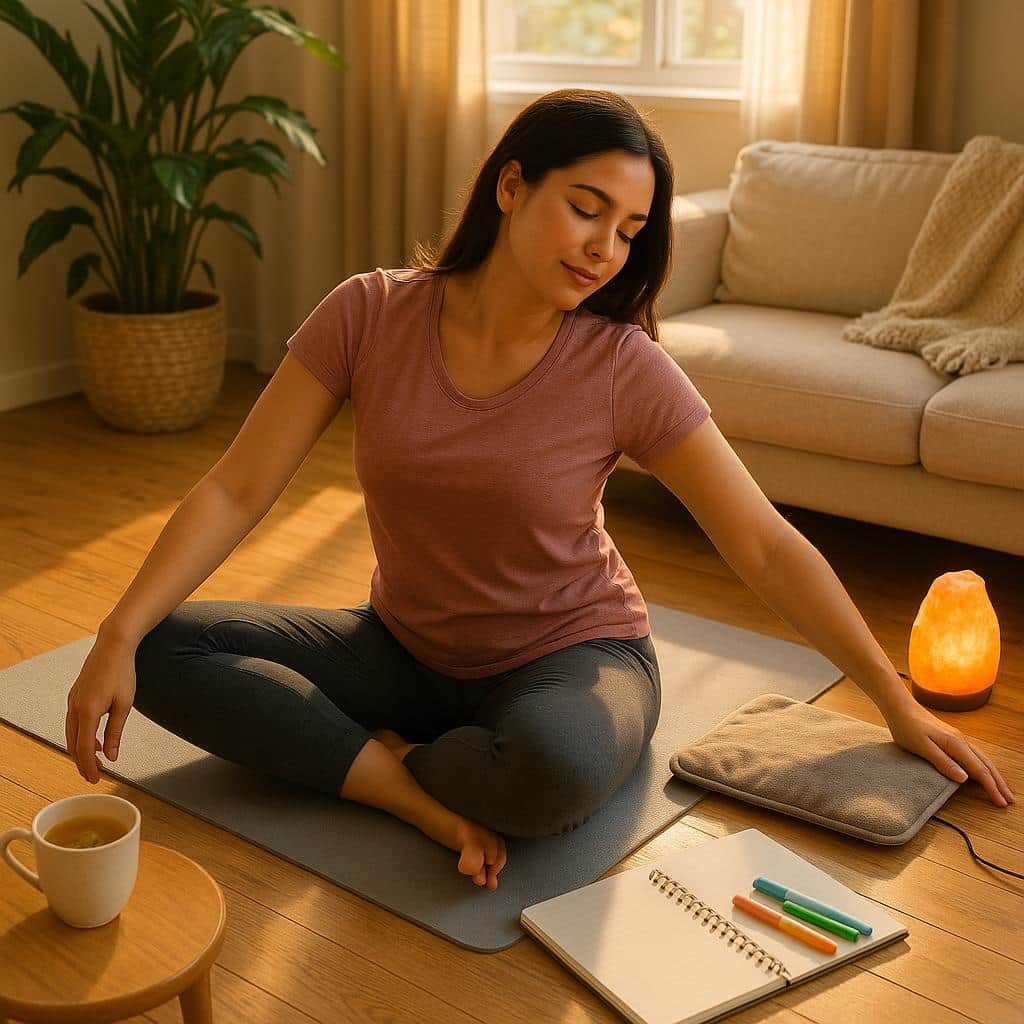
Holistic Tools That Actually Help Endometriosis Pain
Explore effective holistic tools that aid in managing endometriosis pain alongside conventional treatments. Discover reliable strategies today.
9 minute read
Read moreDiscover how Lotus can guide you toward lasting relief.
Explore why patients choose Lotus
Search expert-written answers, browse by topic, or find information based on where you are in your journey.
Explore All KnowledgeReach out and start your healing journey.
Schedule an AppointmentEvidence-based techniques like mindfulness, yoga, breathwork, and biofeedback to ease endometriosis pain, reduce stress, improve sleep and mood, and support recovery alongside medical care.
Mind‑body practices—mindfulness meditation, gentle yoga, breathwork, guided imagery, and biofeedback—help calm an overactive pain system and support recovery for people with endometriosis or adenomyosis. By lowering sympathetic arousal and improving vagal tone, these tools can reduce central sensitization, pain catastrophizing, and muscle guarding that often amplify pelvic and period pain. Clinical studies of mindfulness‑based programs and yoga show modest but meaningful improvements in pain, stress, sleep, and quality of life when added to medical or surgical care.
Guides focus on choosing practices that fit your energy and symptoms, adapting movement during flares, and building a sustainable routine. Learn breath‑led techniques for pain and sleep, pacing strategies, and when biofeedback or apps may help, alongside guidance on integrating with medications, Pain Relief, and postoperative plans in Postoperative Recovery. Scope centers on self‑applied skills; hands‑on therapies such as Pelvic Floor PT or clinician‑delivered options like Acupuncture are covered elsewhere, while broader lifestyle tools appear in Stress Reduction.
Many people with endometriosis try “alternative” medicine because they’ve spent years in pain without clear answers or durable relief. When hormones cause side effects, symptoms persist after prior treatments, or surgery feels out of reach, it’s completely understandable to look for something—anything—that offers a sense of control and day-to-day functioning. Social media and anecdotal stories can also make certain approaches sound like hidden “cures,” especially when the medical system has been dismissive or slow to diagnose.
We also see another, more practical reason: endometriosis pain is multifaceted—driven by inflammation, pelvic floor and musculoskeletal factors, nerve irritation, and sometimes central sensitization—so patients often need more than one tool. The key distinction is that integrative care is meant to work alongside mainstream medical and surgical treatment, not replace it. Our approach is to help you separate what’s promising and measurable from what’s expensive, vague, or marketed as a miracle, and build a coordinated plan that targets both the disease and the pain mechanisms that keep symptoms going. If you’re feeling pulled toward alternative options, we invite you to reach out—so we can help you make a plan that protects your time, your body, and your long-term goals.
Yes—stress can make endometriosis feel worse, even if it isn’t the root cause. When your stress response is chronically activated, cortisol and other stress hormones can amplify inflammation and change how your brain and spinal cord process pain signals, which can translate into more frequent or more intense flares.
Stress also feeds a pain–stress cycle: pain disrupts sleep and nervous system regulation, and poor sleep and ongoing tension make the nervous system more sensitive (sometimes called central sensitization). In that state, normal pelvic sensations can register as pain more easily, and symptoms like cramping, bowel/bladder urgency, and “tethered” pulling discomfort can feel harder to control.
The important nuance is that stress management is not a substitute for treating endometriosis lesions—it’s a powerful way to reduce the volume on your symptoms while we address the underlying disease. Our team often integrates targeted nervous-system support (like mindfulness-based pain skills and gentle movement approaches) alongside medical and surgical planning so you’re not left white-knuckling through flares. If stress seems to be a major trigger for you, reach out to schedule a consultation so we can tailor a plan around your symptom pattern and goals.
Stress and sleep loss can make endometriosis-related pain feel louder because they change how your nervous system processes threat and discomfort. When your body is under chronic strain, pain pathways in the brain and spinal cord can become more reactive (often called central sensitization), so sensations that might otherwise be tolerable can register as sharper, more widespread, or harder to “turn off.” This is one reason pain intensity doesn’t always match what imaging shows—or even what’s happening in a single spot in the pelvis.
Stress and poor sleep can also reinforce each other and feed a flare cycle: pain disrupts sleep, sleep deprivation lowers pain tolerance, and stress hormones and muscle tension can amplify pelvic, back, bowel, or bladder pain. Importantly, this doesn’t mean the pain is “in your head”—it means your nervous system has been forced to run on high alert for too long.
In our practice, we look at both sides of the equation: treating endometriosis/adenomyosis as a disease when appropriate (for example, evaluating whether excision surgery is indicated) and building a pain plan that addresses nervous-system amplification so you can function while we work on the root drivers. If your flares predictably track with stressful periods or bad nights, that pattern is useful clinical information—reach out to our team and we can help you make sense of it and map out next steps.
Breathwork, meditation, gentle yoga, and biofeedback are some of the most consistently helpful mind-body tools we see for people living with chronic pelvic pain and endometriosis-related symptoms. They can calm the body’s stress response, which often lowers pain sensitivity and can make flares feel more manageable.
The “most effective” practice is usually the one you can do regularly and that matches your symptoms—some people do best with short breathing sessions during a flare, while others benefit more from a steady meditation or biofeedback routine to support sleep, mood, and recovery between flares. If you’re not sure where to start or your symptoms keep breaking through, our team can help you think through a plan that fits your day-to-day life and overall treatment goals.
Stress reduction works best as a consistent foundation alongside hormone therapy, surgery, and pelvic physical therapy—not a last‑minute add‑on. Before treatment, it can help calm your nervous system and make symptoms, sleep, and decision-making feel more manageable. During treatment, it can reduce procedure-related anxiety and help you stay grounded through medication changes, appointments, and flare-ups.
After surgery or during PT, stress reduction can support recovery by helping quiet pain amplification and making it easier to participate fully in your rehab plan. Our team can help you integrate these strategies into your overall care plan so they complement your goals and don’t compete with your timeline. If you’re not sure where to start or what’s realistic for your day-to-day, reach out to schedule a consultation and we’ll tailor an approach to you.
Yes—stress reduction can meaningfully improve sleep quality and, in turn, persistent fatigue for many people with endometriosis. When your nervous system stays in a high-alert state, it’s harder to fall asleep, stay asleep, and reach the deeper stages of sleep that help restore energy.
In our experience, focusing on steadier daytime stress levels and a consistent evening wind-down can help the body transition into sleep more reliably. Simple cues like protecting low light in the hours before bed, keeping a consistent wake time, and using calming breathing can support deeper sleep, which may also reduce pain sensitivity and make fatigue feel less relentless. If sleep disruption and fatigue are ongoing, our team can help you look at the full picture—including pain drivers and treatment options—and plan next steps with you.
Many patients notice early shifts—like feeling less “wired,” having steadier energy, or recovering from triggers more quickly—within a few weeks of consistent practice. More meaningful changes, such as better sleep quality and a calmer baseline during pain flares, often build gradually over the following month or two.
What matters most is consistency, not doing long sessions perfectly. If you can reliably fit in a brief daily practice, it can support your nervous system and complement the medical and surgical care we tailor to your symptoms. If you’re unsure what’s realistic for your routine—or stress seems to be amplifying your pain—reach out to schedule a consultation with our team.
Yes—mind-body practices can be genuinely helpful for pelvic floor tension and certain nerve-related pain patterns. Techniques like relaxed breathing, mindfulness, and guided imagery can calm the threat response in the nervous system, which may reduce involuntary guarding in the pelvic floor and soften the amplification of pain signals that can happen with sensitization.
That said, these tools usually work best as part of a targeted plan rather than a standalone fix. When we evaluate pelvic pain, we look at whether muscle overactivity, nerve irritation, or both are driving symptoms and then match you with the right combination of hands-on pelvic floor therapy, pain-focused strategies, and—when indicated—surgical treatment for underlying endometriosis or adenomyosis. If you’re unsure what’s contributing to your pain, our team can help you sort that out and build a plan that fits your body and goals.
Explore effective holistic tools that aid in managing endometriosis pain alongside conventional treatments. Discover reliable strategies today.

Discover how physical therapy can alleviate endometriosis pain, improve quality of life, and support pain management strategies.
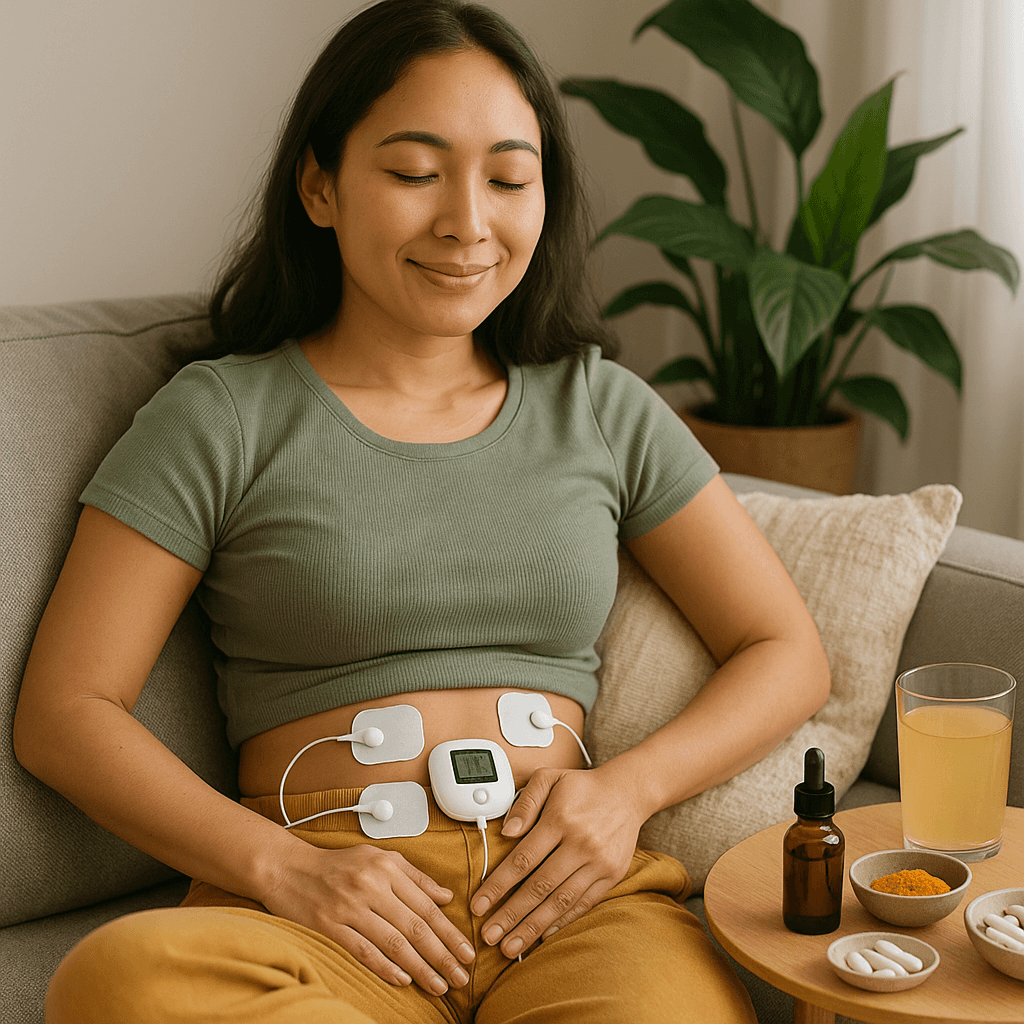
Learn how TENS, diet changes, CBD, turmeric, meditation, yoga, and acupuncture can complement care and help relieve pelvic pain from endometriosis.
Your guide to endometriosis surgery recovery: healing tips, nutrition, mental health support, recurrence prevention, and planning for long-term wellness.
Lotus Endometriosis Institute provides California-based surgical evaluation and advanced excision care for patients with suspected endometriosis, adenomyosis, complex pelvic pain, and related conditions.
Many patients contact us from outside California to learn whether traveling for in-person evaluation and possible surgery may be appropriate.
2121 Santa Monica Blvd, Santa Monica, CA 90404
8am - 5pm
Monday - Friday
154 Traffic Way, Arroyo Grande, CA 93420