


What Now? Your Post‑Endometriosis Surgery Pain Investigation Plan
Discover an investigation plan for post-surgery pain after endometriosis. Learn effective tracking methods to communicate with your care team.
9 minute read
Read moreDiscover how Lotus can guide you toward lasting relief.
Explore why patients choose Lotus
Search expert-written answers, browse by topic, or find information based on where you are in your journey.
Explore All KnowledgeReach out and start your healing journey.
Schedule an AppointmentEvidence-based guidance to relieve endometriosis pain with medical therapy—hormonal and non‑hormonal options, sequencing with or after surgery, side‑effect and safety considerations (including recurrence), and tailored care from diagnosis to menopause.
Medical management focuses on relieving endometriosis pain and abnormal bleeding by suppressing ovarian hormones, calming inflammation, and modulating pain pathways. Medicines can substantially reduce symptoms and lower recurrence risk after surgery, but they do not remove lesions. Plans are tailored to goals such as pain control, bleeding regulation, fertility timing, and life stage, including adenomyosis overlap. Options like the levonorgestrel IUD for longer term symptom control and short course GnRH analogs as part of assisted reproduction may be helpful.
Guidance covers how to choose among continuous combined oral contraceptives, progestogen-only options (oral, injectable, or IUD), GnRH agonists and antagonists with add‑back therapy, and select off‑label choices such as aromatase inhibitors for refractory disease. Non‑hormonal pain medicines and neuromodulators are part of the available options. At-Home Remedies and integrative therapies overlap and nerve‑specific strategies are addressed in Nerve Pain. Learn when medication is preferred, how it can be sequenced with or after Surgery/Excision Surgery, what to expect for side effects and monitoring, and how choices shift when planning pregnancy or navigating Menopause & Hormonal Transitions.
A hysterectomy is typically considered for adenomyosis when symptoms are severe and clearly uterus-driven—most often heavy bleeding (sometimes with anemia), intense cramping, pelvic pressure, and daily quality-of-life disruption—and you’re not planning future pregnancy. It’s the most definitive option because adenomyosis lives within the uterine muscle, so removing the uterus removes the source of the problem.
In practice, we usually weigh hysterectomy most strongly when conservative options haven’t brought acceptable relief, aren’t tolerated, or don’t fit your goals. The decision also depends on the pattern and extent of disease (diffuse adenomyosis versus a more focal adenomyoma that may be removable while preserving the uterus) and whether endometriosis may also be present. If endometriosis is part of the picture, it’s important to know that hysterectomy alone doesn’t treat disease outside the uterus—durable symptom relief depends on addressing all pain generators.
If you’re wondering whether you’re at the point where hysterectomy makes sense, our team can help clarify what’s most likely driving your symptoms, review imaging, and walk you through uterus-preserving versus definitive surgical paths so you can choose the option that best matches your relief and fertility priorities.
Uterine artery embolization (UAE)—sometimes called adenomyosis embolization—can be a good fit when your main goal is symptom relief while preserving the uterus, especially if heavy bleeding and uterine “bulk” symptoms are a big part of your day-to-day. It’s a radiology procedure that reduces blood flow to targeted uterine tissue with the aim of shrinking or calming adenomyosis-related changes. Many patients do report meaningful improvement in quality of life after UAE, and the recovery is typically shorter than major surgery.
Whether it’s “right” depends on what you’re trying to solve (bleeding, pain, fertility, or all three) and whether adenomyosis is the primary driver of your symptoms—or if endometriosis is also part of the picture. In head-to-head research in people with MRI-confirmed, therapy-resistant adenomyosis who were eligible for hysterectomy and not trying to conceive, both UAE and hysterectomy improved quality of life at 1 year, but hysterectomy tended to have an advantage for pain relief and satisfaction. If you want the most definitive option for uterus-driven symptoms, hysterectomy is the clearest “source removal” treatment, while UAE is better viewed as a uterus-preserving option that may help substantially but isn’t guaranteed to be as durable.
If you’re weighing UAE, our team can help you clarify your diagnosis (including whether endometriosis may be contributing), review your imaging and goals, and map out a plan that matches the level of relief you need—now and long-term. Explore our adenomyosis care resources, and reach out to schedule a consultation if you want a personalized decision pathway.
Estrogen is one of the main hormones that drives endometrial growth. In the first half of the menstrual cycle, rising estrogen signals the endometrium to thicken and rebuild after a period, preparing the uterus for a possible pregnancy. It also influences the local immune and inflammatory environment in the uterus, which is part of why hormonal shifts can change bleeding patterns and pain.
When estrogen’s growth signals are strong—and progesterone’s “calming” effect is weaker than expected (often described as progesterone resistance)—the endometrium can behave in a more persistently inflamed, reactive way. This hormone–inflammation pattern is especially relevant in estrogen-dependent conditions like adenomyosis and endometriosis, where tissue similar to the endometrium can contribute to ongoing symptoms. If you’re trying to make sense of heavy bleeding, severe cramping, or cycle-linked pelvic pain, our team can help you connect the hormonal biology to what you’re feeling and review next steps for diagnosis and treatment.
“Estrogen dominance” in endometriosis usually isn’t just about making too much estrogen overall—it’s more often about an estrogen-favoring environment in the pelvis and within the lesions themselves. Many endometriosis lesions can produce estrogen locally (for example, through higher aromatase activity), and that local estrogen can help lesions survive, inflame surrounding tissue, and stimulate nerve growth that drives pain. At the same time, endometriosis commonly behaves as a chronic inflammatory condition, and inflammation can reinforce estrogen signaling and keep the cycle going.
Another key piece is that endometriosis often shows a weaker response to progesterone (“progesterone resistance”), so the normal hormonal braking system that should counterbalance estrogen doesn’t work as well. This can make symptoms feel very hormone-driven even when blood hormone labs look “normal.” Because endometriosis is multifactorial and likely includes different subtypes, the specific drivers of estrogen dominance can vary from person to person—genetics/epigenetics, immune dysfunction, and tissue-level changes can all play a role. If you’re trying to make sense of your symptoms or why hormonal suppression hasn’t brought lasting relief, our team can help you sort out what may be driving your disease and discuss options that focus on treating the endometriosis itself, not just temporarily quieting it.
If ibuprofen isn’t working for you—or you can’t take it—there are still several evidence-based ways we can approach endometriosis pain, depending on what’s driving it. Some pain is more inflammatory and cramp-like, while other pain behaves more like nerve pain (burning, electric, radiating) or becomes amplified over time through central sensitization. That’s why the “best” alternative isn’t one universal medication, but a plan matched to your pain pattern and goals (including fertility).
On the medication side, alternatives may include other NSAIDs, acetaminophen, and—when symptoms fit—neuropathic pain modulators (commonly medications used for nerve pain) that help calm overactive pain signaling. Some patients also ask about low-dose naltrexone; it’s a promising option for certain centralized pain conditions, but it isn’t proven as an endometriosis-specific treatment, so we treat it as an adjunct with careful expectations. Non-medication options can be genuinely useful too, especially when layered together—things like home electrical stimulation (TENS) for flares, and pain-focused psychological strategies that reduce the pain–stress amplification loop.
Most importantly, alternatives to ibuprofen are about managing symptoms while we keep sight of the underlying disease: symptom control alone can feel like a band-aid if active lesions are still driving inflammation, scarring, and organ irritation. Our team can help you sort out what type(s) of pain you’re experiencing and build a multimodal plan that fits your body and your timeline—whether you’re pursuing definitive diagnosis, considering excision surgery, or trying to stabilize day-to-day function in the meantime. If you’d like, reach out to schedule a consultation so we can personalize options rather than relying on trial-and-error.
When you can’t take NSAIDs, it often exposes an important truth about endometriosis care: anti‑inflammatories may blunt symptoms, but they don’t treat the disease itself. Without NSAIDs, some people notice that flares feel more intense or last longer—especially if pain has become “wired in” over time through nervous system sensitization (meaning the body learns to amplify pain signals). That doesn’t mean you’re out of options; it means we need a more structured plan than a single medication.
In our practice, we typically think in layers: addressing pain drivers (inflammatory, hormonal, nerve-related, and musculoskeletal) while also evaluating whether endometriosis or adenomyosis itself needs definitive treatment. Non‑medication tools can play a bigger role here—especially pelvic floor therapy for muscle guarding and pelvic nerve irritation, and nervous-system-focused strategies that reduce pain amplification over time. If symptoms are escalating or you’re relying on workarounds because NSAIDs aren’t safe for you, that’s often the point when it’s worth stepping back and building a comprehensive plan with our team, including discussion of excision surgery when indicated and coordinated support to improve day-to-day function.
Yes. Endometriosis care is not “fertility-only” care—treatment is appropriate whether your goal is pregnancy, pain relief, protecting organs, improving daily function, or simply getting clear answers. We routinely treat patients who are not trying to conceive, because endometriosis can drive ongoing inflammation, adhesions, and symptoms that affect quality of life regardless of fertility plans.
A good plan separates two goals that often get mixed together: treating the disease itself and managing symptoms. Symptom-focused options (including hormonal suppression and individualized pain management strategies) can reduce pain and bleeding for many people, but they don’t reliably remove endometriosis lesions. When endometriosis is confirmed and symptoms or organ involvement warrant it, excision surgery is the cornerstone approach to physically remove disease—then we tailor longer-term support based on your symptoms, risks, and preferences.
If you’re not trying to get pregnant, that can actually expand your options for symptom control—but it doesn’t change the importance of an accurate diagnosis and a plan that matches what’s driving your symptoms. If you’d like, reach out to schedule a consultation so our team can review your history, imaging, and goals and map out a strategy focused on lasting relief—not just temporary suppression.
Yes. Years of ibuprofen (an NSAID) use can damage the stomach and upper GI tract by weakening the protective lining, which can lead to gastritis, ulcers, and bleeding—sometimes gradually and sometimes suddenly. The risk tends to be higher with frequent dosing, higher doses, taking it on an empty stomach, or combining it with other NSAIDs.
For many people with endometriosis or adenomyosis, long-term NSAID use becomes a “band-aid” for pain control while the underlying disease remains untreated—so the medication burden (and side effects) can keep escalating. If you’re noticing burning pain, nausea, reflux, dark stools, anemia, or pain that feels higher in the abdomen, we take that seriously and can help you think through safer, more sustainable pain strategies.
Our team can review what you’re taking, your symptom patterns, and what’s driving your pain, then build a plan that balances symptom relief with treating the root cause when appropriate. If NSAIDs have become a long-term routine, reach out to schedule a consultation so we can help you protect your GI health while targeting the source of pelvic pain.
Discover an investigation plan for post-surgery pain after endometriosis. Learn effective tracking methods to communicate with your care team.

Discover what research says about low-dose naltrexone for endometriosis pain. Learn if LDN is a viable treatment option for managing symptoms.

Explore effective holistic tools that aid in managing endometriosis pain alongside conventional treatments. Discover reliable strategies today.
Explore the link between endometriosis and cancer risk. Get reliable insights based on recent research for informed health decisions.

Explore the benefits of hormone therapy before endometriosis surgery. Learn about GnRH agonists and their impact on pain and recovery.
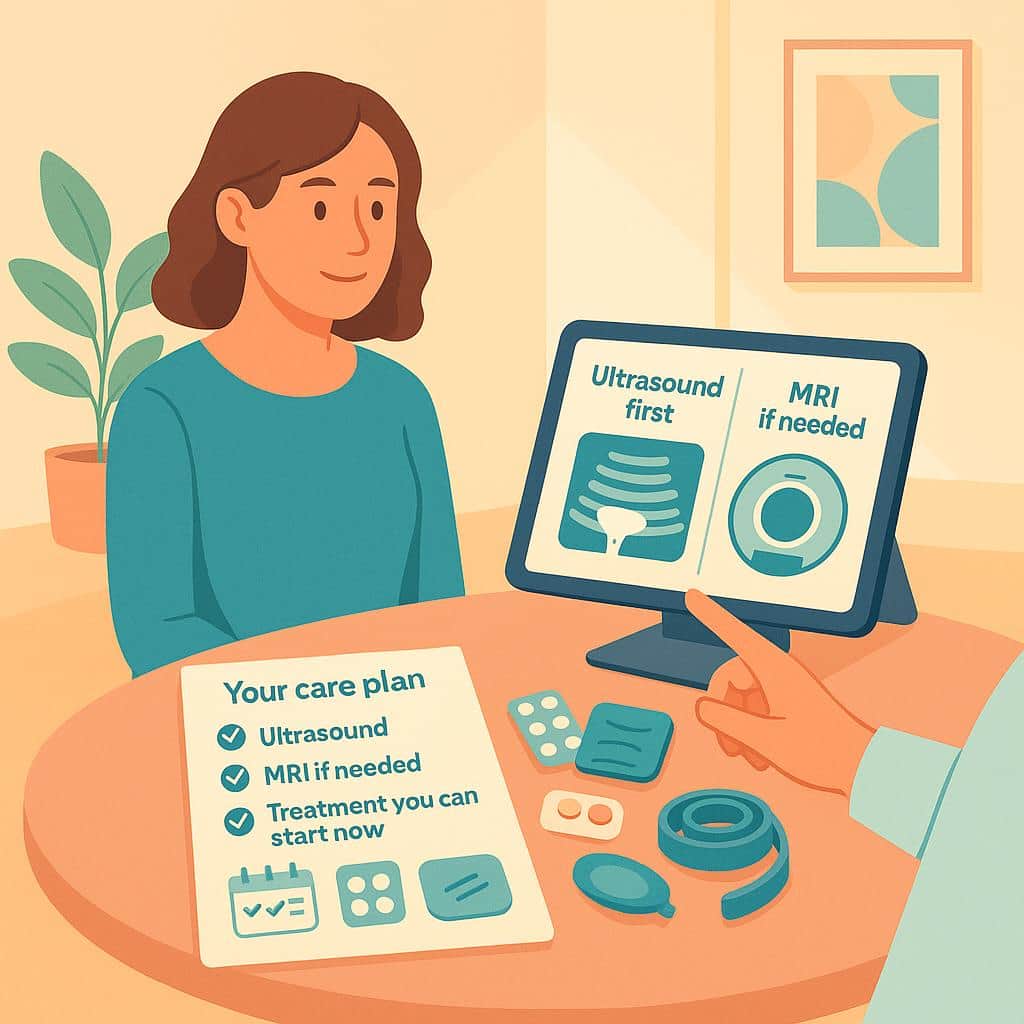
A clear guide to diffuse adenomyosis: what it means, how TVUS and MRI diagnose it, and practical treatments, from hormonal IUDs to uterus-sparing options.
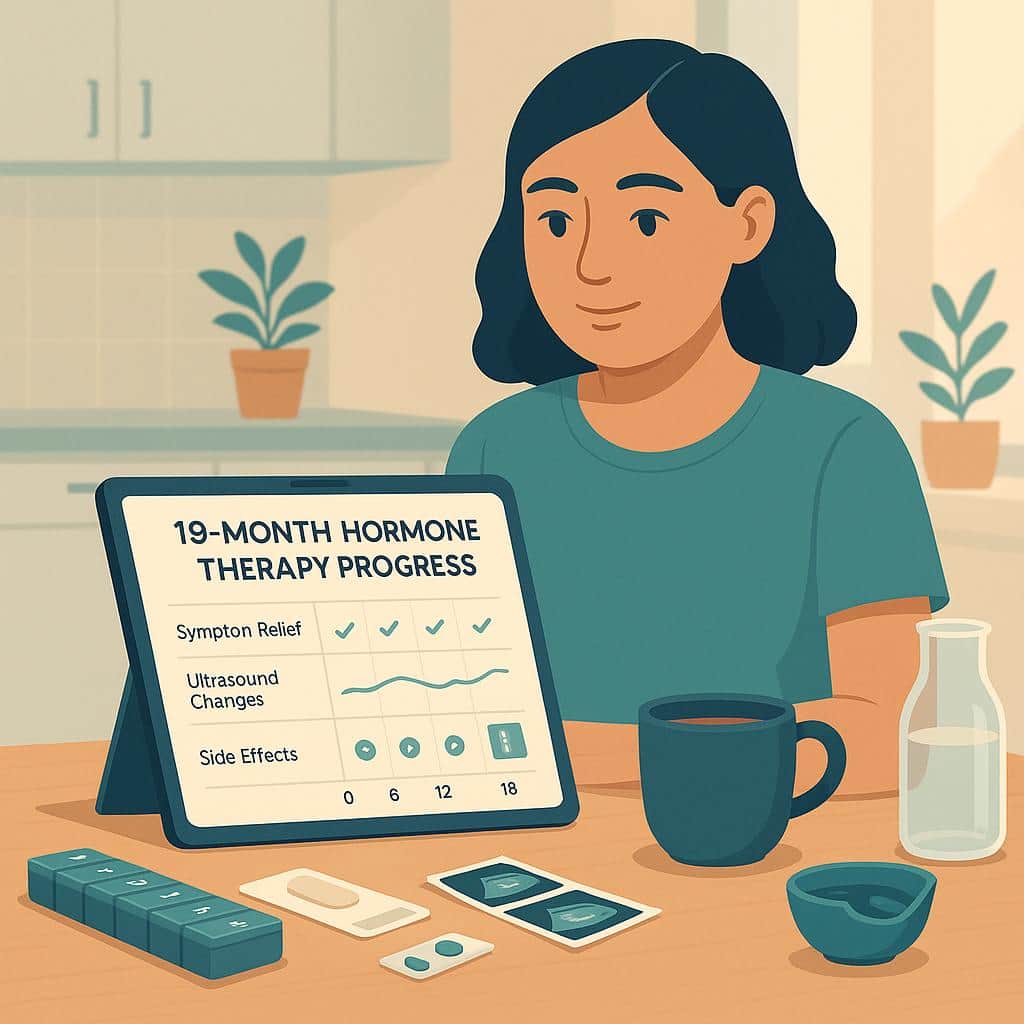
We break down an 18‑month follow‑up of hormone therapy for adenomyosis: who was studied, symptom trends, ultrasound changes, side effects, and key limitations.

2025 meta-analysis of relugolix for endometriosis: pain relief, QoL gains, side effects and add-back therapy, plus comparison with leuprorelin.
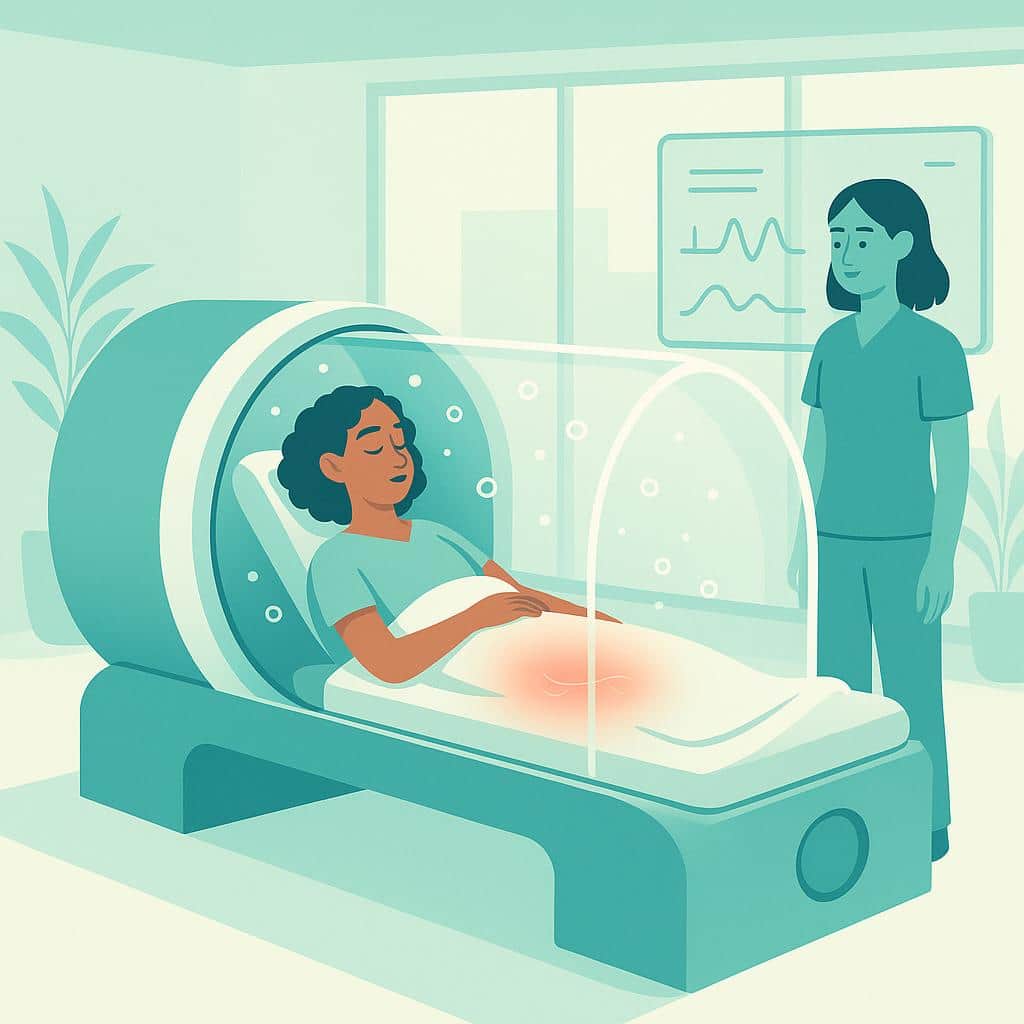
HBOT for endometriosis: how hyperbaric oxygen may work, what the evidence shows, when to consider it as adjunct care, plus safety and contraindications.
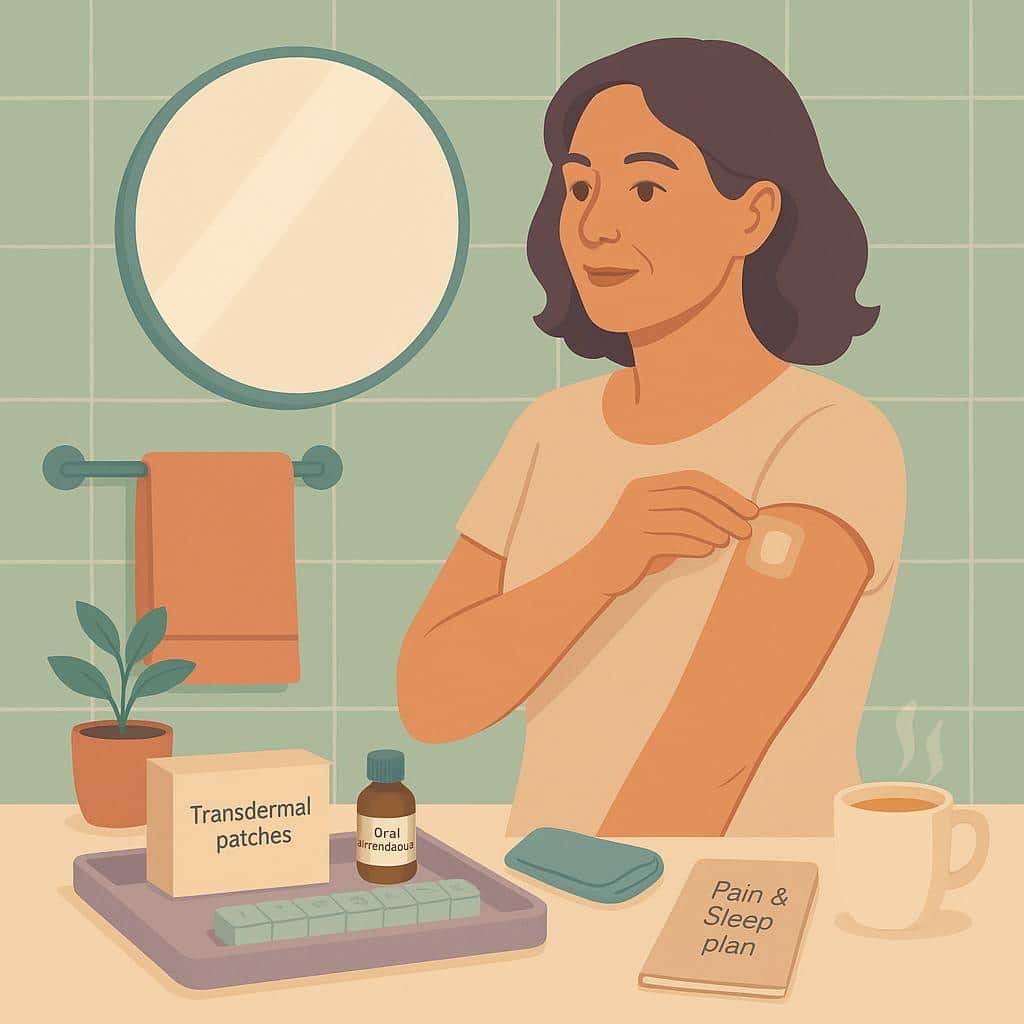
Expert guidance for endometriosis in menopause: HRT options, safe pain relievers, stress reduction, exercise, pelvic floor therapy, and when to seek care.

Learn what ovulation pain feels like with endometriosis, how long it lasts, common symptoms like nausea and mittelschmerz, and evidence-based coping strategies.
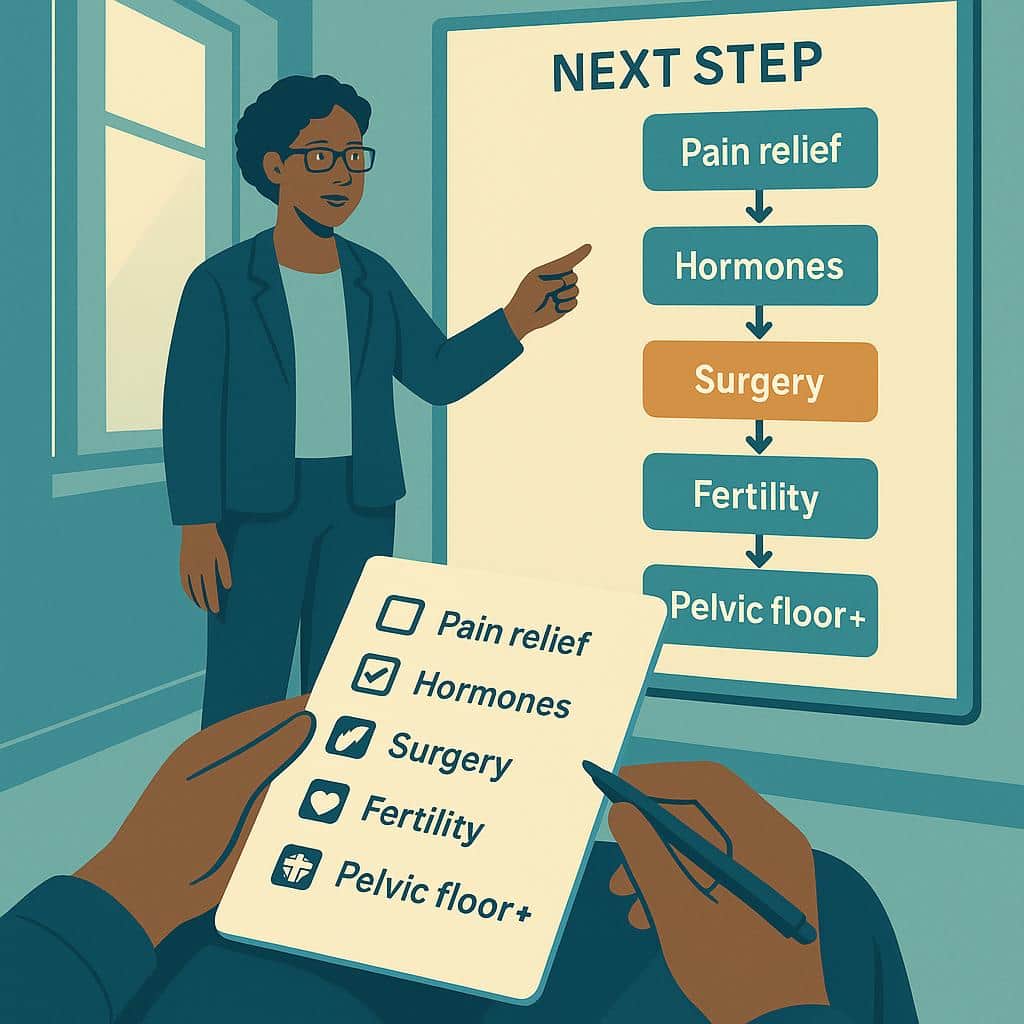
Part 2 demystifies endometriosis treatment confusion, reviews major guidelines, and distills evidence-based recommendations you can use.
Lotus Endometriosis Institute provides California-based surgical evaluation and advanced excision care for patients with suspected endometriosis, adenomyosis, complex pelvic pain, and related conditions.
Many patients contact us from outside California to learn whether traveling for in-person evaluation and possible surgery may be appropriate.
2121 Santa Monica Blvd, Santa Monica, CA 90404
8am - 5pm
Monday - Friday
154 Traffic Way, Arroyo Grande, CA 93420