


Natural Approaches to Managing Endometriosis Pain
A practical guide to evidence‑informed complementary therapies for endometriosis‑related pelvic pain
Complementary Endometriosis Therapy Related to Pelvic Pain
Endometriosis affects nearly one in ten women worldwide and is marked by persistent pelvic pain that can significantly reduce quality of life. As we await better diagnostics, effective non-hormonal treatments, more robust research on excision surgery, and improved access to care, effective pain management remains essential. Complementary therapies can help patients manage endometriosis-related pelvic pain and foster a sense of control in their treatment.
This guide explores several natural, accessible options. While promising, more research is needed to fully understand their efficacy and mechanisms of action. These approaches include using Transcutaneous Electrical Nerve Stimulation (TENS) units to help modulate pain signals, adopting targeted dietary changes to reduce inflammation, incorporating cannabidiol (CBD) and turmeric for their potential anti-inflammatory effects, and engaging in mind–body practices such as meditation, yoga, and acupuncture to support relaxation, stress reduction, and overall pelvic well-being.
The Pain Experience in Endometriosis
Endometriosis pain is multifaceted, involving nociceptive, inflammatory, and neuropathic components. Lesions may cause mechanical pain through compression and infiltration of nerves. The condition’s chronic inflammatory state can elevate inflammatory cytokines and markers. Neuropathic pain can arise from neuronal damage and central sensitization within the central nervous system.
Pain may wax and wane in “flares” of variable duration, often necessitating increased pain medication. Symptoms can be cyclical or non-cyclical, and many people experience ovulation pain.
Self-management—actively participating in managing a chronic condition—has been linked to improved knowledge and self-efficacy and may be especially important during periods of isolation and distancing, such as during a pandemic.
Transcutaneous Electrical Nerve Stimulator (TENS)
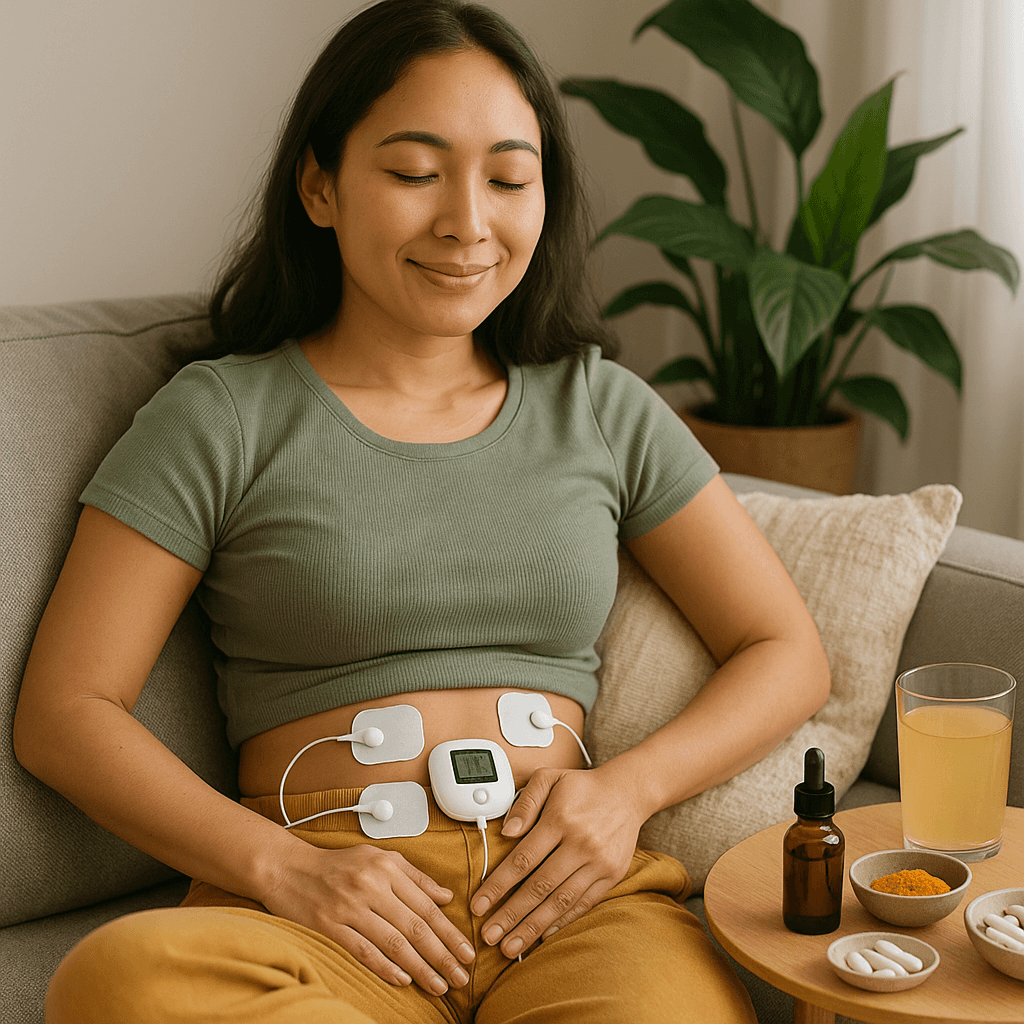
TENS units are handheld devices that deliver small electrical pulses to the body to relieve pain. They’re thought to work via the Gate Control theory by inhibiting pain transmission through smaller nerve fibers. TENS offers a patient-controlled, non-pharmacological option that is readily accessible and inexpensive.
Research indicates TENS is generally well-tolerated with minimal side effects and can reduce pain. Patients have reported significant decreases in pain scores and reduced reliance on pain medication. While much of the research centers on primary dysmenorrhea, additional studies are needed to clarify applicability for endometriosis.
Dietary Modifications
Diet plays a vital role in managing endometriosis symptoms, particularly gastrointestinal issues. Nutritional deficiencies can drive metabolic changes that increase oxidative stress and epigenetic abnormalities, potentially worsening the condition. A balanced diet rich in the following can help mitigate these effects:
- Folic acid
- Methionine
- Zinc
- Vitamins B12, B6, A, C, and E
Certain foods—such as red meat and processed foods—have been associated with increased inflammation and the development of endometriosis. In contrast, omega-3 fatty acids (e.g., fish oil) and polyphenol-containing foods (e.g., citrus fruits, apples, green tea, olive oil, and chocolate) may help prevent and improve inflammatory markers and modulate disease progression.
There is no specific, evidence-based “optimal” endometriosis diet yet; more research is needed. Because overlapping conditions can affect food tolerance, it’s important to work with a trained provider for individualized guidance.
Take Control of Your Pain Today
Our specialists are here to help you understand your condition and explore your treatment options.
Schedule Your VisitCannabidiol (CBD)
CBD, a cannabinoid derived from the cannabis plant, is garnering attention for potential health benefits and pain management. It influences the endocannabinoid system, which affects physiological functions including pain perception and inflammation. CBD is generally well-tolerated; possible side effects include decreased appetite, fatigue, sleep disturbances, gastrointestinal upset, and hypersensitivity reactions.
While no published randomized control trials have evaluated CBD for endometriosis, surveys report a positive impact on endometriosis pain, and anecdotal evidence suggests it may be a useful adjunctive treatment.
Turmeric
Turmeric, derived from the curcuma longa plant, has long been used for medicinal purposes. Its active component, curcumin, exhibits anti-inflammatory properties and has shown potential therapeutic effects against endometriosis in animal studies.
Although benefits for endometriosis are not well-studied in humans, supplementation has not been associated with harmful side effects. More research is needed to identify optimal dosing for symptom management.
Meditation
Mindfulness meditation has been linked to improved outcomes in chronic pain syndromes. By focusing on the present and cultivating acceptance and non-judgment, it can help manage stress and psychological comorbidities common in chronic pain conditions like endometriosis.
Research indicates meditation can significantly improve pain catastrophizing scores, suggesting benefits for pain perceptions. Further studies are needed to confirm effectiveness and clarify how best to integrate meditation into endometriosis care plans.
Yoga
Yoga, a mind-body practice, has been reported to improve pain and quality of life in patients with endometriosis. Although evidence is limited, preliminary studies suggest potential benefits. More research is required to understand mechanisms and to determine optimal types and durations of practice.
Acupuncture
Acupuncture, a Traditional Chinese Medicine modality involving thin needle insertion at specific points, has been used as a complementary therapy for endometriosis. Studies indicate a small but overall positive effect on endometriosis symptoms. Read more here: Acupuncture for Endometriosis Pain.
Conclusion
Complementary therapies offer promising, accessible, and patient-controlled options for endometriosis-related pelvic pain. Although more research is necessary to validate and fully understand these approaches, they can help patients take an active role in managing their condition, improve quality of life, and gain a sense of control over their health. Learn more about integrative therapies for endometriosis here: Integrative Endometriosis Therapies.
References
1. Li, Linda; Lou, Kristie; Chu, Amanda et al. Complementary therapy for endometriosis related pelvic pain. In: Journal of Endometriosis and Pelvic Pain Disorders. 2023; Vol. 15, No. 1. pp. 34-43. DOI: 10.13703/j.0255-2930.20210421-0001
Quick Answers
Why do endometriosis patients try alternative medicine?
Many people with endometriosis try alternative medicine after years of pain without clear answers or lasting relief. Side effects, persistent symptoms, or surgery feeling out of reach can lead them to seek more control and better day-to-day functioning.
Is an “endometriosis diet” evidence-based?
Diet can be a meaningful part of endometriosis symptom support, but research does not yet support a single, universally proven endometriosis diet. In our experience, nutrition tends to be most helpful when tailored to your symptoms, especially bloating or bowel symptoms.
Can foods worsen endometriosis symptoms?
Yes, certain foods can worsen endometriosis symptoms for some people, but there is no universal endometriosis diet. Eating patterns that increase inflammation or trigger gut symptoms can amplify pain, bloating, and fatigue.
Can stress worsen endometriosis symptoms?
Yes, stress can make endometriosis symptoms feel worse by amplifying inflammation and making your nervous system more sensitive to pain. Stress management can help reduce symptoms, but it is not a substitute for treating endometriosis lesions.