The Microbiome’s Role in Endometriosis
Explore how the microbiome may shape inflammation and estrogen metabolism in endometriosis, and what emerging research means for diagnosis and new therapies.
Understand the gut–endometriosis axis—how the microbiome influences inflammation, estrogen metabolism, symptoms, diagnosis, and care. Find evidence-based ways to support it with nutrition and targeted microbiome strategies.
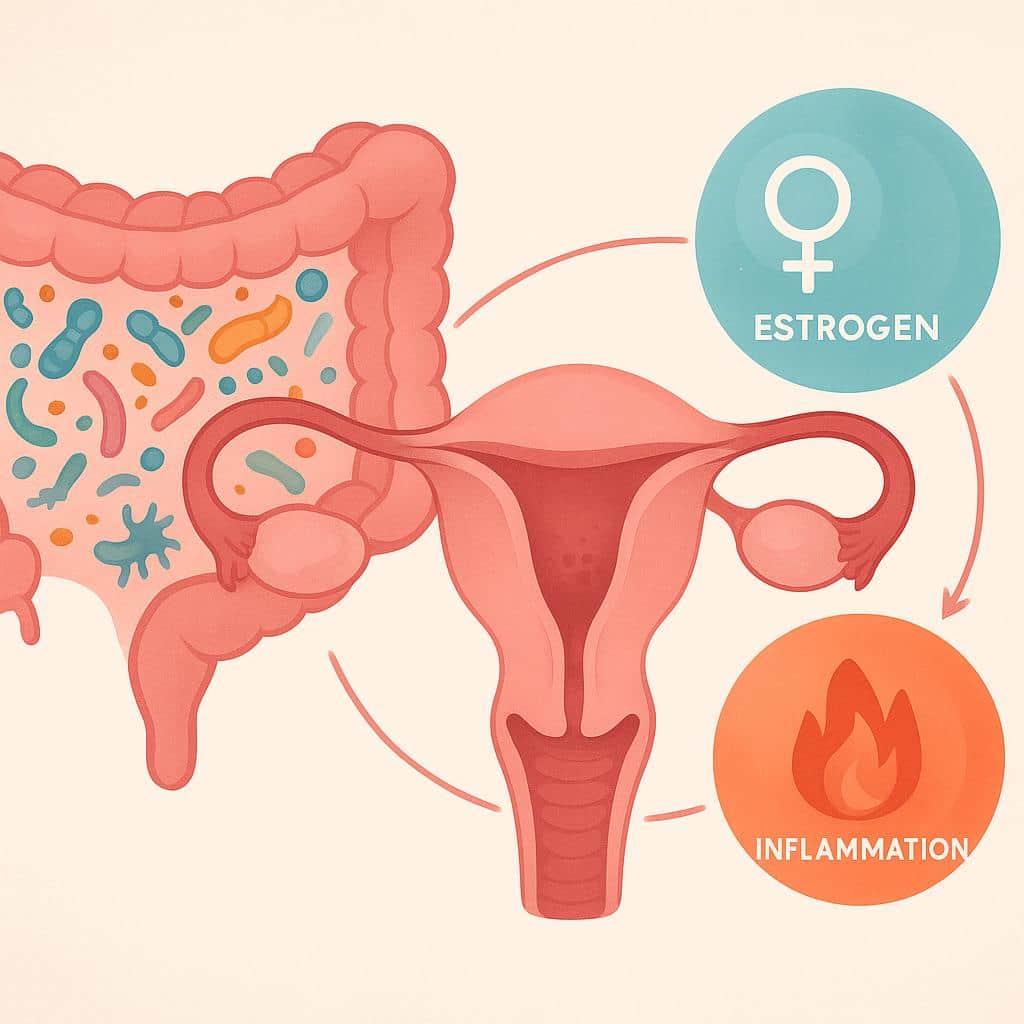
Gut health sits at the crossroads of inflammation, hormone balance, and pain processing in endometriosis and adenomyosis. The intestinal microbiome helps regulate immune signaling and the estrobolome—the collection of gut bacteria that recycle estrogen. When this ecosystem is disrupted, increased intestinal permeability (e.g. "leaky gut") and endotoxin exposure can amplify pelvic inflammation, worsen cramps and bloating, and heighten pain sensitivity. Understanding this gut–reproductive axis clarifies why flares may follow infections, antibiotics, constipation, or major stress.
Learn how the microbiome shifts seen in endometriosis may influence symptoms, treatment tolerance, and recovery, and how bowel regularity supports estrogen clearance. Explore practical, evidence‑informed ways to nurture gut resilience without rigid rules: fiber diversity, mindful introduction of fermented foods, and strategies to reduce trigger stacking from medications that affect the gut. Clarify when to involve GI care, what tests are useful—and which aren’t—and how gut‑focused nutrition complements targeted care in GI Symptoms, IBS / IBD, Anti-Inflammatory Diet, Meal Guides, and Supplements.
Gut bacteria shape immune tone and pain pathways; dysbiosis can increase intestinal permeability and expose the peritoneal cavity to bacterial fragments that fuel inflammation. This immune activation can heighten pelvic pain, cramps, and bloating, and may lower the threshold for flares from stress, illness, or dietary triggers.
The estrobolome is the subset of gut microbes that produce enzymes such as beta‑glucuronidase, which can reactivate estrogen for reabsorption. Balanced gut function supports healthy estrogen elimination—relevant for endometriosis and adenomyosis—while constipation or dysbiosis may increase recirculation and symptom intensity.
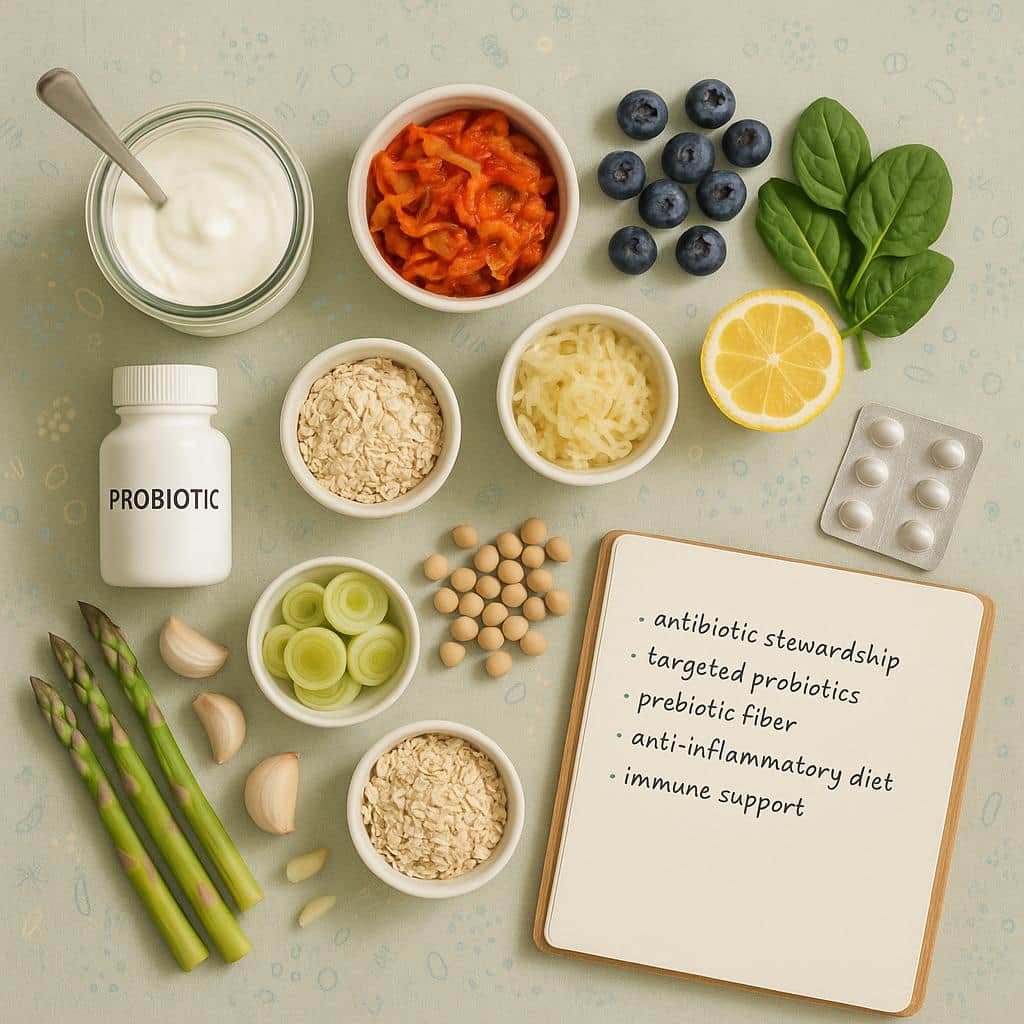
Early studies suggest some Lactobacillus strains and prebiotic fibers may improve pain and bowel regularity, but endometriosis‑specific evidence remains limited and strain‑dependent. Start low and go slow to avoid bloating, and choose products with clear strain labeling; see Supplements for evidence and safety considerations. Exact mapping of strains for optimal effect on endometriosis in an individual is not yet well worked out but research is ongoing and covered on our site as it develops.
Most commercial microbiome stool reports are not validated to diagnose dysbiosis or guide specific therapies in endometriosis. Breath testing can be useful when symptoms suggest small intestinal bacterial overgrowth (SIBO)—persistent bloating, gas, or belching—especially alongside IBS‑like complaints; coordinate with a clinician and see GI Symptoms and IBS / IBD for workup guidance.
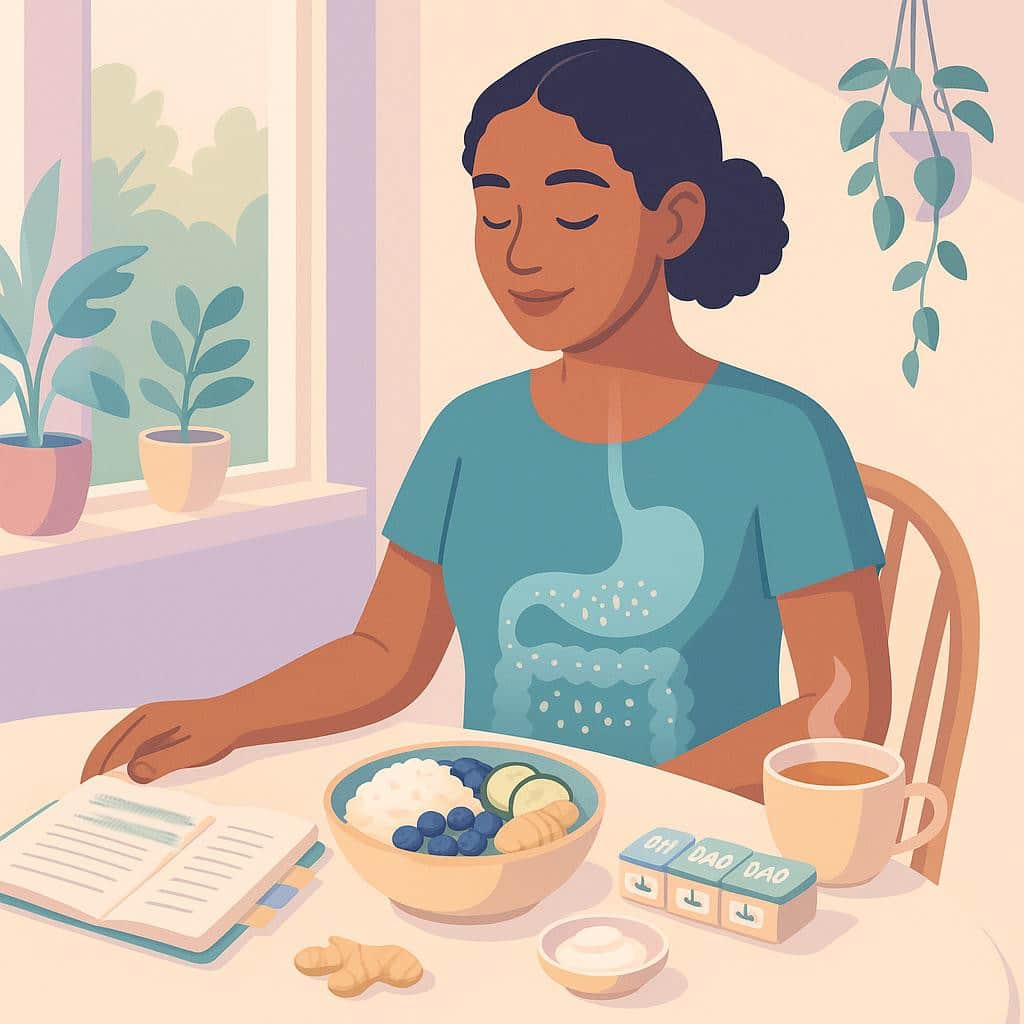
Focus on fiber diversity, regular meals, hydration, and gentle fermented foods if tolerated to support microbial balance and bowel regularity. For structured anti‑inflammatory approaches or practical recipes, see Anti-Inflammatory Diet and Meal Guides; personalize changes gradually to prevent flares and monitor what genuinely helps.

Explore how the microbiome may shape inflammation and estrogen metabolism in endometriosis, and what emerging research means for diagnosis and new therapies.

Learn how antibiotics, probiotics, prebiotics, diet and immunomodulation affect the endometriosis–gut axis, with practical, research-backed microbiome tips.
We understand that healthcare can be complex and overwhelming, and we are committed to making the process as easy and stress-free as possible.
2121 Santa Monica Blvd, Santa Monica, CA 90404
9:00 am - 5:00 pm
Monday - Friday
154 Traffic Way, Arroyo Grande, CA 93420