

Supplements and Herbal Medicines for Endometriosis and Adenomyosis: What Evidence Exists?
Explore the effectiveness of supplements and herbal medicines for endometriosis and adenomyosis. What does the evidence say?
9 minute read
Read moreDiscover how Lotus can guide you toward lasting relief.
Explore why patients choose Lotus
Search expert-written answers, browse by topic, or find information based on where you are in your journey.
Explore All KnowledgeReach out and start your healing journey.
Schedule an AppointmentEvidence-based guidance on vitamins, minerals, botanicals, and probiotics to complement endometriosis care—mechanisms, symptom relief, dosing, and safety, including interactions with hormones, pain meds, and fertility plans.
Supplements can complement medical and surgical care by targeting pathways relevant to endometriosis and adenomyosis: inflammation, prostaglandins, oxidative stress, estrogen metabolism, nervous‑system sensitization, and gut‑immune balance. Evidence most often supports omega‑3s (EPA/DHA), curcumin, N‑acetylcysteine (NAC), melatonin, vitamin D, magnesium, and selected probiotics. Some botanicals such as EGCG or resveratrol are more experimental. The goal is symptom relief and overall resilience, not a substitute for Medical Management or Surgery. Nutrition strategies are addressed separately in Anti-Inflammatory Diet and microbiome care in Gut Health.
Guidance focuses on what each supplement may help with, commonly studied dosing ranges, quality standards, and how to use them safely with pain medicines and hormones. Safety matters most around fertility planning and procedures: some products affect bleeding risk, drug levels, or embryo safety. Learn how to choose third‑party tested brands, start low and track response, and coordinate with clinicians—especially if pursuing Fertility & Reproductive Health or recovering from surgery. For bowel, bladder, or nerve‑related symptoms, see adjacent topics like GI Symptoms and Pain Relief to build a personalized plan.
Some supplements may be helpful for specific endometriosis-related symptoms, but results are mixed and they’re not a stand-alone treatment for the disease itself. In practice, we sometimes see patients use options like omega-3s, curcumin, magnesium, or certain probiotics as part of a broader plan to support inflammation, pain, bowel symptoms, or sleep—depending on what’s driving their day-to-day flares.
What matters most is choosing supplements based on your symptom pattern, other medical conditions, medications, and goals, since “one-size-fits-all” stacks can backfire or simply add cost without benefit. If you’re considering supplements, our team can help you think through what’s most likely to be useful for your situation and how to integrate them safely alongside definitive endometriosis care when needed.
Some supplements are studied for supporting egg quality and lowering oxidative stress—factors that can matter in fertility and IVF—but the evidence specifically in people with endometriosis is mixed and not definitive. That means supplements may be a helpful adjunct for some patients, but they’re unlikely to be a stand-alone solution for endometriosis-related infertility.
In our practice, we view supplements as one piece of an individualized reproductive plan, especially when you’re preparing for IVF or actively in a cycle. Timing and dosing can matter, and some fertility protocols pause certain antioxidants during stimulation, so we help you weigh potential benefits against possible interference with your treatment plan. If you’d like, our team can review what you’re taking (or considering) and align it with your fertility goals and next steps.
Some of the better-studied supplements for pelvic pain and flare reduction include omega-3 fatty acids (EPA+DHA), curcumin (a standardized turmeric extract), N-acetylcysteine (NAC), and melatonin. The evidence is still limited—mostly small studies—but these are the options we most often see discussed for lowering inflammation-driven pain and cramping, and some patients do report meaningful relief.
If you decide to try supplements, we typically suggest introducing only one at a time and tracking symptoms so you can tell what’s actually helping. It’s also worth reassessing after several weeks; if there’s no clear benefit, it may not be worth continuing. If pain flares are persistent or escalating, our team can help you sort out whether supplements are a reasonable adjunct for you—or whether a deeper evaluation and a more definitive treatment plan is likely to provide better relief.
If you don’t eat fish, you can still support your omega‑3 intake by leaning on plant sources of ALA, such as ground flax, chia, and walnuts, used consistently day to day. Because overall fat balance matters, it can also help to prioritize oils that are typically lower in omega‑6—like olive or canola—so your dietary omega‑3 to omega‑6 ratio isn’t working against you.
Some people also consider algae-derived EPA/DHA, which provides the same long-chain omega‑3s found in fish without using fish sources. If you’re navigating endometriosis or adenomyosis symptoms and want guidance on whether an omega‑3 supplement makes sense for you (and how to choose one safely), our team can help you personalize an approach and coordinate it with your overall treatment plan.
Omega-3 fatty acids and curcumin are among the more promising supplements for at-home symptom support because of their anti-inflammatory properties, and some patients find magnesium helpful for muscle tension that can amplify pelvic pain. N-acetylcysteine (NAC) also has early research suggesting a potential role in endometriosis-related ovarian cysts (endometriomas), though it’s not a substitute for proper evaluation and treatment planning.
Because supplement quality and dosing vary widely, and interactions can be clinically important, we encourage you to approach them the same way you would any medication. This is especially relevant if you take blood thinners, have gallbladder concerns, or have kidney issues. If you’d like, our team can review your symptoms, medications, and goals and help you decide which options are reasonable to try—and which to avoid—as part of a broader endometriosis care plan.
Explore the effectiveness of supplements and herbal medicines for endometriosis and adenomyosis. What does the evidence say?
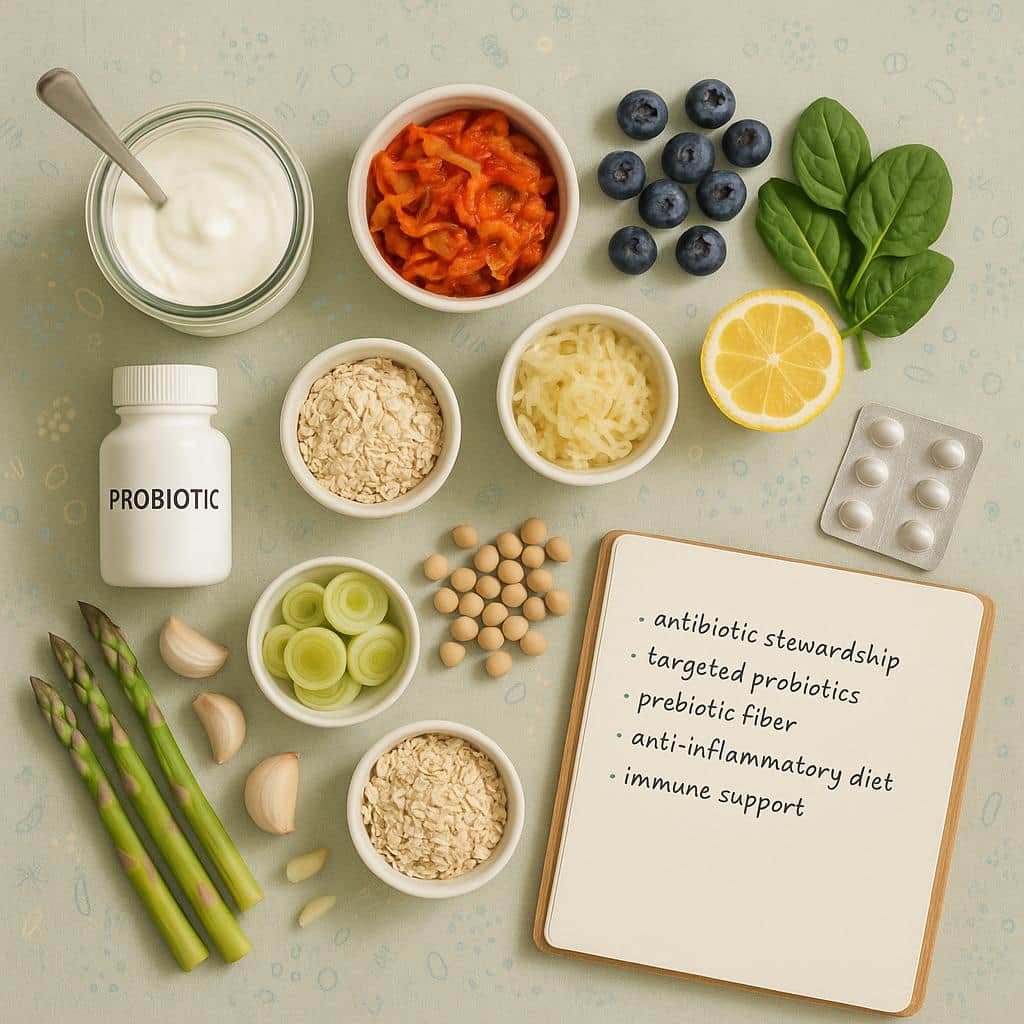
Learn how antibiotics, probiotics, prebiotics, diet and immunomodulation affect the endometriosis–gut axis, with practical, research-backed microbiome tips.
Lotus Endometriosis Institute provides California-based surgical evaluation and advanced excision care for patients with suspected endometriosis, adenomyosis, complex pelvic pain, and related conditions.
Many patients contact us from outside California to learn whether traveling for in-person evaluation and possible surgery may be appropriate.
2121 Santa Monica Blvd, Santa Monica, CA 90404
8am - 5pm
Monday - Friday
154 Traffic Way, Arroyo Grande, CA 93420