
Endometriosis and Bladder Pain - Why Your Pelvic Pain Persists
Pelvic pain despite endometriosis treatment? Learn the bladder pain syndrome (IC/BPS) overlap, signs your bladder is involved, and next steps for relief.
6 minute read
Read moreDiscover how Lotus can guide you toward lasting relief.
Explore why patients choose Lotus
Search expert-written answers, browse by topic, or find information based on where you are in your journey.
Explore All KnowledgeReach out and start your healing journey.
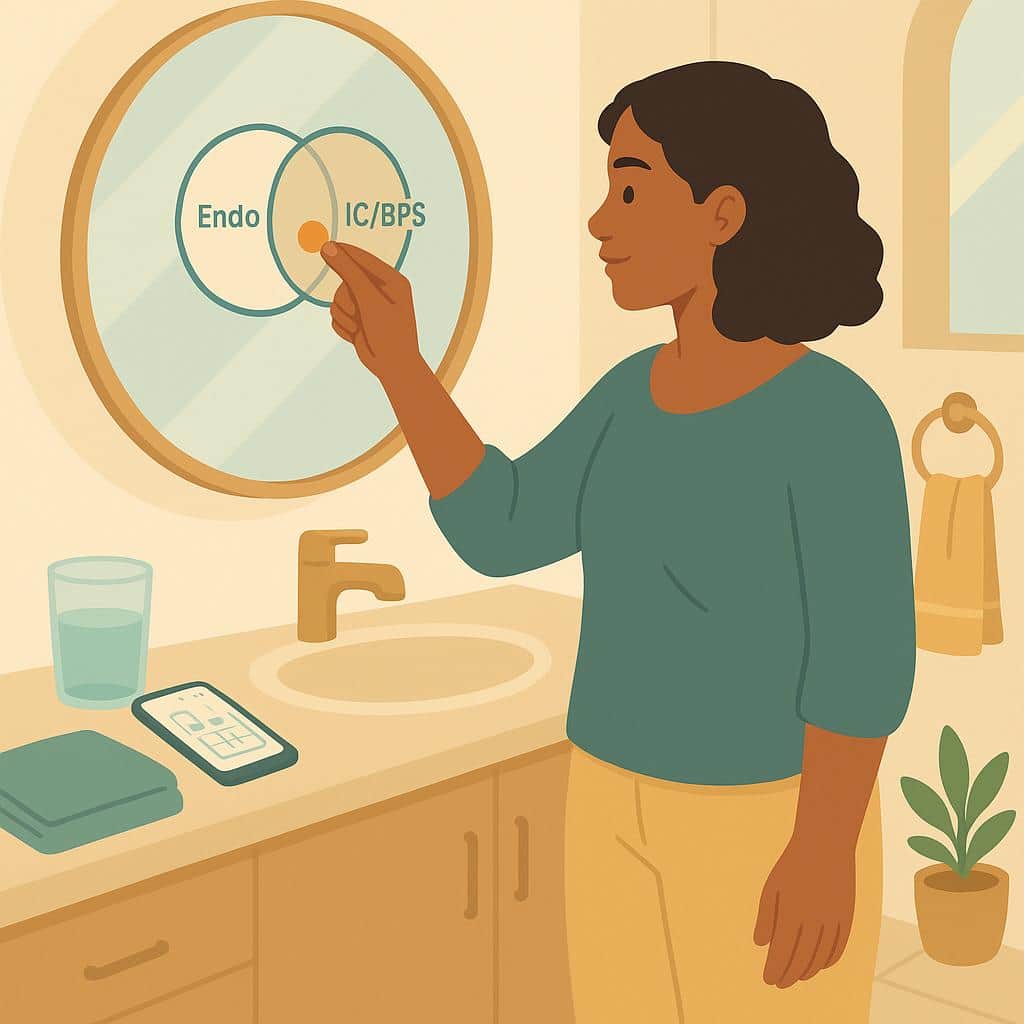
Schedule an AppointmentEndometriosis may overlap with interstitial cystitis/bladder pain syndrome (IC/BPS). Discover symptoms, diagnostic pathways, and evidence-based treatments and self-care to reduce flares, protect bladder health, and ease pelvic pain.
Interstitial cystitis/bladder pain syndrome (IC/BPS) causes bladder‑centered pain, pressure, or burning with urinary frequency and urgency, typically with sterile urine cultures. Symptoms often worsen with bladder filling and ease after voiding, and can flare with stress, sex, certain foods, or around menstruation. IC/BPS commonly coexists with endometriosis through shared pain mechanisms and pelvic floor hypertonicity, making evaluation of Pelvic Floor Dysfunction important. It differs from structural disease in Bladder Endometriosis, which may cause cyclical hematuria or visible lesions; both can occur together and need tailored care.
Learn how clinicians confirm IC/BPS using history, bladder diaries, pelvic exam, and selective testing to rule out infection, stones, or malignancy; cystoscopy is reserved for red flags or to identify Hunner lesions. Explore stepwise care that starts with bladder training, individualized nutrition strategies, stress regulation, and Pelvic Floor PT, then progresses to medications and intravesical therapies when needed. Guidance also covers flare planning, sex and exercise modifications, and how findings from Diagnostics & Imaging inform care when endometriosis is present.
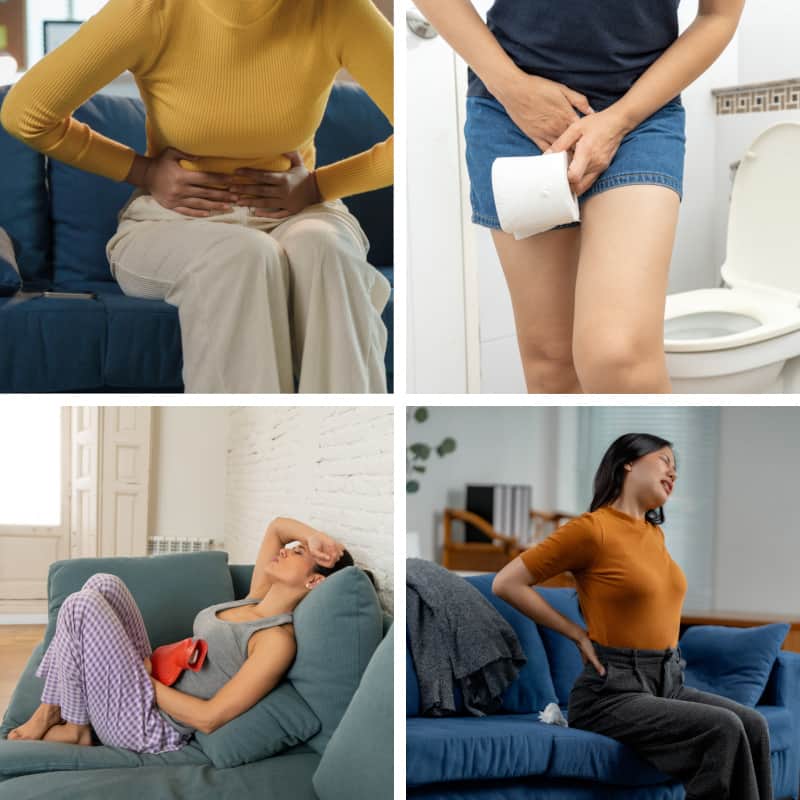
Yes—endometriosis and interstitial cystitis/bladder pain syndrome (IC/BPS) can occur together, and that overlap is one reason bladder symptoms can be so frustrating and persistent. Endometriosis can cause urinary urgency, frequency, burning, or bladder-adjacent pelvic pressure, but those same symptoms can also come from IC/BPS. Having one diagnosis doesn’t “rule out” the other, and when both are present, treating only endometriosis may not fully relieve bladder-driven pain.
A key part is sorting out what’s actually driving your symptoms: bladder endometriosis (lesions involving the bladder wall) is different from IC/BPS, even though they can feel similar. Bladder endometriosis often has a cyclical pattern around periods (though not always), while IC/BPS is typically pain/pressure that feels related to bladder filling and may improve after urinating, with symptoms persisting over time despite negative urine cultures. Our team looks at the whole picture—gynecologic, urinary, pelvic floor, and nervous system pain pathways—so we can build a plan that matches your specific symptom pattern rather than forcing everything into a single label.
If you’re dealing with ongoing urinary urgency/frequency, burning, or bladder pain—especially if prior endometriosis treatments haven’t helped as expected—reach out to schedule a consultation. We can help you determine whether this looks more like urinary tract endometriosis, IC/BPS, or a combination, and what next-step evaluation and treatment options make the most sense for you.
Yes—endometriosis can be part of the picture for vulvar burning or a “raw” feeling, even though the discomfort is felt at the vulva. In our experience, this often happens indirectly: ongoing pelvic inflammation and pain can drive pelvic floor muscle overactivity and nerve sensitization, which can refer burning, stinging, or tenderness to the vulvar/vaginal opening and make the area feel easily irritated.
That said, vulvar burning is also a symptom with important overlap. Bladder pain syndromes, pelvic floor/myofascial pain, and other vulvovaginal conditions can coexist with endometriosis, and focusing on endometriosis alone doesn’t always resolve the symptom. Our team takes a whole-pelvis approach—mapping your symptom pattern, looking for overlapping pain generators, and then building a plan that may include excision surgery when indicated and pelvic floor therapy to calm muscle and nerve drivers.
If this is happening to you, you’re not imagining it—and you don’t have to guess at the cause. You can explore more of our educational content on pelvic floor dysfunction and overlapping pelvic pain conditions, or reach out to schedule a consultation so we can help you connect the dots and target the true drivers of your burning.
Yes—endometriosis can contribute to bladder pressure or “fullness” sensations at night, especially when disease involves or irritates the bladder surface or bladder wall (often called bladder endometriosis, a form of deep endometriosis). Some people notice a cycle-linked pattern (worse before or during a period), while others feel more constant pressure with minimal classic urinary symptoms. Importantly, normal urine tests or repeated negative cultures don’t rule this out.
That said, nighttime bladder pressure isn’t specific to endometriosis. Similar symptoms can come from conditions that commonly overlap with—or mimic—endo, such as interstitial cystitis/bladder pain syndrome, pelvic floor dysfunction, adenomyosis, ovarian cysts, or bowel-related pain that “refers” forward into the bladder area. In our evaluation process, we look at your full symptom pattern and use targeted imaging when appropriate (often ultrasound and/or MRI) to check the bladder and nearby structures, so we’re not guessing.
If this is a recurring problem for you—especially if it clusters around your cycle or keeps coming back despite “clear” urine tests—our team can help you sort out whether the bladder is directly involved, whether another pain generator is driving the pressure, or whether multiple factors are happening together. From there, we can map out a plan that fits your goals, including surgical planning when deep disease is suspected.
Yes—adenomyosis can be associated with bladder pain, pressure, and even “spasm-like” sensations, even though adenomyosis itself stays within the uterine muscle. When the uterus is inflamed and tender (and sometimes enlarged), it can create a deep pelvic ache or heavy pressure that feels like it’s coming from the bladder because these organs sit close together and share overlapping nerve pathways.
That said, bladder symptoms aren’t always explained by adenomyosis alone. Urgency, frequency, urethral burning, pain that worsens as the bladder fills, or symptoms that persist even when period pain is treated can point to a separate but commonly overlapping condition like bladder pain syndrome (sometimes called interstitial cystitis), pelvic floor muscle overactivity, or endometriosis involving the bladder area.
If you’re noticing bladder pain/spasms alongside heavy bleeding, severe cramps, or pain with sex, our team can help you sort out whether adenomyosis is the primary driver, a co-condition, or one piece of a larger chronic pelvic pain picture. Reach out to schedule a consultation so we can review your symptom pattern and imaging, and map out a plan that targets the true sources of your pain.
Pelvic pain after peeing with a negative urine culture is frustrating—but it’s also a common pattern we see when the bladder is irritated without an active infection. Sometimes the pain is coming from the bladder itself (often described as bladder pain syndrome/IC-type symptoms), from pelvic floor muscle tension that spasms around urination, or from nearby gynecologic disease that “refers” pain to the bladder area. Endometriosis can also be involved—especially deep endometriosis affecting the bladder wall—because it can cause burning, urgency, pressure, or pain with urination even when standard UTI testing is normal.
What helps most is looking for patterns and overlaps rather than assuming it’s “nothing” because cultures are negative. If your symptoms are cyclical (worse before or during your period), recur despite antibiotics, or come with deep pelvic pain, pain with sex, or persistent pressure, we often consider a targeted pelvic evaluation and imaging (frequently MRI and/or expertly performed ultrasound) to assess the bladder and surrounding structures. Our team takes a whole-picture approach—bladder, pelvic floor, uterus (including adenomyosis), bowel, and nervous system sensitization—so we can identify the true driver(s) and build a plan that actually matches what your body is doing. If you’d like, reach out to schedule a consultation so we can review your symptom timeline and map out the right next steps.
Yes—pelvic pain can come from interstitial cystitis/bladder pain syndrome (IC/BPS), especially when the pain feels “bladder-related.” Many people describe pressure or burning that worsens as the bladder fills, improves after peeing, and comes with urgency or frequent urination for weeks to months even when urine cultures are repeatedly negative. Importantly, urinary symptoms can also overlap with endometriosis or adenomyosis, so it’s not unusual for more than one condition to be contributing at the same time.
The key is pattern recognition and a targeted evaluation rather than guessing. Our team starts by mapping your symptom timing (including any cycle link), flare triggers, prior UTI testing/treatments, and whether pain is provoked by bladder filling, sex, or pelvic floor tension. When your story suggests bladder involvement, we may recommend focused pelvic imaging (often including MRI) to look for bladder endometriosis or other pelvic drivers, and we’ll also consider whether IC/BPS, pelvic floor dysfunction, or nervous-system sensitization is amplifying symptoms.
If you’re stuck in a loop of “normal tests” but persistent bladder-adjacent pelvic pain, you’re exactly the kind of patient we’re built to help—because we look for coexisting and look-alike conditions, not just one diagnosis. You can explore our bladder symptom content to see which patterns match you, and reach out to schedule a consultation so we can put the full picture together and outline next-step testing and treatment options.
When pelvic pain symptoms overlap, we generally recommend starting with a gynecologist who has deep experience with endometriosis and adenomyosis, because that specialist can connect the timing of symptoms to your cycle, interpret prior testing, and coordinate next steps. In many cases, bringing pelvic floor physical therapy in early is helpful, since pelvic muscle guarding can amplify pain and urinary or bowel symptoms even when the underlying trigger is gynecologic.
From there, we typically add targeted specialists based on your dominant symptoms: urology or urogynecology for bladder-focused pain, urgency, or recurrent “UTI-like” symptoms; gastroenterology for ongoing bowel changes, rectal pain, or bleeding; and rheumatology when there are broader inflammatory or autoimmune features. Our team can help you map a stepwise plan so you’re not bouncing between offices or repeating workups—reach out to schedule a consultation if you’d like us to coordinate a focused evaluation.
Imaging can sometimes provide helpful clues, but it can’t reliably separate endometriosis from conditions like IBS or bladder pain on its own. Many people have significant symptoms with normal ultrasound or MRI results, and bowel or bladder discomfort can come from several overlapping causes.
In our practice, we interpret imaging alongside your full symptom history and a targeted pelvic exam, looking for patterns that suggest endometriosis, adenomyosis, or other pelvic pain drivers. When scans do show findings—such as ovarian cysts suspicious for endometriosis or signs of deep disease—they can help guide next steps and surgical planning. If you’re stuck with ongoing symptoms and unclear imaging, our team can help you sort through what the results do (and don’t) mean and discuss the most direct path to a diagnosis.
Pelvic pain despite endometriosis treatment? Learn the bladder pain syndrome (IC/BPS) overlap, signs your bladder is involved, and next steps for relief.
Lotus Endometriosis Institute provides California-based surgical evaluation and advanced excision care for patients with suspected endometriosis, adenomyosis, complex pelvic pain, and related conditions.
Many patients contact us from outside California to learn whether traveling for in-person evaluation and possible surgery may be appropriate.
2121 Santa Monica Blvd, Santa Monica, CA 90404
8am - 5pm
Monday - Friday
154 Traffic Way, Arroyo Grande, CA 93420