


Endometrioma (Chocolate Cyst): Ultrasound Clues and When to Treat
Discover vital ultrasound clues and treatment options for endometriomas (chocolate cysts) related to endometriosis. Learn about fertility and pain management.
9 minute read
Read moreDiscover how Lotus can guide you toward lasting relief.
Explore why patients choose Lotus
Search expert-written answers, browse by topic, or find information based on where you are in your journey.
Explore All KnowledgeReach out and start your healing journey.
Schedule an AppointmentExplore how endometriosis is detected and distinguished: differential diagnosis, biomarkers, ultrasound, and MRI—what each test shows, when it’s used, and how results guide accurate, timely care.
Reliable evaluation of endometriosis depends on understanding what each diagnostic tool reveals about the pelvis. Expert Ultrasound and MRI are the most valuable imaging methods, each offering unique strengths. Ultrasound is excellent for identifying endometriomas and certain deep lesions, while MRI provides a comprehensive map of structures affected by disease and is especially useful for planning treatment, including Excision Surgery when that is indicated.
Imaging also plays a critical role when symptoms resemble overlapping conditions such as IBS / IBD or Interstitial Cystitis. Differentiating these possibilities helps target the right therapeutic approach and prevents delays in care.
Even with advanced technology, many lesions—especially superficial or microscopic ones—remain invisible. A normal scan does not rule out endometriosis, nor does an abnormal scan determine the full extent of disease. Understanding what imaging can and cannot show leads to better expectations and more informed decisions about next steps in treatment and symptom management.
Painful urination and pelvic cramping between periods can happen when the bladder, uterus, pelvic floor, or nerves are irritated. Endometriosis can contribute, but bladder pain syndrome, pelvic floor overactivity, or adenomyosis can also cause these symptoms.
Ask about your treatment goals, what is driving your symptoms, and whether uterus-preserving surgery or hysterectomy is right for you. Also ask about expected symptom relief, whether the plan addresses endometriosis, the surgical approach, safety, recovery and follow-up.
Endosalpingiosis is generally considered uncommon, but how rare it is depends on who is studied and how it is found. Many cases are found incidentally when tissue is examined after surgery for other reasons, so it is likely underrecognized.
The AAGL endometriosis classification system is a standardized way surgeons describe where endometriosis is found at surgery, how extensive it is, and how complex it appears. It is meant to better capture deeper disease that may affect surgical planning.
Discover vital ultrasound clues and treatment options for endometriomas (chocolate cysts) related to endometriosis. Learn about fertility and pain management.

Discover ovarian remnant syndrome: its symptoms, risk factors, and treatment options after oophorectomy. Learn how to manage pelvic pain effectively.

Explore the link between a retroverted uterus and endometriosis/adenomyosis. Learn about symptoms, myths, and when it matters for your health.

Discover why multidisciplinary care is vital for managing complex endometriosis and enhancing quality of life. Learn more in our latest research overview.

Explore essential insights on endometriosis and other causes of pelvic pain. Learn about differential diagnoses and effective treatment options.

Discover why ultrasounds may miss endometriosis. Learn about imaging limits and recent research in our latest blog. Find clarity in your diagnosis.

Discover why endometriosis is frequently misdiagnosed, the causes of delays, and how to advocate for better care. Get informed today!
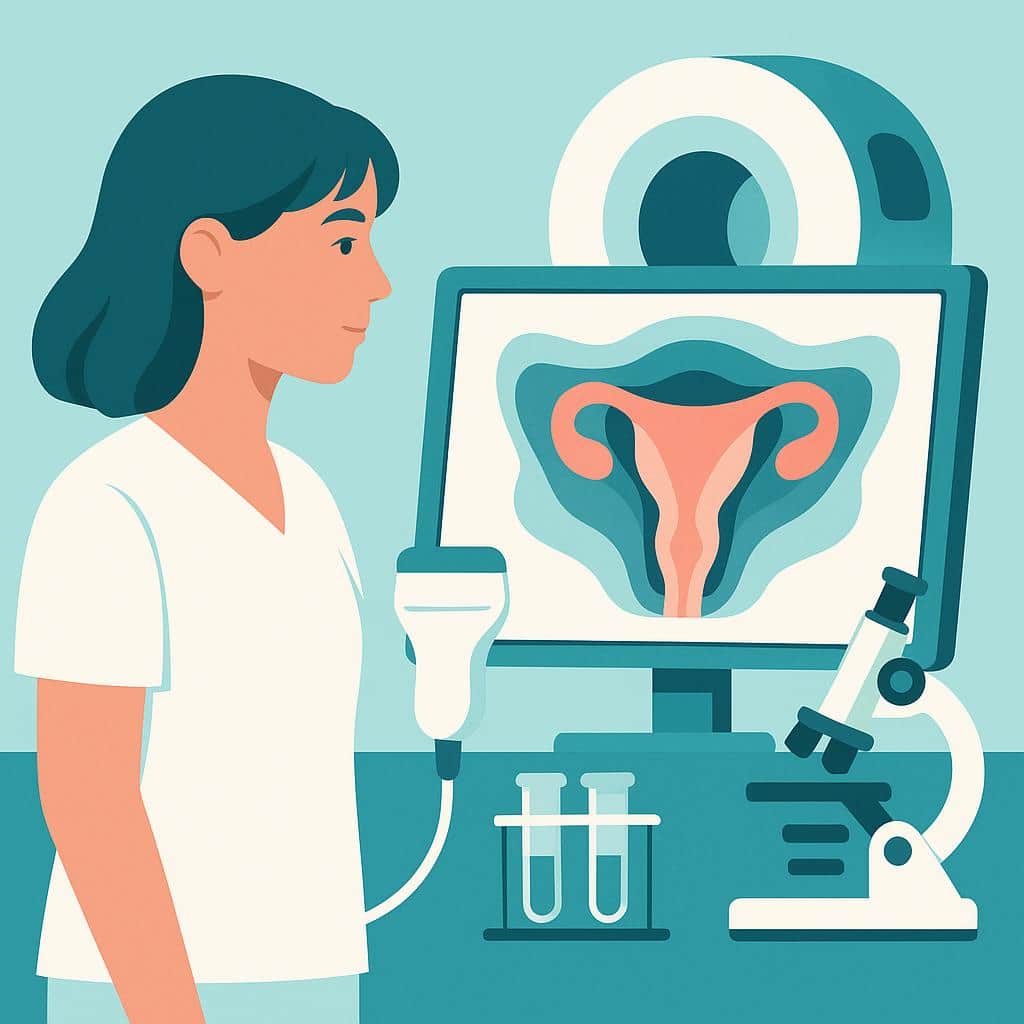
Discover how adenomyosis might be diagnosed through imaging tests. Learn what to expect and understand your symptoms better.

Explore the key differences between adenomyosis and endometriosis, their symptoms, overlap, and treatment options for better fertility outcomes.
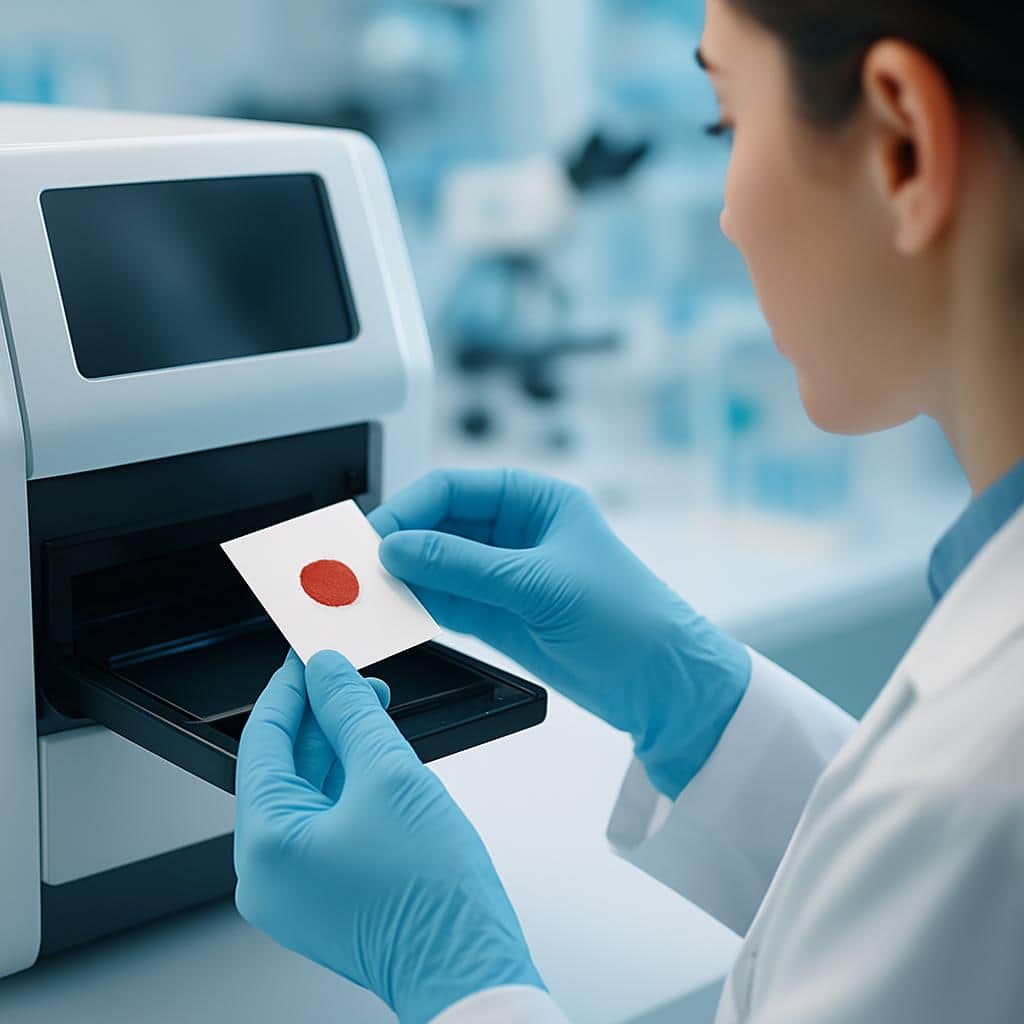
Discover how a menstrual blood test may revolutionize endometriosis diagnosis. Learn about new research and its potential impact on early detection.

Discover if genetic testing could soon help diagnose endometriosis. Learn about new research and what it means for patients seeking answers.

Discover the latest research on blood tests for endometriosis. Learn how microRNAs could lead to earlier diagnosis and better management.
Lotus Endometriosis Institute provides California-based surgical evaluation and advanced excision care for patients with suspected endometriosis, adenomyosis, complex pelvic pain, and related conditions.
Many patients contact us from outside California to learn whether traveling for in-person evaluation and possible surgery may be appropriate.
2121 Santa Monica Blvd, Santa Monica, CA 90404
8am - 5pm
Monday - Friday
154 Traffic Way, Arroyo Grande, CA 93420