


What Else Could It Be? Ruling Out Other Causes
Explore essential insights on endometriosis and other causes of pelvic pain. Learn about differential diagnoses and effective treatment options.
10 minute read
Read moreDiscover how Lotus can guide you toward lasting relief.
Explore why patients choose Lotus
Search expert-written answers, browse by topic, or find information based on where you are in your journey.
Explore All KnowledgeReach out and start your healing journey.
Schedule an AppointmentUnderstand conditions that mimic or coexist with endometriosis—pelvic floor dysfunction, interstitial cystitis, IBS/IBD, PCOS, autoimmune issues, and fibroids. Spot overlaps vs. red flags and know which specialist to see.
Pelvic pain, urinary urgency, bowel changes, heavy bleeding, and fatigue often have more than one driver. Endometriosis commonly coexists with pelvic floor dysfunction, interstitial cystitis/bladder pain syndrome, IBS or IBD, PCOS, autoimmune disorders, fibroids, and adenomyosis. Understanding where symptoms overlap—and where they diverge—helps avoid missed diagnoses and supports a coordinated, stepwise plan rather than repeated trials that don’t fit the root cause.
Learn hallmark clues for each condition, red flags that warrant urgent or specialty care, and which clinician to see first. Explore when imaging or labs add value and when conservative trials make sense. For muscle‑driven pain and sexual discomfort, see Pelvic Floor Dysfunction and partner care in Pelvic Floor PT. For urinary frequency, urgency, and burning without infection, compare Interstitial Cystitis with Bladder Endometriosis. Cyclical bloating and bowel pain can reflect IBS / IBD or Bowel Endometriosis. Heavy bleeding and bulk symptoms point toward Fibroids or Adenomyosis. For nuanced triage across look‑alikes, visit Differential Diagnosis.
Adenomyosis symptoms that most disrupt quality of life usually come from two main issues: how the uterus bleeds and how it hurts. Many patients describe heavy or prolonged periods that interfere with work, school, travel, and sleep—sometimes with flooding, frequent pad/tampon changes, and fatigue that can follow significant blood loss. Severe period pain (often more than “normal cramps”) is also common, and it can feel deep, aching, or pressure-like, sometimes accompanied by an enlarged, tender uterus and a sense of pelvic heaviness or bloating.
Outside of the period itself, adenomyosis can contribute to chronic pelvic pain, pain with sex for some people, and bowel or bladder discomfort—especially when symptoms flare around the menstrual cycle. It can also overlap with endometriosis, and when both are present symptoms may intensify or become harder to tease apart. If your day-to-day life is being shaped by bleeding, pain, pressure, or fertility stress, our team can help you sort out whether adenomyosis, endometriosis, fibroids, or more than one condition may be driving the pattern—and what next-step options make sense for your goals.
Feeling so bloated you “look pregnant” along with constant pelvic pressure usually points to more than simple gas—often it’s a pelvic condition creating inflammation, swelling, or a sense of bulk. Endometriosis can irritate the bowel and pelvic lining, trigger scarring that tethers organs, and create the classic “endo belly” sensation that comes and goes (sometimes not perfectly cyclical). Pelvic pressure can also happen when endometriosis involves deeper tissues or nearby organs like the bladder, ureters, or rectum.
Just as important: these symptoms can be driven by endometriosis neighbors or coexisting conditions, especially adenomyosis and fibroids, which can make the uterus feel heavy, full, or “bulky” and add pressure on the bladder and bowel. Ovarian cysts and other benign pelvic findings can contribute, and IBS-like bowel sensitivity can overlap so closely that symptoms alone don’t reliably sort out what’s causing what. Our team focuses on mapping the full picture—uterus, ovaries, bowel, bladder, and pelvic support structures—so treatment targets the true driver(s), not just the most obvious diagnosis.
If this pressure/bloating is persistent, worsening, or changing your ability to eat, move your bowels, or urinate comfortably, it’s a strong reason to pursue a deeper evaluation rather than being told it’s “normal.” You can explore our educational content on bowel symptoms, bladder symptoms, and overlapping conditions, and reach out to schedule a consultation so we can review your history, imaging, and symptom pattern and outline a plan aimed at lasting relief.
Endosalpingiosis is generally considered uncommon, but “how rare” it is depends heavily on who’s being studied and how it’s found. Many cases are discovered incidentally on pathology—meaning tissue is identified under the microscope after surgery done for other reasons—so it’s likely underrecognized in the general population. In other settings (like surgical cohorts), it may appear more often simply because more tissue is being sampled and examined carefully.
What matters most for patients is that endosalpingiosis can be confused with endometriosis on imaging or even at surgery, yet it doesn’t always behave the same way clinically. If you’ve been told you have endosalpingiosis and you also have pelvic pain, bowel/bladder symptoms, or fertility concerns, our team can help interpret what that finding means in the context of your symptoms and operative/pathology reports. You’re welcome to explore our educational content on related endometriosis and uterine conditions, and reach out to schedule a consultation if you want a personalized plan.
Yes—endometriosis can be associated with arthritis-like joint pain in some people, even though joint pain isn’t considered a classic “core” symptom. Endometriosis can drive chronic inflammation and immune dysregulation, and that whole-body inflammatory state may show up as aching, stiffness, or flares that feel similar to inflammatory arthritis. Some patients also notice joint symptoms that cycle with their period or worsen during broader endometriosis flares.
At the same time, endometriosis doesn’t “equal” autoimmune arthritis, and an association doesn’t prove that one causes the other. Research suggests higher rates of certain autoimmune conditions in people with endometriosis—including inflammatory diseases that can affect joints—so persistent joint pain deserves a full-picture evaluation rather than being automatically attributed to pelvic disease alone. If you’re dealing with pelvic pain plus joint symptoms, our team can help you sort out what fits endometriosis, what may be a related immune condition, and how that affects your treatment plan, including whether excision surgery and coordinated integrative support make sense for you.
“Estrogen dominance” in endometriosis usually isn’t just about making too much estrogen overall—it’s more often about an estrogen-favoring environment in the pelvis and within the lesions themselves. Many endometriosis lesions can produce estrogen locally (for example, through higher aromatase activity), and that local estrogen can help lesions survive, inflame surrounding tissue, and stimulate nerve growth that drives pain. At the same time, endometriosis commonly behaves as a chronic inflammatory condition, and inflammation can reinforce estrogen signaling and keep the cycle going.
Another key piece is that endometriosis often shows a weaker response to progesterone (“progesterone resistance”), so the normal hormonal braking system that should counterbalance estrogen doesn’t work as well. This can make symptoms feel very hormone-driven even when blood hormone labs look “normal.” Because endometriosis is multifactorial and likely includes different subtypes, the specific drivers of estrogen dominance can vary from person to person—genetics/epigenetics, immune dysfunction, and tissue-level changes can all play a role. If you’re trying to make sense of your symptoms or why hormonal suppression hasn’t brought lasting relief, our team can help you sort out what may be driving your disease and discuss options that focus on treating the endometriosis itself, not just temporarily quieting it.
A retroverted uterus (a uterus that tilts backward) is a common anatomic variation, and by itself it often doesn’t cause symptoms. Some people do notice more cramping, pelvic pressure, or deep pain with sex—especially in certain positions—but when significant pain is present, we look beyond uterine “tilt” alone.
In our experience, a retroverted uterus is frequently a clue to check for other pain drivers that can coexist, such as endometriosis (which can tether the uterus backward), adenomyosis (which can cause strong, painful uterine contractions), pelvic floor muscle overactivity, or bladder/bowel contributors. If your cramps are severe, worsening over time, occurring outside your period, or paired with deep dyspareunia, bowel/bladder symptoms, heavy bleeding, or infertility, it’s worth a full evaluation rather than stopping at “your uterus is retroverted.” If you’d like, our team can help sort out what’s actually generating your symptoms and outline options—from targeted imaging and diagnostics to definitive surgical treatment when appropriate.
Yes—endometriosis (and adenomyosis) can be associated with dysautonomia-like symptoms for some patients, especially in the setting of long-term pelvic pain. When the nervous system is repeatedly exposed to pain, inflammation, poor sleep, and stress physiology, it can start to behave as if it’s stuck in “alarm mode,” with less flexible switching between fight-or-flight and rest-and-digest.
The link isn’t always a simple one-to-one cause, and the research is still evolving, but there’s strong biologic plausibility. Endometriosis can involve inflammation and nerve changes around lesions, and over time those ongoing signals can contribute to broader nervous-system sensitivity (often described as central sensitization). That whole-body sensitized state can overlap with symptoms many people label as dysautonomia—things like palpitations, dizziness, temperature intolerance, fatigue, and feeling “wired but tired,” even when imaging doesn’t look dramatic.
In our practice, we take these symptoms seriously and look at the full picture: pelvic disease drivers, pain processing, and the pattern of autonomic-type symptoms together. If this resonates with you, exploring our resources on nervous system involvement in endometriosis can help you make sense of what you’re feeling—and you can reach out to schedule a consultation so our team can map out a plan tailored to your symptoms and goals.
Yes—there appears to be an evolving connection, but it’s not as simple as “endometriosis equals MCAS.” What current research supports most strongly is that mast cells (the immune cells involved in allergic-type reactions) are often increased and more activated in and around endometriosis lesions, where they tend to cluster near nerves and blood vessels. When mast cells release mediators like histamine and other inflammatory signals, they can irritate pain-sensing nerves, promote nerve growth, and help sustain inflammation—one plausible reason endometriosis pain can feel burning, stabbing, widespread, or unusually persistent.
MCAS, though, is a systemic syndrome—meaning it can cause multi-system flares (for example flushing/itching, GI upset, shortness of breath, dizziness or fast heart rate) and may be triggered by stress, hormones, foods, or environmental exposures. Some people with endometriosis also have MCAS-like symptoms, and in those cases mast-cell biology may be amplifying pelvic pain and lowering the threshold for flares across the body. If this overlap sounds familiar, our team can help you sort out what’s likely being driven by endometriosis lesions themselves (including whether excision surgery may be part of your plan) versus broader mast-cell–type sensitivity that may need coordinated perioperative and long-term management.
Explore essential insights on endometriosis and other causes of pelvic pain. Learn about differential diagnoses and effective treatment options.

Explore whether surgery is necessary for your endometriosis or adenomyosis. Understand the latest research and options for managing your condition.
Explore how PCOS and endometriosis impact fertility and health. Discover key research findings and treatment options for women facing these challenges.

Why Do I Still Hurt series article three about pain post-endometriosis surgery. Learn the basics about myofascial pain and treatment options.
Explore the link between endometriosis and cancer risk. Get reliable insights based on recent research for informed health decisions.

Living with endometriosis may affect more than pelvic pain. Learn how inflammation can impact heart health and steps to support long-term wellbeing.
Explore why endometriosis and fibroids often coexist, their symptoms, and what it means for your health. Get informed on your care options.
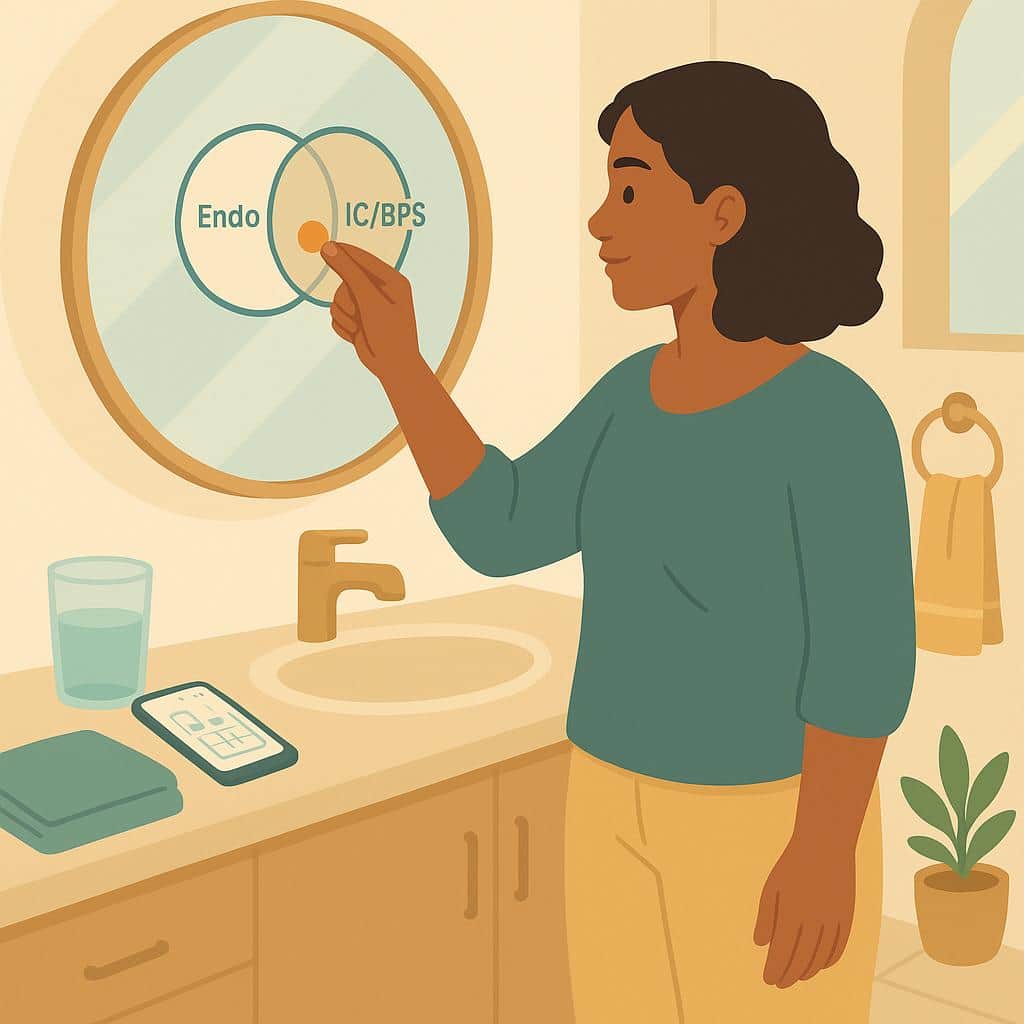
Pelvic pain despite endometriosis treatment? Learn the bladder pain syndrome (IC/BPS) overlap, signs your bladder is involved, and next steps for relief.
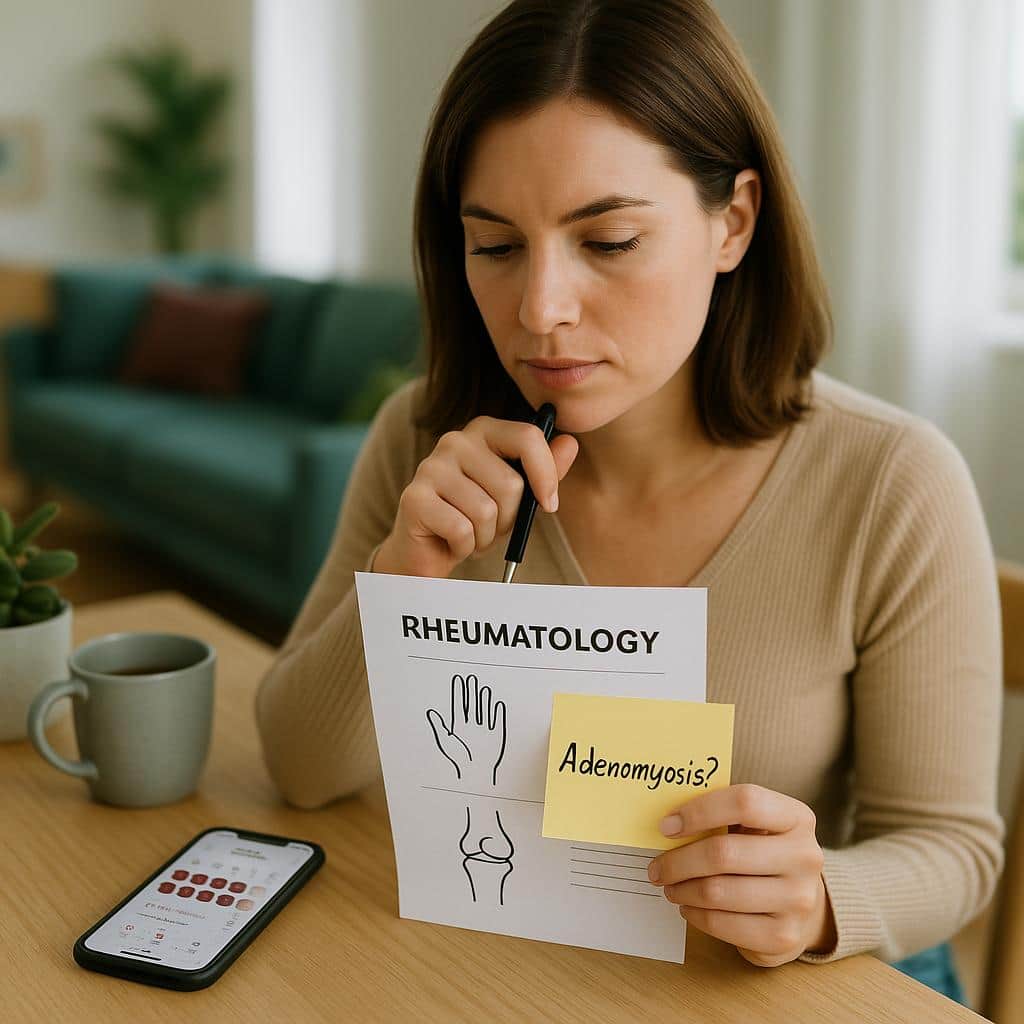
Heavy bleeding and pain in rheumatic disease aren’t always fibroids. Learn key adenomyosis clues, how to get past a 'normal' ultrasound, and treatment options.
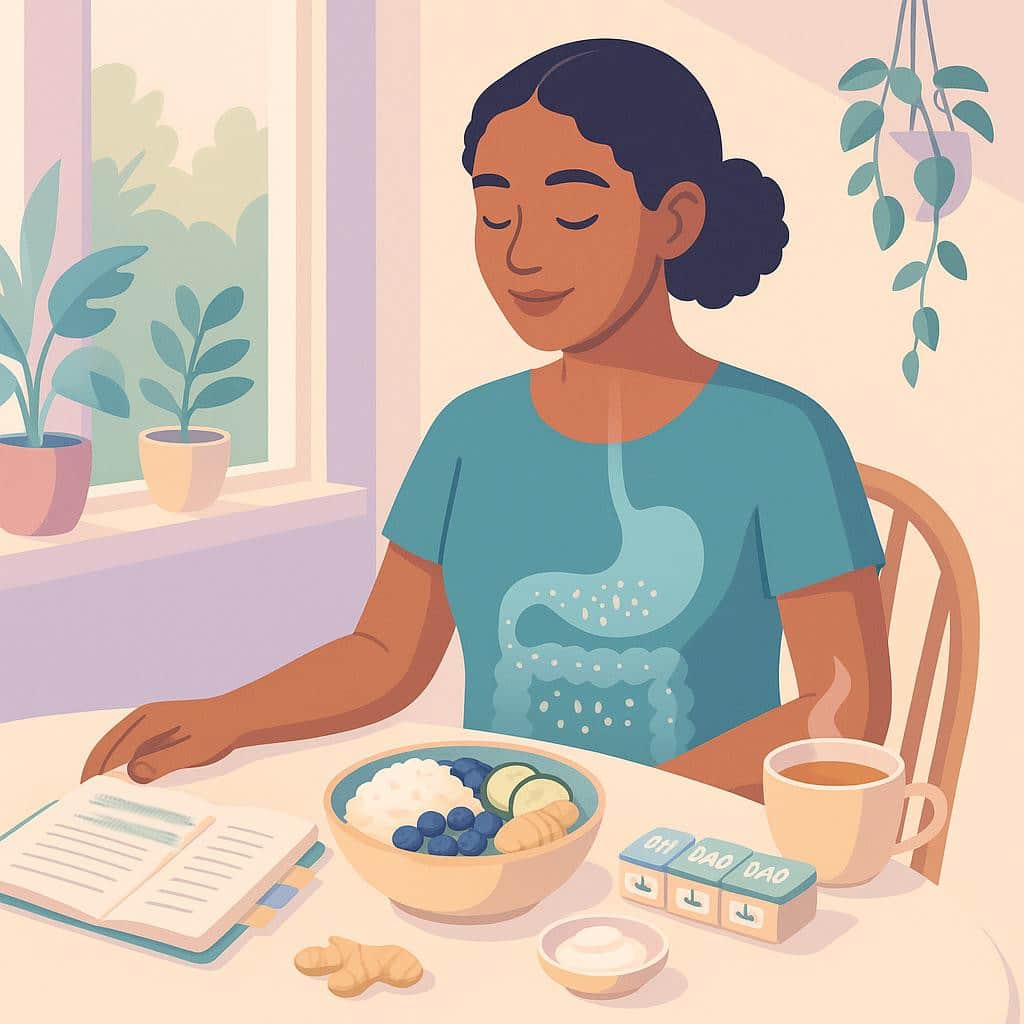
Explore the potential link between MCAS and endometriosis—common symptoms, medical treatments, whether excision helps, and advanced gut-focused options for relief in women.
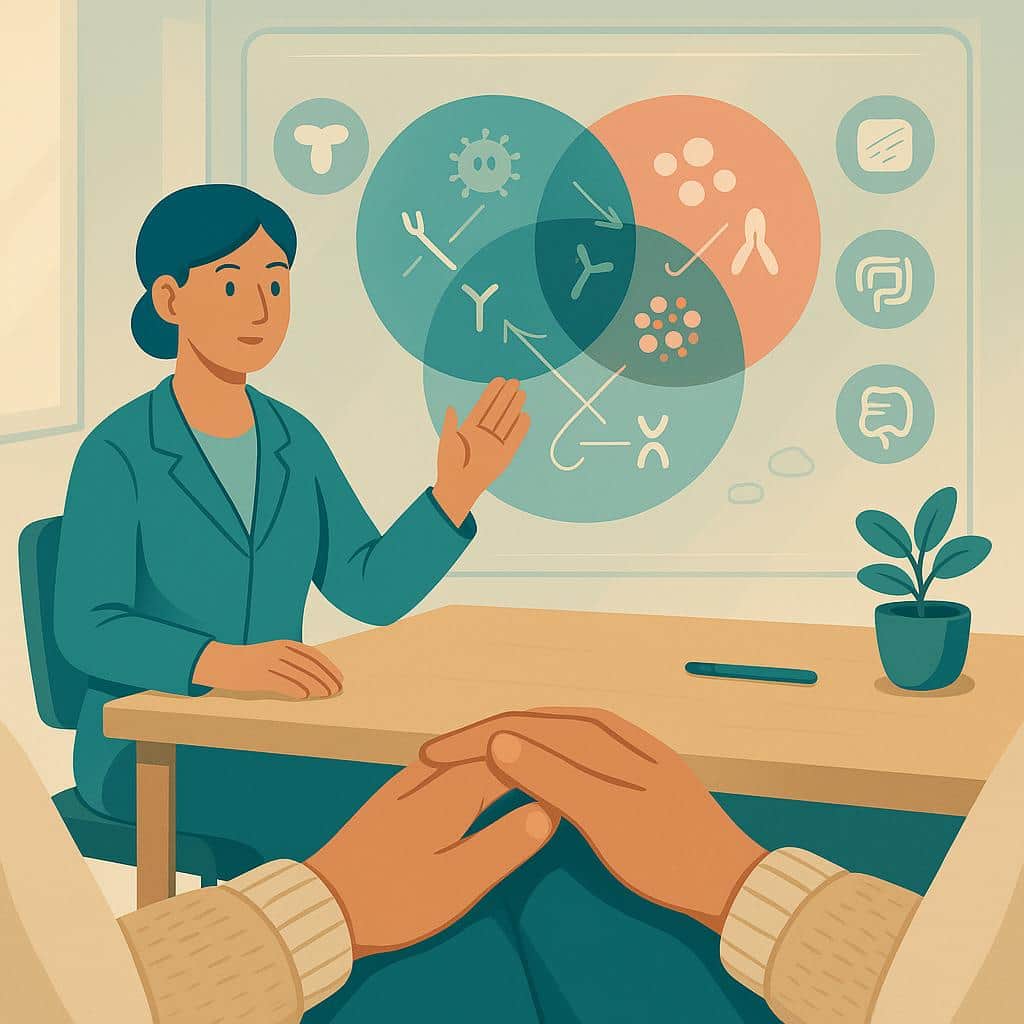
Explore how immune dysfunction may link endometriosis to autoimmune diseases such as lupus, RA, thyroid disease, celiac, MS, and IBD - evidence and care.
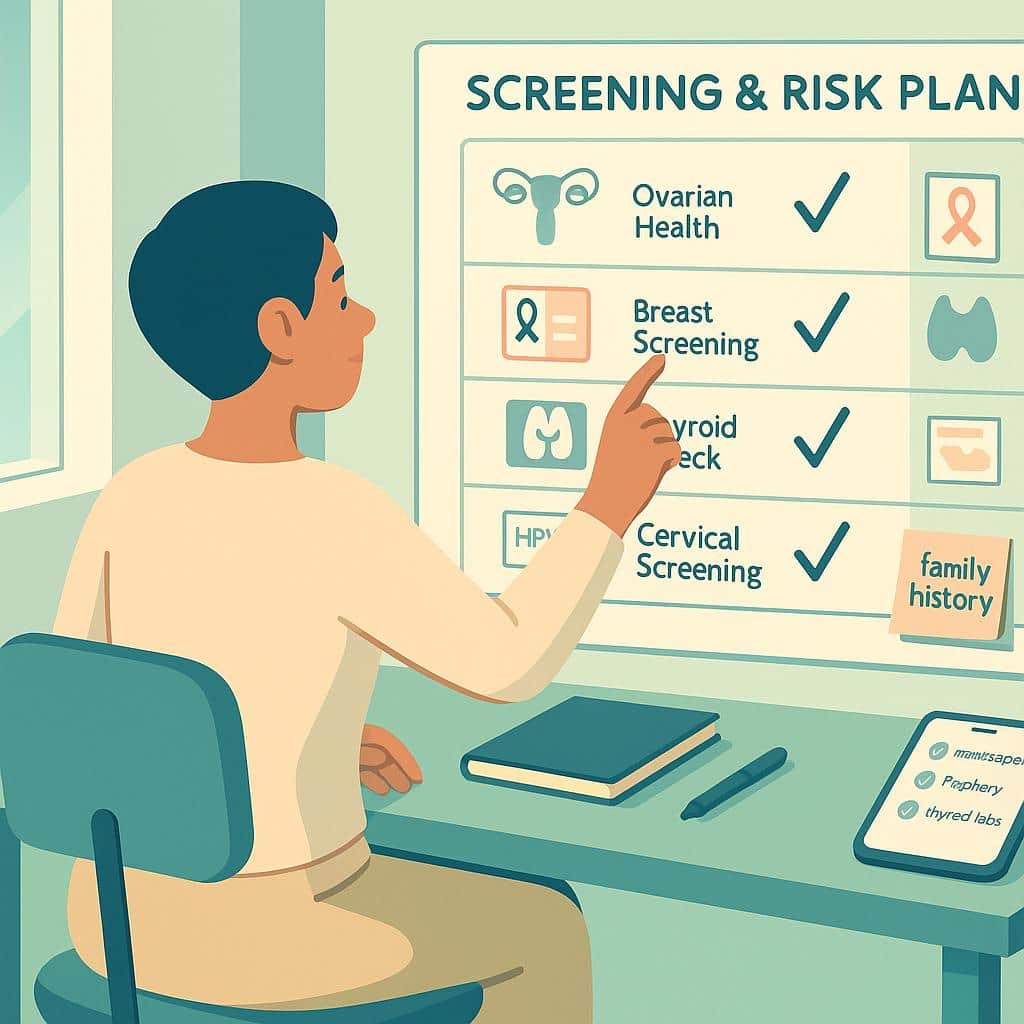
Understand how endometriosis affects ovarian, breast, thyroid, and cervical cancer risk, plus symptoms to watch, screening guidance, and ways to lower risk.
Lotus Endometriosis Institute provides California-based surgical evaluation and advanced excision care for patients with suspected endometriosis, adenomyosis, complex pelvic pain, and related conditions.
Many patients contact us from outside California to learn whether traveling for in-person evaluation and possible surgery may be appropriate.
2121 Santa Monica Blvd, Santa Monica, CA 90404
8am - 5pm
Monday - Friday
154 Traffic Way, Arroyo Grande, CA 93420