Deep Disease
Are endometriosis medications safe with IBD?
The short answer
Some endometriosis medications need extra caution with inflammatory bowel disease (IBD). NSAIDs such as ibuprofen may worsen IBD flares, while hormonal medications can be appropriate for many patients, depending on IBD activity, other medicines and fertility goals.
Some medications commonly used for endometriosis symptoms need extra caution if you also have inflammatory bowel disease (IBD). NSAIDs, such as ibuprofen or naproxen, can irritate the GI tract, raise bleeding risk, and may worsen IBD flares, so we often look for other pain-control strategies when IBD is active.
Hormonal medications used to suppress cycles can be appropriate for many patients with IBD and may improve period-linked bowel symptoms for some, but the right choice depends on your IBD activity, your other prescriptions (including steroids, immunomodulators, or biologics), and your fertility goals. In a consultation, our team reviews your symptom pattern and medication history and coordinates care with your gastroenterology team so your pelvic pain plan supports your GI health without destabilizing it.
Where to go from here
Understand it, compare it with what you're feeling, then talk it through with us.
Understand
Understand the condition
Speak with Us
Concerned About Medications and IBD?
Managing endometriosis with IBD requires careful medication choices. Our specialists tailor treatments to keep both conditions balanced and minimize risks.
Questions people ask next
All deep disease questionsAre endometriosis hormones safe with autoimmune disease?
In many cases, hormonal treatment for endometriosis can be used safely alongside autoimmune disease management. Estrogen-containing hormones need extra caution if your condition raises clot risk or you have had clotting complications.
Side effects, monitoring, and duration of endometriosis medications?
Side effects can include spotting, mood changes, acne or effects on bone density, depending on the medication. Monitoring depends on your health history; many patients can use progestogens or a hormonal IUD long term if effective and well-tolerated, while GnRH regimens are typically time-limited.
What medications help endometriosis and adenomyosis?
For endometriosis and adenomyosis, NSAIDs like ibuprofen can help pain, and hormonal medications can sometimes lessen bleeding and pain. NSAIDs don’t treat the underlying disease, and hormonal relief varies and typically lasts only while you’re on medication.
Do medications help bowel endometriosis, and when is surgery needed?
Hormonal medications can reduce pain in many patients with bowel endometriosis, but they don’t remove deep bowel nodules. Surgery is more strongly considered for narrowing or obstruction risk, severe pain despite medication, recurrent rectal bleeding with cycles, or fertility-focused treatment.
Further reading
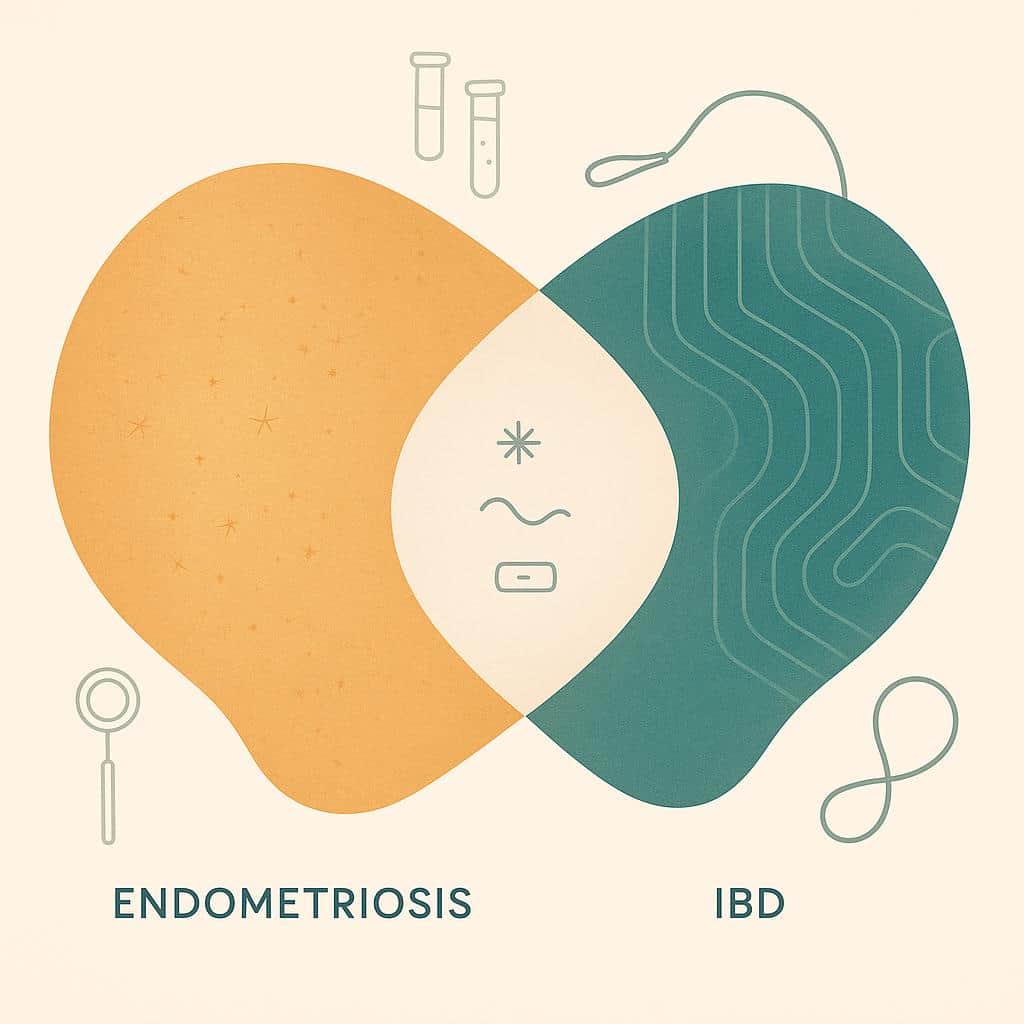
Endometriosis or Inflammatory Bowel Disease? The Key Differences
How endometriosis and inflammatory bowel disease differ and overlap. Symptoms, diagnostic challenges, epidemiology, treatment risks, and research gaps.
Non-hormonal Options for Endometriosis Pain: What’s Actually Worth Trying?
Discover evidence-based nonhormonal treatments for endometriosis pain. Find options you can try now for effective symptom management.
Endometriosis and Autoimmune Disease: Understanding the Link
Explore how immune dysfunction may link endometriosis to autoimmune diseases such as lupus, RA, thyroid disease, celiac, MS, and IBD - evidence and care.