Deep Disease
Do medications help bowel endometriosis, and when is surgery needed?
The short answer
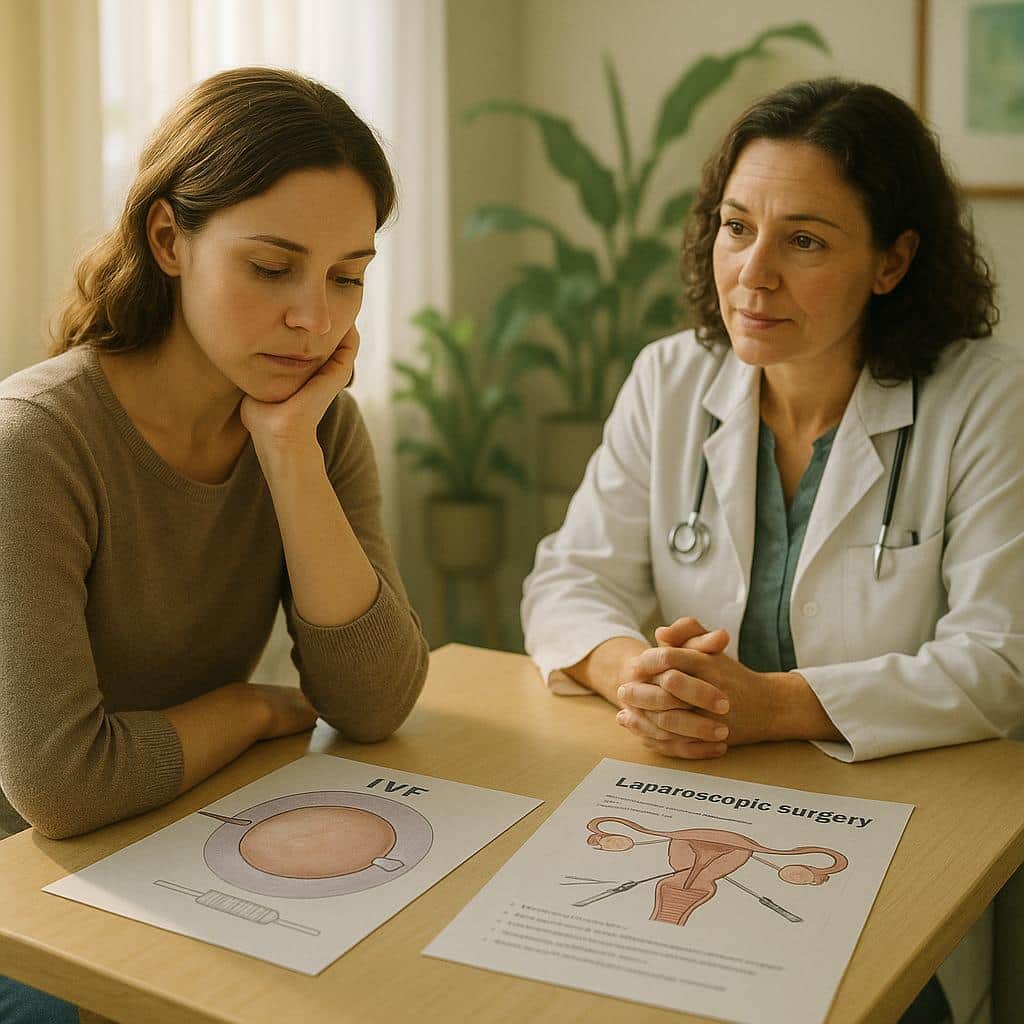
Hormonal medications can reduce pain in many patients with bowel endometriosis, but they don’t remove deep bowel nodules. Surgery is more strongly considered for narrowing or obstruction risk, severe pain despite medication, recurrent rectal bleeding with cycles, or fertility-focused treatment.
Hormonal medications can help many patients with bowel endometriosis by calming inflammation and reducing pain, especially when symptoms are cyclical. But medication doesn’t remove deep endometriosis nodules affecting the bowel wall, so symptoms often return if treatment is stopped or becomes less effective over time. Medications may be a reasonable first step for symptom control, but they don’t address structural problems like scarring or narrowing.
We consider surgery more strongly when there are signs of bowel narrowing or obstruction risk, ongoing severe pain despite medical therapy, recurrent rectal bleeding with cycles, or when treatment decisions center on fertility goals. Because bowel disease can involve the outer bowel surface or deeper layers, surgical planning often benefits from coordination with a colorectal surgery partner to improve safety and outcomes. If you’re weighing medication versus surgery, our team can review your symptoms, imaging, and goals and help you decide on the most appropriate next step.
Where to go from here
Understand it, compare it with what you're feeling, then talk it through with us.
Compare
Symptoms it can relate to
Speak with Us
Struggling with Bowel Endometriosis?
Our specialists can help manage your symptoms with tailored treatments and determine if surgery is the right step for you. Get expert care for deep disease affecting your quality of life.
Questions people ask next
All deep disease questionsWhat treatments help most for painful bowel movements?
The treatments that help most are those matched to the cause of your pain. For some patients, hormonal suppression can reduce cycle-linked flares; excision surgery is often most definitive for bowel endometriosis, and pelvic floor physical therapy can help with muscle tension and straining.
Can medication alone treat deep infiltrating endometriosis?
Medication alone may reduce pain and bleeding-related symptoms from deep infiltrating endometriosis, but it does not remove deep lesions or scar tissue. Surgery is often part of definitive treatment if organs are affected or symptoms persist despite medication.
Can hormonal therapy improve endometriosis-related diarrhea?
Yes, hormonal therapy can help some people with diarrhea and urgency that flare with endometriosis. By quieting menstrual cycling, it may reduce bowel irritation, but response is very individual and some people have side effects that can worsen bowel symptoms.
What medications help endometriosis and adenomyosis?
For endometriosis and adenomyosis, NSAIDs like ibuprofen can help pain, and hormonal medications can sometimes lessen bleeding and pain. NSAIDs don’t treat the underlying disease, and hormonal relief varies and typically lasts only while you’re on medication.
Further reading
Bowel Endometriosis: Causes, Symptoms, and Treatment
Bowel endometriosis explained: locations, symptoms, causes, diagnosis and misdiagnosis, plus treatments from minimally invasive surgery to lifestyle changes.
Should You Try Hormone Therapy Before Endometriosis Surgery?
Explore the benefits of hormone therapy before endometriosis surgery. Learn about GnRH agonists and their impact on pain and recovery.
Bowel Endometriosis and Infertility - What Should You Try First?
Explore options for bowel endometriosis and infertility. Understand whether surgery or IVF should be your first step. Get reliable insights now.