
General
Are probiotics or fecal transplant ready for endometriosis care?
The short answer
Probiotics and fecal transplants aren’t considered routine care for endometriosis right now. The evidence isn’t strong enough to recommend specific probiotic strains for symptoms, and fecal transplantation is even earlier in its role for endometriosis.
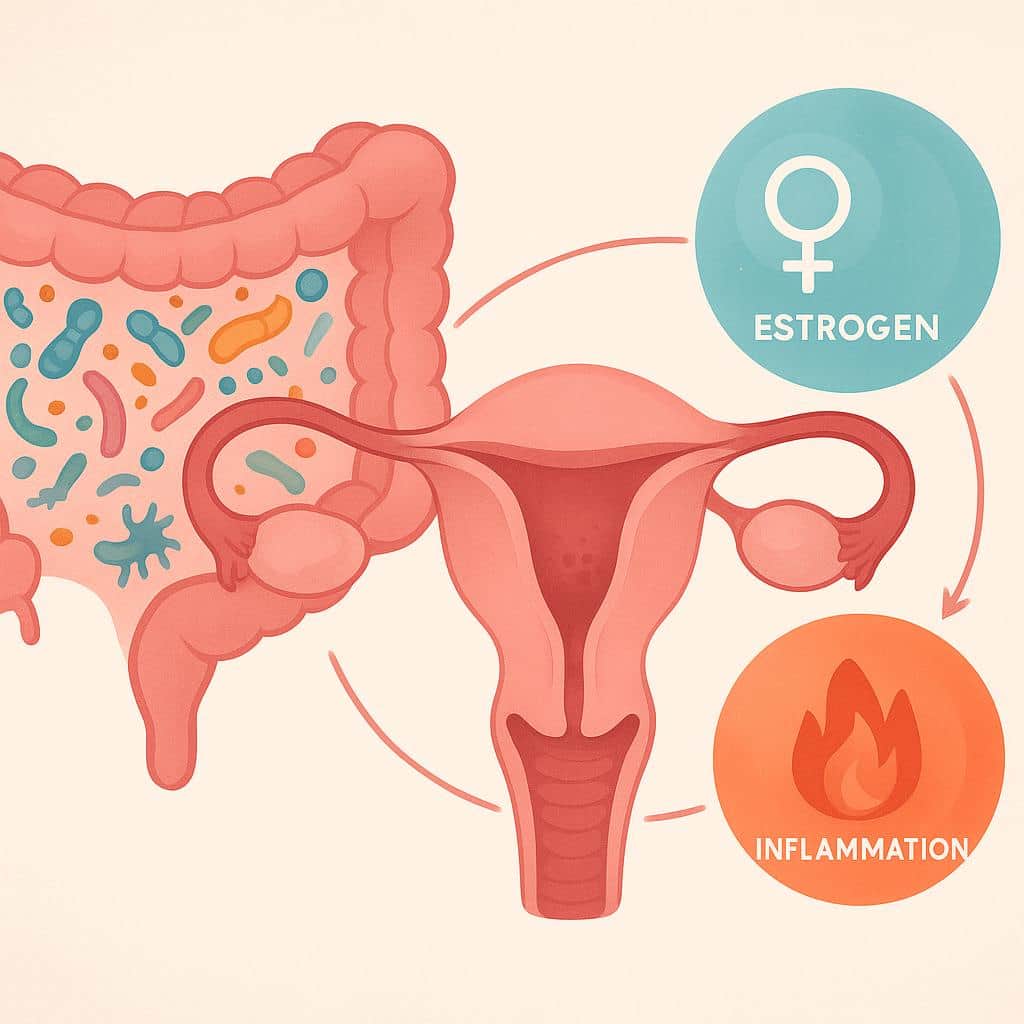
Right now, microbiome-targeted therapies aren’t considered routine care for endometriosis. Early research suggests the gut microbiome may influence inflammation and pain signaling, but the evidence isn’t strong enough to recommend specific probiotic strains as a reliable treatment for endometriosis symptoms.
Fecal microbiota transplantation is at an even earlier stage for endometriosis and is not a standard option in typical clinical practice. If you’re interested in microbiome-focused approaches, we can help you weigh what’s known, what’s uncertain, and how these ideas might fit alongside a comprehensive plan to evaluate and treat the drivers of your symptoms.
Where to go from here
Understand it, compare it with what you're feeling, then talk it through with us.
Compare
Symptoms it can relate to
Speak with Us
Curious About Microbiome Therapies?
We understand your interest in cutting-edge treatments like probiotics and fecal transplants. Our specialists can help you explore proven options and emerging research tailored to your care.
Questions people ask next
All general questionsCan probiotics or prebiotics help endometriosis pain or flares?
Some patients find that probiotics or prebiotic fibers reduce gut-related discomfort that can amplify pelvic pain during flares. Evidence specific to endometriosis is still limited, and effects can vary by strain and dose, with no benefit or worse bloating for some.
Can diet changes or probiotics treat endometriosis based on microbiome research?
There is not yet strong clinical trial evidence that diet changes or probiotics reliably reduce endometriosis lesions or stop disease progression. They may help symptoms for some people, but are supportive tools, not a substitute for a tailored treatment plan.
What new endometriosis treatments are being studied?
Researchers are studying non-hormonal treatments that target inflammation, pain signaling, new blood vessel growth, and scarring in endometriosis. A few approaches look promising, but most are still experimental and not widely available outside clinical trials.
Do microbiome tests help diagnose or guide treatment for endometriosis?
Microbiome testing is not currently reliable enough to diagnose endometriosis or choose a specific treatment plan on its own. In our practice, results are one small piece of a bigger picture that includes your symptoms, exam, imaging, and overall health.
Further reading
Optimizing the Microbiome to Support Endometriosis Care
Learn how antibiotics, probiotics, prebiotics, diet and immunomodulation affect the endometriosis–gut axis, with practical, research-backed microbiome tips.
The Microbiome’s Role in Endometriosis
Explore how the microbiome may shape inflammation and estrogen metabolism in endometriosis, and what emerging research means for diagnosis and new therapies.
Endometriosis Diet: What Research Really Supports (and What It Doesn’t)
Learn what truly supports endometriosis symptom relief and improving your reproductive health, backed by reliable research and new evidence.