General
What new endometriosis treatments are being studied?
The short answer
Researchers are studying non-hormonal treatments that target inflammation, pain signaling, new blood vessel growth, and scarring in endometriosis. A few approaches look promising, but most are still experimental and not widely available outside clinical trials.
Researchers are studying new, non-hormonal treatments for endometriosis that aim to treat the disease biology itself rather than simply suppress cycles. Current trials include medications designed to reduce inflammation, calm nerve sensitization (pain signaling), limit new blood vessel growth, known as angiogenesis, and address scarring and fibrosis.
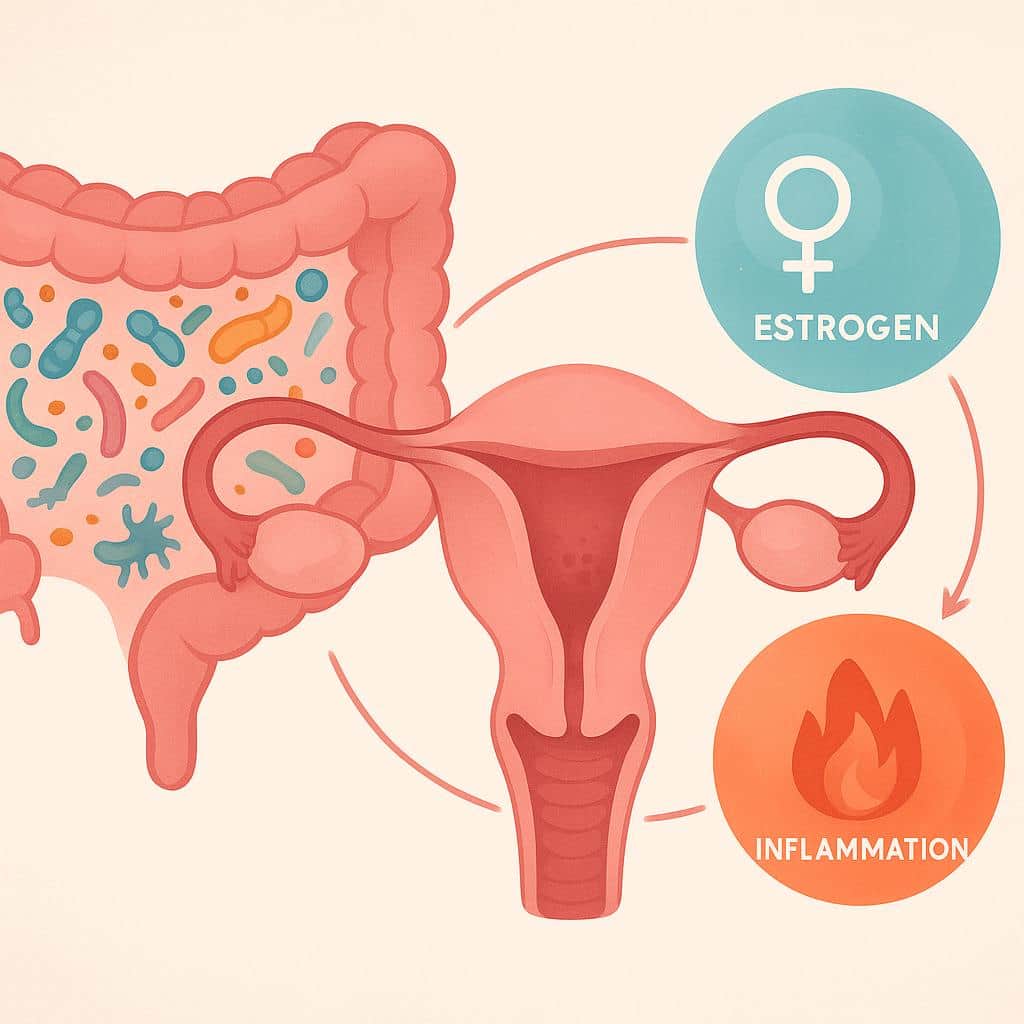
There’s also growing interest in how the microbiome and immune system may influence symptoms and progression, which could shape future therapies. While a few approaches look promising, most are still experimental and not widely available outside clinical trials. If you’re curious about treatments in the pipeline and what may be appropriate for your situation, our team can help you understand how emerging therapies fit alongside proven options like expert excision surgery and individualized medical management.
Where to go from here
Understand it, compare it with what you're feeling, then talk it through with us.
Compare
Symptoms it can relate to
Speak with Us
Explore Latest Endometriosis Treatments
Our specialists stay updated on cutting-edge therapies targeting endometriosis pain and progression. Let us help you understand new options that go beyond hormonal treatments.
Questions people ask next
All general questionsWhat non-hormonal treatments are being studied for endometriosis pain?
Researchers are studying non-hormonal drugs that target inflammation, nerve sensitivity and nerve-growth signaling to reduce endometriosis pain. Most are still in early-stage trials, and the full picture of long-term effectiveness and safety is still emerging.
Do autoimmune medications help endometriosis symptoms?
Autoimmune medications can sometimes indirectly reduce fatigue or generalized pain by calming systemic inflammation from an autoimmune condition. They do not remove endometriosis lesions and typically don’t address endometriosis-specific symptoms.
How could genetics influence endometriosis treatment?
Genetics may help guide endometriosis treatment by identifying pathways behind pain, inflammation, and lesion behavior. This could lead to more targeted, potentially non-hormonal medications, though most genetics-guided treatments are still in development.
Do medications shrink or cure endometriosis?
Medications don’t cure endometriosis and typically don’t eliminate lesions. They can quiet hormonal signals that stimulate lesions and reduce inflammation, which often improves pain while you’re on treatment, but symptoms commonly return when medication is stopped.
Further reading
Can Immune-Targeted Treatments Finally Tame Your Endometriosis Pain?
Explore new immune-targeted treatments for endometriosis pain. Learn how research could change your approach to managing symptoms and improving fertility.
Low Dose Naltrexone for Endometriosis Pain
Can low dose naltrexone help endometriosis pain? Learn what is known, where evidence is indirect, and what to discuss before a monitored trial.
The Microbiome’s Role in Endometriosis
Explore how the microbiome may shape inflammation and estrogen metabolism in endometriosis, and what emerging research means for diagnosis and new therapies.