General
Do microbiome tests help diagnose or guide treatment for endometriosis?
The short answer
Microbiome testing is not currently reliable enough to diagnose endometriosis or choose a specific treatment plan on its own. In our practice, results are one small piece of a bigger picture that includes your symptoms, exam, imaging, and overall health.
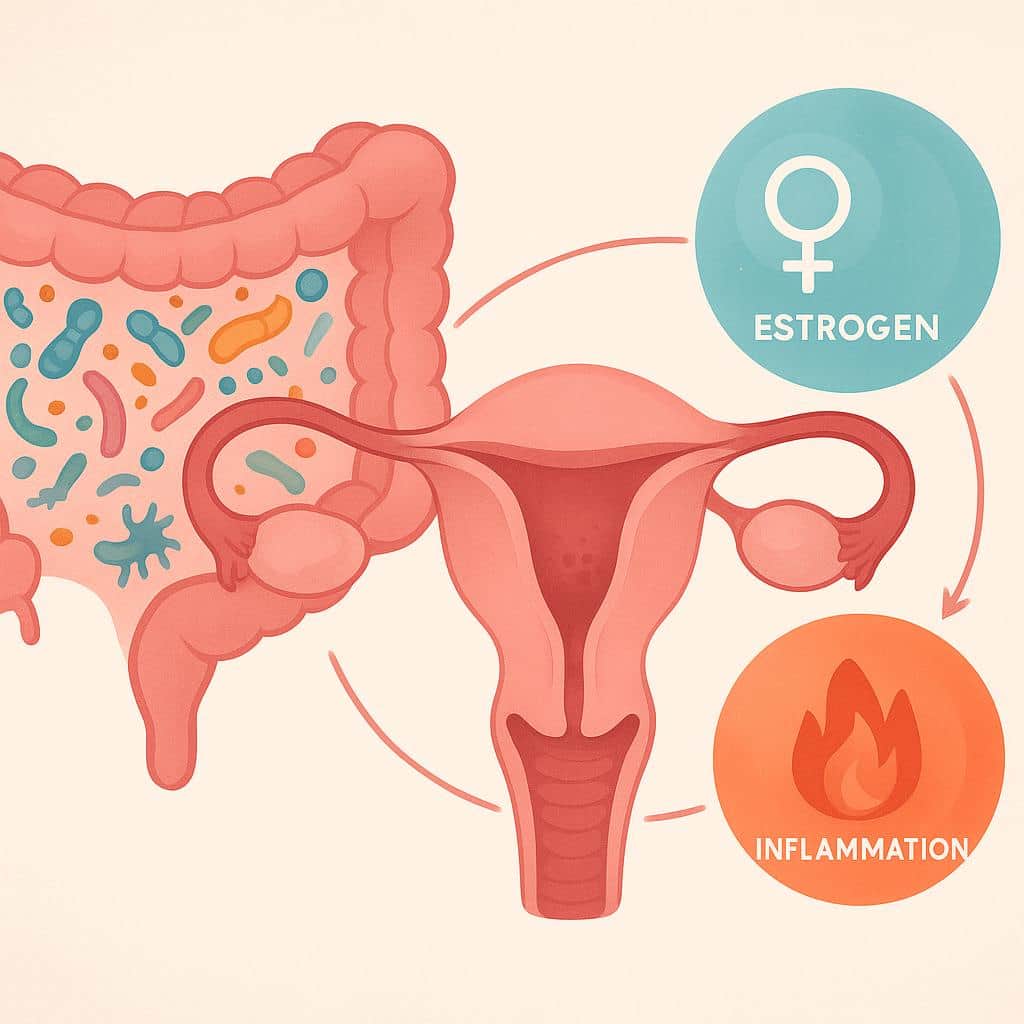
Microbiome research is promising, and some studies have found differences in gut or reproductive-tract bacteria in people with endometriosis. However, microbiome testing is not currently reliable enough to diagnose endometriosis or choose a specific treatment plan on its own.
In our practice, we treat microbiome results, if you already have them, as one small part of a bigger picture that includes your symptoms, exam, imaging, and overall health. If you have bowel symptoms, our team can help you sort out whether they fit with endometriosis, adenomyosis, IBS/SIBO, or another GI condition, then build a targeted plan based on what’s most likely driving your pain and inflammation. If you’d like, reach out to schedule a consultation to review your history and decide what testing (if any) is worth doing next.
Where to go from here
Understand it, compare it with what you're feeling, then talk it through with us.
Understand
Understand the condition
Speak with Us
Unclear on Microbiome Tests?
Microbiome testing isn't a standalone tool for diagnosing or treating endometriosis. Our specialists combine all your symptoms and tests to create a personalized approach to your care.
Questions people ask next
All general questionsDo I need stool testing or SIBO breath testing?
Most commercial microbiome stool tests aren’t validated to guide endometriosis treatment. SIBO breath testing can be more useful when symptoms fit the pattern, such as ongoing bloating, gas and belching, and results would meaningfully change next steps.
Are probiotics or fecal transplant ready for endometriosis care?
Probiotics and fecal transplants aren’t considered routine care for endometriosis right now. The evidence isn’t strong enough to recommend specific probiotic strains for symptoms, and fecal transplantation is even earlier in its role for endometriosis.
Can biomarkers guide treatment or track response in endometriosis?
Biomarkers are promising, but they’re not yet reliable for choosing an endometriosis treatment or tracking how well it works in real time. Monitoring still relies on how you feel and function over time, with clinical evaluation and imaging when appropriate.
How does the microbiome affect endometriosis and adenomyosis symptoms?
The microbiome can influence inflammation, immune signaling, and pain sensitivity in endometriosis and adenomyosis. For some patients, an imbalance in gut bacteria may contribute to more intense cramping, pelvic pain, bloating, and a lower threshold for flares.
Further reading
The Microbiome’s Role in Endometriosis
Explore how the microbiome may shape inflammation and estrogen metabolism in endometriosis, and what emerging research means for diagnosis and new therapies.
Optimizing the Microbiome to Support Endometriosis Care
Learn how antibiotics, probiotics, prebiotics, diet and immunomodulation affect the endometriosis–gut axis, with practical, research-backed microbiome tips.
Endometriosis Biopsy: A Definitive Method for Diagnosis
Learn when a biopsy is essential for confirming endometriosis or adenomyosis. Explore symptoms, research findings, and options beyond surgery.