Deep Disease
Can endometriosis cause breathing problems?
The short answer
Yes, endometriosis can cause breathing problems when it involves the diaphragm, the lining around the lungs, or, more rarely, the lungs themselves. Symptoms that flare before or during your period and ease afterward suggest a possible connection.
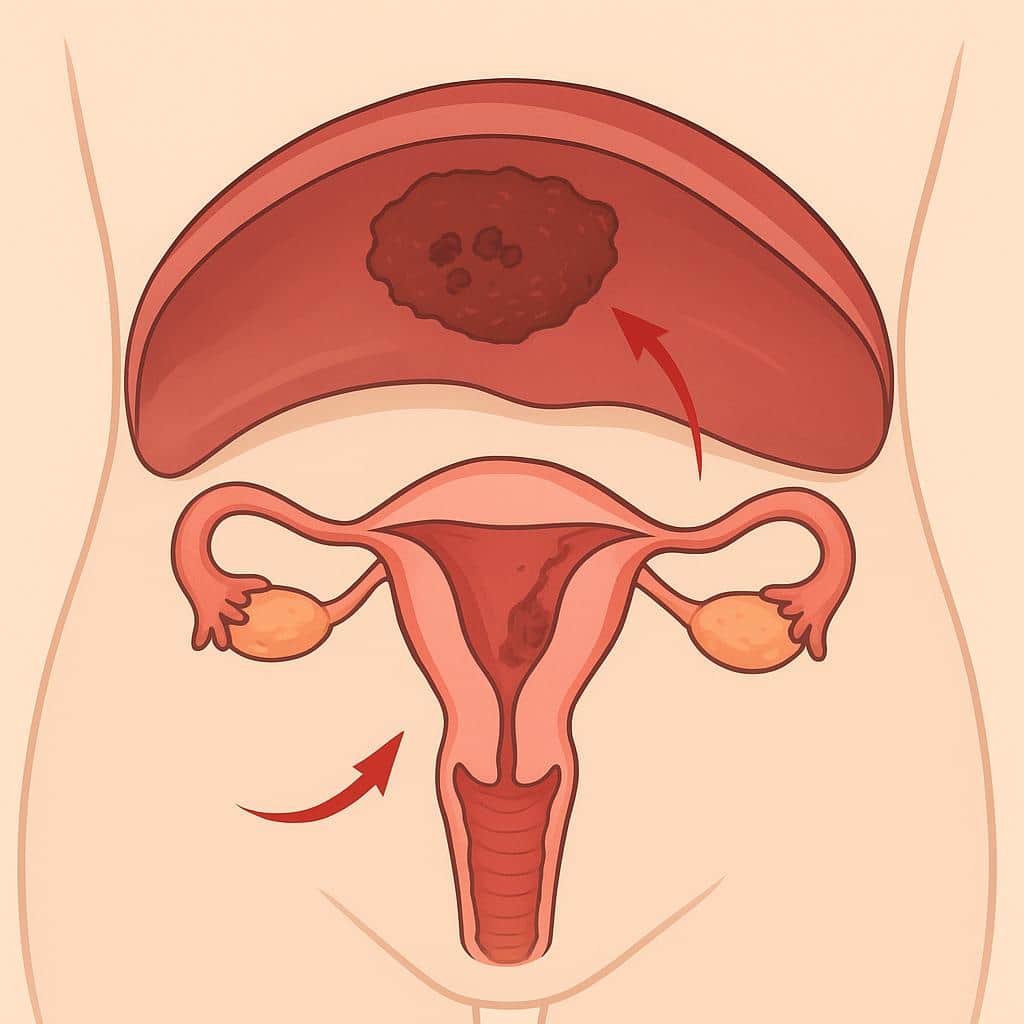
Yes, endometriosis can cause breathing problems in a small subset of people when it involves the diaphragm, the lining around the lungs, or, more rarely, the lungs themselves. Often called thoracic endometriosis syndrome, this can cause shortness of breath, chest tightness or pain, referred shoulder pain, especially on one side, or a recurrent collapsed lung. A major clue is timing: symptoms that reliably flare just before or during your period and ease afterward are more suggestive of endometriosis-related chest involvement than symptoms occurring at random.
Breathlessness during menstruation can also have other causes, including asthma, so timing alone does not establish the diagnosis. We consider symptom timing, associated pain, and your full history in a careful whole-body evaluation, including whether you also have pelvic pain, heavy bleeding, bowel or bladder symptoms, or infertility. Imaging does not always show thoracic or diaphragmatic endometriosis clearly, and some cases require minimally invasive surgery to confirm and treat the disease.
Treatment options may include targeted hormonal suppression or planned excision with an appropriate surgical team, including thoracic expertise when needed. If you’d like an evaluation of recurring, period-linked breathing symptoms, we invite you to contact our team or schedule a consultation to discuss a coordinated workup and treatment planning.
Where to go from here
Understand it, compare it with what you're feeling, then talk it through with us.
Understand
Understand the condition
Compare
Symptoms it can relate to
Speak with Us
Breathing symptoms around your period?
Endometriosis can rarely affect the diaphragm or chest and trigger shortness of breath, chest/shoulder pain, or even recurrent lung collapse—often flaring with your cycle. Our endometriosis specialists can evaluate deep disease and coordinate the right imaging and surgical plan if thoracic endometri
Questions people ask next
All deep disease questionsDiaphragmatic endometriosis vs anxiety/asthma: what symptoms fit?
Shortness of breath that predictably flares and eases with your menstrual cycle may be related to diaphragmatic endometriosis. Other clues include pain with deep breaths, a sharp ache under the ribs, chest tightness, or shoulder or neck pain.
When are thoracic symptoms an emergency?
Sudden, severe chest pain, new or worsening shortness of breath, or faintness should be treated as an emergency, especially around your period. These symptoms can rarely reflect a lung complication linked to endometriosis and need immediate evaluation.
Can thoracic endometriosis cause a collapsed lung?
Yes, in rare cases, thoracic endometriosis can be associated with a spontaneous collapsed lung that tends to recur around menstruation, called catamenial pneumothorax. Symptoms may include one-sided chest pain, shortness of breath or shoulder discomfort.
What are common symptoms of thoracic endometriosis?
Thoracic endometriosis symptoms include chest pain or tightness, shortness of breath, and pain in the shoulder or upper back, often flaring around your period. In some cases, a collapsed lung or fluid or blood around the lung can recur around menstruation.
Further reading
Thoracic Endometriosis: Understanding Symptoms, Diagnosis, and Treatment Options
Chest pain or shortness of breath during your period? Thoracic Endometriosis Syndrome is a rare but serious condition often missed for years. Learn the signs.
When Endometriosis Affects Your Lungs, What Can Help?
Discover the rare thoracic endometriosis syndrome (TES), its symptoms, and effective treatment options for lung-related endometriosis.
Diaphragmatic Endometriosis: Symptoms and Treatment Options
Learn what diaphragmatic endometriosis is, how it affects the diaphragm, key symptoms, causes, diagnosis options, treatments, and potential complications.