



Diaphragmatic Endometriosis: Symptoms and Treatment Options
Causes, symptoms, diagnosis, treatment, and complications—explained in depth.
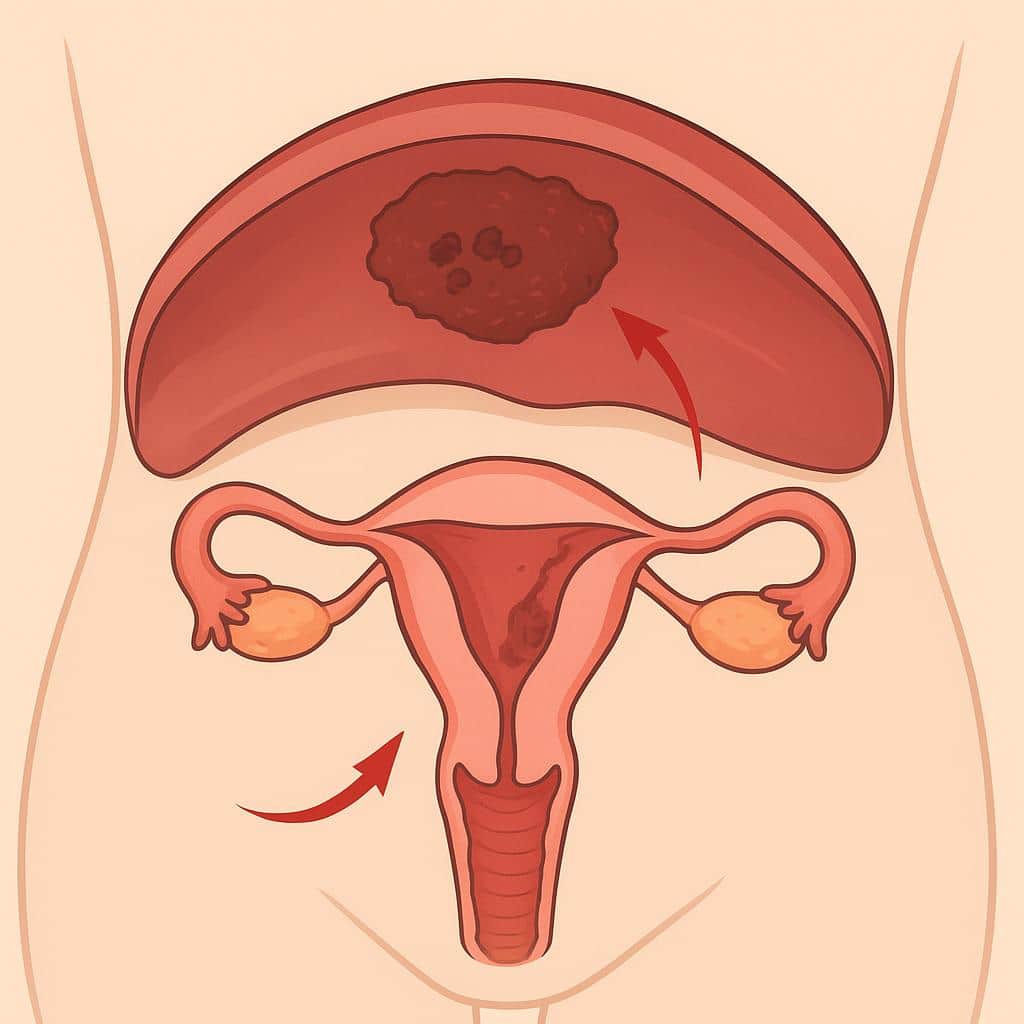
Diaphragmatic Endometriosis: An Overview
Diaphragmatic endometriosis is a chronic condition that occurs when tissue similar to the endometrial lining grows outside the uterus. These endometrial-like deposits commonly affect the ovaries, fallopian tubes, and bladder, but may also appear in less typical locations such as the diaphragm, upper abdominal organs like the stomach, and retroperitoneal structures including lymph nodes and kidneys. Among these uncommon sites, the diaphragm is perhaps the most frequently involved.
Understanding the Diaphragm
The diaphragm is a large, dome-shaped muscle located beneath the lungs that is essential for respiration. It separates the abdominal and thoracic (chest) cavities, and its involuntary contractions and relaxations facilitate breathing. The diaphragm also contains openings that allow the esophagus and major blood vessels to pass through.
What Is Diaphragmatic Endometriosis?
Diaphragmatic endometriosis most often affects the right side of the diaphragm. When endometrium-like tissue builds up on the peritoneal surface of the diaphragm, it responds to menstrual cycle hormones similarly to uterine endometrium, which can generate various symptoms.
Symptoms of Diaphragmatic Endometriosis
Typical symptoms include pain in the chest, upper abdomen, right shoulder, and arm, often around the time of menstruation. This pain may intensify with deep breathing or coughing. In rare instances, when the disease penetrates the diaphragm and involves the lungs, it can lead to a collapsed lung known as catamenial pneumothorax. Diaphragmatic endometriosis can also be asymptomatic, especially when only small superficial implants are present. For this reason, surgery generally includes at least visual inspection of the diaphragms to document the presence of any implants, even in the absence of local symptoms.
Causes of Diaphragmatic Endometriosis
The precise cause of diaphragmatic endometriosis, as with other forms of endometriosis, remains unknown. It is plausible that cells originating in the pelvis can travel through the abdomen to the diaphragm, although the factors that enable them to implant and grow there are not understood. Other possible mechanisms include spread via lymphatic channels or the bloodstream, direct transformation of stem cells, or the growth of embryologic remnants into endometriosis implants. These pathways are likely influenced by genetic and genomic molecular signaling, which is only now being more fully appreciated and unraveled.
Struggling with Diaphragmatic Pain?
Our specialists are here to help you understand your condition and explore your treatment options.
Book Your ConsultationDiagnosis of Diaphragmatic Endometriosis
Diagnosis can be challenging and often relies on a combination of medical history, physical examination, and imaging such as CT (computed tomography) or MRI (magnetic resonance imaging). The most reliable diagnostic method is minimally invasive laparoscopic or robotic surgery. Ideally, the surgeon excising pelvic endometriosis can also remove diaphragmatic implants, or a qualified surgeon should be available as part of the surgical team to do so. In the much rarer situation where endometriosis is suspected inside the chest or on or within the lungs, consultation with a thoracic surgeon is recommended.
Treatment of Diaphragmatic Endometriosis
Surgery is the primary treatment and is usually performed via minimally invasive laparoscopic or robotic techniques. The excision surgeon or surgical team should be equipped to remove endometriosis from the diaphragms. If diaphragmatic involvement is not suspected and safe excision cannot be accomplished by the available surgeons, it is best to refrain from proceeding to avoid causing more harm than good. Because the diaphragm is very thin, entering the chest can occur during excision; in expert hands, this is manageable. However, if there is uncertainty about whether the disease crosses into the chest cavity, the safest approach is to pause, obtain appropriate imaging and consultations, and plan surgery later with a thoracic surgeon.
Possible Complications
In relatively rare cases, diaphragmatic endometriosis can cause defects or holes in the diaphragm. Endometrial tissue may then extend into the chest and potentially involve the lungs, which can result in life-threatening events such as a collapsed lung during menstruation (catamenial pneumothorax) or significant bleeding into the chest that compresses the lung.
Conclusion
Although relatively uncommon, endometriosis can affect the diaphragm and, under more rare circumstances, extend into the chest and lungs. Expert endometriosis consultation and care are always advisable, and they become crucial if you experience upper abdominal or chest symptoms like those described in this article.
Quick Answers
How much time off work do I need after endometriosis surgery?
Most people need about 2–3 weeks off work after minimally invasive endometriosis excision, especially for a desk-based job with a gradual return. More complex surgery can extend that time, and your job duties help determine a realistic return-to-work plan.
How do I choose an adenomyosis specialist or surgeon?
Choose a specialist who matches treatment to your goals and explains how uncertainty in a diagnosis based on imaging and symptoms affects your options. If surgery is being considered, look for a surgeon who routinely performs complex minimally invasive pelvic surgery.
What is pelvic dissection in endometriosis surgery?
Pelvic dissection means carefully separating tissue planes in the pelvis to see normal anatomy and remove endometriosis safely. It may include freeing organs joined by scarring and identifying and protecting the ureters, bowel, bladder and pelvic nerves.
What does a frozen pelvis mean with endometriosis?
A frozen pelvis means the uterus is essentially stuck in place by dense scarring caused by endometriosis-related inflammation. It may be tethered to the bowel, bladder, ovaries or pelvic sidewall, and this finding often suggests more advanced disease.