

Deep Disease
Can imaging predict if I’ll need bowel, bladder, or ureter surgery?
The short answer
Yes, high-quality pelvic ultrasound and MRI can often help anticipate whether bowel, bladder, or ureter surgery may be needed. Imaging helps plan the safest approach, but the definitive assessment and exact surgical plan are confirmed during surgery.
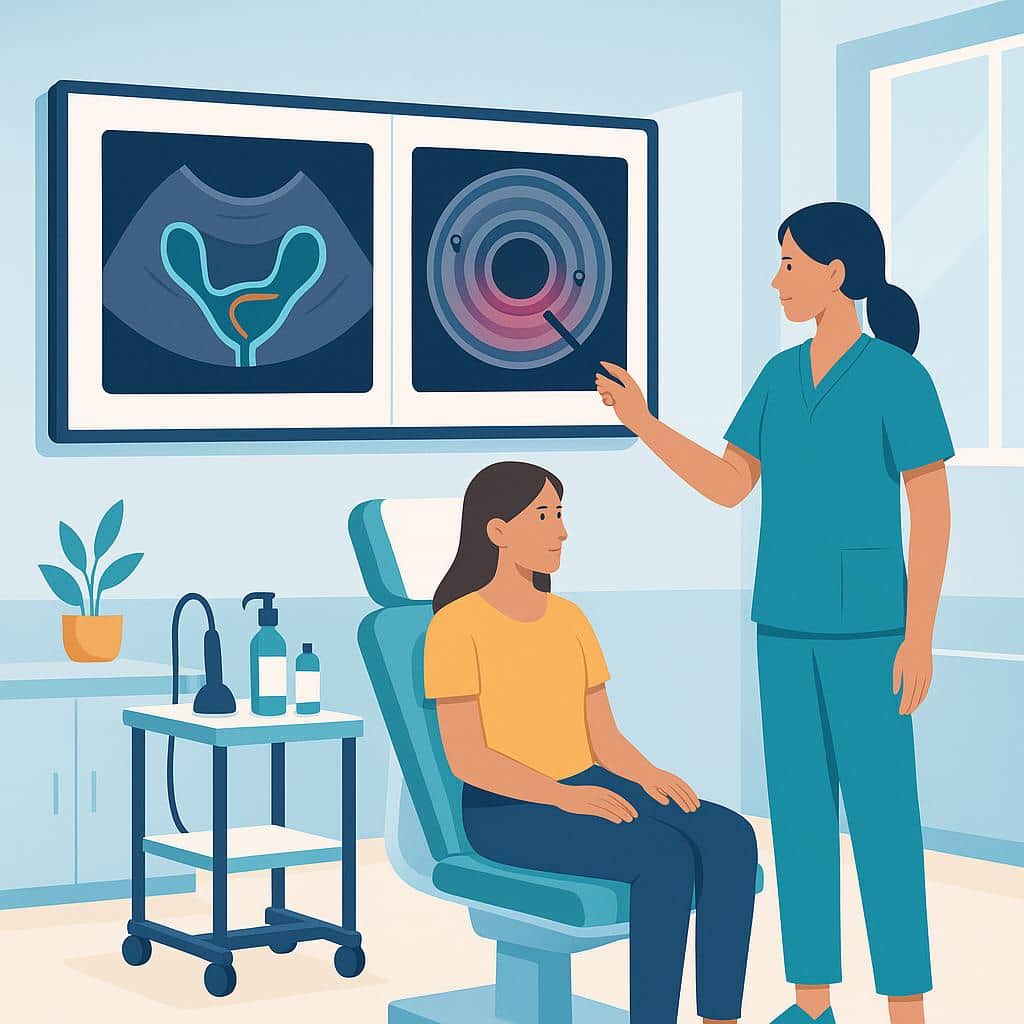
Yes, high-quality pelvic ultrasound and MRI can often help us anticipate whether endometriosis is affecting the bowel, bladder, or ureters and how extensive that involvement appears. Imaging may suggest features such as deeper bowel wall involvement, the amount of bowel circumference affected, ureteral deviation or narrowing, or signs of bladder wall involvement. These findings help us plan the safest surgical approach.
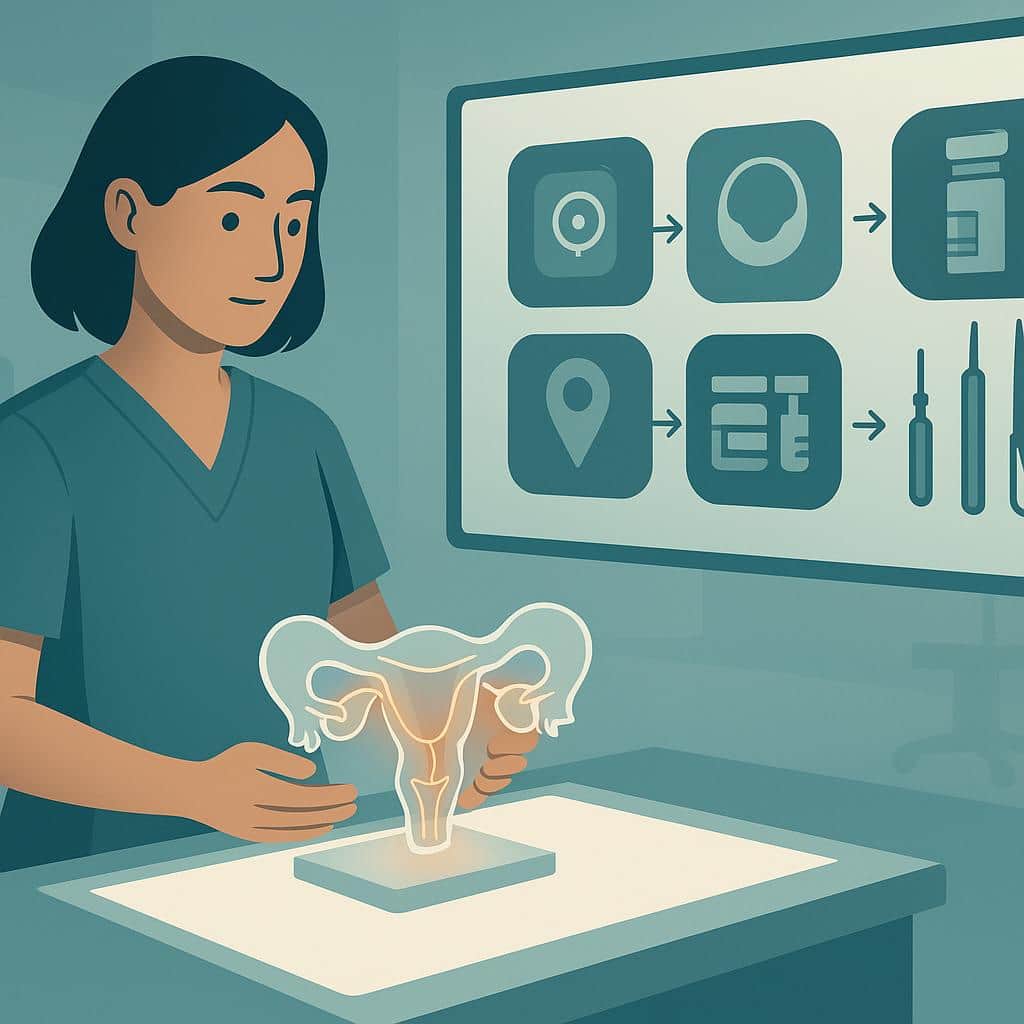
That said, imaging is a map, not the final verdict. The definitive assessment and exact surgical plan are confirmed during surgery. Thorough pre-op mapping helps us coordinate the right surgical team support when needed and reduce unexpected findings, including lowering the chance of last-minute changes like an unplanned ostomy. If you’re deciding on surgery or worried about organ involvement, our team can review your imaging and symptoms with you and walk you through what the images do (and don’t) suggest for your procedure.
Where to go from here
Understand it, compare it with what you're feeling, then talk it through with us.
Compare
Symptoms it can relate to
Speak with Us
Worried About Surgery? Get Answers Now
Our specialists use advanced imaging to anticipate if your endometriosis involves the bowel, bladder, or ureters. Let us guide you with a personalized surgical plan designed for your safety and care.
Questions people ask next
All deep disease questionsUltrasound or MRI before endometriosis excision: which is best?
Neither ultrasound nor MRI is universally best before endometriosis excision. Expert ultrasound assesses deep disease and organ mobility; MRI often adds a broader map of disease near the bowel, bladder and ureters, and both may be recommended in complex cases.
Do I need imaging or special prep before endometriosis excision?
In many cases, yes: targeted transvaginal ultrasound and/or pelvic MRI can help plan endometriosis excision more safely and thoroughly. Prep depends on imaging and symptoms; some patients may need bowel preparation or temporary ureteral stents.
Can imaging be negative and still help plan endometriosis surgery?
Yes, imaging can be negative and still help plan endometriosis surgery. Small or superficial disease may not show up, but imaging can help map deeper disease and assess whether nearby organs may be involved, helping plan the surgical team and anticipate complexity.
When is pelvic MRI recommended for suspected endometriosis?
Pelvic MRI is most helpful when deep endometriosis is suspected and is commonly used when a high-quality ultrasound doesn’t fully explain symptoms. It can help plan surgery and may be considered if symptoms persist despite treatment and results could change next steps.
Further reading
Do You Need Two Ultrasounds Before Bowel Endometriosis Surgery?
How TVS (transvaginal) and ERUS (endorectal) map rectal endometriosis, guide bowel surgery planning, flag stenosis and risks, and who benefits.
Bladder Endometriosis: Symptoms, Diagnosis, and Treatment Options
Learn about bladder endometriosis, its symptoms, diagnosis, and treatment options. Understand the complexities to find effective pain management solutions.
Deep Infiltrating Endometriosis: Current and Future Treatments
Deep infiltrating endometriosis: symptoms, causes, diagnosis and treatment. Medical therapy, ICG-guided surgery, stenting, pathology, and future outlook.