Symptoms
Can pelvic floor PT help bladder urgency or bowel symptoms?
The short answer
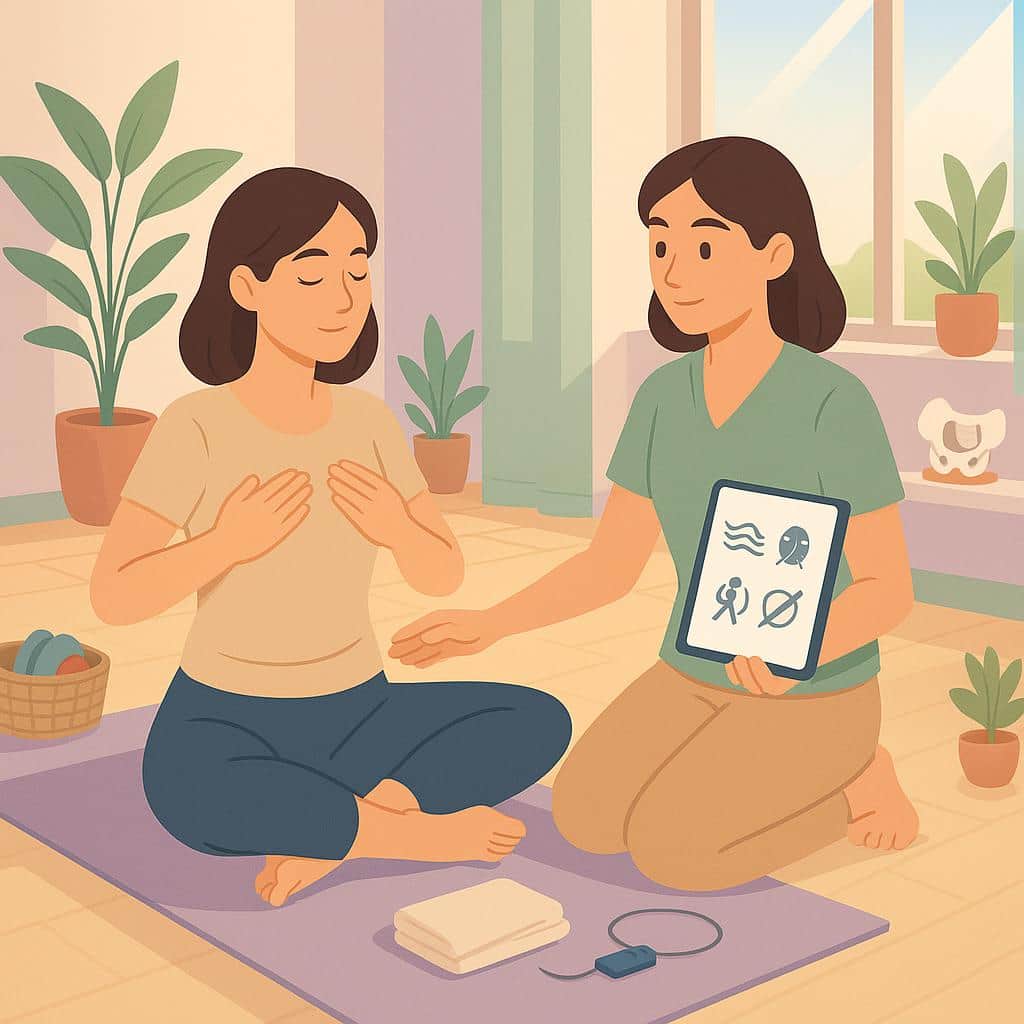
Yes, pelvic floor physical therapy can be very helpful for bladder urgency and certain bowel symptoms, especially when muscles are overactive or uncoordinated. Therapy can teach bladder retraining, relaxation, and coordination to ease emptying and reduce straining.
Yes, pelvic floor physical therapy can be very helpful for bladder urgency and frequency and certain bowel symptoms, especially when pelvic floor muscles are overactive, uncoordinated, or guarding because of chronic pelvic pain. A skilled therapist can teach urge-suppression and bladder retraining strategies, along with relaxation and coordination techniques to make emptying easier and reduce straining.
For bowel symptoms, pelvic floor PT often focuses on improving muscle timing for more complete bowel movements and easing spasm that can contribute to cramping, rectal pressure, and pain. If your symptom pattern also raises concern for a primary bladder or gastrointestinal condition, our team can help coordinate a comprehensive evaluation so you’re not treating the pelvic floor in isolation. If you’d like, reach out to schedule a consultation, and we can help you decide whether pelvic floor PT should be part of your care plan.
Where to go from here
Understand it, compare it with what you're feeling, then talk it through with us.
Understand
Understand the condition
Speak with Us
Struggling with bladder or bowel issues?
Our specialists offer pelvic floor PT to ease bladder urgency and improve bowel function. Let us help you find relief and regain control.
Questions people ask next
All symptoms questionsWhat happens at your first pelvic floor PT appointment?
Your first pelvic floor PT visit starts with your story and goals and typically includes a check of posture, breathing, and muscle function. An internal exam is optional and requires your clear consent. You’ll leave with an individualized plan and a simple home program.
When will I see results from pelvic floor PT, and how often are visits?
Many people start noticing meaningful changes within about 4–6 pelvic floor PT visits, with more complete improvement typically building over 8–12 weeks. Most patients begin with weekly or every-other-week visits, then space sessions out as symptoms stabilize.
What treatments help bladder symptoms when there’s no infection?
When urine tests show no infection, treatment often starts with pelvic floor physical therapy and bladder retraining. Medications can help persistent urgency or frequency, and hormonal suppression can be an important tool for clearly cyclical symptoms.
Can pelvic floor dysfunction cause bladder urgency or constipation?
Yes, pelvic floor dysfunction can cause bladder urgency or contribute to constipation. When these muscles are tight, overactive, or not coordinating well, they can interfere with bladder and bowel emptying, leading to straining or a feeling of incomplete emptying.
Further reading
Can Physical Rehab Reduce Endo and Adeno Pain?
How pelvic rehab and pelvic floor PT can help endometriosis and adenomyosis pain. What it treats best, who benefits, timelines, red flags, and questions to ask.
Endometriosis and Bladder Pain - Why Your Pelvic Pain Persists
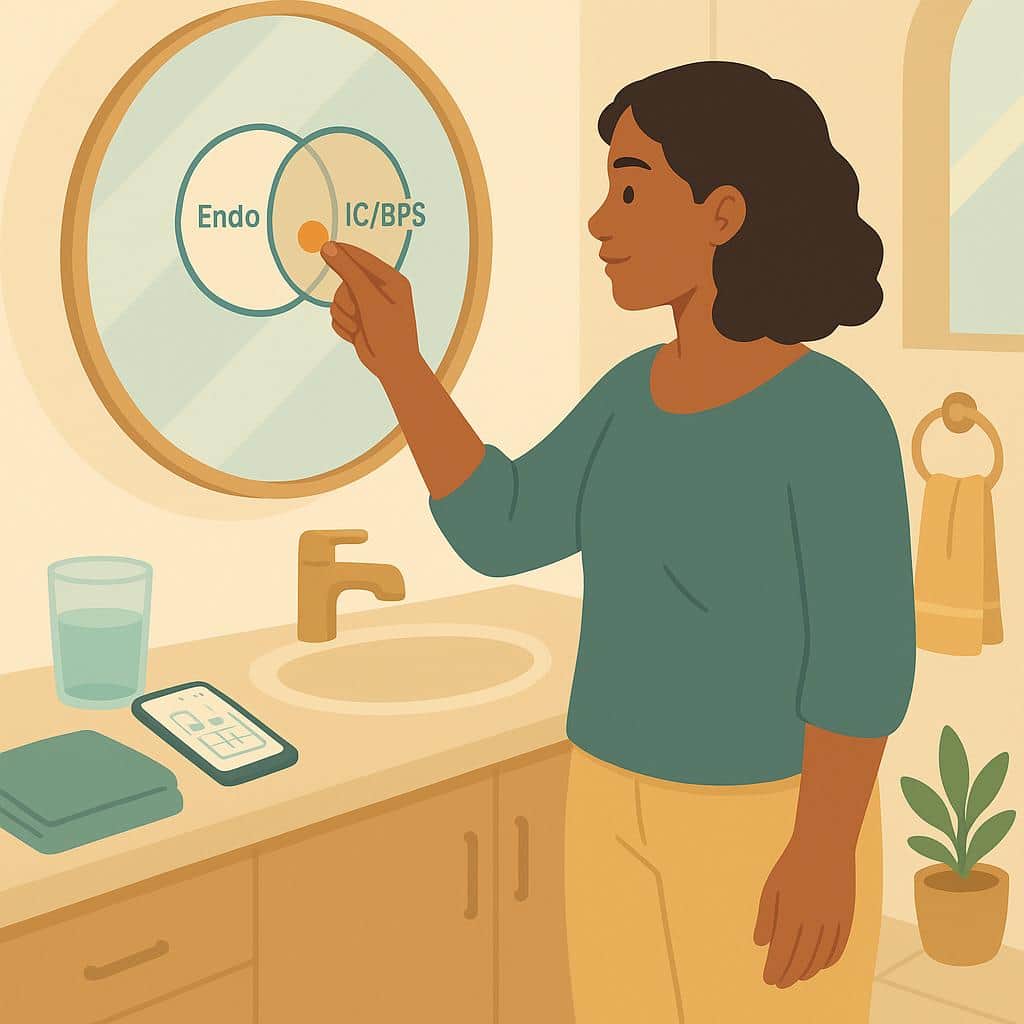
Pelvic pain despite endometriosis treatment? Learn the bladder pain syndrome (IC/BPS) overlap, signs your bladder is involved, and next steps for relief.
Bowel Endometriosis: Causes, Symptoms, and Treatment
Bowel endometriosis explained: locations, symptoms, causes, diagnosis and misdiagnosis, plus treatments from minimally invasive surgery to lifestyle changes.