General
Do adenomyosis symptoms improve after menopause or return after treatment?
The short answer
Adenomyosis symptoms often improve after natural menopause as estrogen declines, and adenomyosis does not come back after hysterectomy because the uterus is removed. Persistent or returning pelvic pain may reflect other conditions or muscular pain patterns.
Adenomyosis symptoms often improve after natural menopause because estrogen levels decline, which can reduce bleeding and uterine cramping. Still, some people continue to have pelvic pain after menopause, especially when other conditions (like endometriosis) or muscular pain patterns also contribute.
After hysterectomy, adenomyosis itself does not come back because the uterus has been removed. However, persistent or returning pain after treatment doesn’t automatically mean adenomyosis has returned: it may reflect another cause of symptoms that needs to be identified. Our team can help sort out what’s most likely in your situation and discuss next steps to support long-term relief.
Where to go from here
Understand it, compare it with what you're feeling, then talk it through with us.
Compare
Symptoms it can relate to
Speak with Us
Still Experiencing Symptoms After Menopause?
Menopause often eases adenomyosis symptoms, but persistent pain may signal other issues. Our specialists can help identify causes and tailor your care accordingly.
Questions people ask next
All general questionsHow often do endometriosis or adenomyosis symptoms recur after treatment?
How often symptoms recur depends on the condition, how completely it was treated, and the biology driving symptoms. Endometriosis symptoms are more likely to return if disease is not fully removed, while adenomyosis symptoms can return after uterus-sparing treatment.
Does endometriosis go away after menopause?
Endometriosis does not always go away after menopause. Many people notice improvement as ovarian estrogen falls, but endometriosis can persist, and in some cases symptoms can begin around menopause or after periods stop. Hormone therapy can sometimes reactivate symptoms.
Could pelvic floor dysfunction cause pelvic pain after treatment?
Yes, pelvic floor dysfunction can keep pelvic pain going after treatment, even when inflammation is better controlled. After months or years of pain, pelvic floor muscles can stay in a protective guarding pattern, becoming overly tight and reactive.
Do I need hormone therapy after ovary removal or periods stop?
In many patients, hormone therapy after both ovaries are removed or periods stop after surgery can support long-term bone, brain, and heart health. With a history of endometriosis, a regimen that includes a progestin is often preferred over estrogen alone.
Further reading
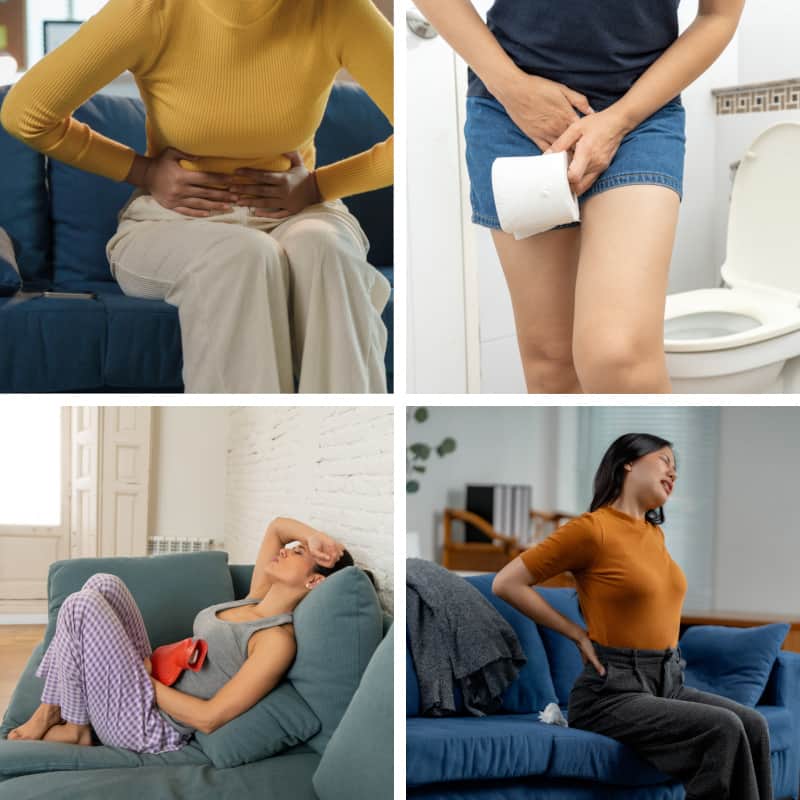
Endometriosis After Menopause: What You Need to Know
Learn how endometriosis can persist after menopause. Discover symptoms, challenges, and essential research insights for better pain management.
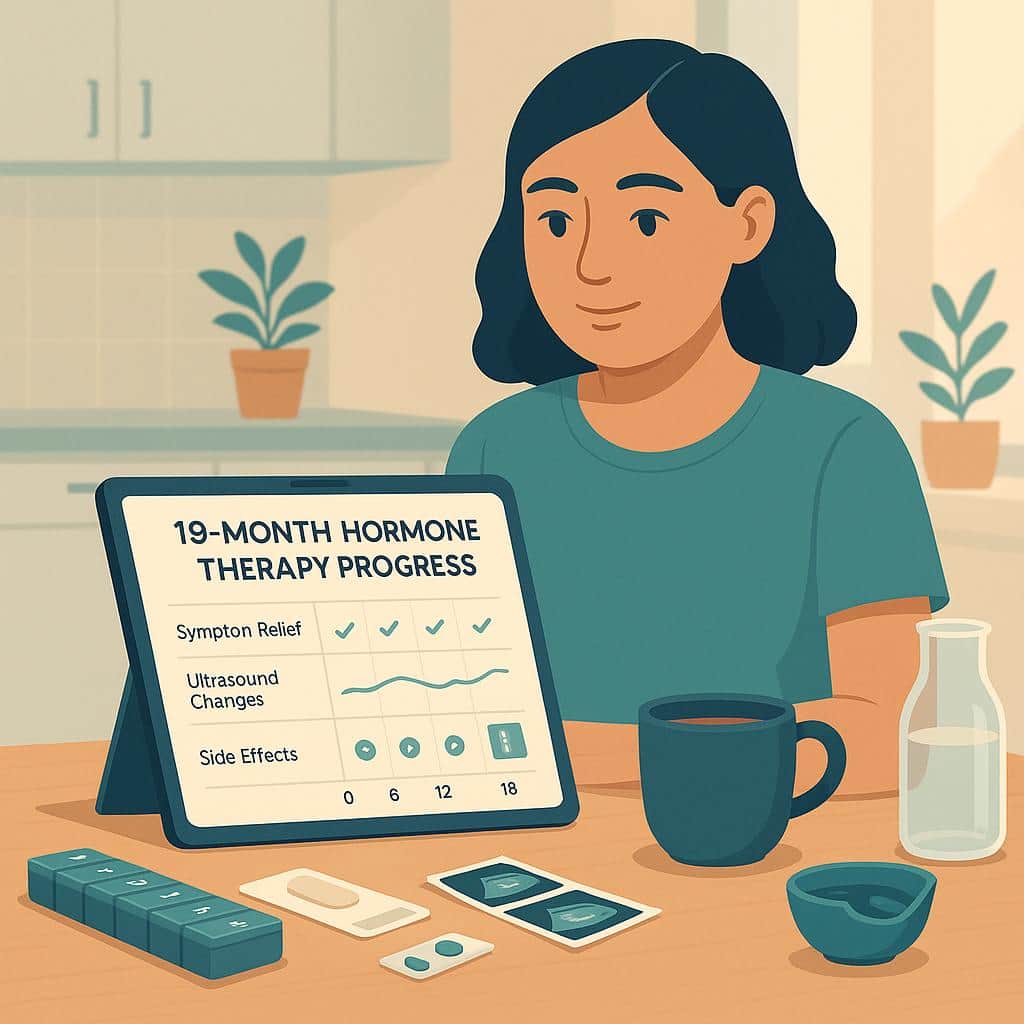
Can Hormone Treatment Calm Adenomyosis Symptoms Over Time? What an 18 Month Follow Up Study Found
We break down an 18‑month follow‑up of hormone therapy for adenomyosis: who was studied, symptom trends, ultrasound changes, side effects, and key limitations.
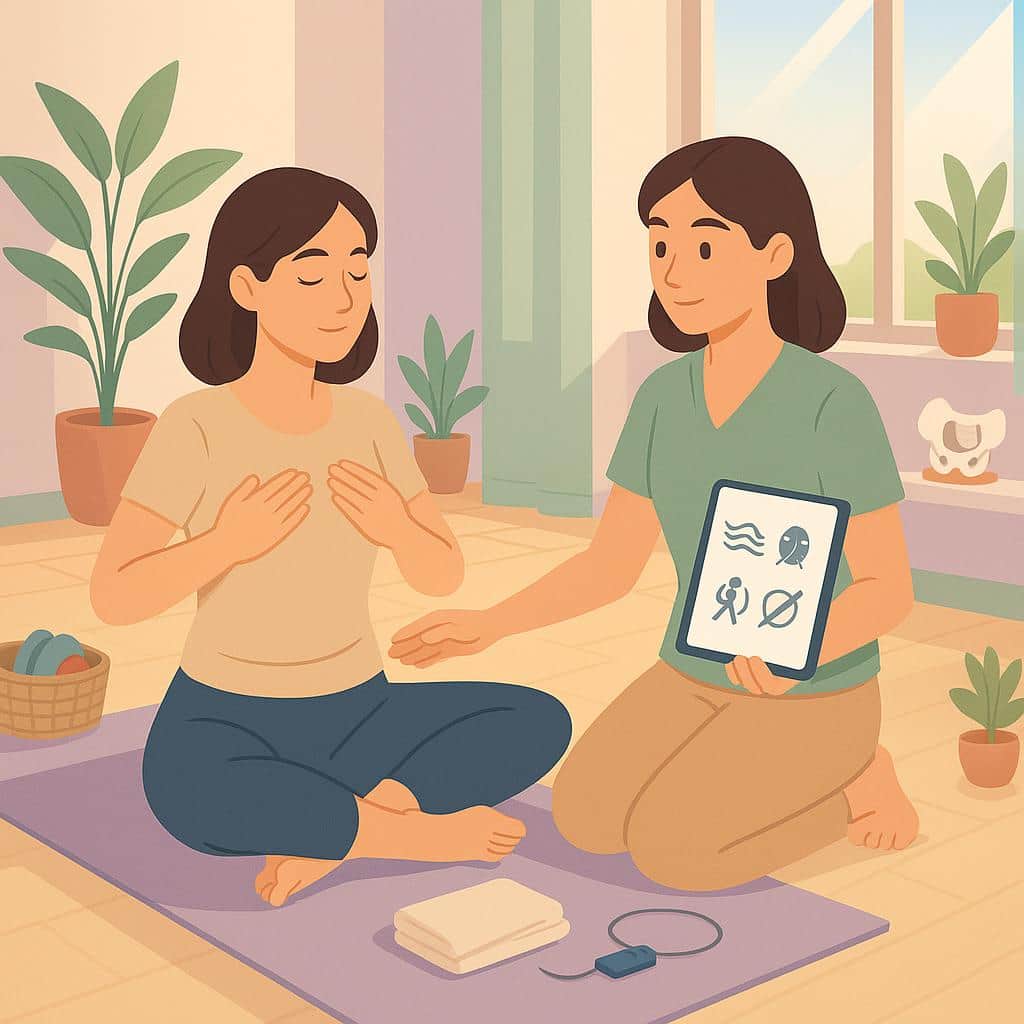
Can Physical Rehab Reduce Endo and Adeno Pain?
How pelvic rehab and pelvic floor PT can help endometriosis and adenomyosis pain. What it treats best, who benefits, timelines, red flags, and questions to ask.