Fertility
Do endometriosis and adenomyosis affect fertility?
The short answer
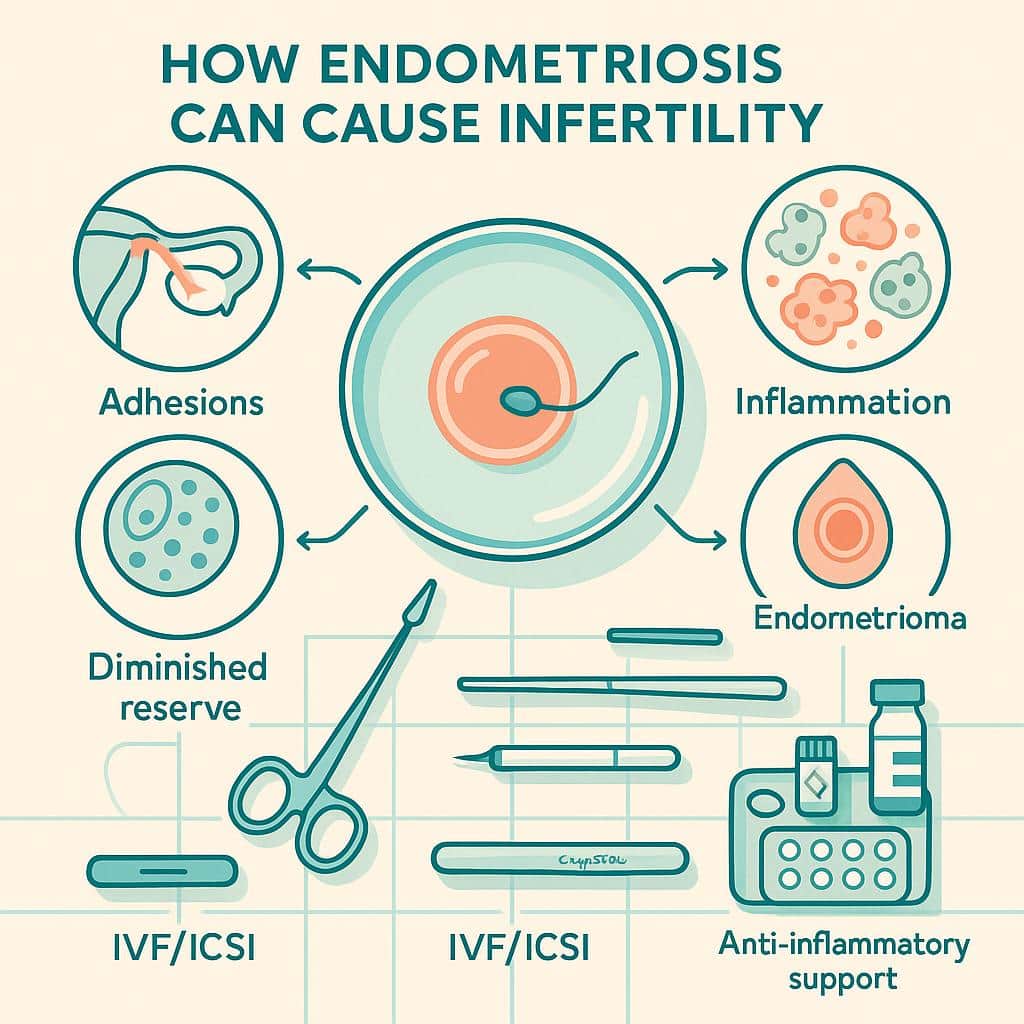
Endometriosis and adenomyosis can both make it harder to conceive, though the reasons can differ from person to person. They may affect fertility through inflammation, scarring, ovarian involvement, or uterine changes that can interfere with implantation and pregnancy.
Endometriosis and adenomyosis can both make it harder to conceive, but the reasons can differ from person to person. These conditions may affect fertility through inflammation, scarring/adhesions, ovarian involvement, or changes to the uterus that can interfere with implantation and pregnancy.
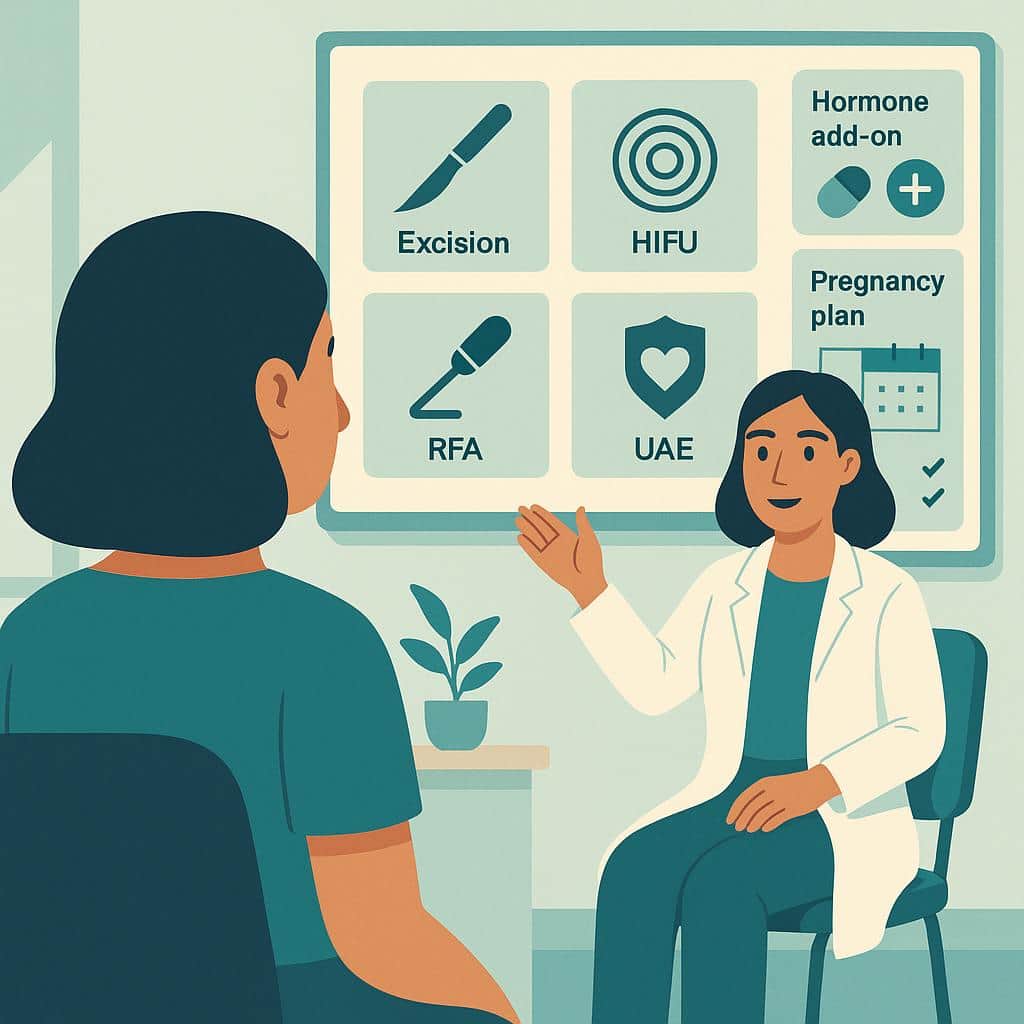
Treatment can also influence fertility planning. When appropriate, fertility-sparing excision surgery may improve the chances of pregnancy for some patients by removing disease and restoring anatomy. Some patients may still benefit from assisted reproductive technologies such as IVF, depending on age, ovarian reserve, and the extent of disease. Our team can help you understand what’s most likely driving fertility challenges in your case and outline a plan that aligns with your goals, whether that’s trying soon, preserving options, or preparing for fertility treatment.
Where to go from here
Understand it, compare it with what you're feeling, then talk it through with us.
Compare
Symptoms it can relate to
Speak with Us
Struggling to Conceive?
Endometriosis and adenomyosis can impact your fertility in different ways. Our specialists offer personalized treatments, including fertility-sparing surgery and support with assisted reproductive options.
Questions people ask next
All fertility questionsHow does endometriosis affect fertility, and when to seek help?
Endometriosis can affect fertility through inflammation and scarring, but many people do conceive. In general, evaluation is recommended after 12 months of trying without success, or 6 months if you’re 35 or older; earlier evaluation is reasonable with severe pain or other risk factors.
Can adenomyosis affect fertility or pregnancy?
Yes, adenomyosis can affect both fertility and pregnancy. It may interfere with implantation and is associated with higher risks of miscarriage and preterm birth, with diffuse adenomyosis often having a greater impact than focal disease.
Can endometriosis surgery improve my chances of conceiving?
Excision surgery can improve the chances of conceiving for some patients with endometriosis, particularly when removing superficial disease helps restore more normal pelvic anatomy. Outcomes vary, and surgery on the ovaries can affect ovarian reserve.
Can adenomyomectomy improve fertility?
In carefully selected patients, especially those with focal adenomyosis, adenomyomectomy may improve fertility. It creates a uterine scar, so we typically recommend healing time before conception, and future pregnancies usually require close monitoring and a planned cesarean delivery.
Further reading
How Endometriosis Contributes to Infertility
How endometriosis leads to infertility: pathogenesis; effects on gametes, tubes, and endometrium; and treatments (expectant care, surgery, and ART).
Adenomyosis and Fertility: What Patients Need to Know
Explore how adenomyosis affects fertility. Learn about symptoms, research, and treatment options for better reproductive health.
Fertility-Sparing Treatment for Adenomyosis: Pregnancy Chances, Symptom Relief, and Pregnancy Risks
Weigh pregnancy chances, symptom relief, and risks after fertility-sparing adenomyosis treatment. Compare adenomyomectomy vs HIFU, RFA, UAE: when to add hormones