Diagnosis
How close is a non-invasive test for endometriosis?
The short answer
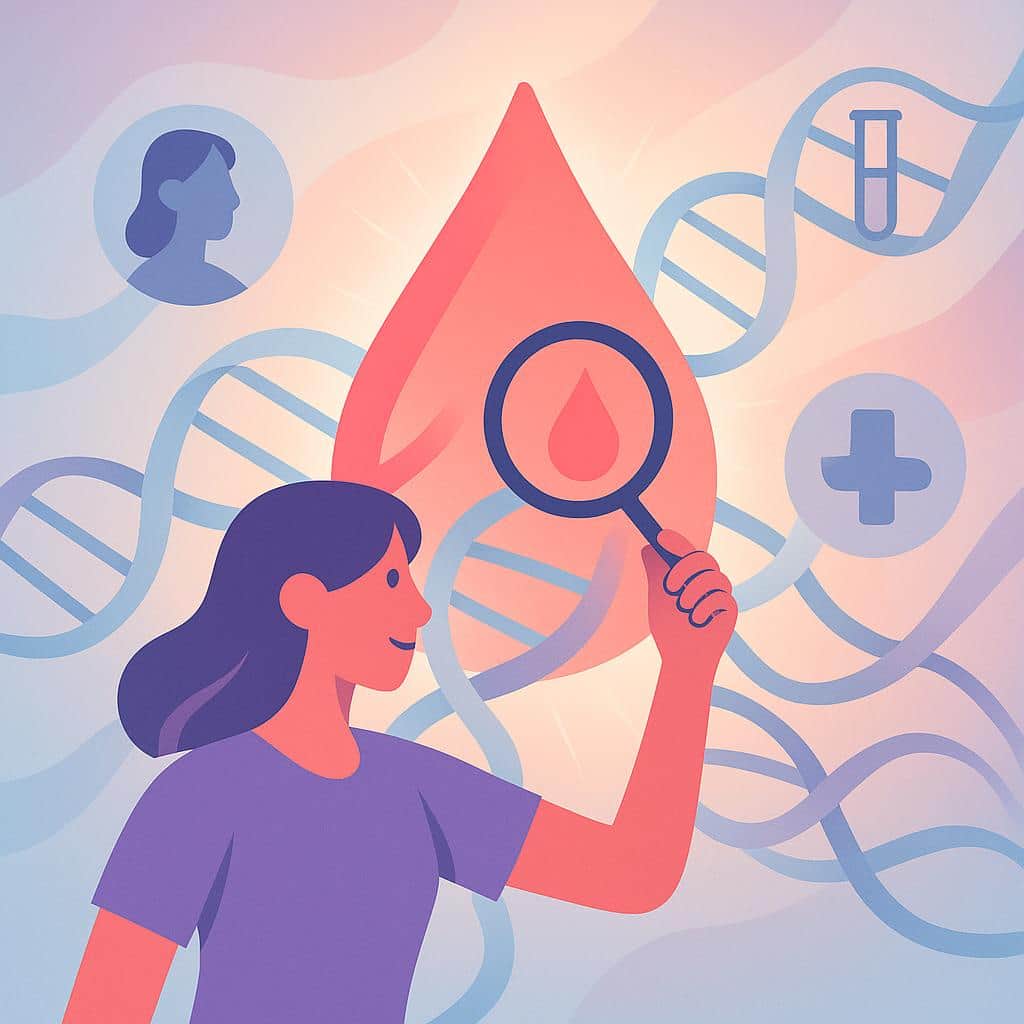
Non-invasive tests for endometriosis are getting closer, but none have consistently met the accuracy needed to diagnose it reliably on their own. In the near term, biomarkers are expected to support decisions rather than replace expert imaging or laparoscopy.
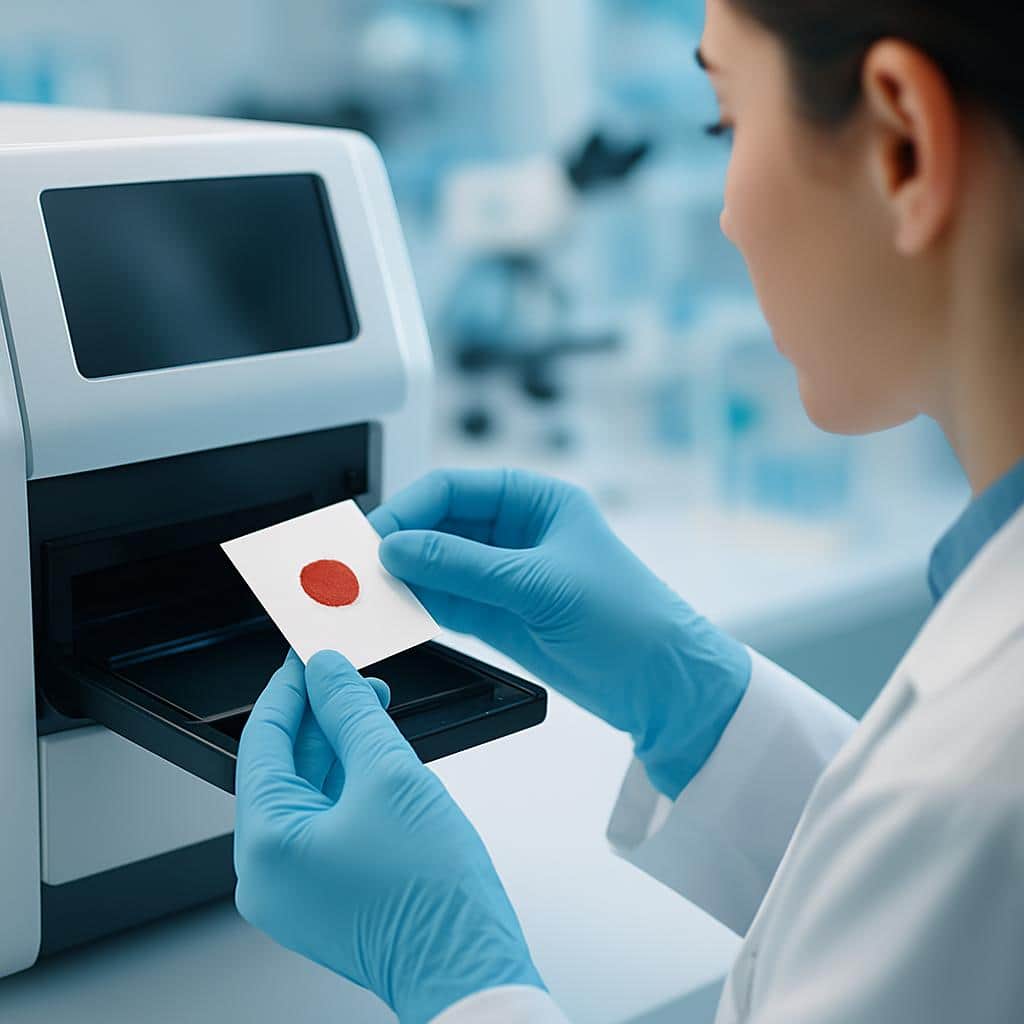
Several non-invasive approaches are getting closer, including biomarker panels from blood, urine, saliva, and menstrual fluid. Many show promise in early studies, but none have consistently met the accuracy needed to diagnose endometriosis reliably on their own.
For now, the most dependable approach is still a careful symptom history paired with targeted imaging (most often expert ultrasound and sometimes MRI), with surgery reserved for situations where diagnosis and treatment are needed. In the near term, we expect biomarkers to be most useful as an add-on tool to support clinical decision-making rather than a full replacement for expert imaging or laparoscopy. If you’re wondering what the latest diagnostic options mean for your specific symptoms, our team can review your history and help you plan a clear next step.
Where to go from here
Understand it, compare it with what you're feeling, then talk it through with us.
Step 2 · Compare
Symptoms it can relate to
Step 3 · Speak with Us
Looking for Accurate Endometriosis Diagnosis?
Our specialists use the latest non-invasive imaging and symptom analysis to provide the most reliable diagnoses. We’re here to guide you through every step of finding answers and treatment options.
Questions people ask next
All diagnosis questionsIs there a reliable blood test for endometriosis?
No, there is currently no FDA-cleared blood test that can reliably diagnose or rule out endometriosis. Tests such as CA-125 and newer panels can be affected by the menstrual cycle and other conditions, so they are not specific enough to confirm it on their own.
Can menstrual blood tests diagnose endometriosis?
Right now, menstrual blood tests are not validated or widely available for routine endometriosis diagnosis and should not be used on their own. Diagnosis still relies on symptoms, a detailed history and exam, and targeted imaging when appropriate.
Is laparoscopy the only way to confirm endometriosis?
Yes. At this time, the only definitive way to confirm endometriosis is laparoscopy, with direct visualization and biopsy of suspected lesions. Imaging and exams can strongly suggest it, but can’t reliably rule it in or out in every case.
Can biomarkers guide treatment or track response in endometriosis?
Biomarkers are promising, but they’re not yet reliable for choosing an endometriosis treatment or tracking how well it works in real time. Monitoring still relies on how you feel and function over time, with clinical evaluation and imaging when appropriate.
Further reading
When Will There Be a Blood Test for Endometriosis?
Discover the latest research on blood tests for endometriosis. Learn how microRNAs could lead to earlier diagnosis and better management.
Could a Menstrual Blood Test Diagnose Endometriosis Earlier?
Discover how a menstrual blood test may revolutionize endometriosis diagnosis. Learn about new research and its potential impact on early detection.
Will Genetic Testing Help Diagnose Your Endometriosis Soon?
Discover if genetic testing could soon help diagnose endometriosis. Learn about new research and what it means for patients seeking answers.