


You suspect you may have endometriosis or adenomyosis
How do I know if an ovarian cyst has burst?
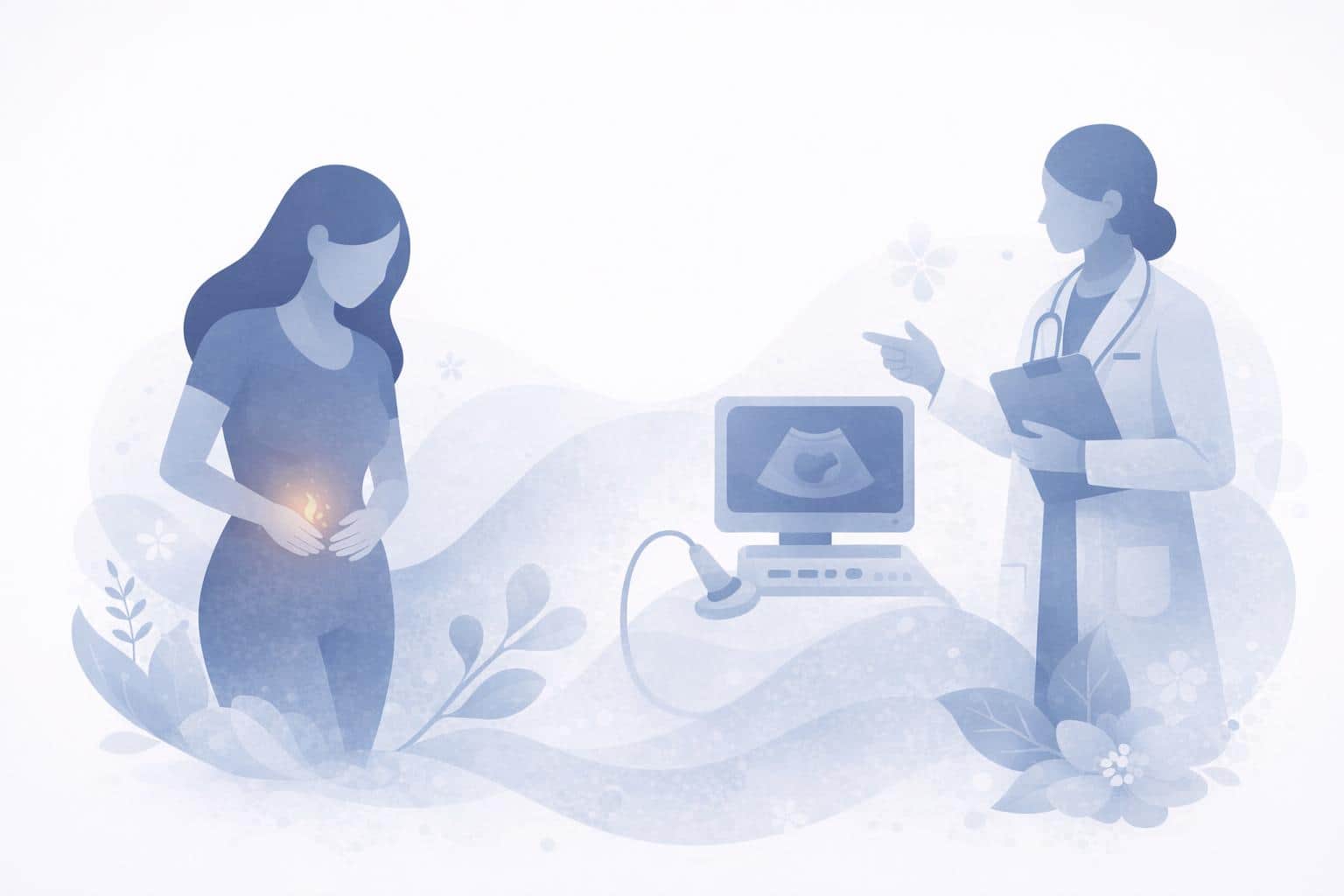
A ruptured ovarian cyst often causes a sudden, sharp pain on one side of the lower abdomen or pelvis, sometimes after exercise, sex, or around ovulation. The pain may then shift into a deeper, persistent ache over the next hours, and you can also notice bloating, nausea, or pain that worsens with movement. Some people have light vaginal spotting, but others have no bleeding at all—so the pattern and intensity of the pain matter more than spotting.
Because pelvic pain can have more than one driver (including endometriosis, an endometrioma, torsion, fibroids, or even bladder or bowel conditions), the only way to know for sure is an evaluation that matches your symptoms with imaging and a focused exam. If you’re having severe or escalating pain, dizziness/fainting, shoulder-tip pain, fever, or heavy bleeding, that can signal significant internal bleeding or another urgent problem—and we want you assessed right away. If you’re dealing with recurrent “cyst rupture” episodes or ongoing one-sided pelvic pain, reach out to schedule a consultation with our team so we can look at the whole picture and build a plan that fits your goals.
Don’t guess pelvic pain
Sudden one-sided pelvic pain can be a ruptured cyst—or endometriosis, endometrioma, or torsion. Our specialists can evaluate your symptoms, order the right imaging, and guide next steps for relief and safety.
Schedule an EvaluationRelated Symptoms
Related Procedures
Learn More

What Else Could It Be? Ruling Out Other Causes
Explore essential insights on endometriosis and other causes of pelvic pain. Learn about differential diagnoses and effective treatment options.

Can Scans and Tests Find Endometriosis? Know the Limits
Discover why ultrasounds may miss endometriosis. Learn about imaging limits and recent research in our latest blog. Find clarity in your diagnosis.
When “Appendicitis” Is Endometriosis in Disguise
Right-sided pain that mimics appendicitis may be appendix endometriosis. Symptoms, why scans miss it, how it’s diagnosed, treatment options, and red flags.
Are These Symptoms Endometriosis? Recognizing the Early Warnings
Learn how to identify early signs of endometriosis—crucial for timely diagnosis and treatment. Don't dismiss your symptoms!

Ovarian Remnant Syndrome: Symptoms, Diagnosis, and Treatment
Discover ovarian remnant syndrome: its symptoms, risk factors, and treatment options after oophorectomy. Learn how to manage pelvic pain effectively.
Related Pages
Evaluation & Diagnosis
At the Lotus Endometriosis Institute, evaluation begins with listening. Our diagnostic process uncovers the true source of pain and related conditions often missed elsewhere.
Endometriosis & Adenomyosis Services
Explore comprehensive endometriosis and adenomyosis services, including advanced diagnosis, robotic excision surgery, and integrative care at Lotus Endometriosis Institute.