
Surgery
How is multi-organ endometriosis treated without organ removal?
The short answer
In many multi-organ cases, conservative surgery removes endometriosis and frees organs from scar tissue while preserving the organs themselves. Robotic excision can improve precision, and treatment planning may include other surgical specialists.
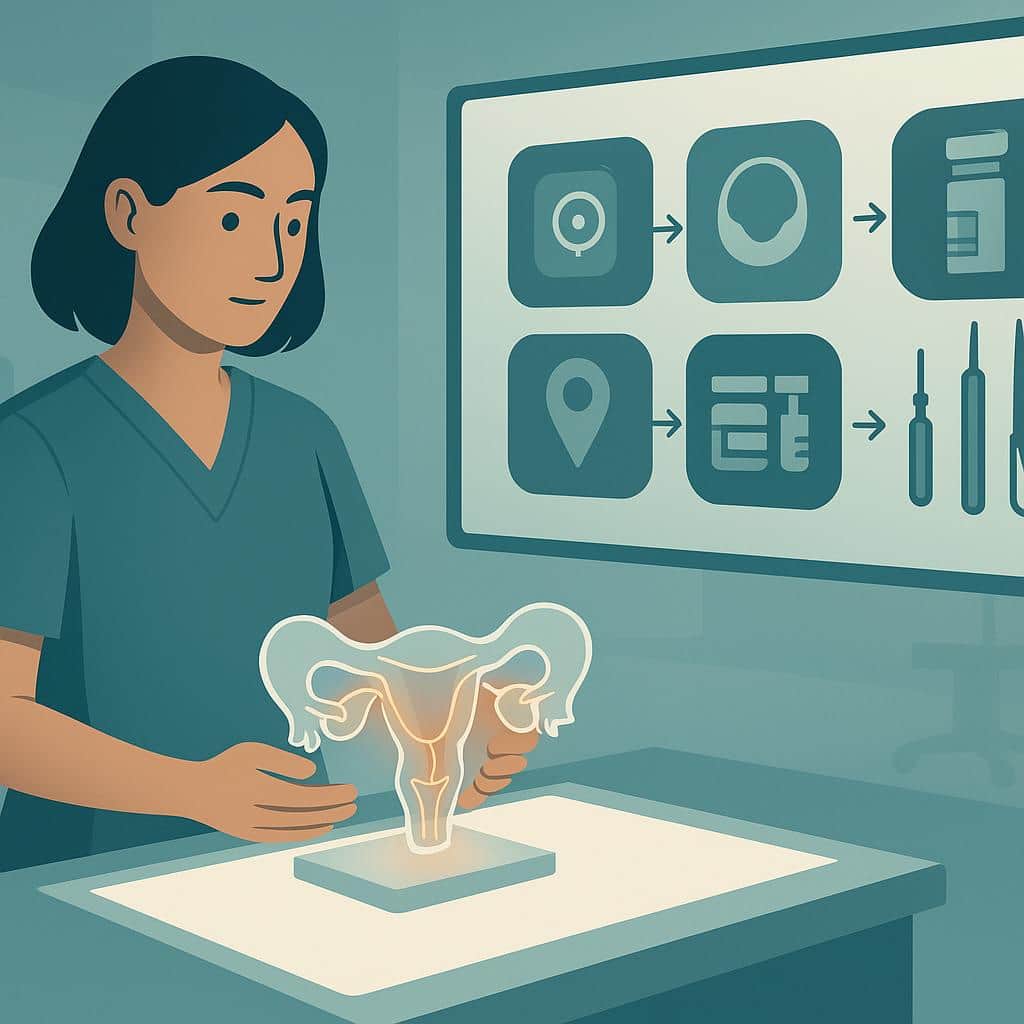
In many multi-organ cases, the goal is conservative surgery: removing endometriosis while preserving the organs themselves. That typically means meticulous excision of disease from surfaces and deeper planes around the bowel, bladder, ureters, ovaries, and pelvic sidewalls, freeing organs from scar tissue and restoring normal anatomy without removing the organ. Because endometriosis can hide in distorted or frozen anatomy, the safest way to preserve organs is often a highly precise approach that allows dissection around vital structures.
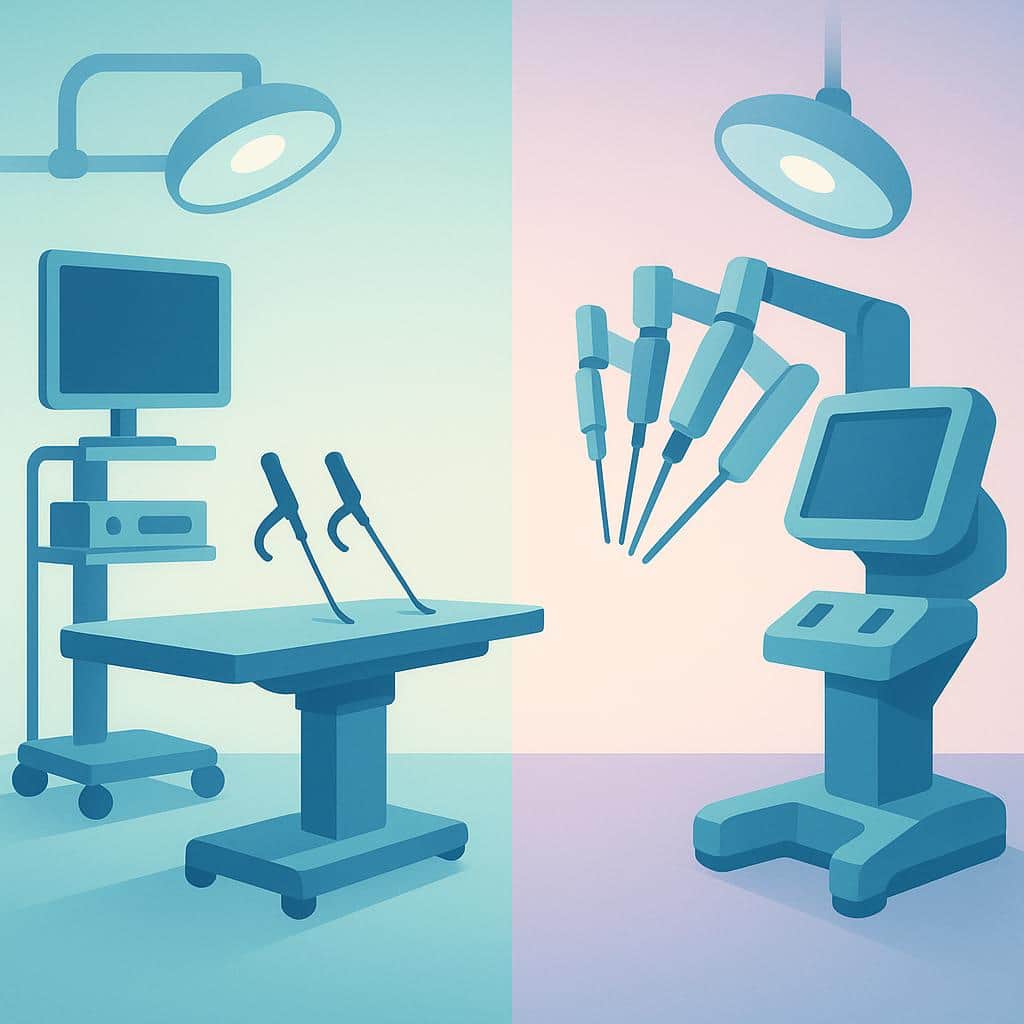
In our practice, we use robotic excision to improve visualization and fine control during dissection, which is especially helpful when disease involves multiple compartments or has been operated on before. When endometriosis is close to structures like the ureters, bowel, diaphragm, or certain nerves, treatment planning may include coordinated work with other surgical specialists so the disease can be fully addressed in one operation while still prioritizing organ-sparing techniques.
Organ removal is usually considered only when an organ is severely damaged, there are multiple large endometriomas that can’t be safely managed with tissue-sparing techniques, fertility-safety concerns arise (like a badly damaged tube), or there’s concern for tumor or malignant change. If you’re trying to avoid organ removal, we can help map likely disease sites, clarify your priorities for pain relief, function, and fertility, and outline what organ-preserving excision could realistically look like in your specific case. We can then build a surgical plan around that.
Where to go from here
Understand it, compare it with what you're feeling, then talk it through with us.
Step 1 · Understand
Understand the condition
Step 2 · Compare
Symptoms it can relate to
Step 3 · Speak with Us
Save Organs, Fight Endometriosis
Our specialists use precise robotic excision to remove endometriosis while preserving your organs. We focus on restoring your anatomy and reducing symptoms without organ removal.
Questions people ask next
All surgery questionsWhat surgery treats deep infiltrating endometriosis (DIE)?
The primary surgery for deep infiltrating endometriosis (DIE) is laparoscopic excision, sometimes with robotic assistance, to remove deep nodules. The goal is thorough removal while protecting nearby organs and pelvic nerves whenever possible.
How is bowel endometriosis treated without a colostomy?
In many cases, bowel endometriosis can be treated surgically without a colostomy by removing disease from the bowel surface or removing deeper disease and repairing or reconnecting the bowel. A temporary stoma may be recommended in select higher-risk situations.
Why use robotic-assisted (da Vinci) surgery for endometriosis?
Robotic-assisted (da Vinci) surgery may be used for endometriosis when precision matters most, such as with deep disease or disease near sensitive organs. It provides a magnified 3D view and finer control to help remove disease while protecting healthy tissue.
Why would a cancer surgeon perform endometriosis excision?
A gynecologic cancer surgeon has skills that often translate directly to challenging endometriosis excision, including operating safely around critical organs. Their experience recognizing atypical tissue can add an extra layer of safety during surgery.
Further reading
Why Multidisciplinary Care is Essential for Complex Endometriosis
Discover why multidisciplinary care is vital for managing complex endometriosis and enhancing quality of life. Learn more in our latest research overview.
Deep Infiltrating Endometriosis: Current and Future Treatments
Deep infiltrating endometriosis: symptoms, causes, diagnosis and treatment. Medical therapy, ICG-guided surgery, stenting, pathology, and future outlook.
Conventional Laparoscopy vs Robotic Surgery for Endometriosis and Adenomyosis: What Patients Need to Know
Comparing safety, effectiveness, and recovery: a patient-friendly overview of different surgery approaches and what they can mean for your treatment.