General
Is HRT safe after endometriosis or hysterectomy?
The short answer
HRT can be an option after endometriosis or hysterectomy, but the plan should minimize the chance of stimulating remaining endometriosis. Because residual endometriosis can be stimulated by estrogen alone, guidelines recommend adding a progestogen even after the uterus is removed, using the lowest effective dose.
Medically reviewed by Dr. Steven Vasilev, MD
Quadruple board-certified in surgical and integrative therapies, Minimally-Invasive Robotic Endometriosis-Excision Surgeon, Director of Lotus Endometriosis Institute · Updated Oct 2026
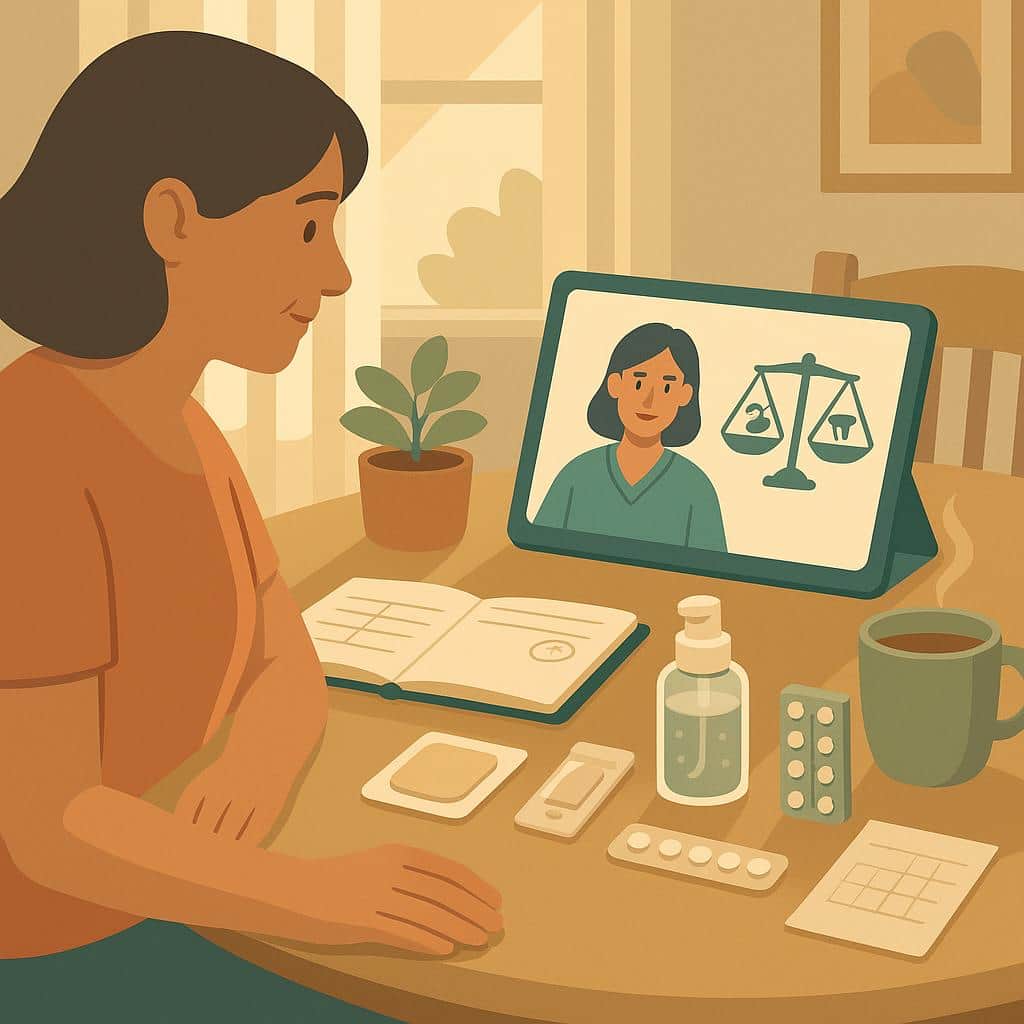
Yes, HRT can be an option after endometriosis and even after hysterectomy, but it should be planned in a way that minimizes the chance of stimulating any residual endometriosis. Because endometriosis lesions can persist outside the uterus, estrogen-alone therapy is generally best avoided in this group, even when the uterus has been removed; current guidelines from several menopause and reproductive-medicine societies recommend a combined approach (estrogen plus a progestogen) instead, to reduce the small risk of reactivating residual disease.
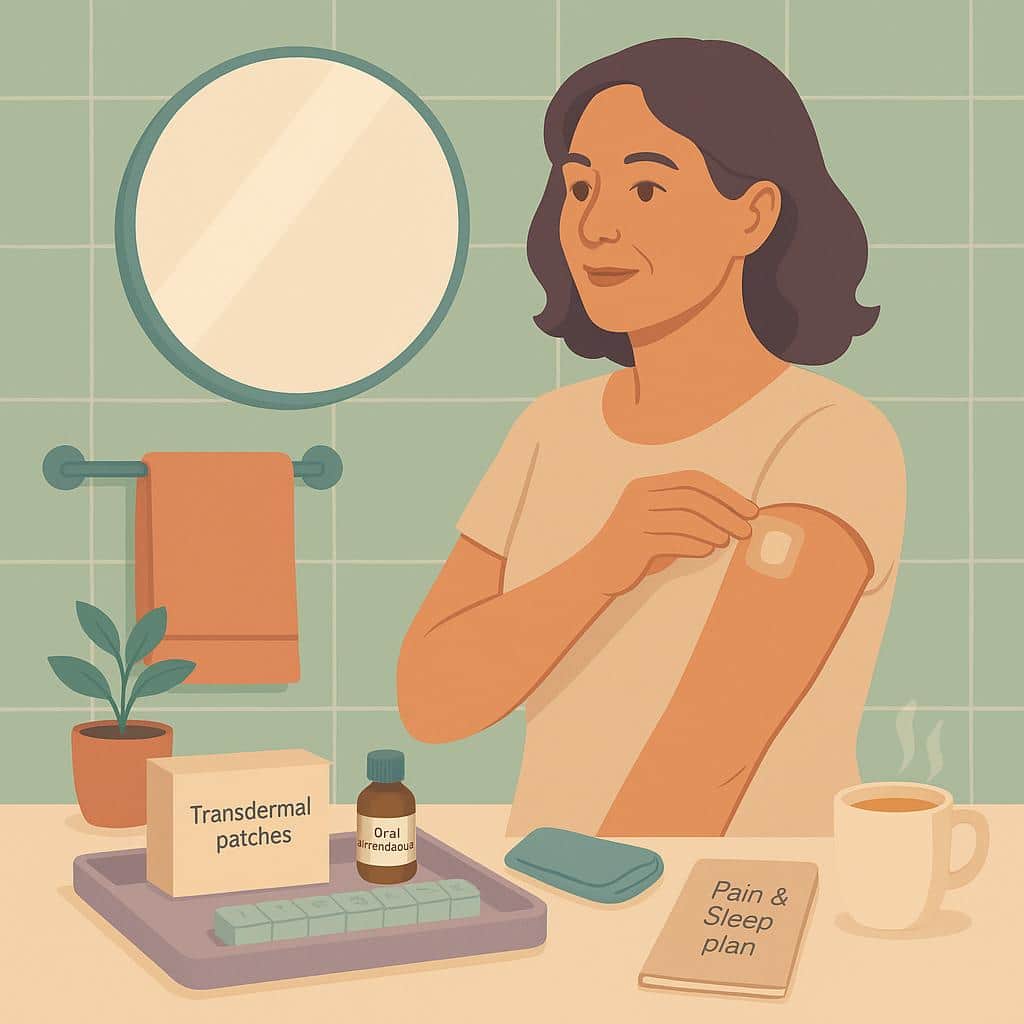
In practice, this often means using transdermal estrogen and adding a progestogen, then using the lowest dose that relieves symptoms and reassessing over time. If pelvic pain, bleeding, or other endometriosis-type symptoms return after starting HRT, that’s an important signal to reevaluate the regimen and consider whether untreated disease is still present. This advice rests on expert consensus rather than large randomized trials, and the absolute risks are low, so the goal is sensible precaution rather than avoiding HRT altogether. Our team can review your surgical history, symptoms, and goals to help you weigh benefits and risks and design an HRT plan that fits your situation.
Where to go from here
Understand it, compare it with what you're feeling, then talk it through with us.
Compare
Symptoms it can relate to
Speak with Us
Safe HRT After Endometriosis?
Our specialists tailor HRT plans to minimize risks and manage symptoms after endometriosis or hysterectomy. Let us help you find the safest, most effective hormone therapy approach for you.
Questions people ask next
All general questionsWhen can I start HRT after surgical menopause?
If endometriosis was thoroughly treated during surgery, we often consider starting HRT right away or within the first few weeks after surgical menopause. Timing depends on your surgical findings, any endometriosis left behind, and your individual risk factors and goals.
Do I need hormone therapy after ovary removal or periods stop?
In many patients, hormone therapy after both ovaries are removed or periods stop after surgery can support long-term bone, brain, and heart health. With a history of endometriosis, a regimen that includes a progestin is often preferred over estrogen alone.
Does endometriosis go away after menopause?
Endometriosis does not always go away after menopause. Many people notice improvement as ovarian estrogen falls, but endometriosis can persist, and in some cases symptoms can begin around menopause or after periods stop. Hormone therapy can sometimes reactivate symptoms.
Will a hysterectomy cure endometriosis?
A hysterectomy does not necessarily cure endometriosis, because the tissue grows outside the uterus. Removing the uterus alone doesn’t automatically remove endometriosis implants or the inflammation they can drive.
Further reading
Managing Menopause With Endometriosis and HRT
How to use HRT safely with endometriosis: recurrence and malignancy risks, when to start after surgical menopause, and hormone vs non-hormone treatment options.
Managing Endometriosis Symptoms After Menopause
Understand postmenopausal endometriosis: why it can persist, symptom management, HRT and phytoestrogen safety, and when surgery is appropriate.
Endometriosis in Menopause: Expert Guidance & Insights
Expert guidance for endometriosis in menopause: HRT options, safe pain relievers, stress reduction, exercise, pelvic floor therapy, and when to seek care.