

You suspect you may have endometriosis or adenomyosis
What causes estrogen dominance with endometriosis?
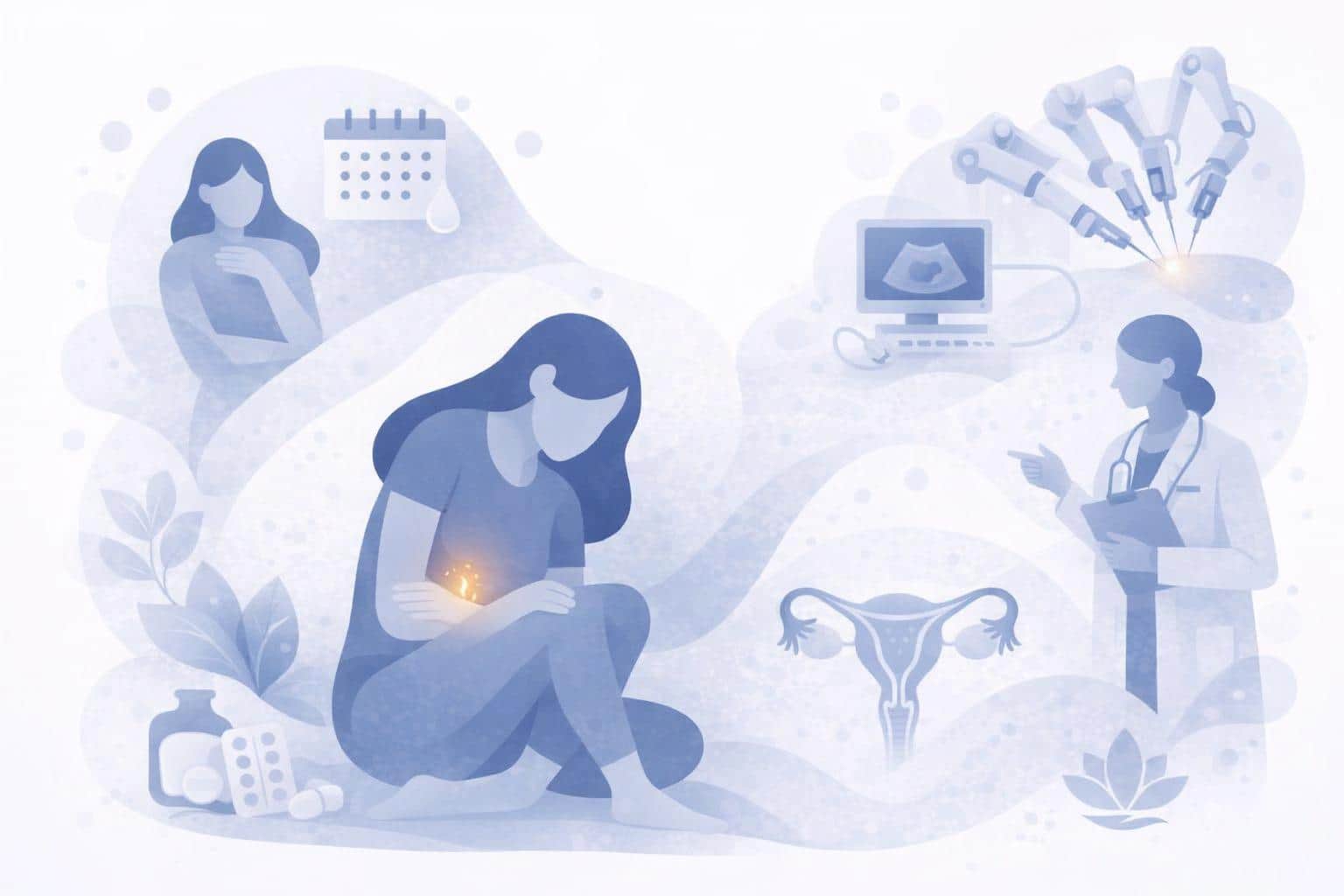
“Estrogen dominance” in endometriosis usually isn’t just about making too much estrogen overall—it’s more often about an estrogen-favoring environment in the pelvis and within the lesions themselves. Many endometriosis lesions can produce estrogen locally (for example, through higher aromatase activity), and that local estrogen can help lesions survive, inflame surrounding tissue, and stimulate nerve growth that drives pain. At the same time, endometriosis commonly behaves as a chronic inflammatory condition, and inflammation can reinforce estrogen signaling and keep the cycle going.
Another key piece is that endometriosis often shows a weaker response to progesterone (“progesterone resistance”), so the normal hormonal braking system that should counterbalance estrogen doesn’t work as well. This can make symptoms feel very hormone-driven even when blood hormone labs look “normal.” Because endometriosis is multifactorial and likely includes different subtypes, the specific drivers of estrogen dominance can vary from person to person—genetics/epigenetics, immune dysfunction, and tissue-level changes can all play a role. If you’re trying to make sense of your symptoms or why hormonal suppression hasn’t brought lasting relief, our team can help you sort out what may be driving your disease and discuss options that focus on treating the endometriosis itself, not just temporarily quieting it.
Get clarity on estrogen-driven pain
If you suspect endometriosis, “estrogen dominance” may be about local estrogen production and inflammation—not just hormone levels on labs. Our specialists can evaluate your symptoms, explain what might be driving them, and build a plan to reduce estrogen signaling and pelvic inflammation.
Schedule a ConsultRelated Symptoms
Related Procedures
Learn More
What Causes Endometriosis? Current Theories & Evidence
Learn what causes endometriosis, how it grows, diagnosis options, current treatments, and holistic strategies to reduce symptoms and recurrence.
Mast Cells May Be Fueling Your Endometriosis Inflammation
Discover how mast cells might be contributing to your endometriosis inflammation. Learn about potential future treatments and symptom management.
Hormonal Therapy Risks Without Surgical Diagnosis: What Patients Should Know
Explore the risks of hormonal therapy without surgical diagnosis for endometriosis. Learn what patients need to know about treatment options and potential side
Deep Infiltrating Endometriosis: Current and Future Treatments
Deep infiltrating endometriosis: symptoms, causes, diagnosis and treatment. Medical therapy, ICG-guided surgery, stenting, pathology, and future outlook.
Related Pages
Endometriosis
Endometriosis isn't just one disease — it's many. Our team tailors our approach to your unique condition, using evidence-based integrative support and world-class excision for lasting results.

Hormonal Therapy
Learn how hormonal treatments help manage endometriosis symptoms, and why surgery remains key for true relief.
Evaluation & Diagnosis
At the Lotus Endometriosis Institute, evaluation begins with listening. Our diagnostic process uncovers the true source of pain and related conditions often missed elsewhere.