


You suspect you may have endometriosis or adenomyosis
Why do I downplay my endometriosis pain?
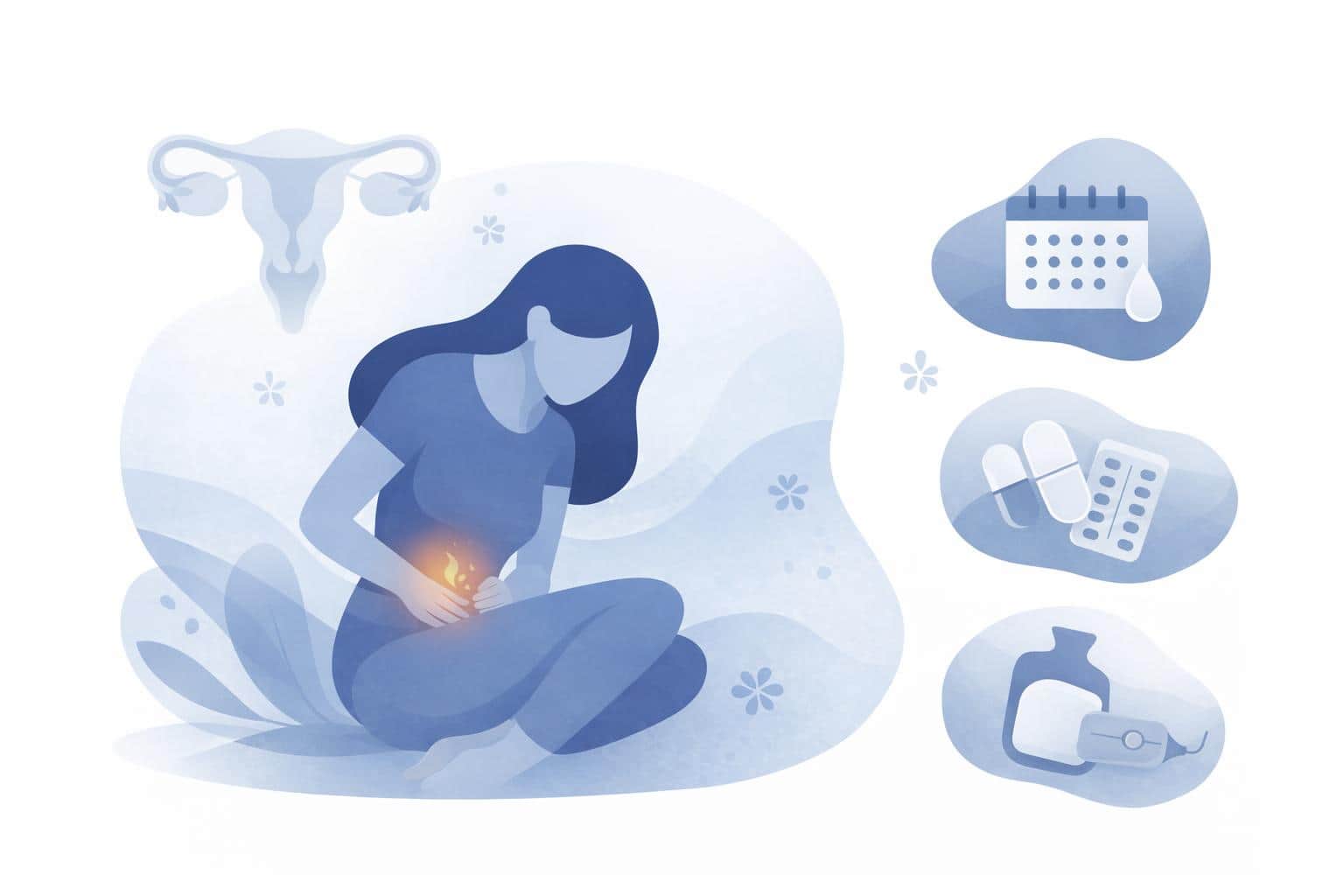
It’s extremely common to underrate endometriosis pain because you’ve been forced to adapt to it. When pain is frequent or long-lasting, your “normal” shifts—you keep working, parenting, or pushing through flares, and your brain starts treating high levels of discomfort as baseline. Many patients have also had their symptoms minimized by others or told that severe period pain is normal, which can train you to doubt your own experience and describe it more mildly than it truly is.
Endometriosis pain is also complex: it can be driven by inflammation and lesions in the pelvis, but over time the nervous system can become more sensitive, so even ordinary sensations (full bladder, bowel movement, certain movements) register as pain. This doesn’t mean the pain is imagined—it means both the disease and the pain-processing system can be involved, and pain can spread or persist even after a period ends.
If you’ve been downplaying symptoms, one of the most helpful next steps is to make your pain “clinically clear”: track when it happens, what it stops you from doing, and what else comes with it (bowel, bladder, sex pain, fatigue). Our team can help you sort out whether you’re mostly dealing with active disease, a sensitized pain system, or both—and build a plan that addresses symptom relief while still keeping the focus on treating the underlying endometriosis.
Stop doubting your pain.
If you’ve adapted to symptoms for years, it’s easy to underestimate how severe they are. Our endometriosis and adenomyosis specialists can help identify what’s driving your pain and build a plan to treat it.
Book a ConsultRelated Symptoms
Related Procedures
Learn More

Why Your Endometriosis Pain Can Feel So Unrelenting
Discover why endometriosis causes pain and scarring. Learn about TGF-β signaling and its role in symptoms and treatment. Empower your health journey.
Are These Symptoms Endometriosis? Recognizing the Early Warnings
Learn how to identify early signs of endometriosis—crucial for timely diagnosis and treatment. Don't dismiss your symptoms!
Different Types of Endometriosis Pain Explained
Explore types of endometriosis pain, evaluation, and evidence-based treatments, including triggers, pelvic floor therapy, CNS sensitization, and adenomyosis.

Pelvic Floor & Myofascial Pain After Endometriosis Surgery
Why Do I Still Hurt series article three about pain post-endometriosis surgery. Learn the basics about myofascial pain and treatment options.
Related Pages
Endometriosis
Endometriosis isn't just one disease — it's many. Our team tailors our approach to your unique condition, using evidence-based integrative support and world-class excision for lasting results.
Pain Management
Learn how evidence-based pain management for endometriosis can provide real relief while addressing root causes through integrative care.
Evaluation & Diagnosis
At the Lotus Endometriosis Institute, evaluation begins with listening. Our diagnostic process uncovers the true source of pain and related conditions often missed elsewhere.