


You are seeking a diagnosis
What does advanced adenomyosis mean?

“Advanced adenomyosis” usually means the adenomyosis is more extensive within the uterine muscle—often involving a larger area (diffuse disease), deeper penetration into the myometrium, and/or more pronounced changes like uterine enlargement and tenderness. It’s not the same as “advanced endometriosis,” because adenomyosis doesn’t spread outside the uterus; “advanced” is more about how much of the uterine wall appears affected and how significantly it’s impacting symptoms.
Because adenomyosis doesn’t have a single universally accepted staging system, different clinicians and radiology reports may use “advanced” to summarize imaging features (ultrasound or MRI) and the overall clinical picture—such as heavy bleeding, severe period pain, pelvic pressure, or fertility challenges. In our practice, we focus less on the label and more on what your imaging suggests (diffuse vs focal/adenomyoma, junctional zone changes, uterine size) and what your goals are (pain control, bleeding control, fertility preservation, or definitive treatment). If you’ve been told you have “advanced adenomyosis,” our team can help you interpret what that means in your specific case and map out next steps.
Get clarity on “advanced” adenomyosis
If your report mentions deep or diffuse adenomyosis, we can explain what it means for your symptoms and fertility goals. Our specialists review imaging, confirm the extent of disease, and tailor treatment options to help you feel better.
Schedule a ConsultRelated Symptoms
Related Procedures
Learn More

Adenomyosis Basics: What Is It and Why Is It Overlooked?
Discover what adenomyosis is, why it's often overlooked, and treatment options. Understand its symptoms and relation to endometriosis.
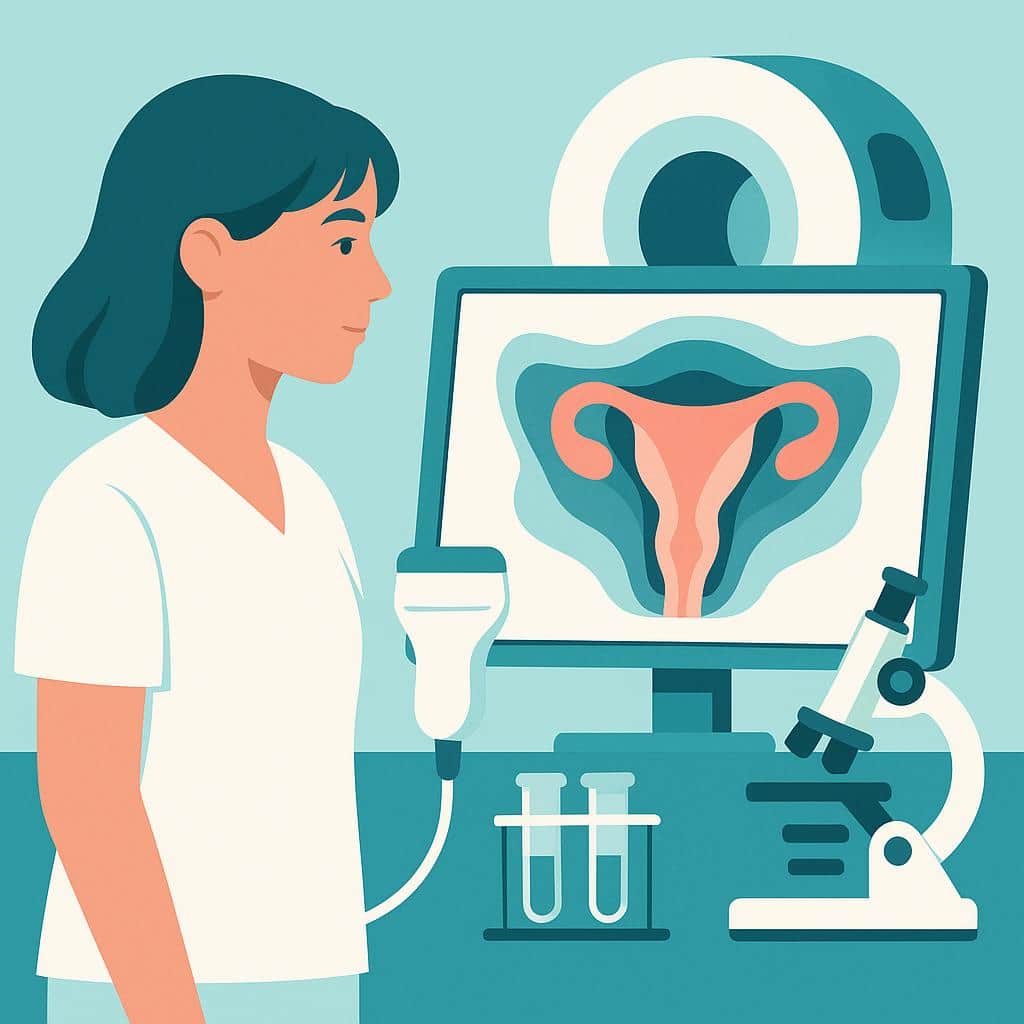
Diagnosing Adenomyosis: What to Expect from Tests and Imaging
Discover how adenomyosis might be diagnosed through imaging tests. Learn what to expect and understand your symptoms better.

Treating Adenomyosis: From IUDs to Surgery Explained
Explore adenomyosis treatment methods including IUDs and surgeries. Learn which approach is best for pain, bleeding, and fertility.

Adenomyosis vs. Endometriosis: Are They Different or Related?
Explore the key differences between adenomyosis and endometriosis, their symptoms, overlap, and treatment options for better fertility outcomes.
Related Pages
Adenomyosis
Often missed or not considered, adenomyosis causes heavy bleeding, pain, and fertility challenges. Here’s how we diagnose and treat it.
Evaluation & Diagnosis
At the Lotus Endometriosis Institute, evaluation begins with listening. Our diagnostic process uncovers the true source of pain and related conditions often missed elsewhere.