


You suspect you may have endometriosis or adenomyosis
When is menstrual bleeding considered too heavy?
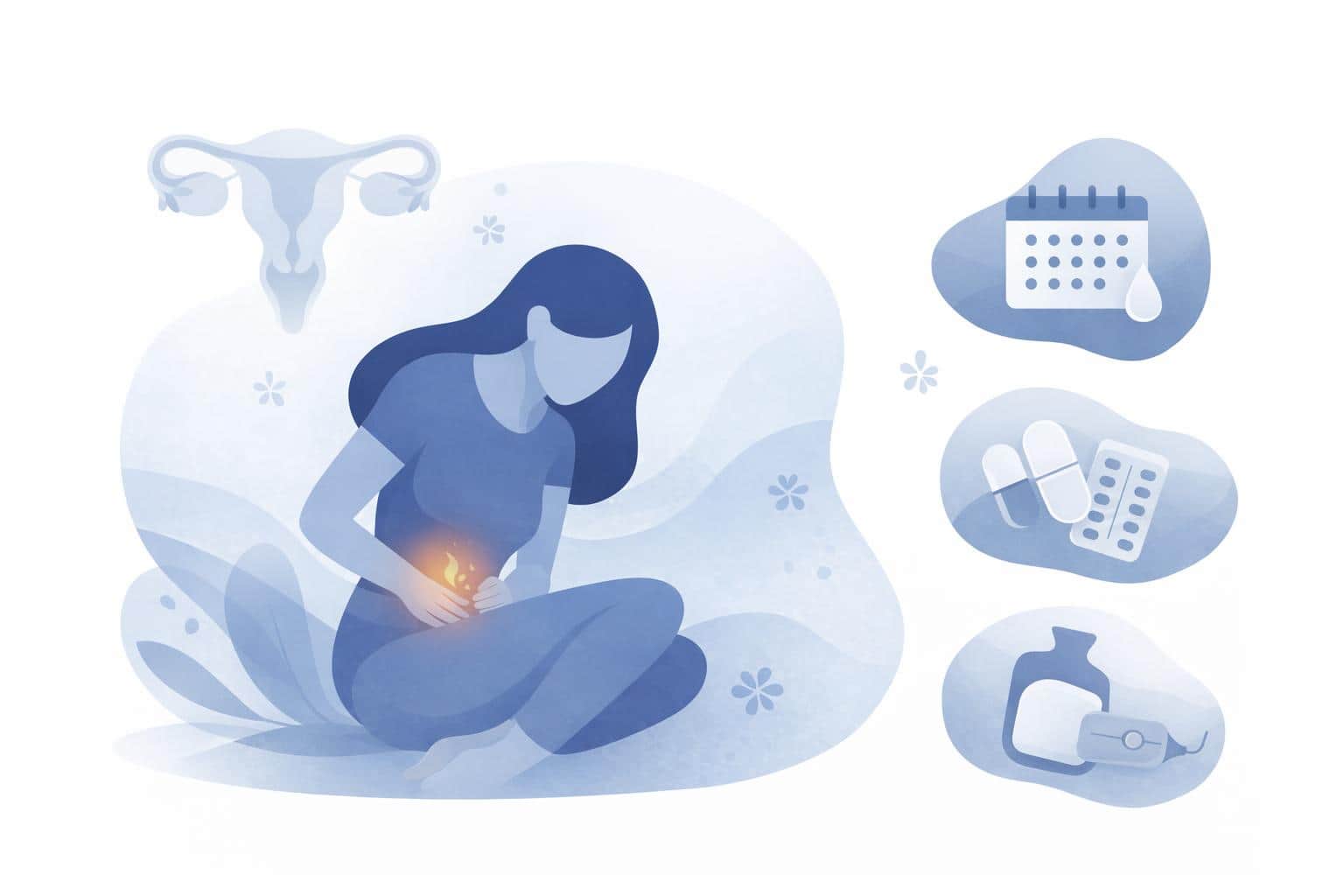
Menstrual flow is generally “too heavy” when it consistently disrupts your life or overwhelms your usual period products—think flooding or soaking through pads/tampons quickly, passing frequent or large clots, needing to double up, or bleeding long enough that you can’t plan around it. Another major clue is fatigue, dizziness, or shortness of breath that can come with iron deficiency from ongoing blood loss. If you’re timing your day around bathrooms, waking at night to change products, or avoiding work, exercise, travel, or sex because of bleeding, that’s not something we consider “normal.”
Heavy bleeding is a symptom, not a diagnosis, and common underlying drivers include adenomyosis, fibroids, hormonal imbalance, and sometimes endometriosis—especially when heavy bleeding shows up with severe cramps or deep pelvic pain. Because imaging and symptoms don’t always match (a scan can look “mild” while symptoms are intense), we take a symptom-led approach and look at the full pattern, including pain, pressure, clots, cycle timing, and any signs of anemia. If your bleeding feels like it’s escalating or you’ve been told to “just live with it,” our team can help you sort out likely causes and build a plan that targets the source—not just the bleeding.
Heavy bleeding isn’t “just normal”
If your period is flooding, clotted, or disrupting sleep, work, or intimacy, it’s worth getting evaluated. Our endometriosis and adenomyosis specialists can pinpoint causes of heavy bleeding and treat symptoms like pain and iron deficiency.
Schedule a consultRelated Symptoms
Related Procedures
Learn More

Adenomyosis Basics: What Is It and Why Is It Overlooked?
Discover what adenomyosis is, why it's often overlooked, and treatment options. Understand its symptoms and relation to endometriosis.
Adenomyosis vs. Endometriosis: Are They Different or Related?
Explore the key differences between adenomyosis and endometriosis, their symptoms, overlap, and treatment options for better fertility outcomes.
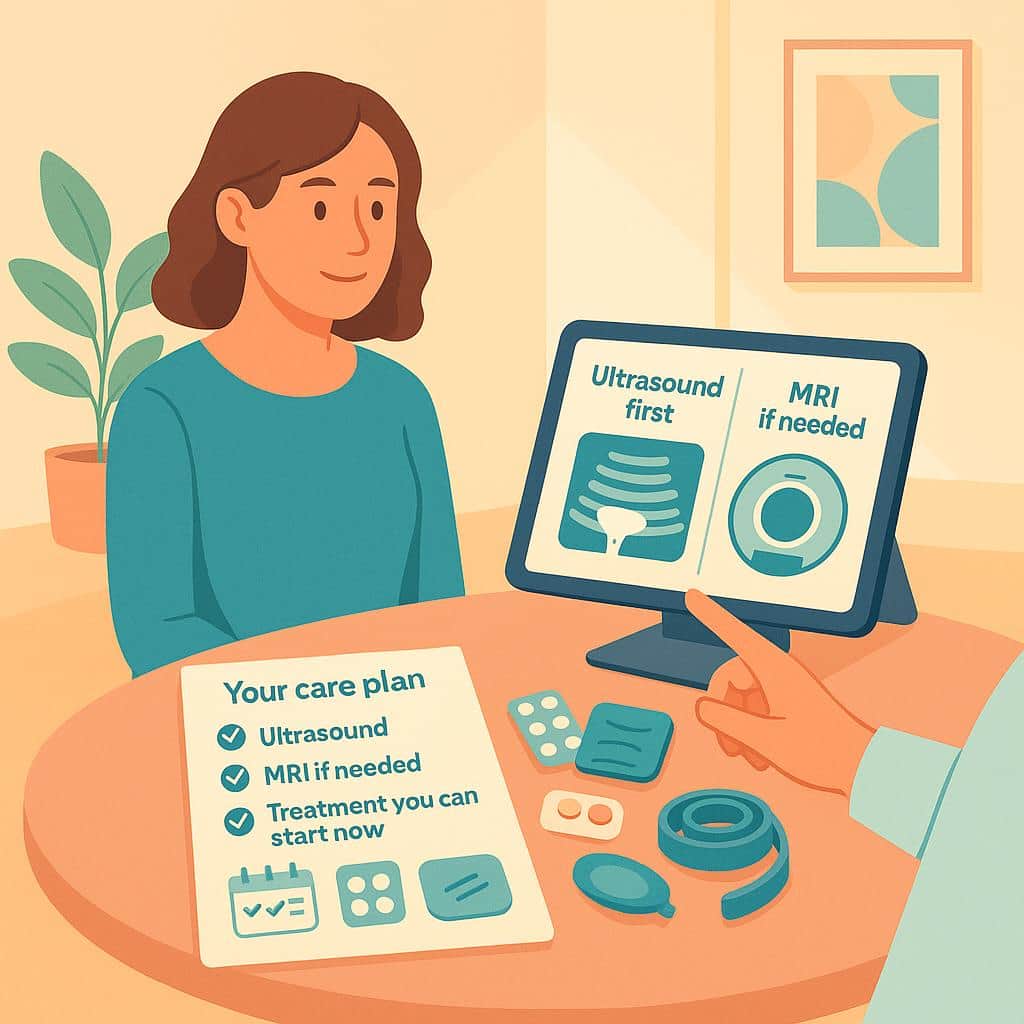
Diffuse Adenomyosis: Diagnosis and Treatment You Can Act On
A clear guide to diffuse adenomyosis: what it means, how TVUS and MRI diagnose it, and practical treatments, from hormonal IUDs to uterus-sparing options.
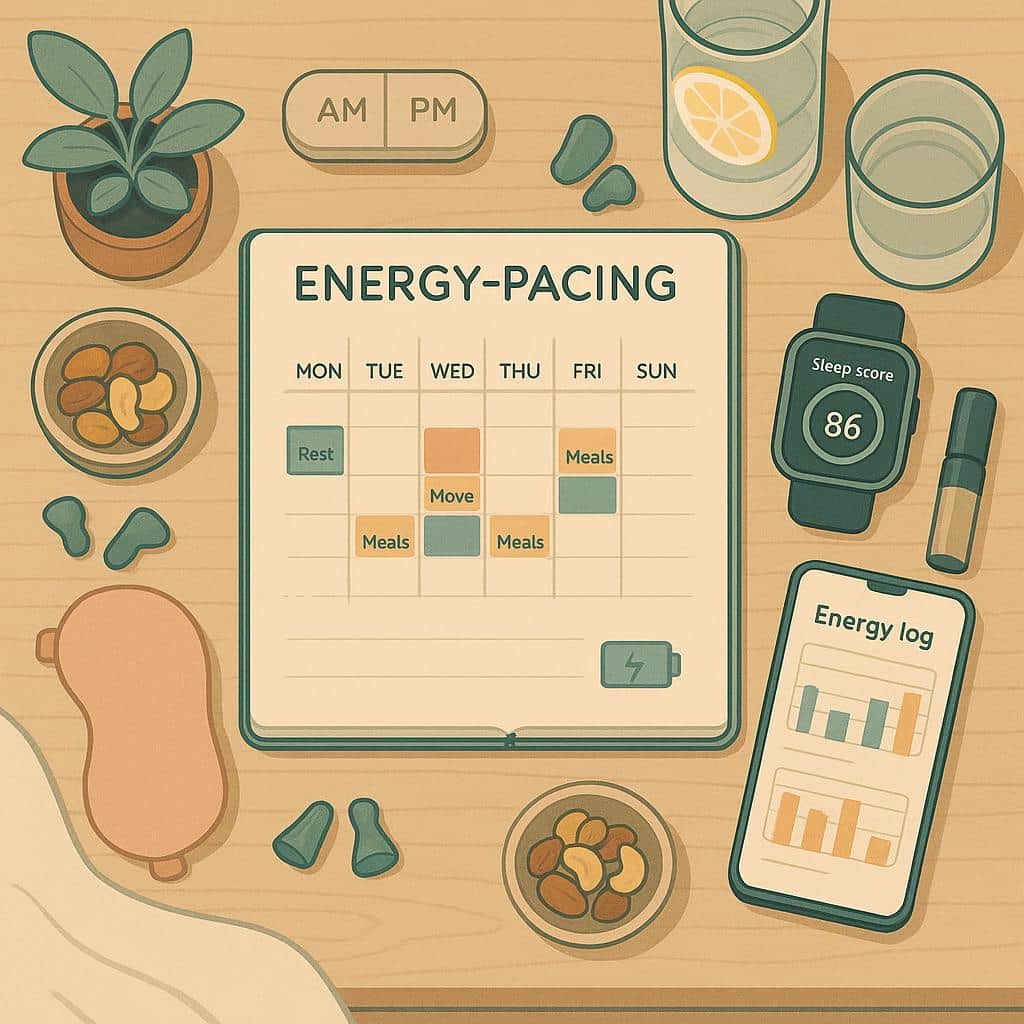
Endometriosis Fatigue : A Practical Guide to Relief
Understand why endometriosis drains energy—chronic pain, hormones, poor sleep, anemia, inflammation—and get practical tips for fatigue, pain, stress, and daily function.
Related Pages
Adenomyosis
Often missed or not considered, adenomyosis causes heavy bleeding, pain, and fertility challenges. Here’s how we diagnose and treat it.
Evaluation & Diagnosis
At the Lotus Endometriosis Institute, evaluation begins with listening. Our diagnostic process uncovers the true source of pain and related conditions often missed elsewhere.
Endometriosis
Endometriosis isn't just one disease — it's many. Our team tailors our approach to your unique condition, using evidence-based integrative support and world-class excision for lasting results.