

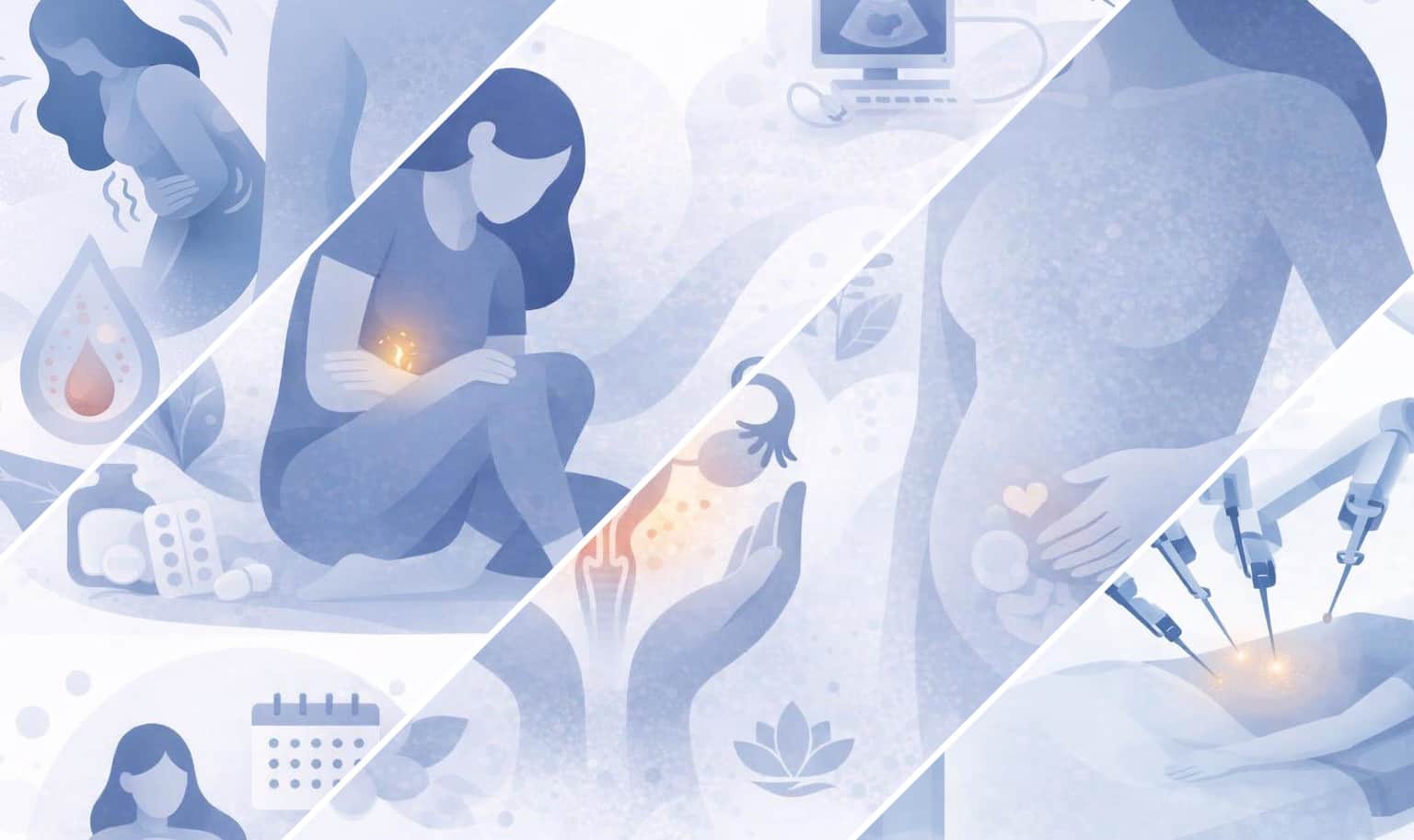

Endometriosis Fatigue : A Practical Guide to Relief
Why endometriosis causes crushing fatigue—and what actually helps
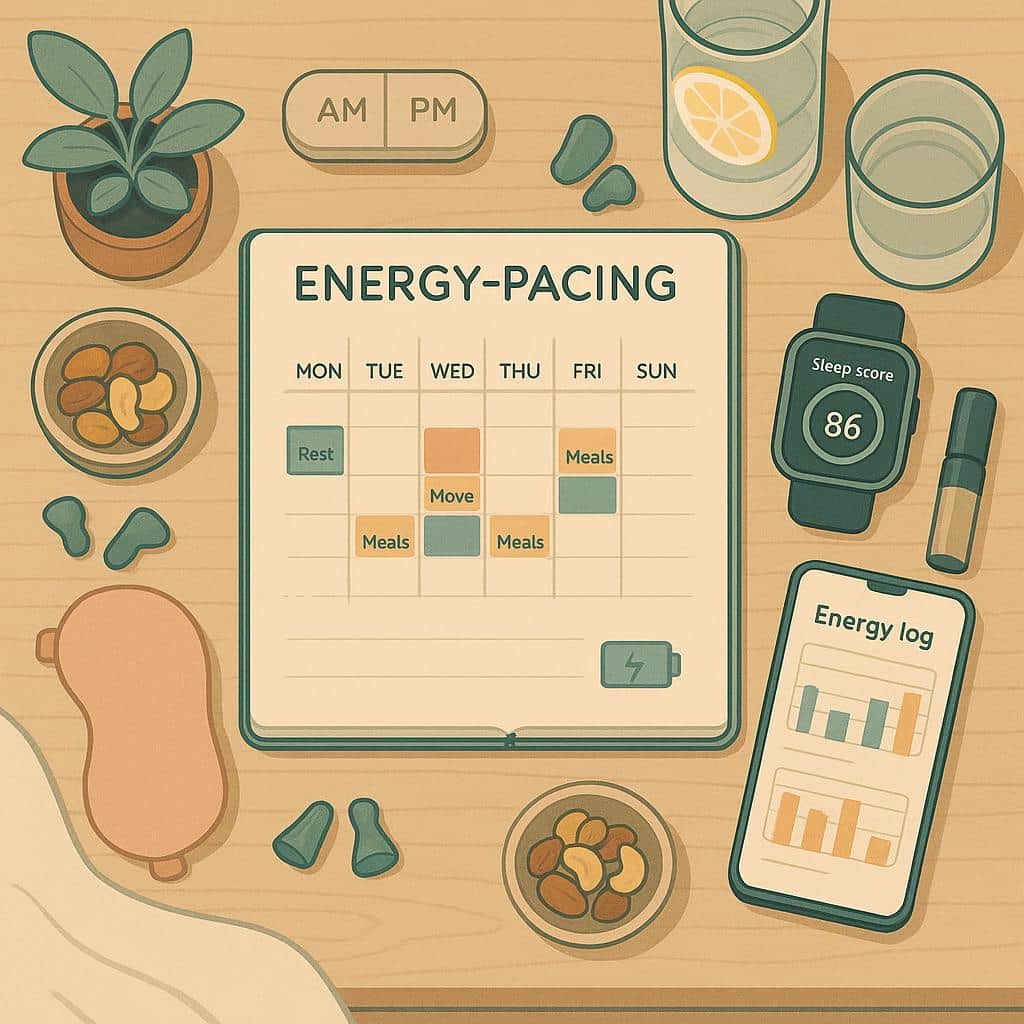
Navigating Fatigue When You’re Living With Endometriosis
Fatigue is common for many people, yet it can feel especially relentless if you’re dealing with endometriosis. Although it isn’t considered a primary symptom, many women with endometriosis report ongoing tiredness. Understanding the relationship between endometriosis and low energy raises important questions: what factors contribute to fatigue, and how can you restore longer-lasting energy without resorting to gimmicky “cures,” more coffee, or energy drinks?
If you’re unsure whether you have endometriosis, remember that not all symptoms stem from it. Some may be connected, but other issues can be at play. Anemia, adrenal or thyroid disease, and a variety of other conditions—some serious—can cause chronic fatigue. Because persistent fatigue is complex, getting to the root cause is essential before treating it. This often requires a thorough evaluation from an internist or family medicine physician who will look at the full picture, not just basic lab work squeezed into a rushed appointment. You might also consider working with an integrative and/or functional medicine physician trained to trace illness to root causes. This goes beyond ordering a few blood tests. While you may be “lucky” and learn something obvious from early testing, most cases are not that simple.
If you already have a diagnosis of endometriosis and fatigue is showing up alongside other endo symptoms, make sure your endo specialist knows. They can assess whether fatigue relates directly to endometriosis or adenomyosis, clarify your diagnosis, and formulate an individualized treatment plan. Everyone’s experience and needs are different.
Understanding Fatigue and Endometriosis
The Impact of Chronic Pain
Endometriosis frequently involves chronic pelvic pain that can erode quality of life. Constant pain is both physically and mentally draining, which naturally feeds fatigue. The stress and emotional strain of living with chronic pain can amplify this exhaustion.
Hormonal Imbalances
Hormonal dynamics influence how endometriosis develops and progresses. Estrogen is believed to encourage the growth of endometrial-like tissue outside the uterus, and shifts in estrogen across the menstrual cycle can trigger tiredness. If you are working through a hormone-balancing plan, excess progesterone can also cause fatigue. Achieving true hormonal balance is more like conducting a symphony than tossing in a few hormones and hoping for the best, and it extends beyond just estrogen and progesterone. People with endometriosis are six times more likely to have an underactive thyroid, underscoring the need for a comprehensive, expertly guided approach.
Sleep Disturbances
Pain, discomfort, and hormonal fluctuations associated with endometriosis often disrupt sleep. Poor or insufficient sleep predictably leaves you feeling tired during the day. Prioritizing sleep hygiene—such as a calming bedtime routine and a comfortable sleep setup—can help.
Anemia
Endometriosis and adenomyosis can cause heavy or prolonged menstrual and inter-menstrual bleeding. This can lead to iron deficiency anemia, which impairs oxygen delivery to tissues and contributes to weakness and fatigue. Restoring iron levels may involve supplementation for a period of time or dietary adjustments that add iron-rich foods like leafy vegetables.
Inflammation and Immune Dysfunction
Endometriosis is linked with chronic inflammation and immune system dysregulation. Ongoing inflammatory and immune activation can fuel fatigue. Measures that reduce inflammation—embracing a healthy, anti-inflammatory eating pattern, staying active, and using stress-reduction techniques—may ease fatigue-related symptoms.
Management Strategies for Fatigue
Beat Endometriosis Fatigue Now
Our specialists are here to help you understand your condition and explore your treatment options.
Schedule Your ConsultationPain Management
Addressing pain effectively is central to reducing fatigue tied to endometriosis. Your clinician may suggest nonsteroidal anti-inflammatory drugs (NSAIDs) to help with pain and inflammation. Hormonal therapies, including birth control pills or hormonal intrauterine devices (IUDs), can be used to modulate hormone levels and lessen pain. Narcotics remain an option but can cause grogginess and fatigue that work against your goals. Medications like gabapentin may help with central sensitization and can be used as a bridge while you reduce pelvic floor inflammation triggers through multi-modality care. Pelvic floor physical therapy is critical. Integrative approaches, including acupuncture and acupressure, may also provide relief. Excision surgery for endometriosis is part of the broader discussion and should be performed by an expert to reduce the likelihood of multiple repeat surgeries.
Lifestyle Modifications
Regular movement can lift energy and ease fatigue, even when exercise feels counterintuitive. Gentle options such as walking, swimming, or yoga are often beneficial, and it’s reasonable to start light and build gradually with guidance from a trainer or physical therapist when needed. A well-balanced, anti-inflammatory, antioxidant-rich diet supports overall health and can help counter fatigue, including anemia-related tiredness. Emphasize fruits, vegetables, whole grains within a whole food plant-based approach, and lean proteins, while limiting processed foods, sugary snacks, and caffeine to stabilize energy across the day. Because endometriosis is inflammatory and tissue damage involves reactive oxygen species and oxidation, keeping inflammation low and antioxidant defenses high is important. Think of your body as a complex laboratory that functions like a symphony when properly tuned; an expert nutrition “conductor” can help personalize the plan. Adequate hydration is also fundamental. Drinking enough water across the day helps maintain energy, and dehydration can worsen fatigue. Aim for at least eight glasses of water daily and keep a refillable bottle nearby as a reminder. While hydration is not specific to endometriosis, it supports a slightly alkaline, antioxidant, and anti-inflammatory status.
Stress Management
Mind–body practices can recalibrate stress and improve energy. Mindfulness meditation, deep breathing, progressive muscle relaxation, and other techniques—such as various forms of yoga, Tai Chi, Qigong, biofeedback practices like Heart Math, and meditation—can all be explored. Choose something that resonates with you; if it doesn’t feel like a fit, it’s unlikely to help. Making space for activities you enjoy also matters. Reading, listening to music, taking a warm bath, spending time in nature, and anything that makes you laugh can reduce stress and offset fatigue, with psycho-biological evidence to support these effects. Prioritizing self-care in ways that feel meaningful—perhaps a bubble bath, massage, gentle yoga, or a favorite hobby—can bolster resilience. Self-care is personal, so tailor it to what helps you most.
Support Networks
Endometriosis can be emotionally demanding, and connecting with others who understand your experience can offer validation, knowledge, and a sense of community. Hearing what has helped others can be useful, even though not every approach will be right for you. If something sounds too good to be true, vet it through credible, trusted sources and discuss it with your endometriosis specialist. It also helps to bring loved ones into the loop. Explain how endometriosis affects your energy, share your needs and limits, and invite their support and understanding. When fatigue and the emotional weight of endometriosis become overwhelming, professional counseling or therapy can provide strategies, guidance, and a safe, supportive space. Everyone needs help at times.
Conclusion
A thoughtful blend of pain management, lifestyle changes, stress reduction, and strong support can make fatigue more manageable and improve quality of life. Every person’s experience with endometriosis is unique, and finding what works best can take time. Collaborate with an endometriosis specialist and other practitioners as needed, make self-care a priority, and build a support network that understands your journey. Ideally, partner with an endo specialist who is not only a surgeon but also trained in integrative, holistic care or who works with a team that can offer complementary support and treatment options. With the right tools and resources, it is possible to better manage fatigue and navigate the day-to-day challenges of endometriosis.
References
Johnson NP, Hummelshoj L; World Endometriosis Society Montpellier Consortium. Consensus on current management of endometriosis. *Hum Reprod.* 2013;28(6):1552-1568. DOI: 10.1093/humrep/det346
Nnoaham KE, Hummelshoj L, Kennedy SH, et al. World Endometriosis Research Foundation Women’s Health Symptom Survey Consortium. World Endometriosis Research Foundation global study of women’s health consortium. *Fertil Steril.* 2011;96(2):366-373.
Hadfield R, Mardon H, Barlow D, Kennedy S. Delay in the diagnosis of endometriosis: a survey of women from the USA and the UK. *Hum Reprod.* 1996;11(4):878-880. DOI: 10.1093/oxfordjournals.humrep.a019270
Vercellini P, Vigano’ P, Somigliana E, et al. Endometriosis: pathogenesis and treatment. *Nat Rev Endocrinol.* 2014;10(5):261-275. DOI: 10.1007/s10735-025-10499-z
Ferrero S, Esposito F, Abbamonte LH, et al. Quality of life in women with endometriosis: a narrative overview. *Minerva Ginecol.* 2019;71(6):464-478. DOI: 10.3390/ijerph17134683
Mathias SD, Kuppermann M, Liberman RF, et al. Chronic pelvic pain: prevalence, health-related quality of life, and economic correlates. *Obstet Gynecol.* 1996;87(3):321-327. DOI: 10.1016/0029-7844(95)00458-0
Hartwell D, Jones K, Hinshaw K, et al. Sleep disturbances and fatigue in women with endometriosis. *Am J Obstet Gynecol.* 2019;221(6):638.e1-638.e14. DOI: 10.1016/j.ejogrb.2023.12.010
Vitale SG, La Rosa VL, Rapisarda AMC, et al. Impact of endometriosis on quality of life and psychological well-being. *J Psychosom Obstet Gynaecol.* 2017;38(4):317-319. DOI: 10.1186/s12905-024-03510-4
Giudice LC. Clinical practice. Endometriosis. *N Engl J Med.* 2010;362(25):2389-2398. DOI: 10.1016/j.euros.2025.10.003
La Rosa VL, De Franciscis P, Barra F, et al. Sleep quality in women with endometriosis: a systematic review and meta-analysis. *J Clin Med.* 2020;9(6):1834. DOI: 10.1089/jwh.2021.0021
Panir K, Schjenken JE, Robertson SA, et al. Immune interactions in endometriosis. *Expert Rev Clin Immunol.* 2019;15(6):649-662. DOI: 10.3389/fimmu.2025.1727183
Koga K, Takamura M, Fujii T, et al. Dysfunction of innate immune system in the development of endometriosis. *Reprod Med Biol.* 2018;17(1):49-55. DOI: 10.3389/fimmu.2023.1134663
Agarwal SK, Chapron C, Giudice LC, et al. Clinical diagnosis of endometriosis: a call to action. *Am J Obstet Gynecol.* 2019;220(4):354.e1-354.e12. DOI: 10.1097/j.pain.0000000000003290
Quick Answers
Why do I have chronic fatigue and pelvic pain?
Chronic fatigue plus pelvic pain often feels “unexplainable” because it’s rarely caused by just one issue—and many of the most common drivers don’t show up on routine labs or a quick ultrasound. Endometriosis and adenomyosis can cause persistent pelvic pain, painful periods, bowel/bladder symptoms, and deep fatigue through inflammation, disrupted sleep, heavy bleeding (and possible iron deficiency), and the sheer energy cost of living with ongoing pain. It’s also common for more than one gynecologic condition to coexist—like fibroids, polyps, or benign cysts—so a single label may not fully match what you’re experiencing.
Another reason symptoms can persist is that the nervous system can become more pain-sensitive over time (often called central sensitization), meaning pain can spread, linger outside your cycle, or feel disproportionate to what imaging shows. In those cases, symptom relief alone can miss the bigger picture: we think in terms of both treating disease (for example, addressing endometriosis lesions or uterine drivers like adenomyosis/fibroids) and building a personalized pain-management plan so your body can “turn down the volume” on pain signals.
If your fatigue and pelvic pain have been brushed off or left without a clear plan, our team can help you sort through the likely contributors, including endometriosis/adenomyosis and common coexisting conditions, and map next steps that fit your goals. You can explore our educational resources on fatigue, chronic pelvic pain, and comprehensive treatment approaches, and reach out to schedule a consultation when you’re ready.
Why do endometriosis patients try alternative medicine?
Many people with endometriosis try “alternative” medicine because they’ve spent years in pain without clear answers or durable relief. When hormones cause side effects, symptoms persist after prior treatments, or surgery feels out of reach, it’s completely understandable to look for something—anything—that offers a sense of control and day-to-day functioning. Social media and anecdotal stories can also make certain approaches sound like hidden “cures,” especially when the medical system has been dismissive or slow to diagnose.
We also see another, more practical reason: endometriosis pain is multifaceted—driven by inflammation, pelvic floor and musculoskeletal factors, nerve irritation, and sometimes central sensitization—so patients often need more than one tool. The key distinction is that integrative care is meant to work alongside mainstream medical and surgical treatment, not replace it. Our approach is to help you separate what’s promising and measurable from what’s expensive, vague, or marketed as a miracle, and build a coordinated plan that targets both the disease and the pain mechanisms that keep symptoms going. If you’re feeling pulled toward alternative options, we invite you to reach out—so we can help you make a plan that protects your time, your body, and your long-term goals.
How do I document endometriosis for work accommodations?
Documenting endometriosis for work accommodations starts with creating a clear paper trail that connects your diagnosis (or suspected diagnosis) to specific functional limits at work. Keep a simple symptom log for at least 4–8 weeks: date, symptom (pelvic pain, fatigue, bowel/bladder pain, heavy bleeding), severity, duration, triggers, and exactly what work tasks were affected (missed shifts, reduced standing tolerance, inability to sit, concentration issues, frequent bathroom breaks). Save objective documentation too—operative and pathology reports if you’ve had surgery, imaging reports when available, ER/urgent care notes, medication or treatment history, and any workplace attendance or performance impacts that occurred during flares.
For an accommodation request, what usually helps most is a concise clinician letter that focuses on work restrictions rather than extensive medical detail—e.g., need for flexible scheduling during flares, ability to work from home at times, breaks for pain management/restroom access, limits on prolonged standing/sitting, or intermittent leave when symptoms are unpredictable. If you’re pursuing disability benefits, the same principle applies: decision-makers look for consistent records over time showing that symptoms significantly interfere with your ability to perform job duties, since endometriosis isn’t automatically classified as a disability.
Our team can help you organize the records that best support your case and, when appropriate, provide medical documentation that reflects the reality of your symptoms and functional limitations. If you’d like, reach out to schedule a consultation so we can review what you already have and identify what additional documentation would be most useful for workplace accommodations.
Can endometriosis cause inflammation-related weight gain?
Yes—there can be a connection, but it’s usually not as simple as “inflammation makes you gain fat.” Endometriosis is an inflammatory condition, and that inflammation can drive fluid shifts, pelvic and abdominal swelling, bowel slowing/constipation, and the classic waxing-and-waning “endo belly,” all of which can look and feel like weight gain even when body fat hasn’t changed. Pain, fatigue, and stress can also reduce activity or change appetite patterns, which can indirectly affect body composition over time.
What’s also emerging in research is a possible link between endometriosis and certain metabolic risk patterns in some people (like central waist changes and lipid markers). That doesn’t prove endometriosis directly causes metabolic changes—or that metabolic changes cause endometriosis—but it does support why some patients feel their body is harder to “regulate” while the disease is active. If weight changes, bloating, or a new shift in your waistline is part of your story, our team can help you sort out what’s most likely inflammation and GI distension versus longer-term metabolic or hormonal contributors, and build a plan that aligns with your symptoms and goals. If you’d like, you can reach out to schedule a consultation so we can evaluate the full picture and discuss treatment options, including excision and coordinated whole-person care.
Can endometriosis cause near-fainting or tunnel vision?
Yes—endometriosis can be associated with near-fainting symptoms like tunnel vision, lightheadedness, and feeling like you might pass out, especially during intense pain flares. Severe pelvic pain can trigger a vasovagal response (a nervous-system reflex) that drops blood pressure and heart rate, and some patients also experience broader autonomic “alarm mode” patterns that overlap with dysautonomia-type symptoms. In other words, the sensation can be very real even when it doesn’t feel “gynecologic” in the moment.
That said, near-fainting and tunnel vision aren’t specific to endometriosis, and we take them seriously because they can also come from other issues (like anemia from heavy bleeding, dehydration, blood sugar swings, medication effects, or non-gynecologic conditions). The most helpful next step is to look at the context: does it happen with period pain, bowel/bladder pain, or certain positions, and does it track with other endometriosis or adenomyosis symptoms?
If this is happening to you, our team can help you sort out whether it fits a pain-driven nervous-system response, an endometriosis/adenomyosis pattern, or another contributor that needs attention alongside pelvic disease treatment. We also focus on the difference between symptom management and treating the underlying drivers—because reducing the source of repeated pain signaling is often key to calming the whole system over time. If you’d like, reach out to schedule a consultation so we can review your symptom timeline and build a plan that matches what your body is doing.