

You suspect you may have endometriosis or adenomyosis
Why does endometriosis feel like twisting pain?
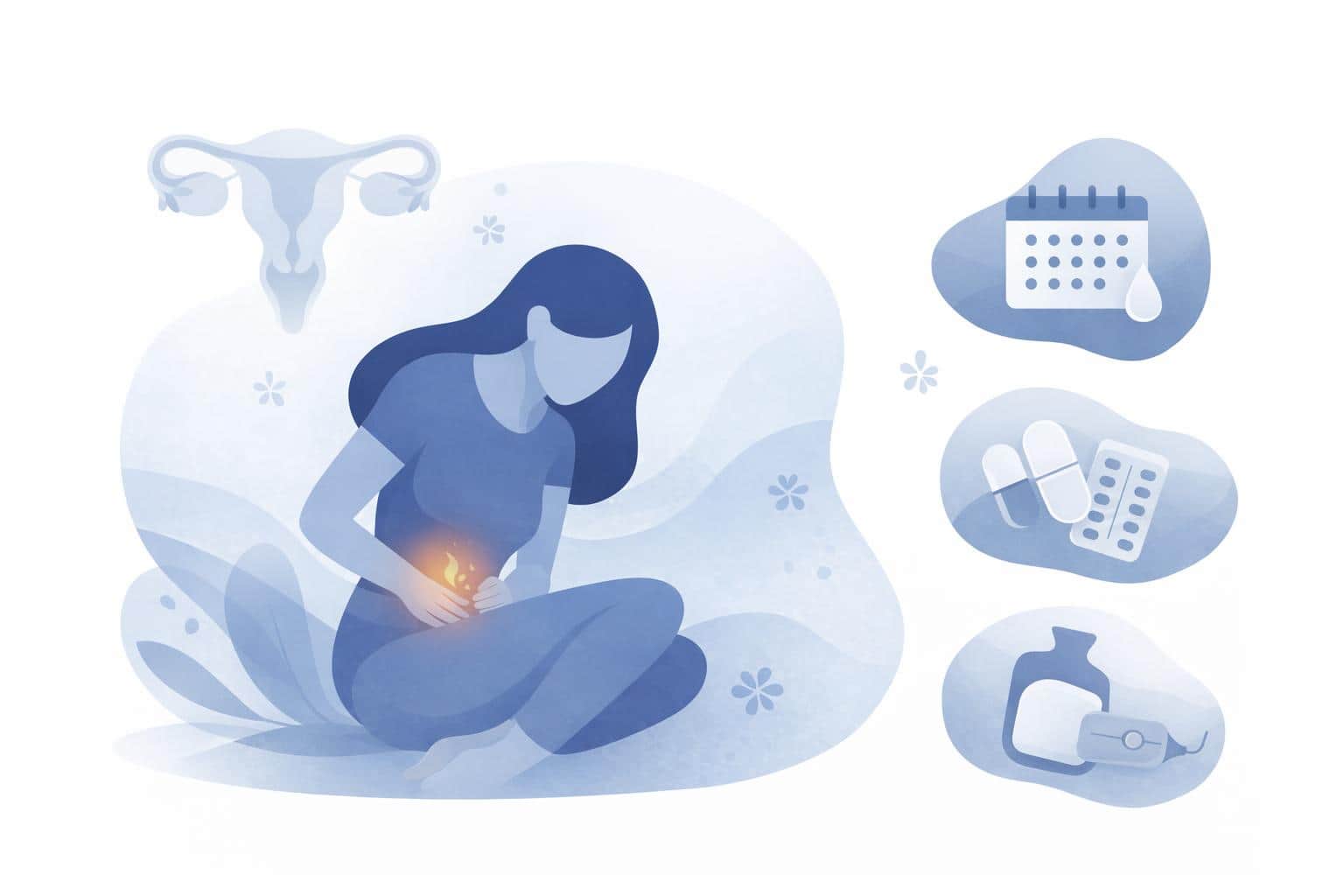
That “twisting” or “wringing” sensation is a very common way patients describe endometriosis pain, and it often reflects more than one pain driver happening at once. Endometriosis lesions can behave like active, inflamed wounds, and the body may respond by laying down scar-like tissue (fibrosis) and adhesions that can tether organs together. When structures that are meant to glide—uterus, ovaries, bowel, bladder—are restricted, certain movements, bowel activity, sex, or even normal uterine cramping can feel like something is pulling or twisting inside you.
Twisting pain can also come from nerve involvement and pain-system “upshifts” over time. Ongoing pelvic pain signals can sensitize nearby nerves and, in some people, lead to central sensitization—where the nervous system starts interpreting normal sensations as painful and spreads pain beyond the original site. On top of that, pelvic floor muscles often tighten protectively around chronic pelvic pain, and that muscular guarding can intensify the gripping/twisting feeling.
If you’re noticing this sensation—especially if it’s getting more constant, feels tied to bowel/bladder function, or isn’t matching what imaging shows—our team can help you sort out whether adhesions/deep disease, pelvic floor dysfunction, or nervous system sensitization is most likely driving it. From there, we can map out a plan that treats the disease when indicated (often with expert excision) while also addressing the pain pathways that can keep symptoms going even after treatment.
Get answers for twisting pain
That twisting or pulling pain is a common endometriosis symptom, often linked to inflammation and adhesions that restrict how organs move. Our endometriosis and adenomyosis specialists can evaluate your symptoms and build a plan to pinpoint the cause and relieve pain.
Schedule a ConsultationLearn More

Why Your Endometriosis Pain Can Feel So Unrelenting
Discover why endometriosis causes pain and scarring. Learn about TGF-β signaling and its role in symptoms and treatment. Empower your health journey.
Different Types of Endometriosis Pain Explained
Explore types of endometriosis pain, evaluation, and evidence-based treatments, including triggers, pelvic floor therapy, CNS sensitization, and adenomyosis.

Pelvic Floor & Myofascial Pain After Endometriosis Surgery
Why Do I Still Hurt series article three about pain post-endometriosis surgery. Learn the basics about myofascial pain and treatment options.

What is Deep Infiltrating Endometriosis? Understanding the Basics
Discover deep infiltrating endometriosis, its symptoms, and diagnosis. Learn how it differs from other types of endometriosis for better management.
Related Pages
Endometriosis
Endometriosis isn't just one disease — it's many. Our team tailors our approach to your unique condition, using evidence-based integrative support and world-class excision for lasting results.
Evaluation & Diagnosis
At the Lotus Endometriosis Institute, evaluation begins with listening. Our diagnostic process uncovers the true source of pain and related conditions often missed elsewhere.
Surgery & Advanced Excision
World-class robotic excision surgery by a quadruple board-certified surgeon. Precision matters—and your future depends on it.