
Surgery
Will myomectomy improve heavy bleeding and painful periods?
The short answer
Myomectomy can significantly improve heavy menstrual bleeding when fibroids are the primary driver, and many patients notice less pelvic pressure and cramping. Pain may persist if adenomyosis or endometriosis is also causing symptoms.
Myomectomy can significantly improve heavy menstrual bleeding when fibroids are the main cause, and many patients also notice less pelvic pressure and cramping because the uterus is no longer distended by the fibroid. If your bleeding is mainly coming from fibroids that distort the uterine cavity, removing them often leads to more manageable periods.
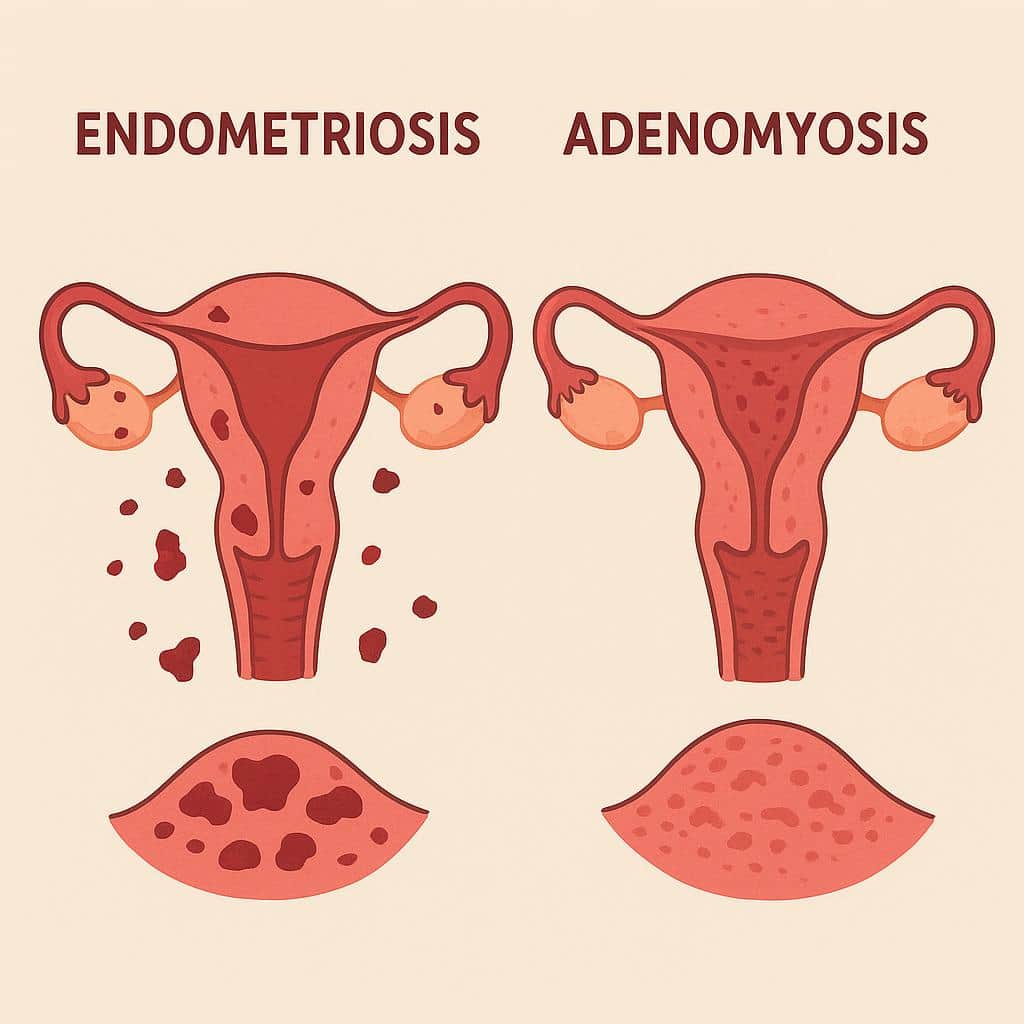
That said, painful periods don’t always come from fibroids alone. Adenomyosis and endometriosis can also cause severe cramps, deep pelvic pain, and inflammation. These conditions can coexist with fibroids, so bleeding may improve while pain persists. Our team focuses on clarifying what’s causing your symptoms so your surgical plan targets the true source of both heavy bleeding and pain. If you’d like, you can reach out to schedule a consultation.
Where to go from here
Understand it, compare it with what you're feeling, then talk it through with us.
Step 2 · Compare
Symptoms it can relate to
Step 3 · Speak with Us
Struggling with Heavy Bleeding?
Our specialists can help determine if myomectomy is right for you and address coexisting conditions causing pain. Get personalized care for more manageable periods and pelvic comfort.
Questions people ask next
All surgery questionsHow do I know if I'm a good candidate for myomectomy?
Myomectomy may be a good fit if fibroids cause heavy bleeding, pain or other symptoms and imaging shows they can be removed while preserving your uterus. Candidacy depends on fibroid size, number and location, your health, prior pelvic surgeries and pregnancy goals.
Do fibroids or adenomyosis often occur with endometriosis?
Yes, fibroids and adenomyosis can coexist with endometriosis, and the overlap is especially common in people with heavy bleeding and significant period pain. Identifying which conditions are present is important for choosing the most effective treatment plan.
Is a myomectomy the same as a hysterectomy?
No, they are different surgeries: a myomectomy removes uterine fibroids while keeping the uterus in place, so it can maintain the possibility of carrying a pregnancy. A hysterectomy removes the uterus, so pregnancy is no longer possible afterward.
Can hormonal birth control stop heavy bleeding in adenomyosis?
Hormonal birth control can significantly reduce heavy bleeding and cramping for many people with adenomyosis. For some patients, bleeding can feel like it stops, while for others it becomes lighter or more predictable rather than fully resolving.
Further reading
Why Endometriosis and Fibroids Often Show Up Together—And What That Means for You
Explore why endometriosis and fibroids often coexist, their symptoms, and what it means for your health. Get informed on your care options.
Treating Adenomyosis: From IUDs to Surgery Explained
Explore adenomyosis treatment methods including IUDs and surgeries. Learn which approach is best for pain, bleeding, and fertility.
Endometriosis and Adenomyosis: How They Drive Pelvic Pain
Compare endometriosis and adenomyosis: similarities, differences in location and prevalence, diagnosis methods, and treatment options for pelvic pain.