


Bladder, Ureter, and Urinary Symptoms You Didn’t Expect
Discover how urinary tract endometriosis affects symptoms like painful urination, and learn about evaluation and treatment. Explore expert insights!
10 minute read
Read moreDiscover how Lotus can guide you toward lasting relief.
Explore why patients choose Lotus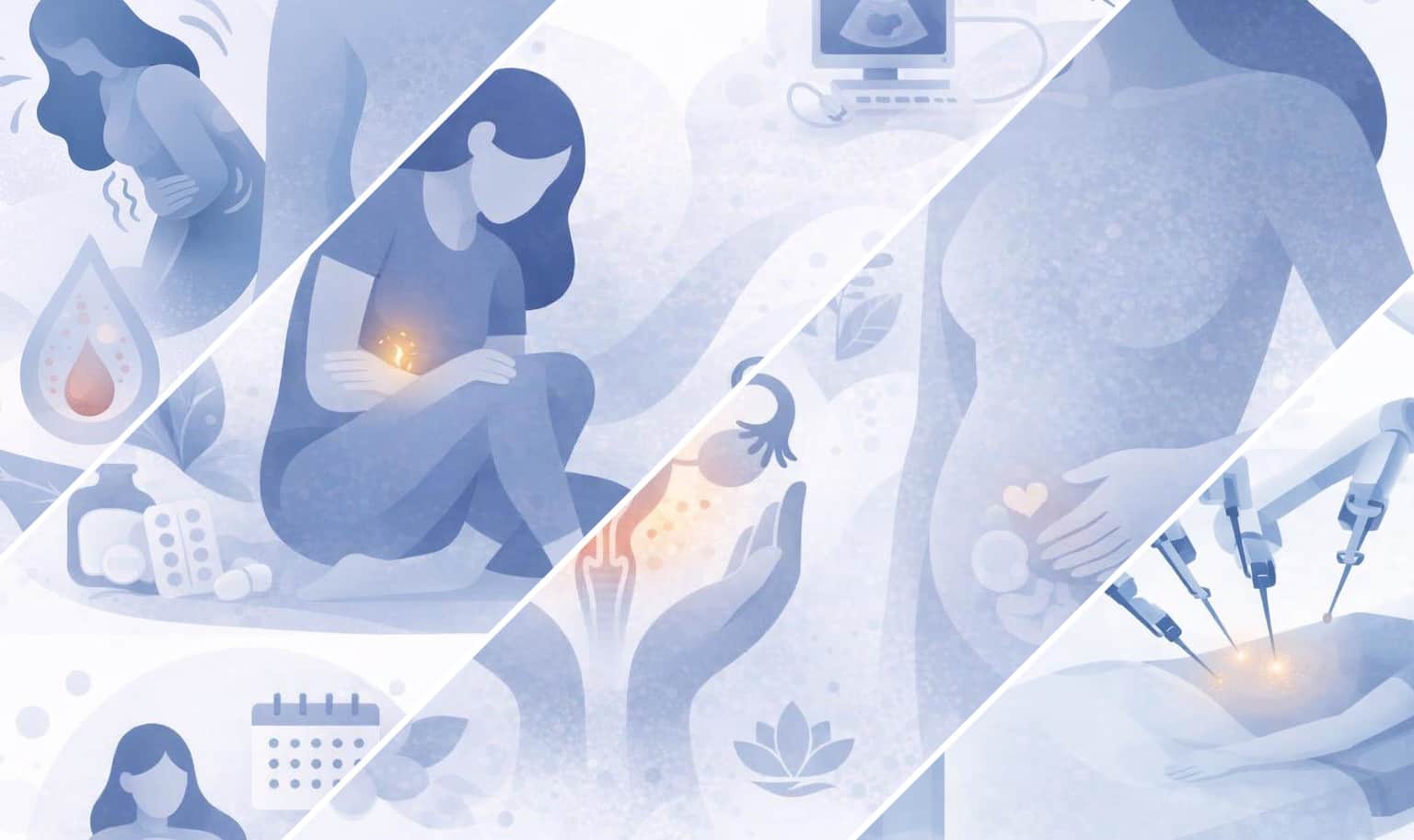
Search expert-written answers, browse by topic, or find information based on where you are in your journey.
Explore All KnowledgeReach out and start your healing journey.
Schedule an AppointmentExplore how endometriosis affects the bladder and urinary tract—frequency, urgency, burning, flank pain—with guidance on evaluation, pelvic floor links, and evidence-based care to protect kidneys and improve comfort.
Urinary urgency, frequency, burning, incomplete emptying, pain with a full bladder or after urination, and occasional flank pain can occur with endometriosis. Symptoms often fluctuate with the menstrual cycle or during flares, and may worsen with sex or bowel movements. Contributors include inflammatory irritation of the bladder or ureters from nearby endometriosis, cross‑talk between pelvic nerves, pelvic floor muscle guarding, and pressure effects from adenomyosis. Unlike a UTI, urine cultures may be negative and antibiotics provide little relief.
Care focuses on recognizing patterns and protecting the kidneys when obstruction is a concern. Expect guidance on red flags, plus how clinicians evaluate symptoms with urinalysis and culture, renal and bladder ultrasound, and targeted MRI when deeper disease is suspected; cystoscopy is used selectively. Management may include pelvic floor physical therapy, bladder retraining, tailored medications, and hormonal treatments when symptoms track the cycle, with nutrition and stress tools to reduce flares. For confirmed organ involvement, see Bladder Endometriosis; for overlapping conditions consider Interstitial Cystitis and Pelvic Floor Dysfunction. Imaging details are covered in Diagnostics & Imaging, Ultrasound, and MRI.
Painful urination with pelvic cramping between periods can happen when the bladder, ureters, uterus, pelvic floor, or nerves are being irritated—sometimes in a way that still follows a subtle cycle pattern even if you’re not actively bleeding. Endometriosis can contribute by affecting the bladder wall or tissues around the bladder and ureters, and symptoms don’t have to include visible blood in the urine. Importantly, urinary tract endometriosis isn’t always “obviously urinary,” and ureter involvement can be quiet while still significant, which is why we take these symptoms seriously.
These symptoms can also come from conditions that overlap with (or mimic) endometriosis, such as bladder pain syndrome/interstitial cystitis, pelvic floor overactivity, adenomyosis-related uterine cramping, or other pelvic pain drivers. In our evaluation process, we focus on your full flare pattern—what triggers it, how it relates to your cycle, and whether urine tests have been repeatedly negative—then use targeted exam and the right imaging (often expertly interpreted ultrasound and/or MRI) to map what’s actually going on.
If you’re noticing recurring burning with urination, pressure, cramping, or symptoms that predictably flare mid-cycle or before your period, that pattern is useful diagnostic information—not something to dismiss. You can explore our urinary symptom and diagnostic evaluation resources to see how we approach “UTI-like” symptoms with negative cultures, and you’re welcome to reach out to schedule a consultation so our team can help you sort out whether this is bladder/ureter endometriosis, a look-alike condition, or a combination.
Yes—endometriosis can affect the kidneys indirectly when it involves the ureters (the tubes that drain urine from the kidneys to the bladder). Deep endometriosis can grow on or around a ureter and cause narrowing or blockage, which can lead to urine backing up into the kidney (hydronephrosis). Over time, that pressure can threaten kidney function.
What makes this especially tricky is that ureter involvement can be “silent”—some people have minimal urinary symptoms, or symptoms that don’t feel like a kidney issue at all, until imaging shows swelling of a kidney. When urinary symptoms do happen, they may look more like bladder irritation (burning, pressure, painful urination) that worsens cyclically rather than obvious signs like visible blood in the urine.
If you have known or suspected deep endometriosis, new urinary symptoms, recurrent “UTI” complaints with negative cultures, flank/back pain, or imaging that mentions hydronephrosis, our team takes that seriously and evaluates the full urinary tract—not just the pelvis. We can help map where disease may be affecting the bladder and ureters and discuss what treatment can look like, including minimally invasive excision when appropriate—reach out to schedule a consultation.
Yes—endometriosis and interstitial cystitis/bladder pain syndrome (IC/BPS) can occur together, and that overlap is one reason bladder symptoms can be so frustrating and persistent. Endometriosis can cause urinary urgency, frequency, burning, or bladder-adjacent pelvic pressure, but those same symptoms can also come from IC/BPS. Having one diagnosis doesn’t “rule out” the other, and when both are present, treating only endometriosis may not fully relieve bladder-driven pain.
A key part is sorting out what’s actually driving your symptoms: bladder endometriosis (lesions involving the bladder wall) is different from IC/BPS, even though they can feel similar. Bladder endometriosis often has a cyclical pattern around periods (though not always), while IC/BPS is typically pain/pressure that feels related to bladder filling and may improve after urinating, with symptoms persisting over time despite negative urine cultures. Our team looks at the whole picture—gynecologic, urinary, pelvic floor, and nervous system pain pathways—so we can build a plan that matches your specific symptom pattern rather than forcing everything into a single label.
If you’re dealing with ongoing urinary urgency/frequency, burning, or bladder pain—especially if prior endometriosis treatments haven’t helped as expected—reach out to schedule a consultation. We can help you determine whether this looks more like urinary tract endometriosis, IC/BPS, or a combination, and what next-step evaluation and treatment options make the most sense for you.
Endometriosis can start in the teen years, and one of the biggest red flags is period pain that’s more than “normal cramps”—pain that’s severe, escalating over time, or keeps returning month after month. Missing school, sports, or social plans because of periods (or needing stronger pain meds that still don’t touch the pain) is another common warning sign. Pelvic pain that isn’t limited to bleeding days—mid‑cycle pain, daily pelvic aching, or flares with activity—can also fit the pattern.
Other red flags include bowel or bladder symptoms that track with the menstrual cycle, such as painful bowel movements, diarrhea/constipation flares, painful urination, or pelvic pressure during periods. Pain with tampon use or pelvic exams, and pain with sexual activity in older teens, can also be clues. If these patterns sound familiar, our team can help you sort out what’s most likely driving the symptoms (including endometriosis and common “look‑alikes”), review any prior records or imaging, and map out clear next steps toward a real diagnosis and durable relief.
Yes—adenomyosis can be associated with bladder pain, pressure, and even “spasm-like” sensations, even though adenomyosis itself stays within the uterine muscle. When the uterus is inflamed and tender (and sometimes enlarged), it can create a deep pelvic ache or heavy pressure that feels like it’s coming from the bladder because these organs sit close together and share overlapping nerve pathways.
That said, bladder symptoms aren’t always explained by adenomyosis alone. Urgency, frequency, urethral burning, pain that worsens as the bladder fills, or symptoms that persist even when period pain is treated can point to a separate but commonly overlapping condition like bladder pain syndrome (sometimes called interstitial cystitis), pelvic floor muscle overactivity, or endometriosis involving the bladder area.
If you’re noticing bladder pain/spasms alongside heavy bleeding, severe cramps, or pain with sex, our team can help you sort out whether adenomyosis is the primary driver, a co-condition, or one piece of a larger chronic pelvic pain picture. Reach out to schedule a consultation so we can review your symptom pattern and imaging, and map out a plan that targets the true sources of your pain.
Yes—ureter or bladder injury is a known (but uncommon) risk in endometriosis surgery, especially when disease is deep, scarred in, or directly involving the urinary tract. Endometriosis can pull the ureter and bladder out of their usual anatomic planes, and dense fibrosis can make these structures harder to identify and safely separate.
In advanced cases, the ureter may need to be carefully dissected free (ureterolysis) to restore normal anatomy and protect kidney drainage, and bladder endometriosis sometimes requires precise excision from the bladder wall. That’s why surgical planning matters: mapping disease on imaging when possible, anticipating urinary-tract involvement, and using meticulous technique to identify and protect the ureters and bladder throughout the operation.
In our practice, we use robotic excision for its magnified 3‑D optics and wristed instruments, which can improve visualization and precision around delicate structures like ureters and the bladder. If you’re worried about urinary-tract risks in your specific case—especially if you have urinary symptoms, prior surgery, or suspected deep disease—reach out to our team for an individualized surgical plan and risk review.
Yes—painful sex can be part of the picture with bladder endometriosis, even though bladder involvement itself is less common than other endometriosis locations. Bladder endometriosis is typically a form of deep endometriosis, and deep disease often affects more than one area of the pelvis, which is one reason dyspareunia (especially deep pain) can show up alongside urinary symptoms.
It’s also common for bladder-related endometriosis symptoms to be confusing: urine cultures may be negative, blood in the urine may be absent, and the main complaint may be pressure, burning, urgency/frequency, or pain that flares around the cycle—plus pain during or after sex. Because bladder pain and painful sex can also come from overlapping issues (like pelvic floor dysfunction, bladder pain syndrome/interstitial cystitis, adhesions, or adenomyosis), our approach is to map the full symptom pattern and use targeted pelvic imaging (often ultrasound and/or MRI) when the story fits.
If you’re dealing with painful sex plus bladder symptoms—or “UTI-like” flares that don’t match your test results—our team can help you sort out whether bladder endometriosis is likely, what else could be contributing, and what treatment options (including minimally invasive excision when appropriate) might actually address the root cause. If you’re ready, reach out to schedule a consultation so we can review your history and plan a focused evaluation.
Yes—bladder endometriosis can contribute to urinary retention in some patients, especially when endometriosis involves the bladder wall muscle (deep bladder endometriosis) or when nearby deep disease and pelvic floor guarding disrupt normal bladder emptying. It’s not the most common urinary symptom pattern, but it can happen alongside more typical complaints like bladder pressure, pain with urination, urgency, and frequency.
Retention can be intermittent (for example, flaring around your cycle) or feel like incomplete emptying, hesitancy, or needing to strain to urinate. Because urinary symptoms overlap with conditions like bladder pain syndrome/interstitial cystitis, pelvic floor dysfunction, and ureter-related problems, a normal urine culture doesn’t rule out a structural or endometriosis-related cause.
In our evaluation, we look at the full symptom pattern and flare timing, and we use targeted imaging such as expertly interpreted pelvic ultrasound and/or MRI to assess the bladder and surrounding structures. If your symptoms include retention or significant voiding difficulty, it’s also important to assess the ureters and kidneys, since urinary-tract involvement can coexist with deep endometriosis. If you’d like, you can reach out to schedule a consultation so our team can help clarify what’s driving your symptoms and what treatment options make the most sense for your goals.
Discover how urinary tract endometriosis affects symptoms like painful urination, and learn about evaluation and treatment. Explore expert insights!
Discover the link between adenomyosis, bladder, and bowel pain after endometriosis surgery. Learn why you might still feel discomfort and what to do.
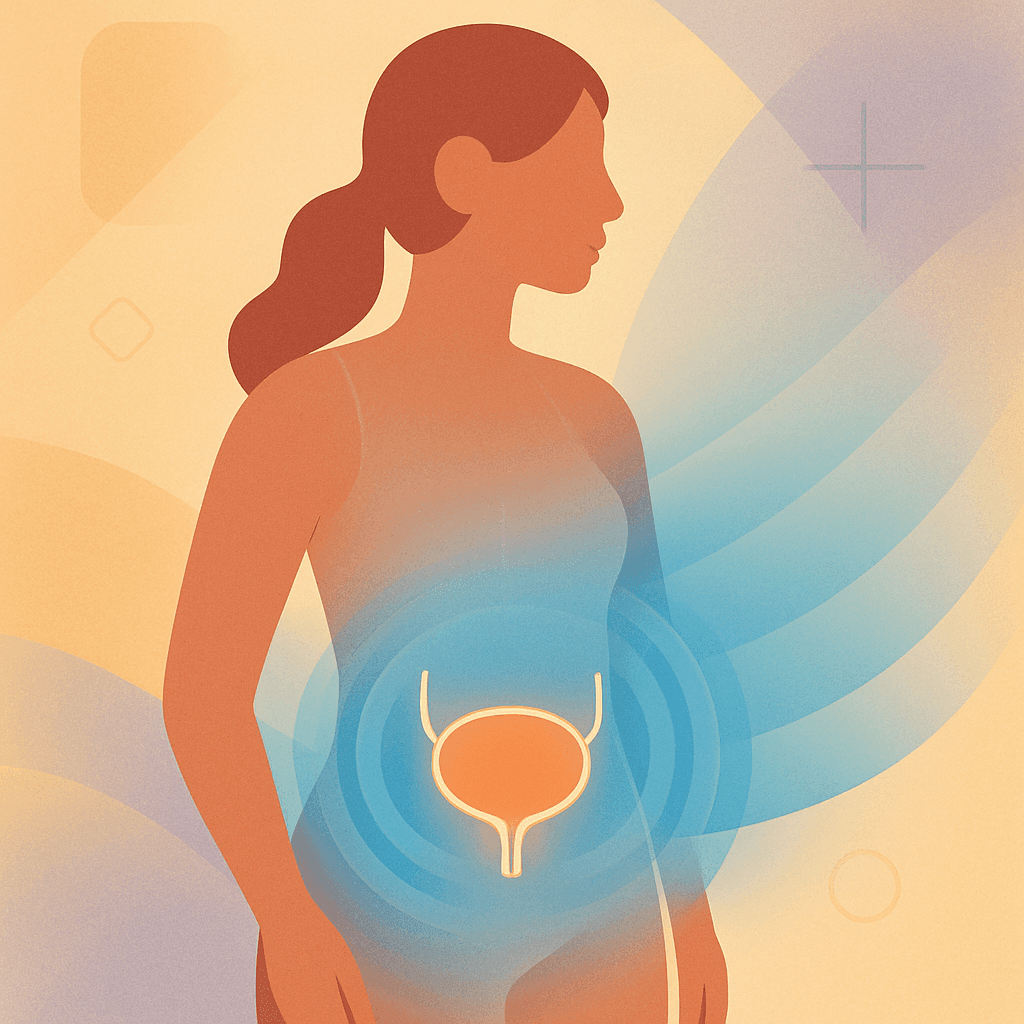
Explore how bladder endometriosis may explain your urinary pain. Understand symptoms, diagnosis, and treatment options for better pain management.
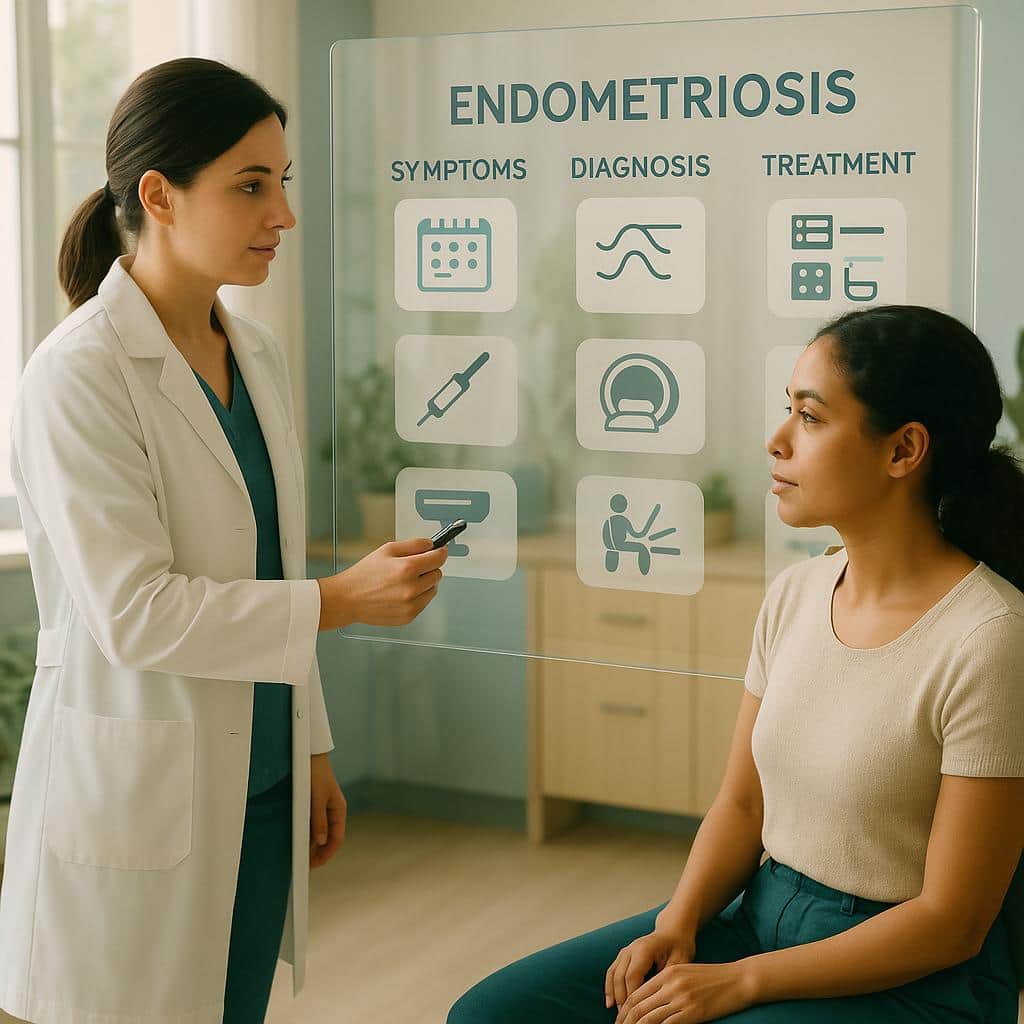
Recognize endometriosis: painful periods, GI and urinary symptoms, dyspareunia, infertility. Understand causes, complications, diagnosis, and medical/surgical treatment options.
Lotus Endometriosis Institute provides California-based surgical evaluation and advanced excision care for patients with suspected endometriosis, adenomyosis, complex pelvic pain, and related conditions.
Many patients contact us from outside California to learn whether traveling for in-person evaluation and possible surgery may be appropriate.
2121 Santa Monica Blvd, Santa Monica, CA 90404
8am - 5pm
Monday - Friday
154 Traffic Way, Arroyo Grande, CA 93420