

Calming Pre-Surgery Nerves for Endometriosis & Adenomyosis
Feeling anxious about endometriosis surgery? Explore calming techniques and insights on managing pre-surgery nerves specific to endometriosis and adenomyosis.
9 minute read
Read moreDiscover how Lotus can guide you toward lasting relief.
Explore why patients choose Lotus
Search expert-written answers, browse by topic, or find information based on where you are in your journey.
Explore All KnowledgeReach out and start your healing journey.
Schedule an AppointmentEvidence-based mind–body strategies to calm the nervous system, lower stress hormones, and help reduce endometriosis pain, flares, and fatigue—practical tools to pair with your treatment plan.
Stress can’t cause endometriosis or adenomyosis, but it powerfully amplifies pain, cramping, bowel and bladder symptoms, and fatigue by revving the fight‑or‑flight system and heightening inflammation and nerve sensitivity. Calming the autonomic nervous system helps reduce flares, improves sleep quality, and supports clearer decision‑making during tough symptom days. This is nervous‑system care that complements medical and surgical treatment—not a replacement for it.
Learn how to map your personal stress–flare cycle, build a realistic pacing plan, and create micro‑recoveries that fit busy lives. Explore ways to steady cortisol rhythms, protect sleep, and lower pain amplification through breath, posture, and routine design, while coordinating with your clinical plan. For technique deep‑dives, see Mind-Body Practices; for muscle over‑guarding and pelvic tension, see Pelvic Floor PT; for gut–brain connections, see Gut Health; for practical self‑care tools, see At-Home Remedies. When symptoms are dominated by nerve mechanisms, complementary guidance is in Nerve Pain, and fatigue‑focused strategies appear in Fatigue.
Yes—stress can make endometriosis feel worse, even if it isn’t the root cause. When your stress response is chronically activated, cortisol and other stress hormones can amplify inflammation and change how your brain and spinal cord process pain signals, which can translate into more frequent or more intense flares.
Stress also feeds a pain–stress cycle: pain disrupts sleep and nervous system regulation, and poor sleep and ongoing tension make the nervous system more sensitive (sometimes called central sensitization). In that state, normal pelvic sensations can register as pain more easily, and symptoms like cramping, bowel/bladder urgency, and “tethered” pulling discomfort can feel harder to control.
The important nuance is that stress management is not a substitute for treating endometriosis lesions—it’s a powerful way to reduce the volume on your symptoms while we address the underlying disease. Our team often integrates targeted nervous-system support (like mindfulness-based pain skills and gentle movement approaches) alongside medical and surgical planning so you’re not left white-knuckling through flares. If stress seems to be a major trigger for you, reach out to schedule a consultation so we can tailor a plan around your symptom pattern and goals.
Stress and sleep loss can make endometriosis-related pain feel louder because they change how your nervous system processes threat and discomfort. When your body is under chronic strain, pain pathways in the brain and spinal cord can become more reactive (often called central sensitization), so sensations that might otherwise be tolerable can register as sharper, more widespread, or harder to “turn off.” This is one reason pain intensity doesn’t always match what imaging shows—or even what’s happening in a single spot in the pelvis.
Stress and poor sleep can also reinforce each other and feed a flare cycle: pain disrupts sleep, sleep deprivation lowers pain tolerance, and stress hormones and muscle tension can amplify pelvic, back, bowel, or bladder pain. Importantly, this doesn’t mean the pain is “in your head”—it means your nervous system has been forced to run on high alert for too long.
In our practice, we look at both sides of the equation: treating endometriosis/adenomyosis as a disease when appropriate (for example, evaluating whether excision surgery is indicated) and building a pain plan that addresses nervous-system amplification so you can function while we work on the root drivers. If your flares predictably track with stressful periods or bad nights, that pattern is useful clinical information—reach out to our team and we can help you make sense of it and map out next steps.
Breathwork, meditation, gentle yoga, and biofeedback are some of the most consistently helpful mind-body tools we see for people living with chronic pelvic pain and endometriosis-related symptoms. They can calm the body’s stress response, which often lowers pain sensitivity and can make flares feel more manageable.
The “most effective” practice is usually the one you can do regularly and that matches your symptoms—some people do best with short breathing sessions during a flare, while others benefit more from a steady meditation or biofeedback routine to support sleep, mood, and recovery between flares. If you’re not sure where to start or your symptoms keep breaking through, our team can help you think through a plan that fits your day-to-day life and overall treatment goals.
Yes—stress reduction can meaningfully improve sleep quality and, in turn, persistent fatigue for many people with endometriosis. When your nervous system stays in a high-alert state, it’s harder to fall asleep, stay asleep, and reach the deeper stages of sleep that help restore energy.
In our experience, focusing on steadier daytime stress levels and a consistent evening wind-down can help the body transition into sleep more reliably. Simple cues like protecting low light in the hours before bed, keeping a consistent wake time, and using calming breathing can support deeper sleep, which may also reduce pain sensitivity and make fatigue feel less relentless. If sleep disruption and fatigue are ongoing, our team can help you look at the full picture—including pain drivers and treatment options—and plan next steps with you.
Many patients notice early shifts—like feeling less “wired,” having steadier energy, or recovering from triggers more quickly—within a few weeks of consistent practice. More meaningful changes, such as better sleep quality and a calmer baseline during pain flares, often build gradually over the following month or two.
What matters most is consistency, not doing long sessions perfectly. If you can reliably fit in a brief daily practice, it can support your nervous system and complement the medical and surgical care we tailor to your symptoms. If you’re unsure what’s realistic for your routine—or stress seems to be amplifying your pain—reach out to schedule a consultation with our team.
Slow diaphragmatic breathing with a longer, unhurried exhale is one of the fastest ways to calm the body during an acute flare. A simple target is about 4–6 breaths per minute, emphasizing the exhale, which can help shift your nervous system toward a more parasympathetic (settled) state within minutes.
For many patients, it helps to pair breathing with a supportive position that lets the belly and pelvic floor soften rather than brace—think “supported and heavy,” not “held tight.” Once your body downshifts even a notch, you may find your prescribed treatments work more effectively and feel easier to use. If stress surges are a frequent trigger for your pain, reach out to our team—we can help you map patterns and build a flare plan that fits your symptoms and diagnosis pathway.
Most people do best with consistency: about 10–20 minutes on most days, plus quick 1–3 minute “micro-practices” before predictable triggers like commuting, stressful meetings, or trying to fall asleep. The goal isn’t perfection—it’s building a steady nervous-system reset you can access in real life, especially on higher-symptom days.
You may notice steadier stress response within a couple of weeks, while changes in sleep quality and pain sensitivity often take longer and build gradually over the following weeks. If you’re not feeling anything right away, that doesn’t mean it isn’t working; these skills tend to compound over time as your body learns the pattern. If you’d like help choosing an approach that fits your symptoms and routine, our team can talk through options during a consultation.
A practical pain-flare plan usually includes a few reliable, repeatable tools you can start early: scheduled heat, a TENS session, gentle movement (like stretching or a short walk), paced breathing to downshift the nervous system, steady hydration, and simple meals that are easier on the gut. The goal is to have a small “kit” you can use consistently, then track what actually helps your body so you can refine your plan over time.
We want you to seek urgent evaluation for red flags like new or rapidly worsening severe pain, fever, vomiting that prevents keeping fluids down, fainting, heavy bleeding (soaking a pad or tampon about hourly), inability to urinate with significant pain, or pain that suddenly stops responding to your usual measures. If your flares are frequent, escalating, or disabling, our team can help you sort out what’s driving them and build a plan that may include medical options and targeted pelvic pain support—reach out to schedule a consultation.
Feeling anxious about endometriosis surgery? Explore calming techniques and insights on managing pre-surgery nerves specific to endometriosis and adenomyosis.
Expert guidance for endometriosis in menopause: HRT options, safe pain relievers, stress reduction, exercise, pelvic floor therapy, and when to seek care.
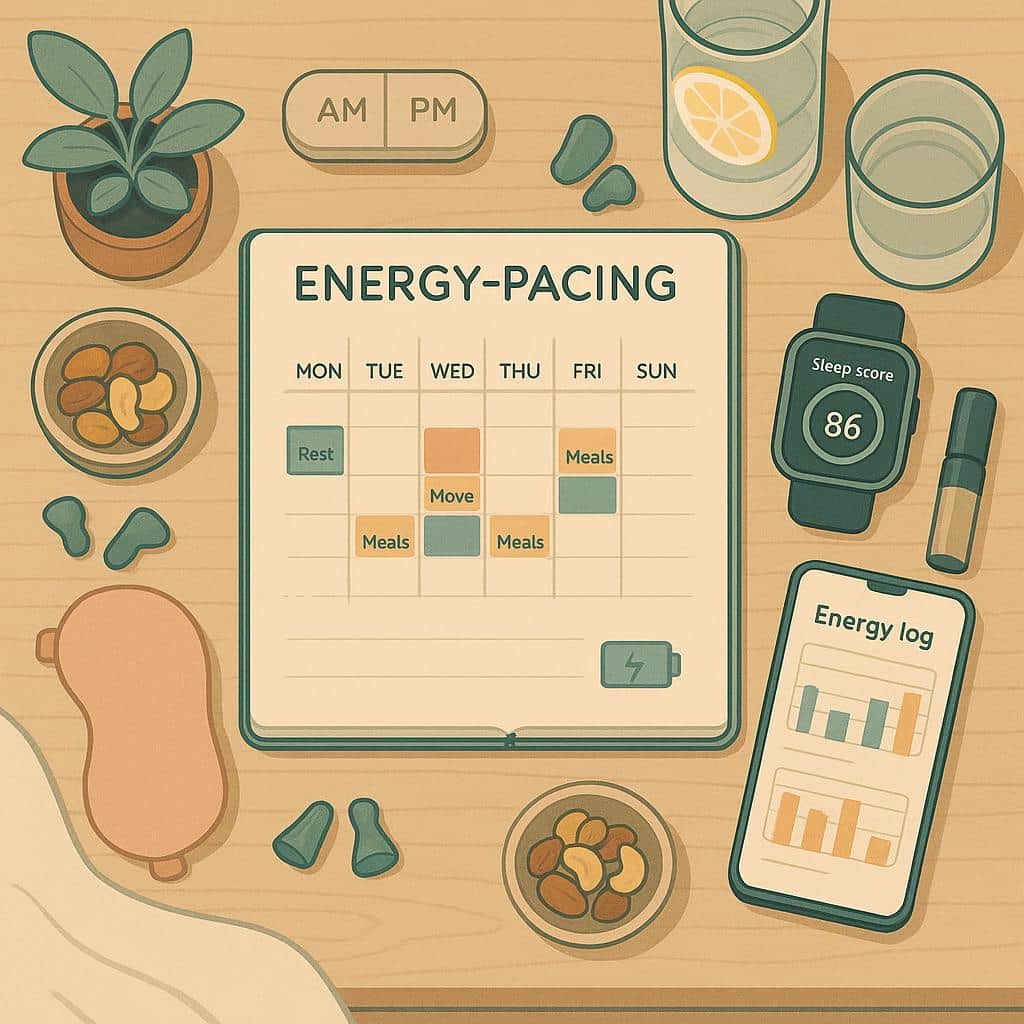
Understand why endometriosis drains energy—chronic pain, hormones, poor sleep, anemia, inflammation—and get practical tips for fatigue, pain, stress, and daily function.
Lotus Endometriosis Institute provides California-based surgical evaluation and advanced excision care for patients with suspected endometriosis, adenomyosis, complex pelvic pain, and related conditions.
Many patients contact us from outside California to learn whether traveling for in-person evaluation and possible surgery may be appropriate.
2121 Santa Monica Blvd, Santa Monica, CA 90404
8am - 5pm
Monday - Friday
154 Traffic Way, Arroyo Grande, CA 93420