
Fertility
Can you get pregnant with bowel endometriosis?
The short answer
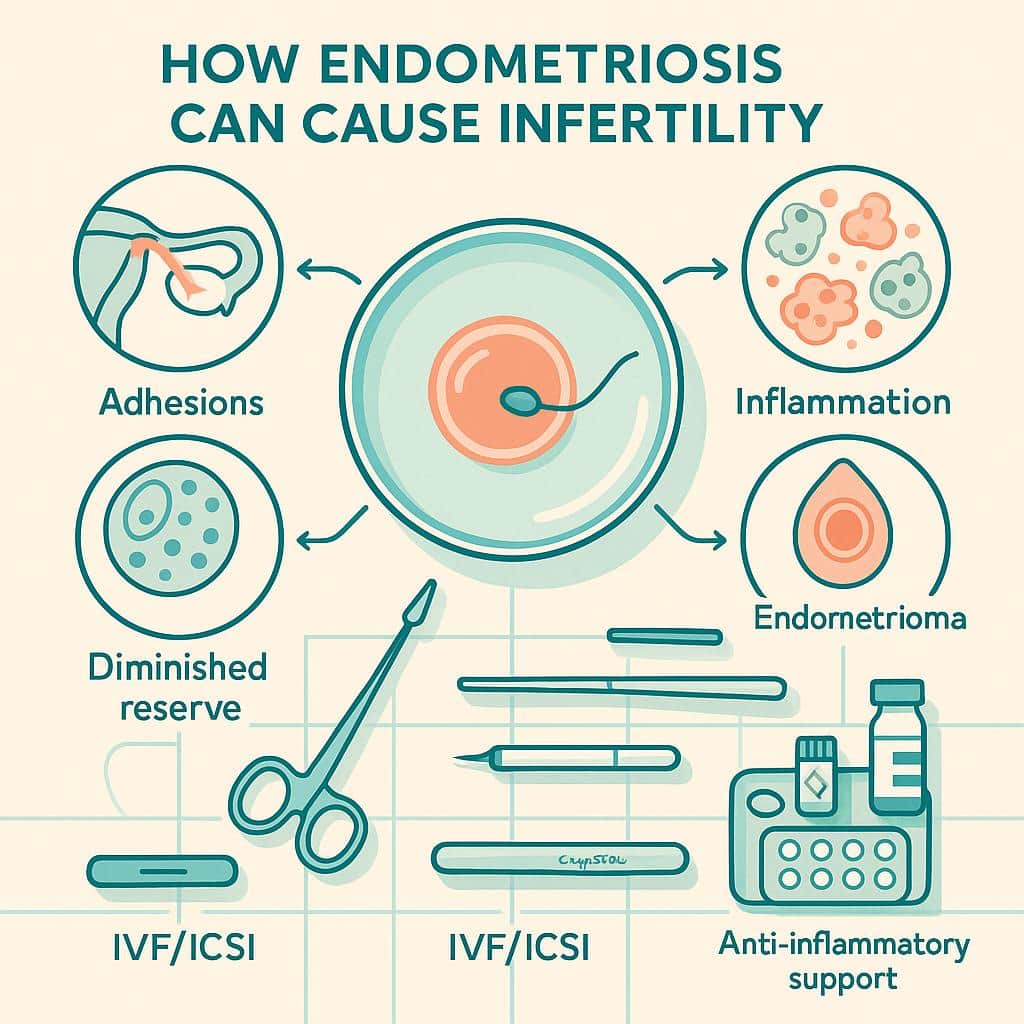
Yes, many people with bowel endometriosis can still get pregnant. Bowel involvement doesn’t automatically mean infertility, but pelvic inflammation, adhesions, problems with the tubes or ovaries, and sometimes adenomyosis can affect conception.
Yes, many people with bowel (colorectal) endometriosis can still get pregnant. Bowel involvement doesn’t automatically mean infertility, but it can be part of a bigger picture that affects conception, including pelvic inflammation, adhesions, tubal involvement, ovarian cysts, and sometimes coexisting adenomyosis.
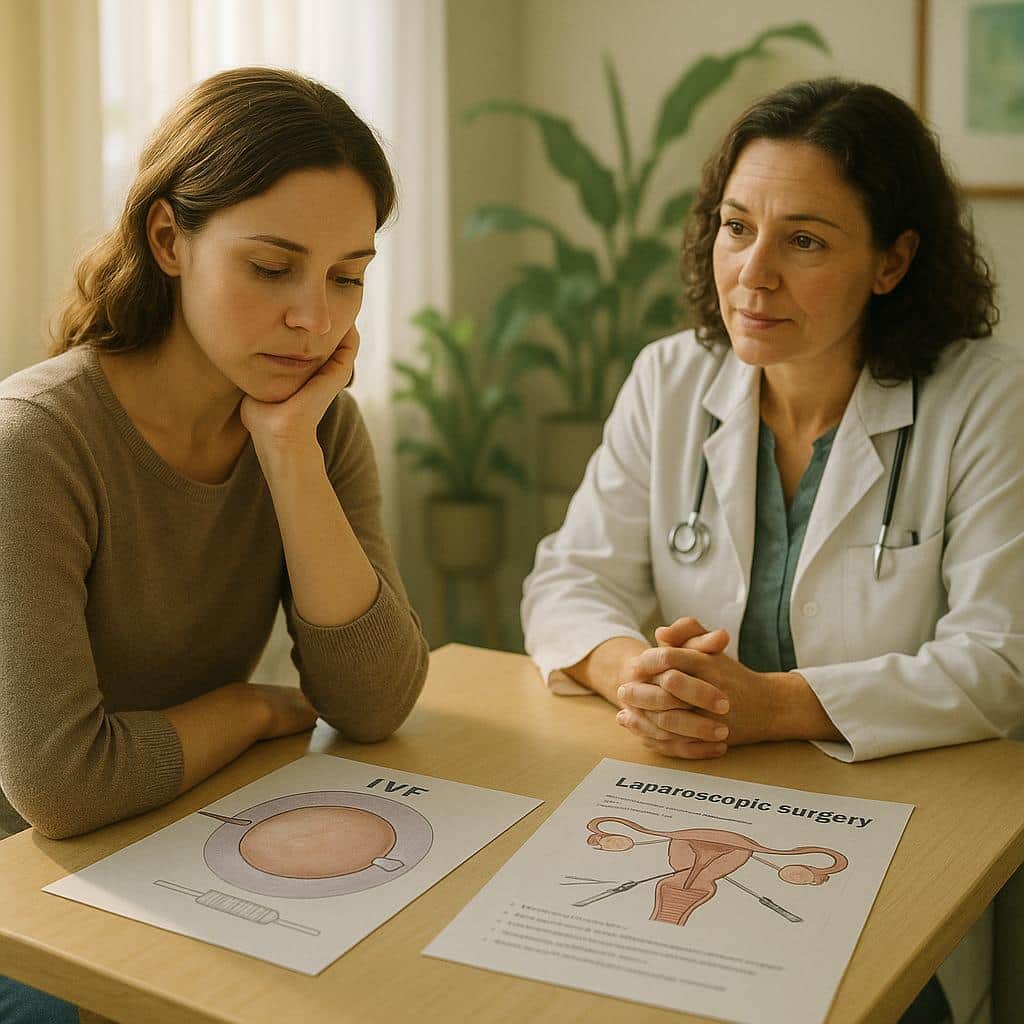
What matters most is your overall anatomy and fertility profile: your symptoms, especially pain and bowel symptoms, age and ovarian reserve, prior surgeries, and whether disease is distorting the pelvis or affecting the tubes or ovaries. For some patients, particularly when pain is minimal, pursuing fertility treatment (often IVF) first can be a reasonable way to prioritize pregnancy while avoiding the risks and recovery time of complex bowel surgery. For others, especially with significant pain, quality-of-life impairment, or anatomy that may block normal fertility, excision surgery first may be the better step. The important caveat is that surgery can help some people but isn’t a guaranteed fertility fix.
If you’re trying to conceive and suspect or know you have bowel endometriosis, our team can help map the disease, evaluate other fertility factors (including adenomyosis), and build a plan that balances pregnancy goals with symptom control and surgical safety. If you’d like, reach out to schedule a consultation so we can talk through whether surgery first or fertility treatment first makes the most sense for your situation.
Where to go from here
Understand it, compare it with what you're feeling, then talk it through with us.
Understand
Understand the condition
Compare
Symptoms it can relate to
Speak with Us
Struggling to Conceive with Endometriosis?
Our specialists understand how bowel endometriosis can affect fertility and are here to guide you through your options. Let us help assess your unique situation and support your journey to pregnancy.
Questions people ask next
All fertility questionsDoes bowel endometriosis surgery improve fertility?
Bowel endometriosis surgery can improve fertility for some people, but it isn’t guaranteed. Surgery may restore pelvic anatomy when disease affects the tubes or ovaries or causes severe adhesions, though some people still need IVF afterward.
Can you get pregnant with endometriosis without surgery?
Yes, many people with endometriosis get pregnant without surgery, either naturally or with fertility treatment. Whether this is a good plan for you depends on your age, ovarian reserve, how long you’ve been trying, other fertility factors, and whether you have endometriomas or deep disease.
Does endometriosis make pregnancy high risk?
Most people with endometriosis have healthy pregnancies, but it can be associated with a higher likelihood of certain complications. These include placenta previa, preterm birth, bleeding during pregnancy and cesarean delivery. Risk is not the same for everyone.
Can I use medical therapy while trying to get pregnant?
Hormonal therapies for endometriosis are usually paused while you’re trying to get pregnant because they typically suppress ovulation. Symptom relief during this time can focus on non-hormonal options aligned with your fertility goals and timing.
Further reading
Bowel Endometriosis and Infertility - What Should You Try First?
Explore options for bowel endometriosis and infertility. Understand whether surgery or IVF should be your first step. Get reliable insights now.
Making a Fertility Plan: Working with Your Endometriosis Care Team
Learn how to create a patient-centered fertility plan with your endometriosis care team, addressing symptoms, treatment, and desired timelines.
How Endometriosis Contributes to Infertility
How endometriosis leads to infertility: pathogenesis; effects on gametes, tubes, and endometrium; and treatments (expectant care, surgery, and ART).